Summer 2025 highlights

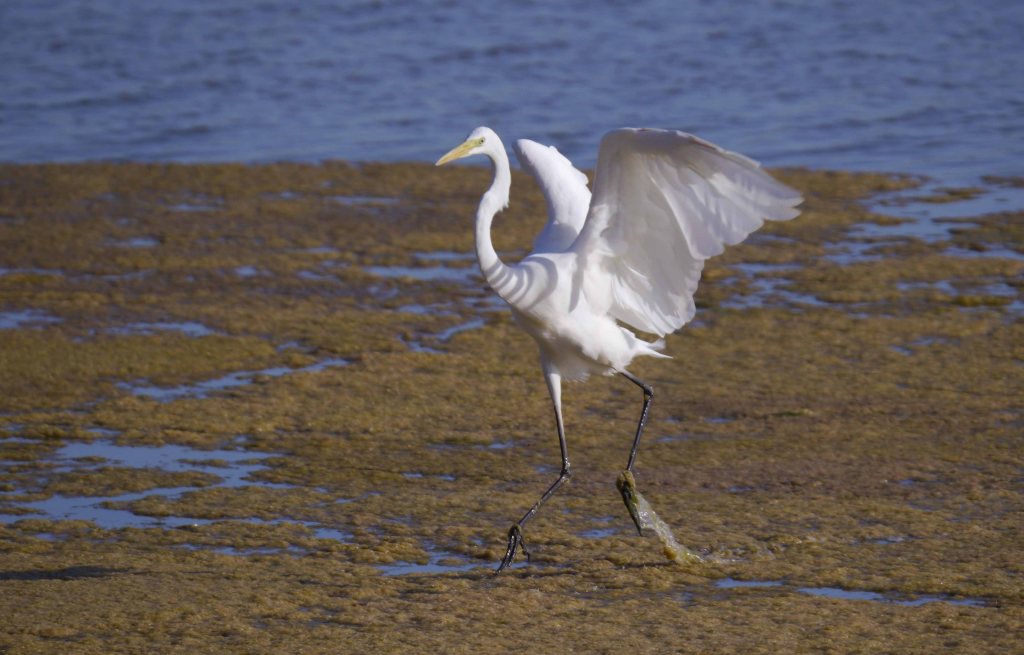
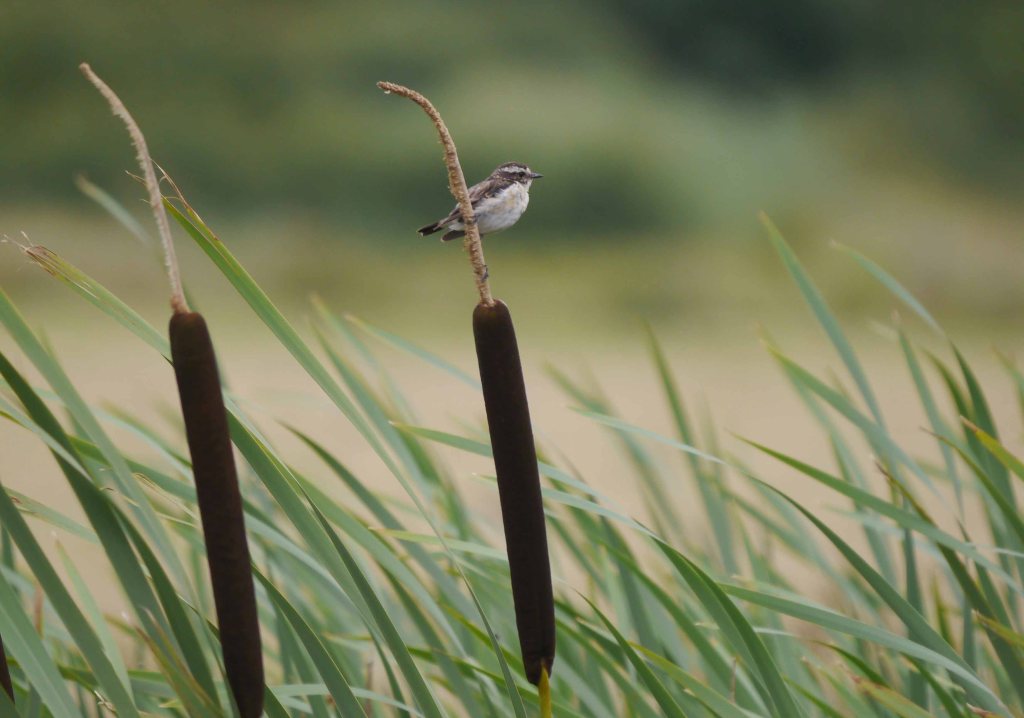
July has been an interesting month for local sightings. A flock of Common Scoters were hard to count in the choppy ebb tide waters of the Severn on 17 July, it turned out to total 27 (7 females), I managed a minimum count of 25 (5 females) as the drifted out, often being harassed by gulls causing them to dive. A Wood Sandpiper on the Rushy at WWT Slimbridge was a welcome sighting. Whinchats Pictured below) have begun to turn up locally along with a wide range of adult and juvenile waders on the Severn and WWT scrapes. The water levels are low so Grey Herons, Little and Great Egrets (pictured on Tack Piece) are all concentrating where the fishing is productive. The Severn has been attracting numbers, typically on the ebb tide.
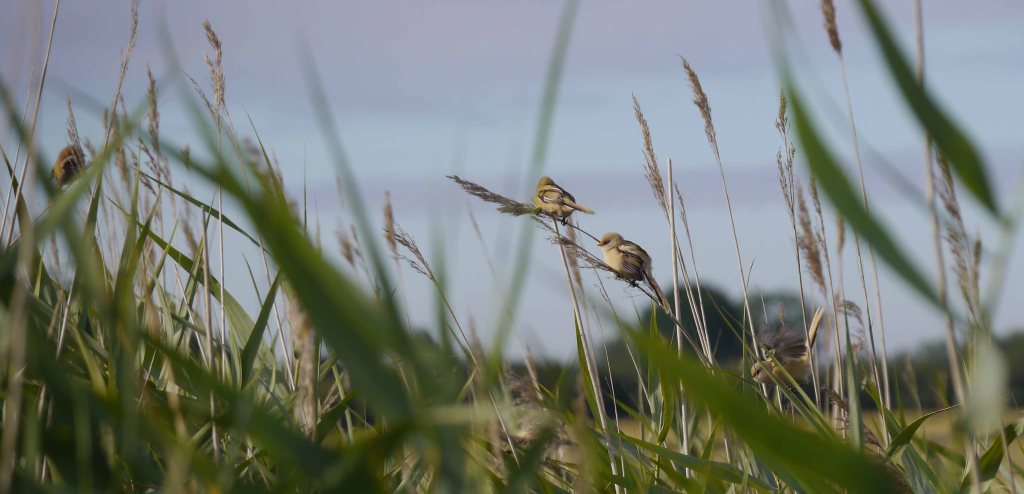
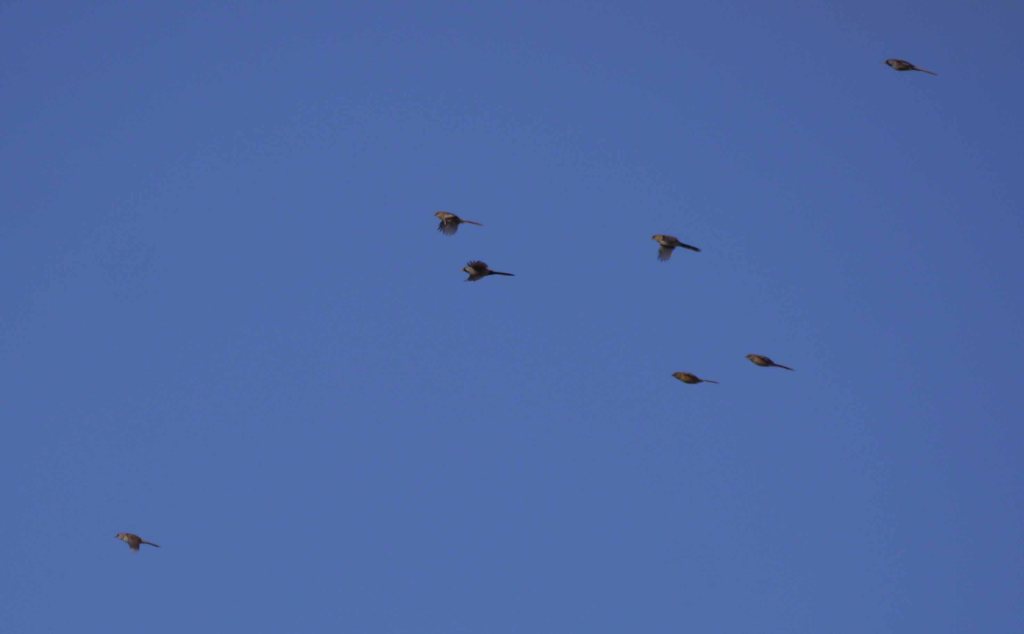
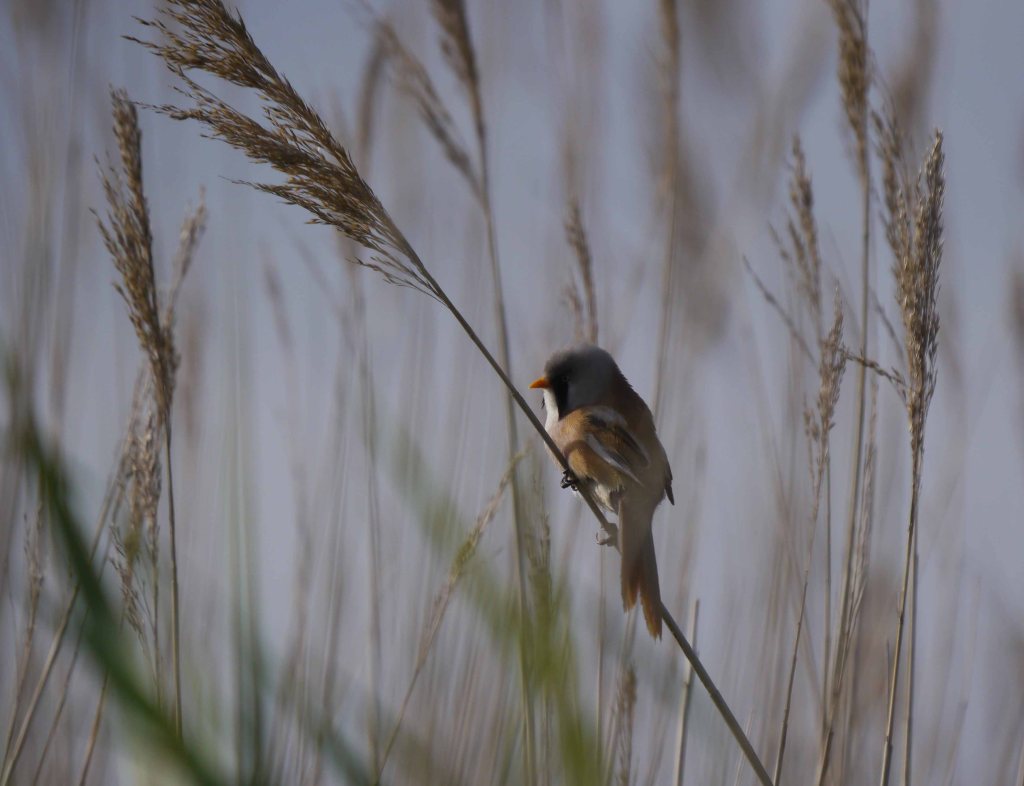
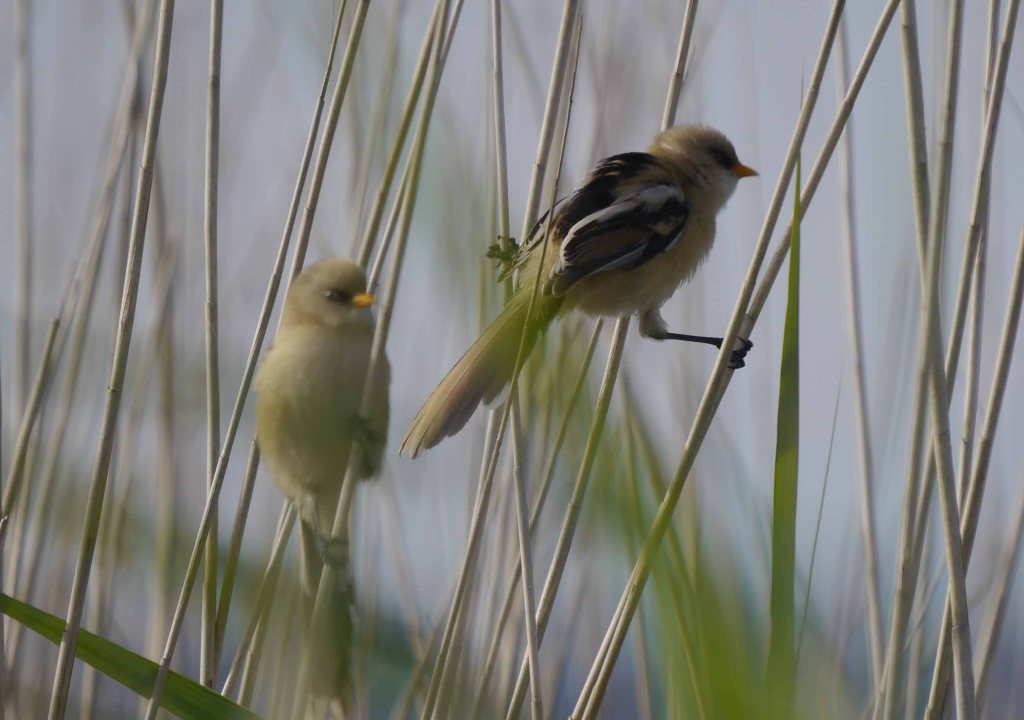
Pick of the birds locally has been the family party of Bearded Tits, I repeatedly missed them of late with my last encounter in November last year, although there has been sightings over the winter and especially recently. On the 9 July, the family group arrived at Middle Point from a little further North along the foreshore, I was then lucky to see them trying to fly out high over the Severn only to return twice, eventually they flew across the Dumbles. A pair with five juveniles.
Forest of Dean in the heat

Saturday 12 July 2025

A morning and early afternoon visit to Woorgreens Lake and surrounding heath and the Cannop Valley. Was hoping to find some shade, and being at a higher elevation than the Severn Vale, a slightly cooler part of the county.

A good range of species noted, was confident I would turn up a few more species but the heat was too much.

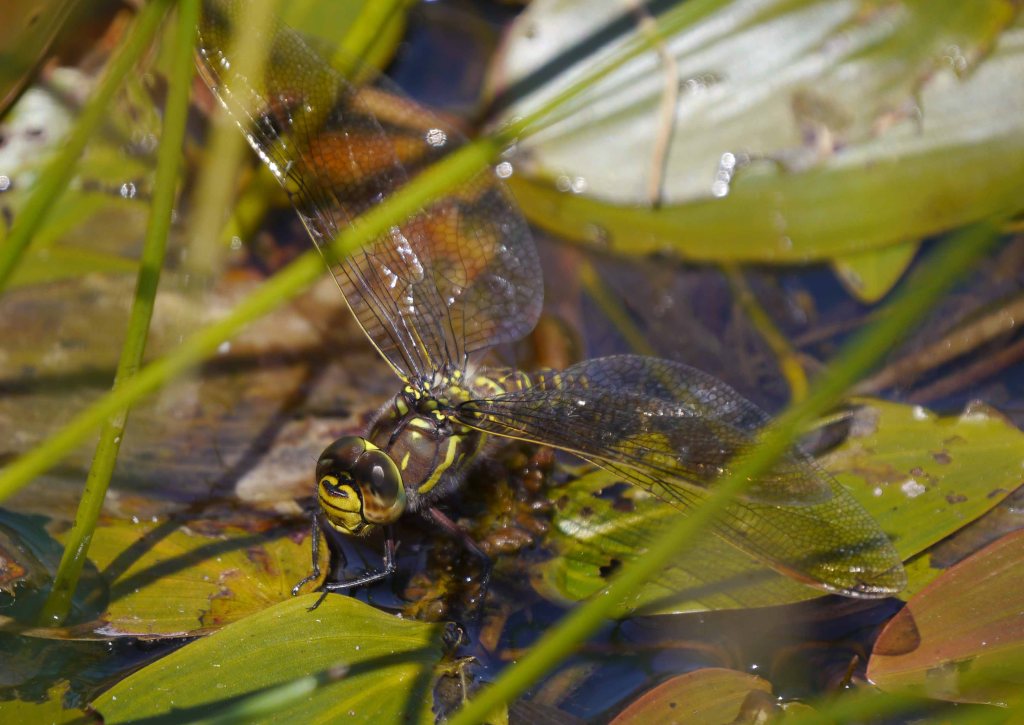
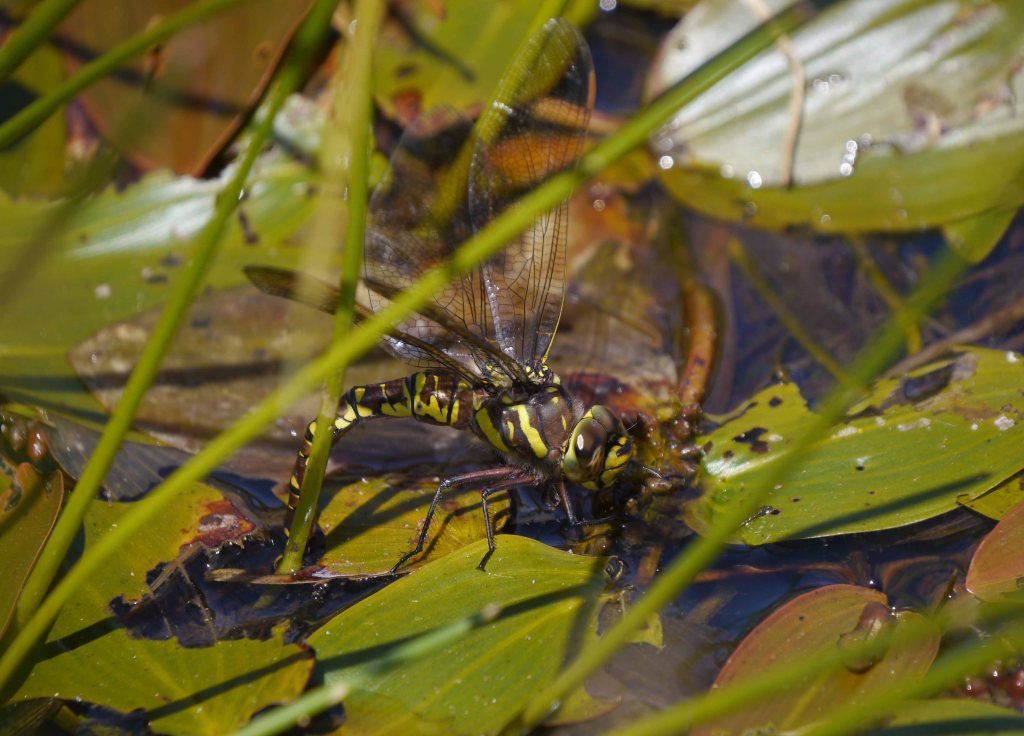
Keeled Skimmer, Black-tailed Skimmer, Broad-bodied Chaser, Four-spotted Chaser, Emperor, Southern Hawker, Brown Hawker, Moorland (Common) Hawker, Golden-ringed Dragonfly, Common Darter, Red-eyed Damselfly, Small Red-eyed Damselfly, Azure Damselfly, Common Blue Damselfly, Emerald Damselfly, Blue-tailed Damselfly, Large Red Damselfly.

Keeled Skimmer, male Woorgreens GWT (1)
Female Moorland Hawker, Woorgreens GWT (2&3)
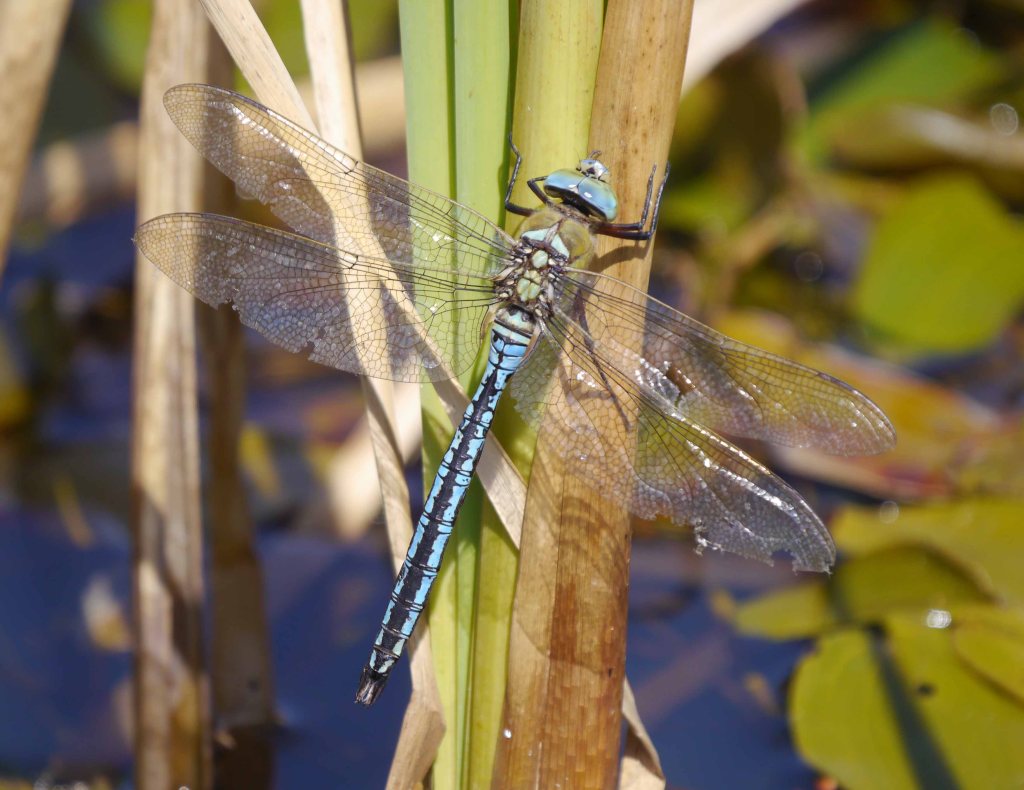
Male Emperor, Woorgreens GWT (4)

A few flyover and calling Crossbills were of note, largest party involved five birds, but three and four flew over at different times, another flew over Cannop Stoneworks. A number of vocal Siskins, a Mandarin, Buzzard, two Swifts, Swallows and House Martins, Tufted Ducks and Mallards plus Grey Heron.

A dozen Silver-washed Fritillaries were feeding around the spillway at the Cannop Stoneworks plus a family party of Grey Wagtails.

Late migrants on the Severn

Siskins, Redpolls and Chaffinches were passing over the New Grounds in numbers with a few other species like Brambling also making an appearance. A couple of Jack Snipe were also new in. Some late breeding season migrants were noted on this fine day, a 1cy Redstart and a Whinchat, the former was perhaps latest ever in Gloucestershire for me.

Northumberland 28-31 August 22

A chance to get away for a short break and escape the hot temperatures in Gloucestershire was welcome. A stay in a Shepherds Hut on a quiet farm near Ulgham was a good choice. Right out side the door wwas a gap in the hedge with feeders, at least 40 Tree Sparrow visited each morning and appeared to roost in the hawthorns. A Willow Tit called in and coveys of Grey Partridges were a daily sight be it gritting on the driveway and road mornings and evenings, a female brought four young to graze on the lawn early on our last morning. Roe Deer were regular with a few other commoner bird sightings including Common Whitethroat.

It’s a long drive from Gloucestershire but worth it for the coast and birding, I stopped at Redcar Beach on the way up, my family were visiting a nearby NT house (Ormesby) so I got to enjoy some beach birding with a male Greater Sandplover being the main attraction, what a great bird. We stopped in Barnard Castle before making it to Northumberland.

First morning out began at Widdrington Lake then to Newbiggin by the Sea, onto Druridge Bay and Cresswell Pond, Warkworth Castle, Boulmer, Craster and Dunstanburgh Castle. Day two Holy Island, Budle Bay, Stag Rocks, Bamburgh, Seahouses, Beadnell and Low Newton. The last day was extended when the car broke down on the A1, we spent the night in Newcastle whilst it was repaired and was back on the road on 1 September.

Highlights included the following

It was great to see a few seabirds, Manx Shearwaters, Gannets, Kittiwakes, Guillemots, Arctic Terns etc. The beaches held Bar-tailed Godwits, Ringed Plover, Sanderling, Dunlin, Redshank, Golden and Grey Plover, Curlew and Whimbrel.

Red-necked Grebe- adult at Widdrington Lake.
Arctic Skuas- off Newbiggin, Boulmer, Low Newton and Dunstanburgh.
Long-tailed Skua off Dunstanburgh.
Avocet- Cresswell Pond.
Dotterel- a juvenile with the Golden Plovers at Boulmer.
Roseate Terns- watched fishing adult birds with the other terns of Stag Rocks/Budle Bay mouth.
Greenish Warbler- a calling and sometimes showy bird on Holy Island.
Merlin- one on Holy Island.
Ruff- one on a pool near Seahouses.

Hummingbird Hawk Moth 17 September 2020

Took a day’s holiday for a bit of a rest and enjoy some of this September sunshine, great to hear news of the Lesser Yellowlegs on the South Lake (top spotting by Scott P, only the second reserve record and probably 4th for Gloucestershire), hopefully it’ll stay around until I’m next back at work. The scrapes look really good at WWT Slimbridge so it should give it and other waders plenty of feeding and roosting options.

I went for a short walk locally to the Glos to Shaprness Canal, I logged my first 7 Lesser Redpoll of the autumn passage period, 4 Stonechats on the fences and hedges added to the autumnal birding. At least 5 Chiffchaff, 3 calling Cetti’s Warbler and 2 Kingfishers were of note with a single juvenile Greenshank and juvenile Ruff also logged.

Back at home I was really pleased to see a Hummingbird Hawk Moth visiting the potted flowers on the patio for a prolonged period.

Blog at WordPress.com.

Up ↑