1-30 April 2011 Blog and sightings

30 April 2011 After a getting to bed at 0200 and hearing the dawn chorus at 0430 I woke at 0730 in the Forest of Dean on a family/friends camping trip. The lack of sleep wrote off any energetic birding today and all League 1 Football results did not go the way of Bristol Rovers despite a 1-1 draw with Sheffield Weds. Too many injured players. Looks like they are down.

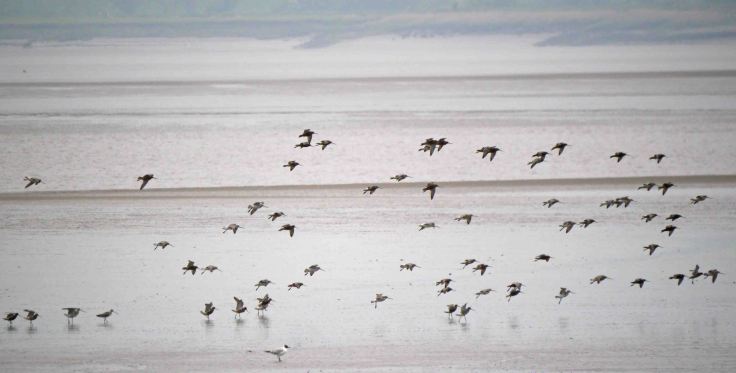
29 April 2011  An exciting day for me on the Severn, a visible passage of Bar-tailed Godwits was excellent to watch in action, at least 180 were about on the morning tide and 203 in the evening. Others went through heading NE, most of the males were in full breeding plumage. 2 Common Terns were present on both tides, probably one of the WWT 100Acre breeding pairs, a party of 5 ‘Commic’ Terns, probably Arctic went through in the evening. NPG had 50 Arctic Terns through the Frampton Pools in the evening. Other highlights were 6 Whimbrel, a Black-tailed Godwit, 15 Dunlin and I picked up a dark phase Arctic Skua in the bins/scope that went through low N before climbing over Hock cliff and heading inland.

Barwits

23-28 April 2011 Similar birds this week, a second male Garganey was about the trust.

Gadwall and Garganey

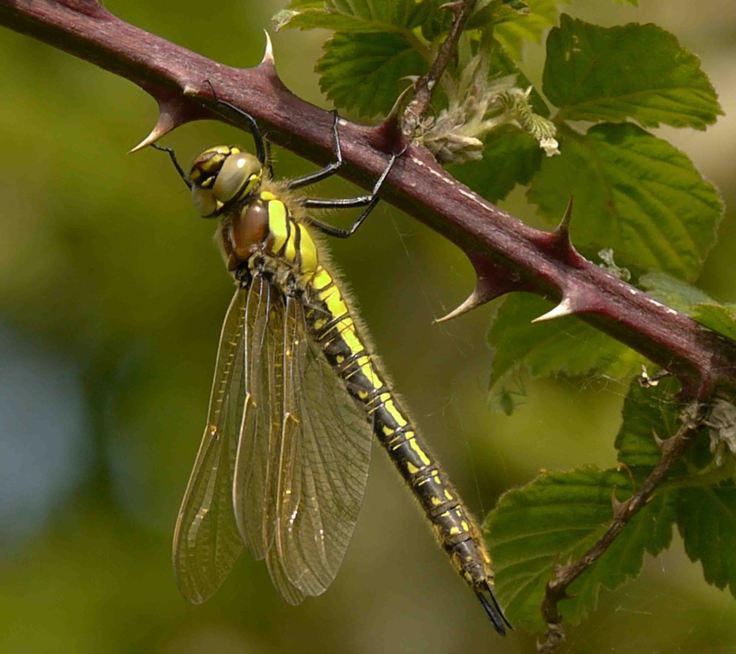
22 April 2011 A walk out to the Severn Estuary this am produced 5 Common Tern on the estuary mud with BHGulls, 6 Black-tailed Godwit, 6 Dunlin, 4 migrant (they were in non-breeding plumage and roosting) Oystercatcher and a few Yellow Wagtails. A male Yellow Wagtail seems to be territorial in the WWT 100 Acre. I also discovered my first Hairy Dragonflies of the year, a female and male in the Green Lane between platforms. A Cuckoo sang near the canal towpath at Splatt Bridge, Frampton and the five Common Terns were on Townfield Lake. Two Yellow Wagtail were around my house, perhaps looking at the crop next to us as a breeding site.

Female Hairy Drag MJM

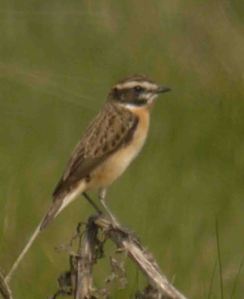
21 April 2011 A male Whinchat (first in Britain this year, the other was with a Spectacled Warbler on the Belen plain) and male Yellow Wagtail near Middle Point were stunning in the sunshine. A further 5 Y Wagtails flew over North. A high tide collection of waders included a Sanderling, 3 Grey Plover and 6 Bar-tailed Godwit. A Peregrine dispersed the roost on the ebb tide. Two Greenshank and a Green Sandpiper remained on the scrapes.

Whinchat and Yellow Wagtail MJM


20 April 2011 A dragonfly flew ahead of me in the 100 Acre and was probably a Four spot Chaser, my first 3 Blue-tailed Damselflies, 5 Azure Damselflies  of the year and 30 Large Red Damselfies were also in the 100 Acre. Two Greenshank were in the 100 Acre and a Lesser Whitethroat was singing.

17-19 April 2011 At WWT a few migrants around, a few non-breeding plumaged waders on the estuary and falls of Whitethroat and Sedge Warbler. A couple of Green Sandpipers have been around the scrapes which are rather scarce in spring, the more expected Common Sandpipers are also around.

Green Sandpiper, South Lake MJM

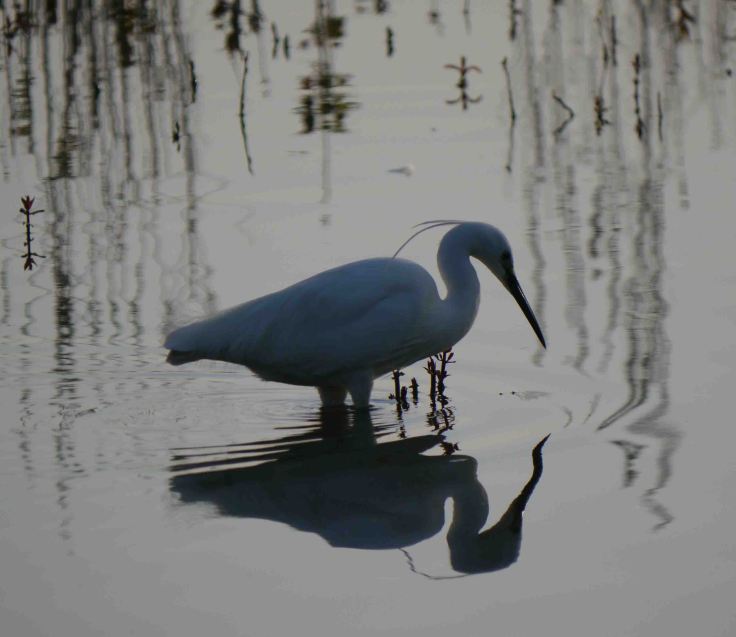
Little Egret MJM

16 April 2011 At home all day so far, lots of butterflies about, Swallows and House Martins. NPG reports Nightingale at Frampton. Not going down to the South coast but BRFC have Southampton away this afternoon and we need 3 points.

Some more Extremedura images.
Rich Ford supplied these stunners to keep us ticking over, more of his shots are viewable on http://richardsbirdingdiary.blogspot.com/

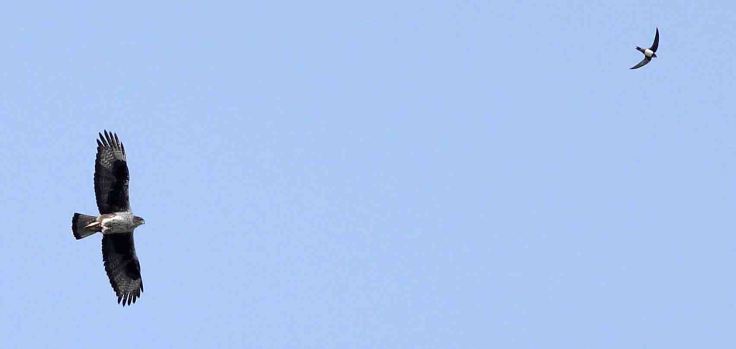
Bonelli’s Eagle and Alpine Swift Richard Ford

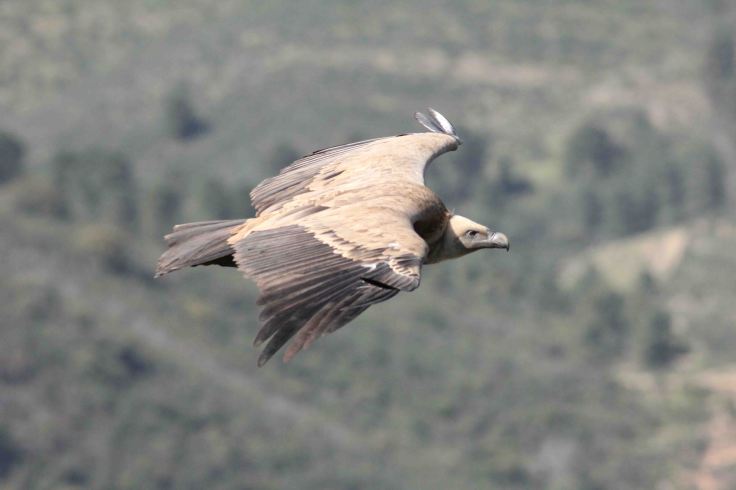
Griffon Vulture Richard Ford

14-15 April 2011 A few days off at home, I have Collared Dove and Woodpigeon on eggs, fledged Blackbird chicks in the beech hedge (cats kill them every year) two occupied House Sparrow boxes, an open box with something in there (Robin) and a Wren nest. I still intend to get even more boxes up and my roof has a few pairs of House Sparrow too.

13 April 2011 A similar set of birds to yesterday, a period of low cloud and light rain brought 20 Swallows and 20 Sand Martin down. The estuary was rather quiet.

12 April 2011 The Garganey, 123 Blackwit, Lesser Scaup, Spotted Redshank, 19 Redshank and a Knot were all notable at WWT but the Green Sandpiper was new for the year for me, a Tree Pipit near the Martin Smith Hide was of note and a few Dunlin and a Grey Plover were on the estuary. A White Wagtail was near the Holden Tower and a Yellow Wagtail over the Zeiss Hide.

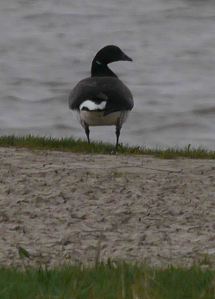
11 April 2011 Did not get to bed until 0200 and up at 0630 to start a Spring Landrover safari at WWT. One of the first birds was a female Redstart, my first of the year. A variety of good birds about but best of all was a Brent Goose that I picked up distantly in the 100 Acre. It was a misty morning and had the low sun illuminating it but I thought it to have extremely white flanks and a distinct neck sock. I discussed this with my group and about the effect of strong light in determining which race it was. We relocated to the viewing platform for better light but the goose had gone. Later in the day at lunch I refound the bird at high tide flying around with Shelduck and Oystercatcher. It was a Light-bellied Brent, my second record of the year after the two in March and only my third ever WWT and Glos record.

Light-bellied Brent Goose MJMcGill

In addition a male Garganey, the Lesser Scaup, a Dunlin and a Spotted Redhank were all present today.

6-10 April 2011 A great trip to Extremadura, a full trip report will appear soon. As we had a few DSLR-heads (digital slr camera users) with us some quality images should be on offer, thanks to all who came with Graham, Neil and myself, we all enjoyed your company very much.

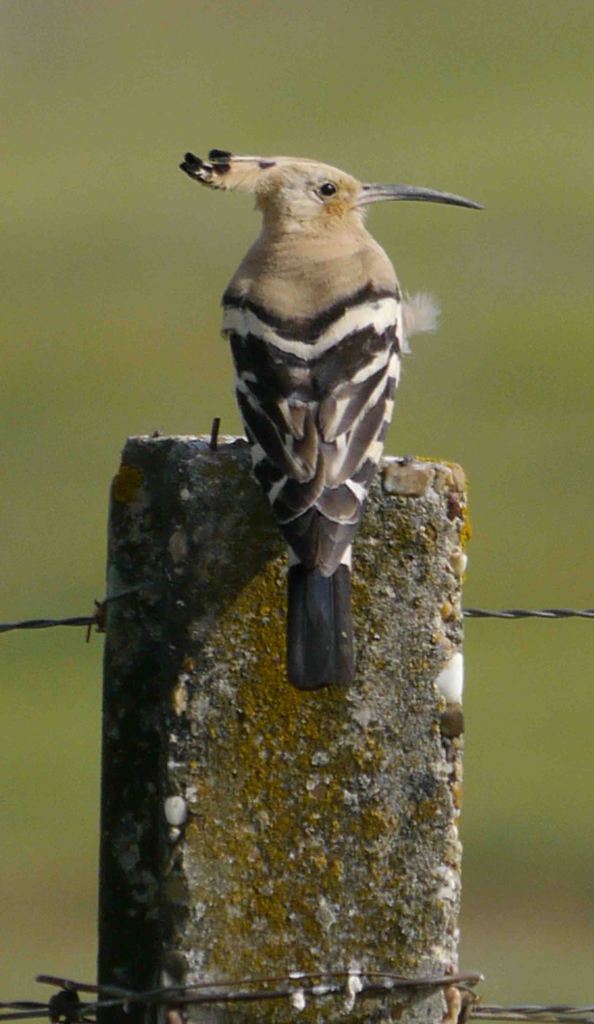
Hoopoe MJMcGill

5 April 2011 Best of today was displaying Little ringed Plovers on the South Lake, also a pair of Goldcrest doing the same. A party of Canada Geese wandered into Lapwing territories on the Top New Piece this afternoon, four pairs swarmed them and drove them away. Oystercatcher pairs are also facing up to each other, heads down and getting very agitated. A few Swallows and c60 Sand Martin were about.

4 April 2011 A first summer Little Gull flew down the estuary at 1600, first of the year for me. A spring record 194 Black-tailed Godwits were around the WWT scrapes.

3 April 2011 At WWT Slimbridge a few migrant waders were around, the Lesser Scaup remained.

2 April 2011 A couple of Small White butterflies were the only new sighting of the year for me , they were in Gloucester.

Lapland Bunting, Dumbles Scrape.  MJM

1 April 2011 After hearing earlier in the day from the finder  Geoff Moyser I was finally tempted by tales of a breeding plumaged LapBunt feeding around the Dumbles scrape. It was still present at midday but not in full glory plumage wise, nice bird though. The six White Wagtails were also a treat, perhaps all heading the same way? A Red Admiral at home was a first of the year.

1 February to 31 March 2011 blog and sightings

Steller’s and King Eiders MJM

30 March 2011 Not many new arrivals on show around the New Grounds/WWT today, I did see and hear my first 4 Swallows of the year, plus 30 Sand Martins, a Golden Plover in the 100 Acre and 15 Ringed Plover and 2 Grey Plover on the estuary.

Steller’s Eider, Vardo, Norway MJMcGill
What a bird……

29 March 2011 A few Swallows seen heading through WWT Slimbridge today, I noted c40 Sand Martin, a pair of Little-ringed Plover on the 100 Acre central flood, 144 Black-tailed Godwits with 120 of them on the South Lake, a Spotted Redshank (1st of year), 2 Knot (1st of year) with 4 Grey Plover and 5 Oystercatcher on the estuary as well as a GC Grebe. The Lesser Scaup was on the Rushy again. I saw a male Orange Tip Butterfly in the 50 Acre this afternoon, 1st of the year and possibly my earliest ever?.

28 March 2011 At least 9 Willow Warbler were singing, 27 Chiffchaff and two Blackcap, one of the Chiffs had a very interesting song which I recorded and will investigate. A male Red-breasted Merganser was seen on the estuary at 1600, late news of a pair for last Thursday too.

22-23 March 2011 A visit to Arctic Norway and Finland with friends, it has to be said that left Gloucestershire rather underwatched for the week. Was no coincedence that no Ring Ouzels have been seen when many of  the most active NCOS (North Cotswolds Ornithological Society) members were with me. One in particular beat me to one of my usual Spring finds, a Bourton on the Water Sedge Warbler fell to Duncan Dine’s binoculars before a WWT record. I blame my tired, snowblinded eyes!!!!!

A full trip report will follow soon. We spent our time around the Varangerfjord with a night spent in the Taiga zone for forest birds and a night ‘in transit’ near Oslo. Although not offering a large list of birds it rewarded us with quality with Steller’s and King Eiders, Golden and White-tailed Eagles, Pine Grosbeak, Siberian Tit, Siberian Jay, Arctic Redpoll, Gyrfalcon and Brunnich’s Guillemot to name a few. Great trip, fine company and testing conditions.

More Steller’s Eiders M.J.McGill

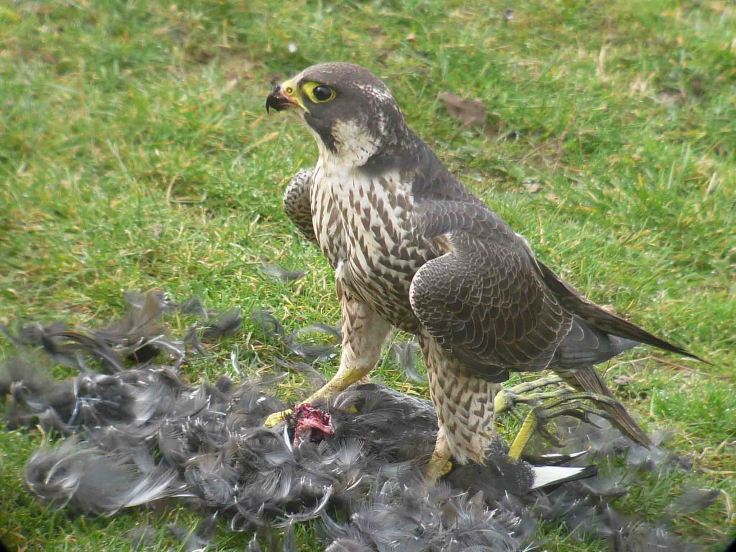
Peregrine Falcon from the Zeiss Hide, 17 March 2011, WWT Slimbridge MJM

21 March 2011 A few migrants from yesterday, the Little-ringed Plover was on the island that was ‘developed’ to entice them to breed on the Rushy. One Avocet remained on the TNP, the Cattle Egret was seen again and a Great White Egret hung about before hopping N up the reserve and heading on, I caught a sight of it before it left. A male Wheatear, some migrant Meadow Pipits and more Shoveler were around.

20 March 2011 Back to work at WWT Slimbridge with a pleasant bang…the 2 male Greater Scaup looking better every week, a prediction of Avocets as I entered the Holden Tower with NRS, three Brent Geese were moved off the water by the tide and flew around the estuary, a last close fly by revealed two rare Light-bellied and a Dark-bellied Brent. The former having only 6-7 previous records with only one other of two as the rest were singles. JK picked up two Avocets in flight, there eventually turned out to be three and they spent the whole day on the Top New Piece, the pair becoming agressive by the end of the day. The Cattle Egret was on the Top New Piece and then moved to the South Lake, the Pink-footed Goose was on the South Lake too, the day ended with the female Lesser Scaup on the Rushy. Lots of nice birds on my WWT travels.

18-19 March 2011 A weekend off but no birding!

17 March 2011 My first Wheatear of the year, a male was at WWT. Best of all was the outrageously close views of an immature Peregrine at the Zeiss Hide, I did take many pics and hope to share them soon.

15 March 2011 Most notable birds for me today were three Siskins on the bird table at home and at WWT the nine grounded migrant Pied Wagtails and parties of 8 and 6 Sand Martins through N. My first of the year.

14 March 2011 At WWT Slimbridge at least 5 Brimstone and a Small Tortoishell were on the wing in the glorious sunshine.  A Coal Tit was a notable passage migrant as well.

13 April 2011 A rainy start to the day cleared to a sunny and warm afternoon. I saw my first local Stonechat of the year, a male on the 100 Acre fences. Also whilst driving the tractor N up the reserve I had a lovely male White Wagtail (first of the year, although I had three alba/yarrellii flyover last week which I though were White)running along the track flycatching. Only one White-fronted Goose remained, the Pink-footed Goose still, a female Smew on the Top New Piece, an intermedius Lesser Black back and adult breeding plumaged Mediterranean Gull on the estuary. A party of five Bewick’s joined the last three. The female Lesser Scaup and three Greater Scaups cheered me up as they always do. NRS and NPG both scored with Sand Martins at Frampton.

12 March 2011 A BRIMSTONE butterfly flew through the garden, first of the year for me. Also 2 Siskins came to my feeders another first as they usually are flyovers.

1-11 March 2011 A period dominated by departures of wildfowl and waders locally, I have noted some Spring migrants such as Shoveler, Bar-tailed and Black-tailed Godwits, Grey and Ringed Plover at work, WWT Slimbridge. Raptors have been in evidence with the Marsh Harrier still showing daily and a first experience of seeing this and Red Kite together on my birthday on the 8th. A Jack Snipe on the 9th was of note and I am looking forward to seeing new birds arriving daily from now.

19-27 February 2011 Images to come

18 February 2011 A ‘raid’ on Chipping Norton for the Oriental Turtle Dove, just three hours spare today but it was enough to see this Far Eastern visitor. Only just over the border in Oxon, an hour from home and it was showing on arrival. I chatted with a few birders at the site as well as some of the residents, a nice atmosphere. One chap let me view it through his scope and couldn’t be more helpful, a bit of fun with local residents perhaps bewildered by the attention but interested nontheless. They are opening up the gardens today but will be closed Sunday.

10-17 February 2011 Generally wildfowl numbers have been dropping in line with the usual exodus of early Spring. Bramblings, Reed Buntings and singing territorial birds have been keeping things going. Shelduck are now using the hide and barn roofs to engage in displays.

9 February 2011 I completed my last square for the BTO atlas this morning, it takes in part of the reserve at WWT and I ‘scored’ with some great birds. First of all a flock of 18 Dark-bellied Brent were present on the estuary, I watched the E. White-fronted Goose flock head out to grit and picked them up on the main channel, they were distant but one had brighter flanks, was big with a good throat slash,  they took flight a few times as the bore came in and settled a bit closer but it was murky and they were not close so it could have been a gander in top nick. Next top bird was a Marsh Harrier, the immature female was hunting and resting on the ground in the 100 Acre, next a Water Pipit perched for a few seconds before dropping out of view, a Redshank alarmed and ahead of me a Short-eared Owl was being mobbed over the estuary. I continued counting and was finally rewarded by a Bittern flying over the reeds near to the platform. It dropped in somewhere around that area. A good set of birds in 2.5 hours and a fair walk.

8 February 2011 A Little Owl sunning itself was notable along the canal at Frampton on Severn.

1-7 February 2011 Will add images asap for this period.

The 18 Dark-bellied Brent Geese on 9 February MJM


Devon-The Exe Estuary 11 January 2011

Red-breasted Goose among the Brents

Avocets roosting at the mouth of the Clyst

Devon- A day out around the Exe
11 January 2011

We set off on a rather blustery day at 0700, seeing a Little Egret on the way and stopping at Exeter Services, we made a quick search of a local industrial estate for Waxwings that had been reported earlier in the week. We did not find any so headed for RSPB Exminster Marshes. A search from the railway bridge revealed many common wetland and hedgerow passerines but the 8 European. White-fronted Geese were most notable as they are scarce in Devon. This ‘lost’ flock was associating with Canada Geese. We walked along the crop laden part of the reserve searching for Cirl Buntings but the wind was gusting and this forced the passerines, mostly Chaffinch and Linnet to move rapidly between deep cover and the crops.

We abandoned our search and headed for the estuary. Our first stop was to look over Shutterton Creek where 2-3 Slavonian Gebes were quickly located, one showed very close with a Little Grebe near the wreck and a distant Black-necked Grebe. A party of 7 Greater Scaup were also present, an adult male, a first winter male and five female/imms. Shags, Bar-tailed Godwits, Dunlin, Dark-bellied Brent, Oystercatcher and c20 Red-breasted Merganser were all showing nicely. A distant female Goldeneye was also noted.

Moving on toward Dawlish Warren we saw a Greenshank in the Cockwood harbour along with a Redshank. After a lunch stop at Dawlish Warren we did a sea-watch at the seawall which was productive, 3 Red-throated Diver, two on the water on flew west, a female Common Scoter flew in and joined an Eider. A further three Eider were near Warren Point and another single was offshore making five. A stunning male Common Scoter few by and landed on the sea. A close Slavonian Grebe was nice and we noted 9 Great Crested Grebe. A single Guillemot and 5 Razorbill were added as well as a Fulmar, Kittiwake and Gannets. All in all it was not bad for a windy day.

Back at Starcross we searched through the Brents and Ruth spotted the Red-breasted Goose. Curlew and Oystercatcher were also feeding on the turf.

Our last port of call was at Topsham for the tide. The viewing platform on the Clyst Estuary commanded views as the tide dropped and we watched a flock of Avocet and a couple of Black-tailed Godwit among the gulls. A Short-eared Owl was picked up flying over the estuary heading for Exminster but it was intercepted by the gulls and continued to circle high over the estuary. Moving to the Exe we watched huge numbers of Avocet and other waders. Back at the hide at Bowling Green Marsh RSPB we sifted through the Wigeon and Teal, a Pintail and Spotted Redshank were spotted. We spent awhile watching the common birds and finished with a Goldcrest as is got dark.

1-31 January 2011 sightings and blog

 15-31 January 2011 In pics…some fine birds noted, most of my birding has been at WWT. Jack Snipe, Water Pipit, Green-winged Teal, Lesser and Greater Scaups, a wintering Marsh Harrier, one day with a Hen Harrier, a male and female Merlin, Pink-footed Goose, Barnacle Goose and more reported species like Bittern, not bad.

Green-winged Teal among it’s mates
On the Top New Piece at WWT Slimbridge

The Lesser Scaup

Marsh Harrier over the Tack Piece

8-14 January 2011 The wetter warmer weather has restored the fantastic winter spectacle of sheer numbers of birds and variety at WWT. The ‘scaups’ are still attracting attention.

Lesser Scaup-first winter female

Greater Scaups-first winter males

Interesting Wigeon
A male with extensive green on the head (we have known these to be called as American) and a female with a white eye ring.

7 January 2011 A damp and grey day, no birding just catching up with some Anser office work and finalising things for the forthcoming book.

4-6 January 2011 More Lesser and Greater Scaup watching plus a few year birds added. The adult Pink-footed Goose remains among the White-fronts. The Coot are happy to run around on the swans backs at feeds!

3 January 2011 After much searching of the site NRS and I finally re-located the Lesser Scaup on the Centre Lake (old Big Pen) among the 300 Tufted Ducks. Also I nearly forgot the Waxwing that I saw and heard flying around the centre this morning!

First winter female Lesser Scaup WWT Slimbridge (First record for the reserve)

Closest bird is a captive adult female. The wild bird is top for comparison.

2 January 2011 The first winter female Lesser Scaup appeared on the Rushy again late afternoon today and was spotted by JSL and NW.

1 January 2011
Happy New Year and best birding to you all.

As I was visiting family in Bournemouth I spent just under an hour at the Sandbanks Ferry in Poole Harbour, Dorset today. Some great birds were viewable such as Great Northern Diver, 2 Eider, a Purple Sandpiper, 100+ Red-breasted Merganser, 30 Goldeneye, 40 DB Brents, Sanderling, Grey Plover, Black and Bar-tailed Godwits and more, a good start to the year.

The first winter female Lesser Scaup that I saw on the Rushy on 27 December 2010 and was glimpsed by JSL and MG (Martin Garner) on 30th but flew off and was seen on the South Lake on 1st by Chris Stone.

1-31 December 2010 blog and sightings

31 December 2010 A day off from WWT Slimbridge but I still have plenty to do on the laptop…….I hope you are catching up with any birds missed for a 2010 year list, if not get ready for 2011.

27-30 December 2010

A good week at WWT Slimbridge wth new arrivals and when the fog allowed views of the geese which revealed a few goodies such as two Greater Scaup, a second Pink-footed Goose, a Tundra Bean Goose and larger numbers of birds generally.

The less advanced moulting first winter male Greater Scaup.

26 December 2010 No sign of the Waxwings but at least one winter thrush remains.

Fieldfare

25 December 2010 HAPPY CHRISTMAS TO YOU ALL.

Christmas Day afternoon brought a trio of Waxwings to my home….


Brambling among the Chaffinches..

4-24 December 2010 A period of very cold weather and snow has much limited the birding. I have spent nearly all of my spare time ‘up to my eyes in it’ working on a book. The Reserve Christmas party on 22nd being a distraction from this, I was not really able to focus on anything the day after either. WWT Slimbridge is still producing the best local birding spectacle with increases in Bewick’s Swans and E White-fronted Geese especially. The best birding for me at work has been the the two Bitterns I saw flying around, one chasing the other. The finch flocks have been great as well, so nice to have so many on our ‘crop’.

The bird of the month has to be Waxwing, I bumped into a flock of 34 at the Eastington services roundabout (near M5 Junction 13) with JJS on one day as they dropped in to  grab some crab apples. Even better were the 33 that I saw at the Whitminster Village Hall.
Every journey I take sees me on Waxwing duty, scanning the treetops and berry bushes.

Having some time at home has also bee good to actually see what birds are using the feeders. I had a flock of 50+ Redwing on my apple trees, sliced apples speared onto a few shrubs. I have never seen them swarm like this as they are usually shy around my garden. A couple of Fieldfare, a Song Thrush, 5 Blackbirds, 2+ Blackcaps, female Brambling, 30 Chaffinch and a Reed Bunting have all joined the commoner species. Greenfinch is still notable by absence and not many Great Tits.

I popped out the other day to check out a report for someone and they were right, a pair of Goosander were on the canal at Frampton on Severn.
 3 December 2010 I was returning from the bank at 1100 ish when I saw a dumpy, starling sized, crested bird in the county recorders garden in Whitminster, I thought it to be a Waxwing.  A Crane was at WWT Slimbridge this afternoon (N Warren).

2 December 2010 A Spoonbill was around WWT Slimbridge this afternoon. 142 Bewick’s Swans recorded today.

Isles of Scilly, Champagne Lakes and North Norfolk trip reports now online.

Anser Birding Norfolk 26-28 November 2010

 Northern Harrier or Marsh Hawk


Barn Owl

Waxwings

Shore Larks


Norfolk 26 to 28 November 2010

26 November 2010
Five of us set of from Whitminster at 0730, made a short stop at Corley Services and arrived at the Rutland Water at 1045 where we became seven. We spent a couple of hours birding around  the Egleton Anglian Water Visitor Centre hoping to see the Lesser Yellowlegs and Grey Phalarope among other birds. It had been very cold overnight so the lagoons were all iced over, a Stonechat showed and we had an interesting introductory talk with Tim Appleton about the reserve. We ventured out into the cold to look over the main reservoir. Highlights were the Avocet (rare in winter here) Goldeneye c80, Goosander 5, 10 Redshank, 20 Dunlin, 5 Curlew, hundreds of Great Crested Grebe plus Marsh Tit and Treecreeper in the woods. We had to move on and our next stop was Thornham Harbour in North Norfolk where we watched the sun go down and the local birds. A Marsh Harrier floated over Holme marshes, a Snow Bunting flew over calling, flocks of Brent Geese arrived to roost and a variety of wildfowl and waders fed on the mudflats. The light now gone we headed to Old Hunstanton to the hotel. After dropping everyone off I noted two Barn Owls from the coast road on my way to Burnham Deepdale, the first was in Old Hunstanton village and the other near Holme next the Sea.

27 November 2010
After having breakfast the first port of call was Holme Golf course dunes where we scanned the beach and sea in the strong NE winds. Flocks of Knot, Dunlin, Redshank, Turnstone and Oystercatcher fed or flew past. On the sea/flying past we logged 2 superb male Long-tailed Ducks which headed into a blizzard, a Fulmar, 5 Red-breasted Merganser, 3 Common Scoter, a Great Northern Diver that flew out into the North sea. The lure of a putative juvenile male Northern Harrier nearby was too much to ignore so we headed to Thornham Harbour where with some patience and diligence it arrived, firstly in the distance over Holme Dunes but kept coming until it flew past and began hunting the saltmarsh in the harbour for a prolonged period. All the features that tally up with what the Americans call a Marsh Hawk seem to fit this bird. Whilst we waited the Little Egrets, Black-tailed Godwits, Brent Geese, Grey and Golden Plovers with the Lapwing, Knot and all the other high tide gathering birds gave us something else to look at. At least three Marsh Harriers were showing as well during our watch.

At Titchwell RSPB a group of Egyptian Geese fed in an adjacent field, a female Brambling was on the feeders. We headed to the brackish marsh where a party of Twite, c40 Skylark and Meadow Pipits all fed. A few Little Grebe fished in the channels. On the beach the rough seas made it hard to see the birds but 300 Common Scoter, a Long-tailed Duck, a Goldeneye, Red-breasted Mergansers, Eiders were all seen. A Marsh Harrier was also hunting and nine Avocet and a few Black-tailed Godwits joined 60 Pintail on the freshmarsh. With som nay birds to look for it was time to move on.

At Burnham Staithe Rich Taylor spotted a Barn Owl from the car, when we got out it turned into three Barn Owls in the same area. They hunted in the open for us and were joined by a Buzzard.

From here it was a short drive to Wells Deli for lunch items and then a group decision to head for Aylsham to search for a reported flock of Waxwing. About 40 minutes later we found them feeding on the hedgerow berries and resting on wires, 143 were counted when they lined up.

Satisfied with these views in the sun we headed back to Wells next the Sea through the odd snow flurry and saw two Black Brants among 400 Dark-bellied Brent Geese on the football pitch. Nearby a viewpoint over the Burnham Dunes was our final stop for the day watching the sunset in cold conditions  and seeing yet another Barn Owl, c300 Pink-footed Geese coming in to roost, c8 Barnacle Geese among the geese on Holkham marshes.

28 November 2010
We woke to another dusting of snow and sun-zero temperatures but went out before breakfast to Hunstanton cliffs to look over the sea. A scattered number of Shag fed below on the sea and Fulmars soared back and forth with some resting on the sea. I spotted a Skua which was moving very quickly and chasing gulls, it did not hang about but I managed to get fairly good views and thought it to be a Pomarine Skua. Another scan revealed two Velvet Scoter that were picked up fairly close in and all got good views of them feeding on shellfish before they flew out into the wash showing the white wing panels. A Great Crested Grebe and a few mergansers were also seen but the cold drove us back for breakfast. After refuelling and warming up we headed for Holkham Gap walking out through the pines to the dunes and saltmarsh. Three Brents were on the beach, two Dark-bellied and a Black Brant, Redshank, Grey Plover, Dunlin all fed in the shallow creeks. A scan from the dunes over the sea revealed lots of Common Scoter and a few Eider but they were distant. We waited and scanned the area until a party of Shore Lark flew in and landed nearby. A bit of field craft was employed and we were soon enjoying great views of ten of these lemon-faced beauties. Heading back we noted over 100 Skylark and then I heard the call of a Waxwing which flew over heading west. Near Lady Anne’s drive we had some very close Pink-footed Geese as well as 600 Wigeon and flocks of Lapwing. Our next stop was Titchwell for a quick search for Bearded Tits but it was still a bit breezy so we missed out. Plenty of Chaffinch, Greenfinch and a few other common species were on the feeders. A group decision was made to look for the Fenland Cranes, an hour and a bit later we were watching a pair with a juvenile feeding in a field with 100 Whooper Swans at Stone Bridge corner. Eventually they headed off across the road flying right over us the main drain presumably to drink and we scoped them on top of the dyke wall. After ten minutes they headed east following the drain to wherever the roost site is. A good end to the trip but we did see two Red Kites near Kettering on the way home along with a spectacular sunset.  

I was glad we managed to get a full weekend of birding in and see some great birds, thanks to everyone for wrapping up and getting on with it in what was at times rather extreme birding conditions.

Martin J McGill

The Champagne Lakes, France (The Cranes of Lac du Der)

We did see other birds such as Middle spotted Woodpecker.

and not so Wild Boar….

The last day was spent on the coast watching a variety of birds like this juvenile GND

Lac du Der (The Champagne Lakes)

9 November 2010
We set off from Gloucestershire just after 0700 and drove through the rather appalling rain to get to the Channel tunnel for 1150, we arrived by 1120 with a couple of Red Kites already in the bag seen west of London.  Everything went to plan en-route with the exception of more rain and spray. The only birds noted en-route were 26 Buzzards, 8 Kestrels, a Little Egret and a few common wildfowl and Coot on the pools near the tunnel. We arrived at Lac du Der by dusk with flights of Cranes already ‘showing us the way’.  A short stop on the digue wall and we were fortunate enough to get a few more Cranes flying in to join 2000+ that were already at the roost site.  Large numbers of Greylag flew in and a single Great White Egret flew overhead to roost. It was getting dark so we headed for the hotel with the sound of Cranes fresh in the head.

10 November 2010
Up with the Cranes, we drove a short distance to the digue wall and spent an hour of pre-breakfast watching  the Cranes heading out for the day. Thousands passed by or over us. Out on the lake the water levels were very low and many small lakes within the lake basin were present. On scanning the area we had four/five Little Gulls, a first winter and the rest adults flying up and down feeding over one of the pools.  A party of four Spoonbills were on a spit and were eventually joined by two more that were initially seen flying over the lake at distance. A group of Goosander were noted along with large numbers of Teal, Mallard and other familiar waterfowl.  Back for breakfast at the hotel and then off to search the local woods. On the way at S.te Marie du Lac Nuisement we stopped to look through a Greylag flock and discovered two Barnacle Geese. A Green Woodpecker also fed on the same grass before flying into a nearby tree. Searching the woods initially at Prequ’ille de Nemours and the Cornee du Der we had some success with the local birds. A woodpecker flew across the car park at the former site which may have been Grey-headed but only a few of the group saw it. A walk along the road gave us numbers of Marsh Tits and Chaffinches feeding on the beechmast. A few Hawfinches came out of the woods and perched on top of the trees briefly before heading back into them. Other species that gave themselves up were Goldcrest, Short-toed Treecreeper (seen and heard well by all), Great Spotted Woodpecker, Marsh Tit, Green Woodpecker heard and two Middle Spotted Woodpeckers which gave us great views in the scope. A short drive and we hopped out for a look at another site that has been productive before but flocks of Brambling flying over were our only reward. At the Cornee du Der we had Jays, Fieldfare and Redwing and more Great and Middle Spotted Woodpeckers, another track gave us Marsh and Willow Tits calling and showing.

Back at the reservoir we looked from the sailing club at Bassin Nord and had two Bewick’s Swans flying by but there were fisherman out in boats which probably moved some of the birds away. A gathering of 60+ Great White Egret and 200 Herons was rather impressive. A stop in Arrigny for a coffee and bite to eat (for some a crate of beer was purchased and not by any of the blokes) before we explored the roads and tracks S of St Remy en Bouzemont. Lots of Cranes were in the fields feeding especially around the Ferme des Grues. We passed through Drosnay, Outines and Chatillon sur Broue before going through Braucourt to the Eglise on the peninsula.  Best birds were a female Red-crested Pochard whilst watching a Carp angler wrestle with a large catch, Tree Sparrows in the maize crops and orchards and views of the returning Cranes. I made a best estimate of the Cranes and thought about 40,000 but could not see the whole lake and the birds were not all in yet. For another view we called in at Port Giffaumont to watch even more arriving in the sunset. It was a good end to the day.

11 November 2010
We got up with Cranes flying out earlier today as it was quite a bright sunny start to the day, a minutes drive away in the car and we caught the rest going out over the digue wall and heading down the valley toward Montier en Der. This was probably the best views yet, thousands went off. On the lake we had a number of Black-necked Grebes to add to the bird list. Back at the hotel I saw a Black Redstart briefly but breakfast was more of a draw. We headed for the woods in a different area, this time south of the Lac du Temple within the Foret du Orient, sadly for us the breeze was getting up which made it hard for locating woodland species,  glimpses of Short-toed Treecreeper, Nuthatches and Marsh Tits and a group of 20 elusive Hawfinch were the best we could muster. On the way out we saw a few Brambling including a smart male with a Chaffinch flock.  Near the village of Brevonnes we enjoyed watching a male Hen Harrier using the wind to hang when hunting. More woodland was searched around the Lac du Orient but glimpses of Great and Middle Spotted Woodpeckers the reward. At the lake we searched the thousands of birds, a Chiffchaff was new, in the port harbour a few White Wagtail and Water Pipits also showed very well for us. Attempts to get close to the diving ducks at the dam were thwarted as we could not gain access. A Boulangerie Patisserie in Mesnil St Pere cheered us up (nice cakes). A last look at the woods around Maison du Parc and then Route Forest did not give us anything new but a group of friendly Wild Boar were of note. Another lake was investigated, the Lac du Amance from Port Base Nautique. A gale was now blowing with very cold rain added to the mix. A Chiffchaff and Green Woodpecker were noted in the ‘gardens’ but on the lake conditions were very trying, sheltering behind a shed we scoped a flock of Great White Egrets and c60 Bewick’s Swans but soon gave up for the cafe option. The same gale brought lots of seabirds into the UK. We returned to the Lac du Der and utilised the enormous hide at Port Giffaumont for shelter. Denise spotted a Ruddy Shelduck in the small basin in front of us, thousands of cranes battled their way in bouncing on touchdown and losing their long necks in the body it was very unpleasant for the birds. I spotted a couple of Grey Plover that flew in and disappeared in the rain, another half an hour and enough was enough, back to the warm hotel for a beer/wine and a decent meal.

12 November 2010
Left the hotel and the views of Cranes from the breakfast table to load up eat up some miles as we were heading back to the coast. A chat the night before about the possibility of looking for a Wallcreeper was met with enthusiasm. The Wallcreeper had been reported from a castle called the Château de la Madeleine in Chevreuse. We arrived at around 1100 (after noting a couple of Red Kites and a Hen Harrier on the way) and searched the walls and church without luck. An hour spent in the rather nice town having a drink was a pleasant way to while away the time until the castle opened and we could get in to scrutinise the keep and internal walls. One of the staff informed us that the bird had headed off from the church spire not to return the week before. It had spent months on the castle the previous winter. As it turned out the bird was seen on a church not too far away a couple of days later so it may yet return. A female Black Redstart did feed around the church spire and I saw a Roe Deer creeping around under the castle walls, we had to get on our way and the rest of the day was spent travelling to Bourbourg which is where we spent the night. A decent meal and an early night were welcome.

13 November 2010
After breakfast, a  short drive from the hotel everyone went into the supermarket for some French produce, another short drive away from Bourbourg was the Digue de Clipon and Le Clipon Jetty, famous for seawatching. The harbour held many birds but of note were four Eider, a Common Scoter, Black-necked Grebe, Red-necked Grebe, Sanderling, Grey Plover and more with the breakwater having Rock Pipits, Turnstones and Purple Sandpipers. The latter showed down to a few feet for some of us. On the sea we noted a few birds on the move, Kittiwake, Red-throated Diver with a Red-necked Grebe (with two of the former on the sea), Black-throated Diver, a skua and distant Gannets. Searching the beach and dunes we found migrant Robins, Chaffinches, Fieldfare and a female Merlin. The port nearby had a few Coot and a splendid juvenile Great Northern Diver, more birds were scanned on the beach of Digue Braek and the harbour entrance. A Peregrine was noted. Our last port of call was Grand Fort Phillipe, a few Little Egrets were spotted and unusually a Spoonbill was found roosting but flushed by dogs from the beach. It was now time for the Eurotunnel and the drive home to wrap up the trip.

On the 14th a combined count of Lac du Der recorded 74,500 birds, a new record, the strong SW winds had held up migration with the birds stacking up on the lake.

Two previous Anser trip reports are added here for comparison.

Anser Birding Trip to the Champagne Lakes, Champagne-Ardennes, France November 22-26 2005.

 Martin McGill Guide and Organiser.

Jeremy Squire co-guide. 

Background
Anser has visited this area before and the main aim of the trip was to watch the wintering and passage Common Crane flock. Several members of the group were seasoned Crane watchers both in Nebraska, USA and Europe. These birds provided us with great entertainment and memories. The lakes were as usual for the time of year fairly dry with large areas of mud exposed. Wildfowl added to the interest but the woodlands yielded some of the most sought after species. We visited Lac du Der Chantecoq, Lac du Temple and Lac du Orient. The smaller Etang des Landres and Etang du Grand Coulon were also birded.

Tuesday 22 November
We started our travel day which began with an early start for all. The foggy conditions did not help us but we were soon aboard and on our way. The ferry left at 1115 and we bid farewell to the white cliffs of Dover and headed for France. The whole group met on deck to watch out for seabirds.

The crossing produced most of the common seabirds. Over 2500 Gannet were logged along with 20 Fulmar, 70 Guillemot, 20 auk sp, 2 adult Little Gull, 250 Kittiwake and an adult Mediterranean Gull as we entered Calais. We disembarked and made our way to the Champagne-Ardennes region.

En route we noted 2 ringtail Hen Harriers, a late Wheatear and many other common road-side species. We arrived at the Hotel le Cheval Blanc at 7.00 pm French time tired and hungry so a quick turnaround saw us sitting to dinner. Cranes could be heard outside roosting on Lac du Der which was a nice introduction to the species. The next few days would be filled with this graceful bird.

Everyone was tired and went to bed early for the next days birding.

23 November 2005
We rose early to witness Cranes leaving the roost site. A very short drive to the Digue wall where we parked and strolled over the bank to the shore. Soon after getting into position we could make out the shapes of the Cranes as they became vocal. Species of wildfowl could be picked out along the shore and in the deeps. Mallard, Gadwall, Teal and Shoveler were the commonest with thousands of Cormorant and G.C.Grebe also on show. A Redpoll flew over and a few other common species were noted. We returned to the hotel for breakfast after watching the Cranes leave for their breakfast. It was interesting to note that the Cranes would often divert their flight line if they spotted the group even though we were not silhouetted.

After breakfast we returned to Lac du Der

Port Giffaumont
A Great White Egret flew overhead. A pair of Shelduck, Curlew, and a small flock of Dunlin, adult Yellow-legged Gull, a single Oystercatcher and a female Goosander was picked out among the throngs of common water birds.

Stade Nautique
This narrow bay with peninsula held three GW Egrets, three Water Pipits, 20 White Wagtail which were a nice comparison to the Pied Wagtail seen next to the bus the day earlier in Dover. A couple of distant Goldeneye and raft of diving duck attracted us to the end of the track. A Green Woodpecker was seen by MJM. The point looked over the whole area and six adult Bewick’s Swans were feeding in the shallows.

Presqu’ile de Champaubert
We parked near the Eglise and saw what proved a real rarity until the Saturday morning, another birdwatcher! This viewpoint provided further views over the dam and lagoon. A Little Grebe fed among the diving duck and grebe but nothing new was discovered. On return to home I discovered that a Pink-footed Goose was seen in this area the day after which is a scarce bird in these parts. We returned to Braucourt where we enjoyed a warming involuntary prolonged lunch.

Presqu’ile de Nemours
After driving around the eastern part of the lake we arrived at this wooded peninsula where Denise found a Common Sandpiper along the flowing stream. An adult and second winter Yellow legged Gull, Grey Herons, GW Egrets and many other common birds which also included a few Little Grebe fed alongside.

Some disturbance by walkers caused most of the group to miss a party of Goldeneye. We transferred to another large section of wood nearby and quickly found a Middle Spotted Woodpecker. This bird proved elusive and disappeared. A sunny corner held a feeding Chiffchaff and a male Lesser spotted Woodpecker was found in the canopy.

Presqu’ile de Larzicourt
A coach party of children arrived at this site so we decided not to search for woodland species. The lagoon here held a Kingfisher and Green Sandpiper along the ditch which leads out into the lake. Another group of Bewick’s Swan were seen with nine adults and seven cygnets. A couple of Goldeneye played hide and seek, a Black-necked Grebe was discovered alongside a Little Grebe.

Maison de l’Oiseau et du Poisson
The sacrificial maize crop was a magnet to 70 Chaffinch, 250 House Sparrow, 20 Tree Sparrow and at least 4 Brambling. It was lovely to see passerines doing so well from this source of food.

Site de Chantecoq
We parked here to view the Cranes coming into roost. On arrival a party of 16 Tundra Bean Geese flew over. Out on the lake a mixed aged and sex group of 25 Goosander looked great as they fished. The males looked pink/peachy in the fading light. Three distant E. White-fronted Goose fed among the many Greylag and a party of c20 sleeping Pintail were seen. The bulk of the cranes arrived to the north of us but we had a few hundred fly in over our chosen spot. This brought the day to a close.

24 November
Another early start to view Cranes leaving the roost before breakfast. Unfortunately despite getting closer to where the Cranes flew in we did not see the big flock leaving. Only 300 were logged going out to the fields for the day. It was becoming clear that the numbers were dropping around the lake perhaps due to the cold front that recently arrived. A few Brambling wheezed overhead, single Redpoll and Siskin were also heard.

A flock of 53 E.White-fronted Goose could be seen very distantly with the Greylag Geese.

Presqu’ile de Larzicourt
After breakfast we returned to the woods here and located a couple of Great spotted Woodpecker. A male Middle-spotted Woodpecker replaced one of the Great SW and fed in the open for five to ten minutes in an oak tree. Marsh Tit was seen along with the common tits, Nuthatch and Jays. A single Hawfinch fed with party of Goldfinch and Greenfinch. Two Red Squirrels were noted and were the cause of the finches flushing; one of them was a dark phase similar to the type you see in Eastern Europe.

We moved around to a better position where a party of 6-8 Hawfinches played hide and seek. Many of the passerines were happily feeding on fat balls, nuts and seeds, the French also appear to be garden bird lovers.

In the bay a pair of Bewick’s Swans fed with a Green Sandpiper and three GW Egrets for company. We moved to Arrigny for coffee break in the café.

Plage de Nuisement
More wildfowl to be seen but the main interest was from a single willow and patch of reeds. Reed Bunting and Yellowhammer flew out and into this small patch. MJM heard some tapping and was looking to see where it was coming from when Jill found the culprit. A female Lesser-spotted Woodpecker appeared in her bins as she watched the Yellowhammer. It dropped back into the reeds being seen feeding along the lakeside of the bed before popping up into the willow again. It flew off over the car park and was not seen again. Leaving this area we stopped to scope a flock of Skylark and Yellowhammer on the fields.

St Remy en Bouzement
A search for Northern Grey Shrike was fruitless but a covey of nine Grey Partridge was some compensation. A very pale Buzzard complete with white rump and tail gave us a start but turned out to be a Common Buzzard which are very common in the area. A male Hen Harrier hunted over the fields where Cranes fed and a male Stonechat was seen next to the bus.

We drove to Montier en Der for coffee, (plus free cigarette smoke, no news laws in France as yet) cake and the Intermarche.

We returned to the Maison de l’ Oiseau et du Poisson and walked along the track to the Etang des Landres.

Etang des Landres
Brambling and Tree Sparrow were seen again in the Maize field. The hide revealed a large flock of egretta and ardea which set the Anser staff to work. Some of the group including Jeremy admired a Water Rail outside which was harrased by a Rat, another was heard from inside.

The draining lake held a total of 153 GW Egret and 74 Grey Heron which were counted by Bob. MJM noted what appeared to be a Grey Heron x GW Egret hybrid along with a Little Egret. The Little Egret moved into the open and turned out to be an apparent hybrid Little x GW Egret hybrid.

While all this was going on Jill announced that she had an Ibis! Sure enough a Glossy Ibis was feeding amongst the frenzy. This is a scarce bird in this part of France but increasing. The western population is booming and spreading so we may even see them breeding in Britain one day. A party of five Pintail fed in the shallows with a concentrated flock of BH Gulls.

We left and went back to the wood where at least six Goldcrest were active; a Green Woodpecker was seen briefly and heard. A woodpecker called again which Denise recognised as Black and it called a few times more. We tried to whistle it out and it eventually gave us a fly past, a male Black Woodpecker.

As we started our way back to the car Jeremy, Jill and Denise all got onto a Firecrest as the light faded.  The rest were unfortunate to only get poor views as it disappeared into the bushes. We waited for further views and MJM saw two Firecrest going to roost in the wood.

 25 November

 Lac du Temple
A female Hen Harrier, Green Woodpecker and Cranes were all seen on the way to this lake. Jeremy led the group to view the main body of water where Bob located a stunning male Black Redstart. There was little else new to the trip and we all left to move to the next lake. MJM and Paul saw male Merlin whilst they were away visiting a local village.

Lac du Orient
We stopped at the visitor centre and had coffee and used the facilities and then discovered it was shut! Ah well, too late we had sorted ourselves out and the door was open. A few Marsh Tits fed in the canopy along with the numerous Nuthatches. On the Lac we scanned through the thousands of water birds when JJS locate a female Velvet Scoter. It dived among the Coot and eventually flew off showing its white wing patches. The cold wind did it’s best to stop us but we all checked the birds thoroughly before retreating to a sheltered spot. A Green Woodpecker fed among the willows and a tit flock revealed a tame Willow Tit which showed for all. Another stop produced another Middle Spotted Woodpecker.

Coffee and baguettes in a local village and back to birding the forest. Another MS Woodpecker was seen with a few other woodland birds but no Crested Tits or further Firecrest sightings in what is normally a good area for them.

Radonvilliers
As we left the village a Red Kite lazily floated over the fields and dropped into crops.

Brienne de la Chateau to Montier en Der
A juvenile Hen Harrier was spotted by Paul quartering the fields so we stopped and enjoyed it for a while. A Peregrine was also seen hunting Lapwing over some distant farmland.

Etang du Landres
A re-visit produced the Glossy Ibis again and fewer herons. On the walk through the wood and couple of brief Middle Spotted Woodpeckers were seen and some of the group saw a flying Black Woodpecker. We rescued a trapped Kingfisher from a covered culvert which had been attracted by the millions of small fish dying in the drained stream. A tame Musk Rat (Le Ragondin) showed under our noses. On walking back the woodland and scrub was not as productive as the previous day.

We finished off the day with a sunset and Cranes flying in to roost over the Digue wall near to Giffaumont-Champaubert. A Peregrine was also present on the mudflats.

Sat 26 November
We left Lac du Der as Cranes flew out for the day. A Peregrine and single Hen Harrier was noted from the A26. The drive back was eventful due to the snow storm but this had a negative effect on the Crested Larks at our chosen service area. The Grey Partridge coveys were very easy to see as they stood out in the snow. We reached the Calais Port and boarded the ferry.

The crossing was similar to first leg with Arctic Skua and Little Auk being the only additions to the list. Back in the UK a skein of Canada flew over the Kent motorway and we travelled back home.

A total of 125 species were seen over the five days by the group.

Martin McGill

France- The Champagne Lakes

 Tuesday 28 November – Saturday 2 December 2000

 Guides                       Martin McGill, Paul Marshall and Neil Smart

Wednesday 29 November
We left the hotel in St. Dizier just before sunrise and made our way south.  As we approached the lake a flock of twenty-five Greylag Geese and several Buzzards were seen next to the road.  In the distance, small flocks of Common Cranes could be seen. . . . .

Our first stop was Presqu’ile de Nemours, a wooded peninsula in the north east corner of the lake.  As we opened the doors of the minibus the trumpet like calls of Cranes could be heard.  Over the next three days this sound was to accompany us during every daylight hour.

A gap in the woods gave us views over one of the ‘arms’ of the lake.  At this time of year the water levels are very low and huge expanses of mud exposed.  Thousands of Lapwing were accompanied by a few Greylag Geese, Teal, Curlew and the first close views of Cranes.  A Goshawk sat in the trees on the opposite side of the creek.

The woods on either side of the road were full of calling birds and it was not long before we were enjoying ‘scope filling views of a Middle Spotted Woodpecker.  The bird fed out in the open on a low branch for several minutes allowing us to appreciate its bright red crown, pinkish flush to the underparts and the fine streaking on the breast.  A Lesser Spotted Woodpecker appeared briefly in the same tree before flying out of view.  Another Middle Spotted Woodpecker joined the first and both flew deeper into the woods calling.

At the very end of the peninsula we had our first views over most of the lake.  Feeding off the peninsula were over two hundred Cranes, with hundreds in small groups flying over the lake.  To our left a muddy creek produced eight Great White Egrets and three Spoonbills.  Other familiar species included Ruff, Snipe, Dunlin, Tufted Duck, Redshank, Pochard and a drake Goosander in fight over our heads. Our first stop was Presqu’ile de Nemours, a wooded peninsula in the north east corner of the lake.  As we opened the doors of the minibus the trumpet like calls of Cranes could be heard.  Over the next three days this sound was to accompany us during every daylight hour. A gap in the woods gave us views over one of the ‘arms’ of the lake.  At this time of year the water levels are very low and huge expanses of mud exposed.  Thousands of Lapwing were accompanied by a few Greylag Geese, Teal, Curlew and the first close views of Cranes.  A Goshawk sat in the trees on the opposite side of the creek.

The woods on either side of the road were full of calling birds and it was not long before we were enjoying ‘scope filling views of a Middle Spotted Woodpecker.  The bird fed out in the open on a low branch for several minutes allowing us to appreciate its bright red crown, pinkish flush to the underparts and the fine streaking on the breast.  A Lesser Spotted Woodpecker appeared briefly in the same tree before flying out of view.  Another Middle Spotted Woodpecker joined the first and both flew deeper into the woods calling.

At the very end of the peninsula we had our first views over most of the lake.  Feeding off the peninsula were over two hundred Cranes, with hundreds in small groups flying over the lake.  To our left a muddy creek produced eight Great White Egrets and three Spoonbills.  Other familiar species included Ruff, Snipe, Dunlin, Tufted Duck, Redshank, Pochard and a drake Goosander in fight over our heads.

Views over the north west corner of the lake revealed hundreds of Great Crested Grebe and a diver.  This bird was too distant for us to safely identify but was probably a Black-throated.  A pair of Stonechats fed in the grass near the point. 

Seven Goldeneye, including three smart males were in the dammed area of deeper water and a single Snow Bunting flew over us calling.  This is the second year Snow Buntings have been present in this area of the lake.

On the opposite side of the deeper area of water is another wooded peninsula.  Here we stopped and checked the woods.  Several Hawfinch showed briefly, along with Short-toed Treecreeper, Marsh Tit and a Great Spotted Woodpecker, our fourth woodpecker species of the trip.  Another Hen Harrier drifted over the woods.

Around various parts of the lake are dikes that hold back the water when the lake is full of water.  Many of these have public footpaths along the top and some have roads, which are open to the public.  Soon after stopping along the Digue de Chantecoq we located an adult white morph Snow Goose with the Greylag Geese.  The Greylag Geese arrive in the autumn having bred in Scandinavia.  Some winter on the lake but others continue on to southern Europe.  The Snow Goose had arrived several weeks ago with the Greylag Geese.

Also here we had good views of a Water Pipit and heard Siskin flying over the woods behind us. 

Driving between the Digue de Chantecoq and Port de Giffaumont we passed a field with over three hundred feeding Cranes and a hunting Hen Harrier.

A Black Redstart fed around the buildings at Port de Giffaumont.  Out on the lake was our only Little Egret of the trip and also a Common Sandpiper, Western Yellow-legged Gull, Golden Plover, four Great White Egrets, and good numbers of common duck species.

We arrived at this site in the south west corner of the lake an hour and a half before dusk.  Small numbers of Cranes were feeding out on the lake and we saw lots of Shoveler, Pintail, Wigeon, Gadwall, Shelduck, four Goosander, another Common Sandpiper and several Water Pipits.

During the next hour and a half we watched as thousands and thousands of Cranes flew into roost on the lake.  Everywhere you looked there were Crane flocks, from small groups of ten birds to flocks of over a thousand.

It was impossible to say how many Cranes that we saw but three days before we arrived the official count was 72, 760 birds, a record!  The previous record being 30, 000 birds in 1995.

Several flocks passed close to us and you could easily make out the whistling calls of the young birds as opposed to the trumpet like calls of the adults.  We made our way further east along the dike near to a field where several hundred Cranes had gathered.  After a few minutes the whole flock took off and flew low past us calling – an unforgettable moment!

Thursday 30 November
The next day we drove south to the woodlands and lakes of Forét d’Orient.  On the way a flock of around fifty Tree Sparrows next to the roadside was a welcome distraction.

A walk in the woodlands east of Lac du Temple gave us much better views of several species seen yesterday.  Hawfinches and Firecrests were relatively abundant and gave us good views on a number of occasions.   At least half a dozen Crested Tits delighted us as we watched them feeding and calling to each other.  We were also treated to great ‘scope views of a Lesser Spotted Woodpecker.  In addition to this we saw several Middle-spotted, Great and Green Woodpeckers, Short-toed Treecreepers, Brambling, Marsh Tit and Nuthatch.

Lunch was eaten next to the lake, just north of the port.  There were thousands of Cranes feeding and flying around.  Several close flight views in the sharp winter sunlight, against a blue sky were magnificent.

A pair of Eider fed in an area of deeper water, usually a sea duck these birds seemed quite at home on the huge ‘sea like’ lakes.  Two Golden Plover fed with the thousands of Lapwings and single Chiffchaff and Great White Egret were also present.

Nearby, the deep water viewed from the port held hundreds of Great Crested Grebes and small numbers of Pochards.  Thousands of Black-headed Gulls were feeding and roosting in the area and another Chiffchaff was here.

A quick stop at this lake produced over six hundred Cormorants roosting on a mud bank.  Also present were sixteen Bewick’s Swans, a single Spotted Redshank, two Golden Plover, a Dunlin and hundreds of Lapwing.

We returned to Lake du Der for the last hour of light.  A Peregrine flew past as we waited for the Cranes to start arriving.  Once again thousands of Cranes were seen and heard coming into roost on the lake.

Friday 1 December
This peninsula situated in the south east corner has a hide overlooking an arm of the lake.  This gave us the chance to watch some Cranes at very close quarters.  Also present were several Water Pipits, fifty or more Greylag Geese, thirty plus Fieldfares and many common species of duck and wader.

The orchard near the church (Eglise de Champaubert) held a mixed finch flock that contained Reed Bunting, Yellowhammer, Chaffinch, House and Tree Sparrows.  As we were leaving the site three Spoonbills flew over the minibus.

This time we checked the area of deeper water at Port de Giffaumont in the southeast corner of the lake.  This area held a lot of diving ducks including over a hundred Pochard, about thirty Tufted Ducks and five Goldeneye.  The highlight was finding a female Ferruginous Duck with the Pochard.  The gleaming white undertail coverts, rusty coloured plumage, smaller size and distinct shape were all obvious.  Also present in the flock was a male Pochard x female Ferruginous Duck hybrid allowing a good comparison.

A quick look over the main lake revealed that the three Spoonbills, which had flown over the minibus earlier, were roosting with the Cormorants.

The woodland at Site de Lazicourt produced now familiar species such as Hawfinch, Short-toed Treecreeper, Marsh Tit, Great Spotted Woodpecker and our only Coal Tit of the trip.  Another species only seen at this site was a Kingfisher, which flew across the bay as we left the bus.

As we made our way to the next site we came across a flock of about five hundred Cranes feeding next to the road.  By driving slowly towards them and using the minibus as a hide we managed to get within a hundred metres of them.  The next half an hour we watched, enthralled, as the Cranes carried on as if we were not there. 

Driving down the track towards Ferm des Landres a small pale bird flew in front of the minibus and perched on a small bush – a Great Grey Shrike.  We ate lunch watching this superb bird as it showed very well perching in the tops of small bushes and small trees.

We continued on towards Ferm des Landres where we found what is now a rare site in Britain,  a mixed finch and bunting flock feeding on winter stubble.  The flock contained a couple of hundred birds and included Chaffinch, Yellowhammer, Reed Bunting, Corn Bunting and Tree Sparrow.

Our final evening on the dikes in the southwestern corner of the lake to witness the Crane roost. 

Five male and four female Goosander were feeding in a small pool amongst the trees as we arrived on the dike.  Over fifty Greylag Geese flew into the lake and with them the Snow Goose. 

The Crane roost was the most spectacular we had witnessed.  At  times we were surrounded by birds as they passed overhead, either side of us and were roosting on the lake close to us.  Words can not describe what it was like to be stood on the edge of the lake at dusk.

Everybody agreed that a combination of the Cranes beauty, their majestic flight, the sheer number of birds and the incredibly loud and far carrying calls provides one of the greatest birding spectacles in Europe, if not the world!!!

 Saturday 2 December
At the Aire de Champs Roland service station off the main toll road between Reims and Calais hardly seemed like the place to find birds.  However, within minutes of pulling in to the car park we were watching a Crested Lark.  After it disappeared we found another feeding around parked lorries and a Grey Partridge in the fields next to the service station.

With two hours to spare before catching our ferry home we visited the reserve at Óye Plagé.  A large flock of Linnets attracted our attention as we arrived and we soon found two Snow Buntings with them.  On the beach was a flock of twenty Brent Geese and a lone Ringed Plover. 

Out to sea a pair of Red-breasted Mergansers passed close in shore.  Over the next half an hour we saw two flocks of over fifty Eider, a pale phase adult Arctic Skua, eight Red-throated Divers, two Black-throated Divers and twenty plus Little Gulls.

The large area of Sea Buckthorn held a calling Cetti’s Warbler and a pair of Blackcaps.

Trip List

The following is a complete list of all species seen or heard by more than one member of the group during the trip.  Each individual’s list may vary, as it is unlikely that every person will see every bird. 

Great Crested Grebe

Gannet

Cormorant

Little Egret

Great White Egret

Grey Heron

White Stork

Spoonbill

Mute Swan

Bewick’s Swan

Snow Goose

Greylag Goose

Brent Goose

Shelduck

Wigeon

Gadwall

Teal

Mallard

Pintail

Shoveler

Pochard

Ferruginous Duck

Tufted Duck

Common Eider

Goldeneye

Red-breasted Merganser

Goosander

Hen Harrier

Goshawk

Sparrowhawk

Common Buzzard

Kestrel

Peregrine Falcon

Grey Partridge

Pheasant

Moorhen

Coot

Common Crane

Oystercatcher

Ringed Plover

Golden Plover

Lapwing

Dunlin

Ruff

Common Snipe

Curlew

Spotted Redshank

Redshank

Common Sandpiper

Arctic Skua

Little Gull

Black-headed Gull

Common Gull

Lesser Black-backed Gull

Herring Gull

            Western Yellow-legged Gull

Great Black-backed Gull

Stock Dove

Woodpigeon

Collared Dove

Kingfisher

Green Woodpecker

Great Spotted Woodpecker

Middle Spotted Woodpecker

Lesser Spotted Woodpecker

Skylark

Crested Lark

Meadow Pipit

Water Pipit

Grey Wagtail

Pied Wagtail

            White Wagtail

Wren

Dunnock

Robin

Black Redstart

Stonechat

Blackbird

Fieldfare

Song Thrush

Redwing

Mistle Thrush

Cetti’s Warbler

Blackcap

Chiffchaff

Firecrest

Goldcrest

Long-tailed Tit

Marsh Tit

Willow Tit

Crested Tit

Coal Tit

Blue Tit

Great Tit

Nuthatch

Short-toed Treecreeper

Great Grey Shrike

Jay


Magpie

Jackdaw

Rook

Carrion Crow

Starling

House Sparrow

Tree Sparrow

Chaffinch

Brambling

Greenfinch

Goldfinch

Siskin

Linnet

Bullfinch

Hawfinch

Snow Bunting

Yellowhammer

Reed Bunting

Corn Bunting

 TOTAL = 115

1-30 November 2010 blog and sightings

 30 November 2010

The month ended with this Richard’s Pipit that JSL had found


Image by MJM

26-28 November 2010 I was guiding in Norfolk, a full trip report now on the relevant page. Lots of good birds but this putative Northern Harrier was one of the highlights.

Wigeon have been very showy on the WWT ‘lawns’

15-16 November 2010 Fogbound mornings allowed no birding.

14 November 2010 Back in Gloucestershire and at WWT Slimbridge. I did see and hear a Siberian Chiffchaff tristis well in the canoe trail as well as a possible abietinus bird and two collybitta Chiffs. The day was mostly fogbound.

Sibe Chiff

9-13 November 2010 I travelled to Champagne Ardennes region of France with a small group to watch the Cranes and other birds of Lac du Der. The 14th November 2010 count revealed 74,500 at the roost, a record! I reckon there were a few more on the 12th. A full trip report to come.

Short-eared and Barn Owl


8 November 2010 Highlights for me today was catching a Barn Owl in the Zeiss Hide, I released it safely, the Merlin hunting pipits on the Dumbles, watching White-fronted Geese arrive so we now have 53, a Little Stint, three Water Pipits together and a Short-eared Owl. Other locally notable birds were 2 Grey Plover and 4 Bar-tailed Godwit, will they spend the winter? A small fall of thrushes onto the Tack Piece hedge was also of interest, 6 Song Thrush, 5 Redwing, 20 Fieldare and 7 Blackbird.

Water Pipit trio

7 November 2010 A Leach’s Petrel was brought in dead having been found in the Bristol area by Mr Parry. A few images to study the plumage and tubenose for you. One was seen on the estuary near Awre on 4th and a Storm Petrel was off WWT on 6th. A Merlin showed all morning on the Dumbles and was still present at lunchtime.

2-6 November 2010 No birding except a few half hours at WWT.

1 November 2010 Back at work at WWT Slimbridge. An increase in wildfowl and Golden Plover 1400 and lots of visible migration. Parties and singles of Lesser Redpoll, Siskin, Brambling, Chaffinch, Linnet, Starling, Redwing and Fieldfare are all on the move. The Starling roost at the centre nubered 2000 birds and more were heading for WWT as I drove along the A38 home so it could be a decent build up of birds soon.

Cornwall and the Isles of Scilly 8-13 October 2010

Green Heron, The Lost Gardens of Heligan

W. Black-eared Wheatear female on the Garrison


American Golden Plover and Dotterel, St Mary’s Airfield
We were very pleased to see a Buff-breasted Sandpiper, a Dotterel, a European and  an American Golden Plover all feeding together on the turf along with large numbers of Wheatear, Meadow Pipit and Skylark. A Ring Ouzel and Red-throated Pipit also dropped in.


Buff-breasted Sandpiper and Golden Plover


European Golden Plover and Ring Ouzel


Red-throated Pipit (2nd with a Meadow Pipit in the foreground)


Little Buntings As many as three at Carn Friars


Greenshank

Wryneck Possibly three seen on the morning of 11th

Nightingale St Agnes

Pied Flycatcher St Agnes

Subalpine Warbler Bryher


Cornwall and the Isles of Scilly 8-13 October 2010

Summary
8th We travelled down to Cornwall stopping at Exeter services and then Davidstowe airfield on the way. We were unable to locate the Buff-breasted Sandpiper, a species that has been present most of late September and early October here.  An hours drive saw us arriving at the Lost Gardens of Heligan where a Green Heron was present before checking out the Hayle Estuary and just missed the Rose-coloured Starling on St Mary’s Church in Penzance en route to St Just where we stayed for the night.
9th We spent the day searching the area starting with Cape Cornwall , St Levan, Newlyn bay, Marazion, Porthcurno, Porthgwarra and then to Penzance heliport for our helicopter flight to St Mary’s. We dropped our bags and went straight to the Garrison to see the Black-eared Wheatear.
10th The whole day was spent on St Mary’s catching up with the various birds. We visited the Airfield (windsock), Porthellick Bay-Carn Friars-Higher Moors to Holy Vale-Longstones Cafe-Old Town churchyard-Lowers Moors ,ISBC hide-Porthmellon beach.
11th Explored Peniniss Head and the south side trail, caught a boat to St Agnes for the afternoon.
12th Checked out Porthmellon beach and then caught a boat to St Martin’s until 1430, returned to St Mary’s for a couple of hours and then caught a birders special boat to Bryher and returned in the dark.
13th Birded our way around St Mary’s taking a taxi to Porthellick Pool and walking through the Tremelethen trail-Higher Moors-Longstones Cafe-Telegraph-Bant’s Carn-Innisidgen to Newford Duck Pond, took a taxi back with the afternoon free to explore/shop. Returned to airport for a 1730 flight back to Penzance and returned home.

Species noted
1 Mute Swan
2 Greylag
3 Canada Goose
4 Shelduck
5 Mallard
6 Wigeon
7 Teal
8 Pheasant
9 Great Northern Diver– 2 adults in breeding plumage seen between Innisidgen and St Martin’s on 13th.
10 Little Grebe-one at Porthellick pool.
11 Gannet
12 Cormorant
13 Shag
14 Green Heron-a first winter at the Lost Gardens of Heligan on 8th.
15 Little Egret
16 Grey Heron
17 Marsh Harrier– a female was watched hunting over Annet on 11th.
18 Buzzard
19 Sparrowhawk- seen hunting around St Mary’s and St Agnes.
I did note an accipiter sp that may be a Sparrowhawk but was small and very well marked on St Mary’s, it was gingery brown and appeared to be very fresh, like it was very recently fledged.
20 Kestrel
21 Peregrine-seen on Annet on 11th
22 Water Rail-heard on St Mary’s and Bryher where one was seen close to by Bob.
23 Moorhen
24 Coot
25 Oystercatcher
26 Ringed Plover
27 Grey Plover-two on Ryan’s field, Hayle and two on rocks between Tresco and Bryher on 12th.
28 Dotterel-a first winter joined the Buff-breasted Sandpiper, European and American Golden Plover on 10th to make a delightful quartet for the airfield.
29 European Golden Plover-one on the airfield on 10th.
30 American Golden Plover-one on the airfield on the 10th.
31 Lapwing
32 Sanderling-150 on St Martin’s
33 Turnstone
34 Dunlin
35 Curlew Sandpiper-one seen on Ryan’s field on the Hayle Estuary.
36 Little Stint-two seen at the same site
37 Common Sandpiper-one at Porthmellon beach on 11th.
38 Redshank
39 Greenshank-see on the Hayle, at Porthellick pool and a close juv at Lower Moors.
40 Black-tailed Godwit- seen on the Hayle
41 Bar-tailed Godwit- seen with the above for comparison and two on rocks off Samson
42 Curlew
43 Whimbrel- one flying around Old Town bay on 10th and Porthcressa on 11th.
44 Snipe
45 Jack Snipe-one at Lower Moors and one at Porthellick pool
46 Ruff-two at the Hayle Est.
47 Buff-breasted Sandpiper-one on the airfield on 10th in ‘good company’.
48 Arctic Skua-two harassing Kittiwake off Porthgwarra, sadly only seen b MJM.
49 Black-headed Gull
50 Mediterranean Gull-a few first winters at the Hayle Estuary.
51 Herring Gull
52 Lesser-black backed Gull
53 Great black backed Gull
54 Kittiwake
55 Sandwich Tern-three at the Hayle and four off St Mary’s
56 auk sp off Porthgwarra
57 Woodpigeon
58 Collared Dove
59 Kingfisher-Hayle estuary
60 Skylark
61 Swallow
62 House Martin
63 Rock Pipit
64 Meadow Pipit
65 Red-throated Pipit-one among Meadow Pipits at the airport on 10th was seen a few well a few times. On approaching the airfield I heard a close bird with a Tree Pipit type call that was probably it.
66 Pied and White Wagtail both seen on the beaches.
67 Yellow Wagtail-two on the airfield on the 10th and one on Porthmellon beach.
68 Grey Wagtail-singles were seen and heard flying about the islands.
69 Dunnock
70 Robin
71 Nightingale-one showed well at times on St Agnes on 11th.
72 Common Redstart-one feeding in Old Town bay on 10th.
73 Black Redstart-a few seen around the islands but no males.
74 Northern Wheatear-seen on Davidstowe airfield and around St Mary’s with 15+ on the 10th.
74 Black-eared Wheatear– a female watched on the Garrison on 9th and myself and Bob had another look on 13th.
75 Whinchat-two at Cape Cornwall on 9th and one on Peniniss Head coast path on 11th.
76 Stonechat
77 Song Thrush
78 Fieldfare- a few noted on 13th.
79 Blackbird
80 Ring Ouzel– a male flew in and around us at the airfield eventually landing on the turf and feeding among Starlings on the 10th and one flew over us on St Agnes on 11th.
81 Blackcap
82 Subalpine Warbler-one seen in the sunshine on Byher was well and truly ‘twitched’.
83 Sedge Warbler-two seen at Porthellick Pool.
84 Reed Warbler-seen and heard on St Mary’s (singles) St Martin’s (one) and St Agnes (three).
85 Willow Warbler-one on St Martin’s.
86 Chiffchaff-many were noted
87 Goldcrest-many heard, one or two seen
88 Firecrest-one seen briefly on St Agnes by MJM
89 Wren
90 Red-breasted Flycatcher-we gave up on an elusive bird at Old Town on 10th and saw two well at the fruit cage on St Agnes on 11th, another was seen well
91 Pied Flycathcer-two on St Agnes on 11th.
92 Great Tit
93 Blue Tit
94 Long-tailed Tit-seen in Cornwall
95 Magpie-as above
96 Jay-seen in Cornwall
97 Jackdaw
98 Rook-seen in Cornwall
99 Carrion Crow
100 Raven
101 Starling
102 House Sparrow
103 Chaffinch
104 Linnet
105 Goldfinch
106 Greenfinch
107 Siskin
108 Little Bunting-up to three seen at Carn Friars on 10th.
109 Snow Bunting-two distantly in flight over the sea between the airfield and Peniniss on 10th (MJM only).
110 Lapland Bunting-one over calling at Bant’s Carn on 13th

Other species present but not seen due to going for other birds include Dark (two on Tresco)and Pale Bellied Brent Goose (five were seen in Mount’s Bay), Spoonbill (2-3 around Tresco of islands), Hen Harrier-a ringtail over Annet. Pectoral Sandpiper on St Martin’s and St Mary’s, Tawny Pipit on St Martin’s, Pied Wheatear on St Mary’s, Common Rosefinch on St Martins and St Mary’s,  Melodius Warbler on St Martin’s, Icterine Warbler on Bryher, Dartford Warblers on Mary’s and Martin’s, Short-toed Lark, Yellow Browed Warbler. Late on the day we were leaving a Olive-backed Pipit and Pallas’s Warbler was found and a day or three after Red-eyed Vireo and Red-flanked Bluetail also made a guest appearance.

1-31 October 2010 blog and sightings

31 October 2010 A dreary start to the day turned into a pleasant autumn afternoon but I enjoyed a rest and the trees rather than birding, after all we still have November.

30 October 2010 We had a look around Loch Leven which had thousands of birds on offer, the Pinkfeet and Goosander in the sun were very nice, JJS saw a Snow Bunting in flight near Kirkgate cemetry. We packed up and headed for the Slamannan area an quickly located about 80 of the 227 strong flock of Taiga Bean Geese. These long-necked and rather lumbering birds can be very elusive and most of the this flock appeared to be over a rise out of view. Their long necks and bills, many with extensive orange/yellow were obvious and plenty had white feathering where the bill meets the head. It would seem that they are holding on in this area and it was a pleasure to see a flock like this. The Yare valley birds in Norfolk have been declining and are down to tens so this is the best that Britain has to offer. We also gained a brief view, before they sat down of what looked like 2 Tundra Bean Geese which made for a good comparison, great birding.

Taiga Bean Geese

29 October 2010 After the dissapointment of coming second in the local pub quiz the night before I was delighted to see about 50 Waxwing on the wayto Jers house it was also nice to see Pink-footed Geese flying around and landing next to the Travelodge where we were staying. We headed to Edinburgh for the day exploring the city including the Scottish National Gallery. Jeremy showed us all the best sites in the interesting city including one of his favourites.

28 October 2010 A showery start to the morning did not put off the flock of 160 Waxwing from stripping berries in the sun. JJS and I enjoyed on these birds a Kinross housing estate about half a mile from where he lives.

Waxwings in Kinross…

We also visited Tentsmuir forest and point. The forest meets a dune system and the sea which offers a shallow sandy beach ideal for the many loafing Seals. A Long-tailed Duck flew in to a pool nearby and groups of Red-breasted Mergansers, 3000-5000 Eider plus more were all present. We also heard a Lapland Bunting. The forest used to hold Capercaillie and still has Red Squirrel. Jeremy had work to get back to so we expored St Andrew’s. I spent a bit of time scoping the sea and had great views of 4 Long-tailed Duck, 20+ Velvet Scoter including a close imm/fem, 100 Common Scoter, 3 Red-breasted Merganser, 200 Eider, a Razorbill and an Arctic Skua chased Kittiwakes offshore.

Long-tailed Ducks

Velvet Scoter (left with a male Common Scoter)

26-27 October 2010 The weather improves today after a dark and overcast day yesterday. The country is being invaded by Waxwings, thousands have reached Scotland and have got as far South as Kent along the East coast. We may see them locally again this winter. I headed up to Scotland for a few days to visit Jeremy and explore some new sites for Anser trips and have a break with the family.

25 October 2010 A still, sunny and calm day, I spent the morning working on the feeding station where Bullfinch and 2 Redpoll were coming to the food and Coal Tit, Chiffchaff and a few Siskin were all present in the trees nearby. Some improvements to bird tables especially to try to attract large numbers of finches both at the willow plantation and Holden Tower should pull in Brambling among the Chaffinch but Greenfinch are also notable these days. The disease that has hit them hard has reduced the population. A good feeding station has always the chance of attracting something rare as well as supporting local and passage birds and I am always in hope of a scarce bunting or American Sparrow coming in to have a feed. Two new Bewick’s Swans arrived and we still held 17 E White-fronted Geese which favour the South Finger area. The Whooper Swan spent all day on the Rushy.

Bewick’s Swan on the Tack Piece

24 October 2010 A decent set of waders were about the Top New Piece at WWT including 6 Little Stint.

22 October 2010 The Am Wigeon was still present but since this date the Wigeon flock have been on the estuary during the day, this is due to in my opinion, the full moon and the fact they have fed all night and it is safer roosting out there in the day. It prevents the Peregrine from getting used to a routine and it acting as a turkey shoot.

21 October 2010 A quick check around the hides at WWT Slimbridge produced a female American Wigeon from the Zeiss Hide, I did not have the time to hang about and wait for it to flap. JSL is still on crutches and light duties so he staked the bird out and found on checking his HD video in the evening that he got the bird with a raised wing. This excellent footage and the stills clearly shows white axillaries (‘arm’pit or wing pit feathers).

  • It also shows a very grey head (with isolated dark mask around and behind eye),
  • greyish ‘shawl’ on the mantle and upper tail coverts and
  • a brighter isolated orange panel on the flanks.
  • I think the bill is brighter blue but this may be an illusion.

The bird drifted into the reedmace and out of view for me so this is the only image I can offer.

20 October 2010 A Tree Sparrow from the Holden Tower at WWT took me back to the days when we had up to 60 wintering here. It was so nice to hear it calling in the scrub and for it to show itself, fingers crossed that it may find the feeding station. Probably last seen here in the early nineties.

Tree Spug

19 October 2010 A Whooper Swan was with the three Bewick’s in the Rushy this morning but flew out toward the river. It was ringed at Welney in 2007. Also of note was a first winter Curlew Sandpiper on the Top New Piece. 

Whoop

18 October 2010 Our first Bewick’s Swans of the ‘winter’ arrived this morning. As I got out of the car a party of six dropped in to the Rushy but remained mobile, at least 8 were noted.

17 October 2010 My first Rock Pipit of the autumn for WWT today was notable.

15 October 2010 A Coal Tit in the garden was the first of the year for me.

14 October 2010 A day back in the tractor mowing at WWT, possibly two Whooper Swans called in today one ringed. I noted a pair of Stonechat, a Water or Rock Pipit, c20 Reed Bunting and flocks of Linnets, Chaffinch and Brambling and Redwing heading N along with 4 Swallows during the day.

8-13 October 2010 I was Cornwall and the Isles of Scilly with an Anser group, it was a great trip for birds and a full trip report is coming soon. 

Greenshank, juvenile at Lower Moors, St Mary’s

4-12 October 2010 The Marsh Harrier and Pectoral Sandpiper were the best birds around WWT from the tractor but large numbers of Ruff  21 and Grey Plover 50 were of note too.

Ruff, juvenile

Marsh Harrier, juvenile

3 October 2010 At WWT Slimbridge I spent most of the day tractor mowing the Dumbles. A quick hide round with MLK saw us noting plenty of duck, certainly an increase from last week. From the tractor today I saw a juvenile Marsh Harrier around Middle Point at 1325 when it drifted N toward Frampton, I saw it again at 1526 heading S along the Dumbles and again after 1600 on the ground feeding on carrion for at least half an hour. It drifted off toward Frampton again. I stopped a couple of times to scan waders on the estuary and 28 Grey Plover, 32 Ringed Plover, 1 Sanderling, 5 Curlew Sandpiper, 10+ Little Stint, 4 Knot, 8 Ruff with a juvenile Pectoral Sandpiper (saltmarsh) for ten minutes and 16+ Bar-tailed Godwit. Most of the waders were near the hide at Middle Point using the mud shelf.  A party of 20 Golden Plover were among the Lapwing for a while and 700 Wigeon plus the 2 White-fronted Geese were on the areas I have cut already and grazing happily. I flushed c20 Snipe with 19 flying over the Zeiss Hide in the morning and a single Jack Snipe flew a short distance back into cover. A Wheatear was also present and c15 Swallows. I also saw c25 Swallows in the village on the way home.

2 October 2010 DBP reports a Buff-breasted Sandpiper at WWT Slimbridge this morning. Viewable from the Holden Tower. I briefly saw the two Black Terns that Nick Goatman had found earlier today at Frampton Townfield Lake at dusk. c20 House Martin were still buzzing around home.

1 October 2010 No birding at all today.

Blog at WordPress.com.

Up ↑