1-31 January 2011 sightings and blog

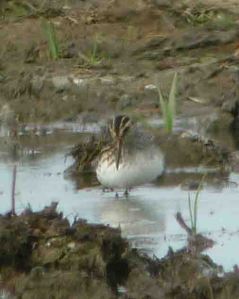
 15-31 January 2011 In pics…some fine birds noted, most of my birding has been at WWT. Jack Snipe, Water Pipit, Green-winged Teal, Lesser and Greater Scaups, a wintering Marsh Harrier, one day with a Hen Harrier, a male and female Merlin, Pink-footed Goose, Barnacle Goose and more reported species like Bittern, not bad.

Green-winged Teal among it’s mates
On the Top New Piece at WWT Slimbridge

The Lesser Scaup

Marsh Harrier over the Tack Piece

8-14 January 2011 The wetter warmer weather has restored the fantastic winter spectacle of sheer numbers of birds and variety at WWT. The ‘scaups’ are still attracting attention.

Lesser Scaup-first winter female

Greater Scaups-first winter males

Interesting Wigeon
A male with extensive green on the head (we have known these to be called as American) and a female with a white eye ring.

7 January 2011 A damp and grey day, no birding just catching up with some Anser office work and finalising things for the forthcoming book.

4-6 January 2011 More Lesser and Greater Scaup watching plus a few year birds added. The adult Pink-footed Goose remains among the White-fronts. The Coot are happy to run around on the swans backs at feeds!

3 January 2011 After much searching of the site NRS and I finally re-located the Lesser Scaup on the Centre Lake (old Big Pen) among the 300 Tufted Ducks. Also I nearly forgot the Waxwing that I saw and heard flying around the centre this morning!

First winter female Lesser Scaup WWT Slimbridge (First record for the reserve)

Closest bird is a captive adult female. The wild bird is top for comparison.

2 January 2011 The first winter female Lesser Scaup appeared on the Rushy again late afternoon today and was spotted by JSL and NW.

1 January 2011
Happy New Year and best birding to you all.

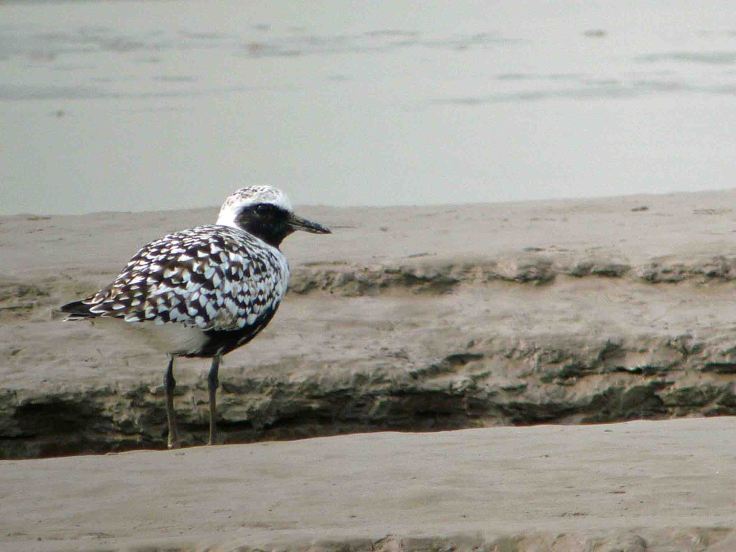
As I was visiting family in Bournemouth I spent just under an hour at the Sandbanks Ferry in Poole Harbour, Dorset today. Some great birds were viewable such as Great Northern Diver, 2 Eider, a Purple Sandpiper, 100+ Red-breasted Merganser, 30 Goldeneye, 40 DB Brents, Sanderling, Grey Plover, Black and Bar-tailed Godwits and more, a good start to the year.

The first winter female Lesser Scaup that I saw on the Rushy on 27 December 2010 and was glimpsed by JSL and MG (Martin Garner) on 30th but flew off and was seen on the South Lake on 1st by Chris Stone.

1-31 December 2010 blog and sightings

31 December 2010 A day off from WWT Slimbridge but I still have plenty to do on the laptop…….I hope you are catching up with any birds missed for a 2010 year list, if not get ready for 2011.

27-30 December 2010

A good week at WWT Slimbridge wth new arrivals and when the fog allowed views of the geese which revealed a few goodies such as two Greater Scaup, a second Pink-footed Goose, a Tundra Bean Goose and larger numbers of birds generally.

The less advanced moulting first winter male Greater Scaup.

26 December 2010 No sign of the Waxwings but at least one winter thrush remains.

Fieldfare

25 December 2010 HAPPY CHRISTMAS TO YOU ALL.

Christmas Day afternoon brought a trio of Waxwings to my home….


Brambling among the Chaffinches..

4-24 December 2010 A period of very cold weather and snow has much limited the birding. I have spent nearly all of my spare time ‘up to my eyes in it’ working on a book. The Reserve Christmas party on 22nd being a distraction from this, I was not really able to focus on anything the day after either. WWT Slimbridge is still producing the best local birding spectacle with increases in Bewick’s Swans and E White-fronted Geese especially. The best birding for me at work has been the the two Bitterns I saw flying around, one chasing the other. The finch flocks have been great as well, so nice to have so many on our ‘crop’.

The bird of the month has to be Waxwing, I bumped into a flock of 34 at the Eastington services roundabout (near M5 Junction 13) with JJS on one day as they dropped in to  grab some crab apples. Even better were the 33 that I saw at the Whitminster Village Hall.
Every journey I take sees me on Waxwing duty, scanning the treetops and berry bushes.

Having some time at home has also bee good to actually see what birds are using the feeders. I had a flock of 50+ Redwing on my apple trees, sliced apples speared onto a few shrubs. I have never seen them swarm like this as they are usually shy around my garden. A couple of Fieldfare, a Song Thrush, 5 Blackbirds, 2+ Blackcaps, female Brambling, 30 Chaffinch and a Reed Bunting have all joined the commoner species. Greenfinch is still notable by absence and not many Great Tits.

I popped out the other day to check out a report for someone and they were right, a pair of Goosander were on the canal at Frampton on Severn.
 3 December 2010 I was returning from the bank at 1100 ish when I saw a dumpy, starling sized, crested bird in the county recorders garden in Whitminster, I thought it to be a Waxwing.  A Crane was at WWT Slimbridge this afternoon (N Warren).

2 December 2010 A Spoonbill was around WWT Slimbridge this afternoon. 142 Bewick’s Swans recorded today.

Isles of Scilly, Champagne Lakes and North Norfolk trip reports now online.

1-30 November 2010 blog and sightings

 30 November 2010

The month ended with this Richard’s Pipit that JSL had found


Image by MJM

26-28 November 2010 I was guiding in Norfolk, a full trip report now on the relevant page. Lots of good birds but this putative Northern Harrier was one of the highlights.

Wigeon have been very showy on the WWT ‘lawns’

15-16 November 2010 Fogbound mornings allowed no birding.

14 November 2010 Back in Gloucestershire and at WWT Slimbridge. I did see and hear a Siberian Chiffchaff tristis well in the canoe trail as well as a possible abietinus bird and two collybitta Chiffs. The day was mostly fogbound.

Sibe Chiff

9-13 November 2010 I travelled to Champagne Ardennes region of France with a small group to watch the Cranes and other birds of Lac du Der. The 14th November 2010 count revealed 74,500 at the roost, a record! I reckon there were a few more on the 12th. A full trip report to come.

Short-eared and Barn Owl


8 November 2010 Highlights for me today was catching a Barn Owl in the Zeiss Hide, I released it safely, the Merlin hunting pipits on the Dumbles, watching White-fronted Geese arrive so we now have 53, a Little Stint, three Water Pipits together and a Short-eared Owl. Other locally notable birds were 2 Grey Plover and 4 Bar-tailed Godwit, will they spend the winter? A small fall of thrushes onto the Tack Piece hedge was also of interest, 6 Song Thrush, 5 Redwing, 20 Fieldare and 7 Blackbird.

Water Pipit trio

7 November 2010 A Leach’s Petrel was brought in dead having been found in the Bristol area by Mr Parry. A few images to study the plumage and tubenose for you. One was seen on the estuary near Awre on 4th and a Storm Petrel was off WWT on 6th. A Merlin showed all morning on the Dumbles and was still present at lunchtime.

2-6 November 2010 No birding except a few half hours at WWT.

1 November 2010 Back at work at WWT Slimbridge. An increase in wildfowl and Golden Plover 1400 and lots of visible migration. Parties and singles of Lesser Redpoll, Siskin, Brambling, Chaffinch, Linnet, Starling, Redwing and Fieldfare are all on the move. The Starling roost at the centre nubered 2000 birds and more were heading for WWT as I drove along the A38 home so it could be a decent build up of birds soon.

1-31 October 2010 blog and sightings

31 October 2010 A dreary start to the day turned into a pleasant autumn afternoon but I enjoyed a rest and the trees rather than birding, after all we still have November.

30 October 2010 We had a look around Loch Leven which had thousands of birds on offer, the Pinkfeet and Goosander in the sun were very nice, JJS saw a Snow Bunting in flight near Kirkgate cemetry. We packed up and headed for the Slamannan area an quickly located about 80 of the 227 strong flock of Taiga Bean Geese. These long-necked and rather lumbering birds can be very elusive and most of the this flock appeared to be over a rise out of view. Their long necks and bills, many with extensive orange/yellow were obvious and plenty had white feathering where the bill meets the head. It would seem that they are holding on in this area and it was a pleasure to see a flock like this. The Yare valley birds in Norfolk have been declining and are down to tens so this is the best that Britain has to offer. We also gained a brief view, before they sat down of what looked like 2 Tundra Bean Geese which made for a good comparison, great birding.

Taiga Bean Geese

29 October 2010 After the dissapointment of coming second in the local pub quiz the night before I was delighted to see about 50 Waxwing on the wayto Jers house it was also nice to see Pink-footed Geese flying around and landing next to the Travelodge where we were staying. We headed to Edinburgh for the day exploring the city including the Scottish National Gallery. Jeremy showed us all the best sites in the interesting city including one of his favourites.

28 October 2010 A showery start to the morning did not put off the flock of 160 Waxwing from stripping berries in the sun. JJS and I enjoyed on these birds a Kinross housing estate about half a mile from where he lives.

Waxwings in Kinross…

We also visited Tentsmuir forest and point. The forest meets a dune system and the sea which offers a shallow sandy beach ideal for the many loafing Seals. A Long-tailed Duck flew in to a pool nearby and groups of Red-breasted Mergansers, 3000-5000 Eider plus more were all present. We also heard a Lapland Bunting. The forest used to hold Capercaillie and still has Red Squirrel. Jeremy had work to get back to so we expored St Andrew’s. I spent a bit of time scoping the sea and had great views of 4 Long-tailed Duck, 20+ Velvet Scoter including a close imm/fem, 100 Common Scoter, 3 Red-breasted Merganser, 200 Eider, a Razorbill and an Arctic Skua chased Kittiwakes offshore.

Long-tailed Ducks

Velvet Scoter (left with a male Common Scoter)

26-27 October 2010 The weather improves today after a dark and overcast day yesterday. The country is being invaded by Waxwings, thousands have reached Scotland and have got as far South as Kent along the East coast. We may see them locally again this winter. I headed up to Scotland for a few days to visit Jeremy and explore some new sites for Anser trips and have a break with the family.

25 October 2010 A still, sunny and calm day, I spent the morning working on the feeding station where Bullfinch and 2 Redpoll were coming to the food and Coal Tit, Chiffchaff and a few Siskin were all present in the trees nearby. Some improvements to bird tables especially to try to attract large numbers of finches both at the willow plantation and Holden Tower should pull in Brambling among the Chaffinch but Greenfinch are also notable these days. The disease that has hit them hard has reduced the population. A good feeding station has always the chance of attracting something rare as well as supporting local and passage birds and I am always in hope of a scarce bunting or American Sparrow coming in to have a feed. Two new Bewick’s Swans arrived and we still held 17 E White-fronted Geese which favour the South Finger area. The Whooper Swan spent all day on the Rushy.

Bewick’s Swan on the Tack Piece

24 October 2010 A decent set of waders were about the Top New Piece at WWT including 6 Little Stint.

22 October 2010 The Am Wigeon was still present but since this date the Wigeon flock have been on the estuary during the day, this is due to in my opinion, the full moon and the fact they have fed all night and it is safer roosting out there in the day. It prevents the Peregrine from getting used to a routine and it acting as a turkey shoot.

21 October 2010 A quick check around the hides at WWT Slimbridge produced a female American Wigeon from the Zeiss Hide, I did not have the time to hang about and wait for it to flap. JSL is still on crutches and light duties so he staked the bird out and found on checking his HD video in the evening that he got the bird with a raised wing. This excellent footage and the stills clearly shows white axillaries (‘arm’pit or wing pit feathers).

  • It also shows a very grey head (with isolated dark mask around and behind eye),
  • greyish ‘shawl’ on the mantle and upper tail coverts and
  • a brighter isolated orange panel on the flanks.
  • I think the bill is brighter blue but this may be an illusion.

The bird drifted into the reedmace and out of view for me so this is the only image I can offer.

20 October 2010 A Tree Sparrow from the Holden Tower at WWT took me back to the days when we had up to 60 wintering here. It was so nice to hear it calling in the scrub and for it to show itself, fingers crossed that it may find the feeding station. Probably last seen here in the early nineties.

Tree Spug

19 October 2010 A Whooper Swan was with the three Bewick’s in the Rushy this morning but flew out toward the river. It was ringed at Welney in 2007. Also of note was a first winter Curlew Sandpiper on the Top New Piece. 

Whoop

18 October 2010 Our first Bewick’s Swans of the ‘winter’ arrived this morning. As I got out of the car a party of six dropped in to the Rushy but remained mobile, at least 8 were noted.

17 October 2010 My first Rock Pipit of the autumn for WWT today was notable.

15 October 2010 A Coal Tit in the garden was the first of the year for me.

14 October 2010 A day back in the tractor mowing at WWT, possibly two Whooper Swans called in today one ringed. I noted a pair of Stonechat, a Water or Rock Pipit, c20 Reed Bunting and flocks of Linnets, Chaffinch and Brambling and Redwing heading N along with 4 Swallows during the day.

8-13 October 2010 I was Cornwall and the Isles of Scilly with an Anser group, it was a great trip for birds and a full trip report is coming soon. 

Greenshank, juvenile at Lower Moors, St Mary’s

4-12 October 2010 The Marsh Harrier and Pectoral Sandpiper were the best birds around WWT from the tractor but large numbers of Ruff  21 and Grey Plover 50 were of note too.

Ruff, juvenile

Marsh Harrier, juvenile

3 October 2010 At WWT Slimbridge I spent most of the day tractor mowing the Dumbles. A quick hide round with MLK saw us noting plenty of duck, certainly an increase from last week. From the tractor today I saw a juvenile Marsh Harrier around Middle Point at 1325 when it drifted N toward Frampton, I saw it again at 1526 heading S along the Dumbles and again after 1600 on the ground feeding on carrion for at least half an hour. It drifted off toward Frampton again. I stopped a couple of times to scan waders on the estuary and 28 Grey Plover, 32 Ringed Plover, 1 Sanderling, 5 Curlew Sandpiper, 10+ Little Stint, 4 Knot, 8 Ruff with a juvenile Pectoral Sandpiper (saltmarsh) for ten minutes and 16+ Bar-tailed Godwit. Most of the waders were near the hide at Middle Point using the mud shelf.  A party of 20 Golden Plover were among the Lapwing for a while and 700 Wigeon plus the 2 White-fronted Geese were on the areas I have cut already and grazing happily. I flushed c20 Snipe with 19 flying over the Zeiss Hide in the morning and a single Jack Snipe flew a short distance back into cover. A Wheatear was also present and c15 Swallows. I also saw c25 Swallows in the village on the way home.

2 October 2010 DBP reports a Buff-breasted Sandpiper at WWT Slimbridge this morning. Viewable from the Holden Tower. I briefly saw the two Black Terns that Nick Goatman had found earlier today at Frampton Townfield Lake at dusk. c20 House Martin were still buzzing around home.

1 October 2010 No birding at all today.

1-30 September blog and sightings

28-30 September 2010 A good end to the month waderwise at WWT, a party of 25 Little Stint and 25 Grey Plover being notable for our area.

27 September 2010 Low cloud and a NW wind over WWT made for a dull miserable day but many new birds arrived, 22 Grey Plover, 16 Little Stint, a Curlew Sandpiper were among the many waders around the site. Many Swallows, c100 were noted heading North.

26 September 2010 At least 20 local House Martins were outside my home this morning for how much longer who knows…. Highlight of the day was seeing the Vulcan Bomber flying low over WWT Slimbridge, I was tipped off by NRS who had it fly over him whilst he was watching the Lapland Bunting at Saul Warth. It caused the bunting to run closer to him for protection! I called in on this bird on the way home and saw it as well as a Wheatear.

Lapland Bunting, Saul Warth MJM

Vulcan A common sight for me as a child as I went to primary school at the end of Filton Airport runway.


25 September 2010
A visit to Legoland did not raise any hopes of getting any birding done but I did see a fellow birder and what appeared to be a Turtle Dove?

22 September 2010 I flushed my first Jack Snipe of the autumn today whilst tractor mowing. Other birds of note include 3 Grey Plover, 3 Golden Plover, the 20 or so Bar-tailed Godwits and 3 Yellow Wagtail. the wags are now very yellow having completed moult from juvenile to first winter. I am seeing lots of Small Copper butterflies and c150 Migrant Hawker dragonflies around the reserve at present.

19-21 September 2010 Still plenty of birds around WWT to keep us all interested. Nice to watch the Pectoral Sandpipers although there was only one on 21st when I checked. Up to 8 Little Stint and 2 Curlew Sandpipers among many more species of wader.

This pairing of Lesser Black-backed and Herring Gull was productive. They had a juvenile begging from them on the South Lake and the adults were pair bonding and displaying to each other.


Juvenile Herring x Lesser Black-backed Gull, South Lake

16-18 September 2010 For the Anser cricket enthusiasts…I was on tour to Cornwall and Devon with Whitminster CC.  Despite there being some good birds around I never found the time what with playing cricket and ‘socialising’. I took a wicket for 12 runs in the 20/20 and made a total of four runs from eight balls (bowled out in 19.4 over) trying to hit over being yorked. The 35 over game on Sunday at Nomansland I opened the bowling, bowled six overs, 1 maiden, 2 wickets for 19 runs and made one off six balls faced in last two overs.

15-16 September 2010 At WWT there are still many migrants around, I am seeing up to 15 Yellow Wagtails among the cattle and the waders are still with us, five Little Stint, 19 Curlew Sandpiper, 30 Bar-tailed Godwit and a few others are still around the WWT scrapes. Having looked over both my lunchtimes the Pectoral Sandpiper appeared again on the Top New Piece and could be seen from the Zeiss Hide. It is mobile and was seen heading out toward the estuary again. My top tip would be to stake out the Zeiss Hide an hour before to an hour after high tide to improve your chances. As ever when a bird flies all the way from Arctic Canada to us, it is rude not to go and say hello.

14 September 2010 A slight change in wader numbers and their behaviour today, the scrapes were slightly quieter with many of them preferring the estuary saltmarsh. Constant attention from raptors, the strong winds and the fact that the Dumbles and saltmarsh are now providing perfect feeding conditions thanks to the high tide flooding last weekend mean they are more mobile. The first bird I clapped eyes on this morning from the Holden Tower was a juvenile Pectoral Sandpiper, it is in the company of Lapwing which are up and down like a yo-yo and move large distances about the reserve in the flick of a wing. It gave me the run around for a while but at lunchtime a search of the area found it commuting between the flooded grassland areas to roost and the saltmarsh to feed. Good views were obtained and the call heard etc etc. Pic below. I had a great count of 43 Bar-tailed Godwit -yesterday.

Pec Sand juvenile

Some of my images of the recent/current waderfest….

Curlew Sandpiper juvenile

Little Stint juvenile

Ringed Plover juvenile

Wood Sandpiper juvenile

Northern Wheatear first winter with ‘Issabelline Wheatear like’ black alula

13 September 2010 Still plenty of birds at WWT but the Phalarope and Black Tern have moved on.

12 September 2010 I saw 92 species of bird at WWT Slimbridge today between 0700-1700.

11 September 2010 A walk around Frampton Townfield Lake with my children was not only productive for stone skimming but an adult and juvenile Black Tern, 4 Yellow Wagtail and a few Garden Warblers. There were two Ospreys around but I did not see either.

5-10 September 2010 An absolutely bird packed period and all at WWT Slimbridge, when I get a chance I will have to tell all with images as I have seen so much lately I cannot keep up with writing about it. Look on the WWT site for full details of what is around. I logged 88 species of bird by midday at WWT on 10th.

White Wagtail juvenile


4 September 2010 A Chiffchaff in the garden is always nice. JSL reports a Wood Sandpiper, two Avocet and the Red-necked Phalarope at WWT today.

3 September 2010 A juvenile Yellow Wagtail was perched in the willow in the next door garden this morning before flying low across my garden, I have seen lots in recent weeks around my home. A roost of 150 hirundines included Sand Martins in the maize crop at the back of my house in the evening. I also have them perched on wires during the day over the garden.

I was busy doing various weekly things but got away for a few hours to the Forest of Dean to try to photograph drags in flight. I logged two Raven, a male Redstart, a Tree Pipit over calling, c60 Siskin and a Nuthatch but the Black Darters and Common Hawkers were the highlight when the sun shone. Common Darters, Emerald Damselflies and Southern Hawkers were also present. A very relaxing way to while away a couple of hours. Not sure if it best to publish this site as these species are scarce in Glos and need all the help they can get to conserve them. I had a Black Darter resting on my hood and a female Common Hawker on my arm at one point!

Southern Hawker (male)

Black Darter (male)

2 September 2010 Still lots of migrants around, a Spotted Flycatcher included.

Spot  Fly

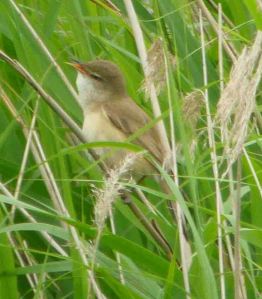
1 September 2010 An early start to check hedges for migrants and turned up a large number of passerines, whilst checking out one area out for a work party the next day I spotted a passerine flying toward me along the ditch which I suspected of being an Aquatic Warbler. It showed a few times on the edge of the ditch and gave me some scope views and I got some images. I had to share my scope with JSL who also got some good views of the bird. It was moving along the ditch and after seeing it about four more times went into bullrush, we did not see it for an hour after or during a search at 1310-1400 but did see it at dusk. A decent fall had taken place as we logged 27 Sedge Warbler as well as Reed Warblers feeding young. A male Redstart was also a nice addition. The Red-necked Phalarope was still present.

Aquatic Warbler


Red-necked Phal

Look at August for more late posted images…

1-31 August 2010 Blog and sightings

27-31 August 2010 Lots of new birds around WWT, I will have to update the images when I get a chance. Best birds have been the Curlew Sandpipers (up to 15 juveniles) , a Redstart, the high tide waders including juvenile Knot, a Merlin that was hunting the high tide waders and a juvenile Red-necked Phalarope. All of them are pictured above/below.

26 August 2010 Thirteen mostly breeding plumaged Bar-tailed Godwits, six Knot, three juvenile Ruff and the adult Little Stint were wader highlights, the Little-ringed Plover commutes between the estuary mud and the Rushy. A second summer Common Tern was around at high tide. Six Wheatear were logged too.

25 August 2010 Still lots of waders about, new birds include a juvenile Little-ringed Plover in the Rushy, an adult and two juvenile Little Stint.

24 August 2010  Went in to work early with JSL to try to count some of the birds which are around in high numbers, with Gord Youdale counting the scrapes we had a good haul, it was a good move we logged a minimum of 126 Yellow Wagtail, 703 Ringed Plover and 900 Dunlin plus a total of 19 species of wader. The first juvenile Golden Plover was ‘in’ today. In the Rushy this afternoon were we are all busy on various improvements to the lake we had the usual daily flock of Yellow Wagtail around the digger etc, in fact all three wagtail sp are seen daily here, up to 60 Black-tailed Godwit feeding in the shallows and a juvenile Whimbrel over.

Little Stint-first juvenile of the year

Knot and Dunlin

Adult Turnstone (moulting)

Yellow Wagtail at WWT Slimbridge
With what could be over 100 present this morning it will long live in my memory that August 2010 has been the best I have ever known for this species locally.

22-23 August 2010 Back at WWT Slimbridge and plenty to write about, all sightings are on the WWT website. I find it very pleasing to look through a thousand waders that are on the estuary due to the heavy rains, 380 Ringed Plover, 550 Dunlin, 50 Sanderling, 7 Knot and single adult Turnstone, first-summer Bar-tailed Godwit, adult Golden Plover, juv Common Sandpiper,  4 Greenshank plus the other waders on the scrapes. Nick Goatman reports 4 Arctic Terns on Frampton Townfield Lake. Also very large numbers of passerines, warblers and especially Yellow Wagtail, I reckon there are over 100 on the reserve and am seeing and hearing them all day long (when not on or in machinery). I had three Whinchat and 5 Wheatear yesterday.

19-21 August 2010 A weekend in Bournemouth, the Friday afternoon was spent at Studland where I went for a walk for 1.5 hours on the slopes of Ballard Down. Perhaps as many as 1000 Adonis Blue Butterflies were on show as well as Brown Argus and Chalkhill Blues. Nice to see and hear Sandwich Terns from the sister in laws porch!


9-18 August 2010 A few birding sessions at work and a bit of dragonfly watching, the highlights are in images. Three Spotted Flycatcher were at the Tack Piece hedge on the 15th.

Buzzard i.d….could be useful as now is the time for Honey’s passing through
First one a WWT Slimbridge Common Buzzard the second a Honey Buzzard in Corsica.


1-8 August 2010 Corsica trip with the family, a full trip report is on the relevant page.

1-31 July 2010 blog and sightings

1-8 August 2010 I was in Corsica for the week, trip  report to follow soon…

31 July 2010 A day trip to the New Forest. See the trip report.

28 July 2010 A pair of Southern Hawker were along the back of the South Lake.

27 July 2010 JSL and I had at least 45 Yellow Wagtail feeding among the cattle on the Dumbles at WWT Slimbridge.

Common Tern see below

25 July 2010 At WWT Slimbridge I had a darvic ringed second summer Mediterranean Gull in the morning gull roost, I will follow up the sighting and report back. Plenty of waders still about the scrapes with two Sanderling seen on the morning tide and three in the evening, an adult Turnstone, a Whimbrel and five Ringed Plover were also added to the list. The evening gull special produced a juvenile and adult breeding Mediterranean Gull and c25 adult Yellow legged Gulls. RGB reported a fem/imm Marsh Harrier around the 100 Acre from 0800 and I saw it cruise down the estuary and Dumbles from 0905-0920 where it flushed pretty much everything it flew over. A roost of c40 Yellow Wagtails was very much of note, we saw 17 chasing a Kestrel. I caught and released a Common Tern that was entagled in the 100 Acre early evening whilst checking the colony.

24 July 2010 No birding.

‘Green Sand’
The last week of July usually sees the peak counts of this bird around the WWT scrapes with figures of over 30 not uncommon, a highly mobile bird which makes a bike and decent pedalling speed crucial for attaining an accurate count.

17-23 July 2010 The only birding I have managed has been at WWT Slimbridge where passage waders continue to arrive around the scrapes. On 21st I had three Greenshank, 2 Ruff, 44 Dunlin including two juveniles ( I had my first juv on 18th), five Little ringed Plover, 11 Green Sandpiper and 40 Lapwing all on the Top New Piece alone. A flock of up to 44 Black-tailed Godwit, 20 Redshank and a few Common Sandpipers have also been around. As for returning passage birds a Ringed Plover on 18/19th and  two Snipe on the 22nd were a sign of things to come. I discovered a second Emerald Damselfly on the reserve on the 19th.

16 July 2010 No birding just limping but I had heard that P. Taylor scored with a Storm Petrel on the Severn.

15 July 2010 A very gusty day on the Severn, despite a few birders watching over it not seabirds were noted. 91 Dunlin, 6 Little ringed Plover, a Greenshank, 40 Black-tailed Godwit were the best I could muster. I did spend the night and most of the day in pain with the damaged nerve endings in my foot ‘erupting’ from 0230 in the morning, the sheer delight of having a steroid injection directly into them woke me up though.

14 July 2010 Still a good set of waders around the WWT scrapes and Whimbrel on the estuary. A or the Grasshopper Warbler I had yesterday was reeling at Middle Point.

Ruff two males moulting out of breeding plumage. One of these individuals returns to moult here every year for the last 4/5 years. Also a Redshank in the same image, a juvenile was present at the South Lake this afternoon.

13 July 2010 Best birds logged for me were two Ruff, two Greenshank, 2 Whimbrel, 2 Common Sandpiper, 44 Black-tailed Godwit and a reeling Grasshopper Warbler.

12 July 2010 Highlight of the day was my first Emerald Damselfly for the reserve, possibly a first site record? This was a female.

11 July 2010 A good selection of waders around the WWT scrapes and a decent set of dragonflies seen on the safaris including 2 Scarce Chasers.

10 July 2010 A day at the cricket watching England v Bangladesh. A Common Blue Damselfly landed on my Harriet’s hand whilst watching the game.

Yardy bowls, Anderson fields..

Three ex-England captains…

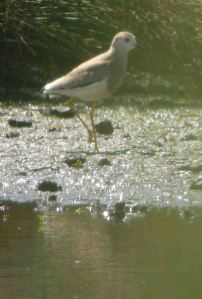
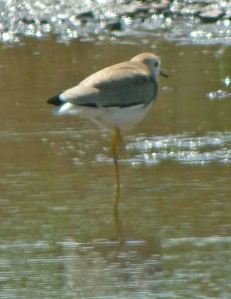
9 July 2010  A White-tailed Lapwing turned up at WWT Slimbridge, I was called by Dave Paynter to say a visitor had got some video (Mr Giles Diggle) of this bird but when he looked for it had gone from the scrape. Dave was busy with a safari for the Slimbridge school group so I went in to try to relocate it along with Rich Hearn who was looking at South Lake, I  checked all the possible areas and eventually found it on the Top New Piece. The school kids all added this bird to their lifelists and were impressed. This constitutes a first for Gloucestershire and Slimbridge. These images are affected by heat haze and looking through vegetation.

White-tailed Lapwing


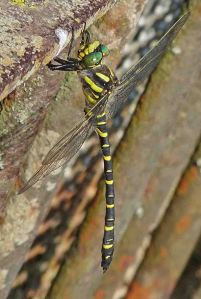
8 July 2010 A full day out with JJS in Berkshire and Surrey looking for dragonflies and butterflies. We had a good time of it with 7 Downy Emeralds, Golden ringed, Emperor, Black-tailed Skimmer, Broad bodied Chaser, Keeled Skimmer, Black, Ruddy and Common Darters, Brown Hawker and Emerald, Common Blue, Azure and Large Red Damselflies.

Downy Emerald, Paice’s Wood, Berkshire.

Keeled Skimmer, male.

6-7 July 2010 Up to 15 Green Sandpipers at WWT.

5 July 2010 Back at WWT Slimbridge..more arrivals of post breeding waders, pick was a juvenile Little-ringed Plover on South Lake.

2-4 July 2010 Got back from Madeira at 0100 and was up for 0545 for a trip to Pembrokeshire and Skomer Island, the trip report and images on the trip report page.

1 July 2010 My last day in Madeira was spent aboard the Ventura do Mar, we had a brilliant pelagic, probably the best I have ever been on! Trip report and images on the relevant page.

1-30 June 2010 blog and sightings

28-30 June 2010 Flew to Madeira during the afternoon and was on a boat and sailing out to sea by the evening. A repeat of last years trip for seabirds and endemics, full trip report soon.

Bulwer’s at sea

28 June 2010 Out at WWT by 0600 where the insects were flying again this early in the morning. A flock of 14 Black-tailed Godwit and 48 Redshank were on the South Lake, there were 80 of the latter yesterday. Another post breeding flock of 120 Lapwing were gathered on the Top New Piece. Last night we had a Buff Ermine Moth in the bathroom with a Dark Arches the night before.

27 June 2010 The heatwave continues, WWT was becoming ever quieter as the afternoon approached, an exodus from midday with World Cup interest kicking in. The car park was very quiet by 1500 but was it worth it? A splendid day for insects at WWT, 2 Painted Ladies and 15 dragonfly and damselfly species noted with Hairy Dragonfly still on the wing. Still more birds arriving on site but nothing out of the ordinary.

26 June 2010 An afternoon in the Forest of Dean again with the family, we found a Silver-washed Fritillary, four Golden-ringed Dragonflies and noted plenty of Siskin about the Cannop Valley.

25 June 2010 A few hours in the Forest of Dean to have a break from the PC was well worth it, lots of dragonflies including my first Downy Emerald and Emerald Damselflies of the year.

22-24 June 2010 The scorching summer weather is so good for insect watching, I have loved seeing so many dragonflies and butterflies on the wing. On the 23rd a Breeding wader Survey produce 6 pairs of Redshank with young in the 100 Acre, a Snipe, two broods of Yellow Wagtail, 4 Scarce Chasers in new areas and lots of drags and damsels, at least 3000 Blue-tailed Damselfly noted. On 24th I was involved in a team effort at WWT to ring the Black-headed Gulls on the South Lake. 34 were marked many with darvics.

21 June 2010 Midsummers day at WWT, the Marsh Harrier showed well on my evening safari and appears to be moulting the crown rapidly. It was around the 100 Acre again along with 4 Scarce Chasers. A very warm evening. I had a Marbled White in the Green Lane.

Marsh Harrier, WWT

20 June 2010 A Scarce Chaser in the 100 Acre again.

15-19 June 2010 Away on an Anser trip to Northumberland for four nights and Upper Teesdale on the way home. A full trip report available soon but a few images for now.

The Straw’s Bridge, Derbyshire Great Reed Warbler performed very well.

As eventually did the Saltholme RSPB Broad-billed Sandpiper.

A couple of good birds to break up the journey but our main point of focus was of course seabirds.

13 June 2010 Some birds increasing as they return to the WWT reserve eg Teal and Curlew but still fairly quiet. A Grasshopper Warbler was in full song at Middle Point. The Marsh Harrier  I saw on the 10th was back over the 100 Acre/50 Acre/Bull Ground this afternoon. A very interesting bird. My first WWT reserve male Scarce Chaser of the year was also in the 100 Acre.

Marsh Harrier probably a first summer male, WWT 100 Acre. Taken from the viewing platform with Panasonic Lumix DMC FS7 and Swarovski HD 65, x20-60 scope MJM.

The greyish feathering moulting through on the upperwing and rump indicates a male, it lacks much in the way of a cream crown only flecks of it showing. It does give the appearance of having a white rump which is misleading. We just do not see enough of these in Glos to become experts on ageing, this of course may change with potential colonisation of our county.


Gropper

11-12 June 2010 No birding.

10 June 2010 Whilst mowing a few parts of the Bull Ground field/marsh at WWT I saw a bird move near to the tractor, I got out thinking it is very late for a Jack Snipe when a Quail popped up and flew across the field calling. I also noted a brood of Shoveler with 9 in tow, two broods of Yellow Wagtail, two broods of Skylark and a Marsh Harrier flew through aftre quartering the fields, see 13 June for pics. A Green Sandpiper on the Tack Piece was the first returning bird of the autumn passage for me.

A Quail….honest.

Juvenile Yellow Wag

Female Shoveler and ducklings


9 June 2010 Was slightly gutted about missing a WWT reserve first….a male Velvet Scoter on the estuary from 0550-0620. A Spoonbill was reported as well at 1000 and a Cattle Egret during the middle of the day. I saw this bird in flight at the BNP from the Holden Tower with Gordon Youdale at c1415 but it was heading toward the canal from the cattle herd. We have not seen it since but it has many herds to choose from locally, a birder with time could probably locate it in a thorough search of the area.

8 June 2010 A Greenshank, 5 Grey Plover and small flocks of Dunlin and Ringed Plover were notable for June. LPA saw a Little Stint and 2 Whimbrel also.

6-7 June 2010 No birding.

5 June 2010 A stroll through Nagshead RSPB was a nice way to while away a couple of hours. Apart from spending time with  my wife, a few pairs of Pied Flycatchers feeding young, singing Wood Warbler, 2 Broad bodied Chasers and an Emperor emerging from the pond were the highlights. Nearby we watched Small Pearl bordered Fritillaries, a Dingy Skipper and Four spot and Broad Bodied Chasers at the Parkend/New Fancy View junction.

SPBFrit in the FOD.


4 June 2010 I got married to my partner who is now Mrs Harriet McGill. A wonderful day for both of us and so great to see so many family in friends together at once! An evening stroll from our hotel in Aylburton, Glos up a country lane was a fine reminder of what English summer evenings can be like. Lots of bats, screaming Swifts c30 and nectar feeding moths everywhere, very nice.

3 June 2010 Held off from birding today as I was so busy but had to fold late afternoon to dash to Blorenge in Wales for a Marmora’s Warbler, all very last minute and on a tight time shedule but bagged this fine little bird nonetheless. It is still present at the time of writing (13th June). What was as impressive was the high concentration of territorial Whinchats, calling Red Grouse, Stonechats, lots of passerines, Ravens and more. A good place allround.

Club-tailed Dragonfly Gomphus vulgatissimus

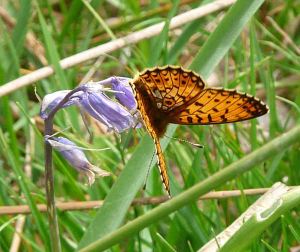
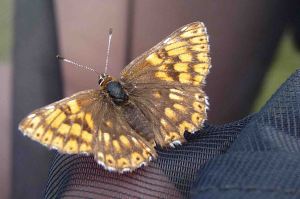
Duke of Burgundy


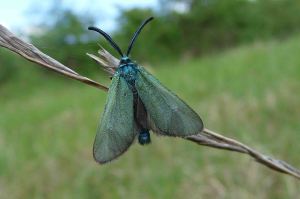
Forester Moth

2 June 2010 A visit to the Mythe at Tewkesbury where JJS and I logged an Emperor, 50 Red-eyed Damselflies, 5 White-legged, Blue-tailed, Common Blue, 50+ Banded Demoiselle damselflies, 3 Club-tailed Dragonfly, 2 Scarce Chasers (males), and three Black-tailed Skimmers. We also had a Kingfisher here and Curlew calling. An hour spent at the Prestbury Butterfly Reserve, Cleeve Hill gave us 2 Duke of Burgundy butterflies, a Forester Moth three Tree Pipits and 4 Yellowhammer.

1 June 2010 No wildlife watching today.

1-31 May 2010 blog and sightings

29-31 May 2010 A quieter end to the month.

24-28 May 2010 Highlights of this period in my images…

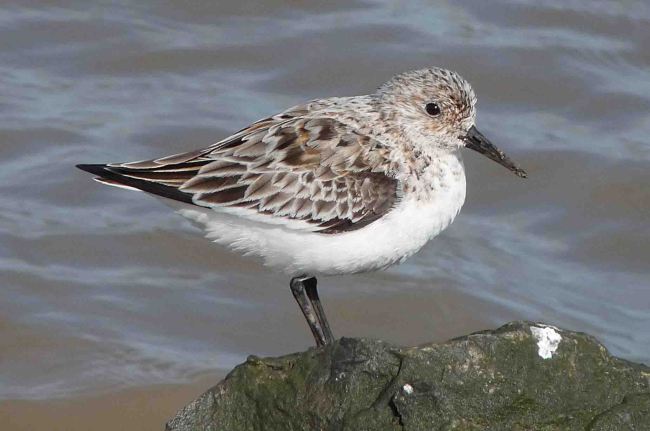
Sanderling on the Severn, gorgeous birds and moment like these are what fire me up for birding. Still plenty more time to catch up with flocks as the first week of June is a great time to see them in such plumages.

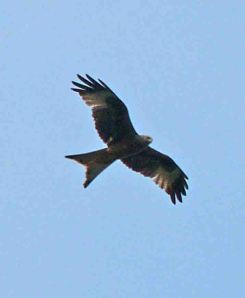
The 25th May was memorable for Red Kites. I picked up two birds at c830 lifting from near the canal, they soared across the reserve heading SW. At 0900 another bird lifted and flew low over ahead very slowly toward Saul Warth, N and at 1215 ish JSL and I were knocking in fenceposts when 5 cruised across the reserve low heading NE. I was phoned about another Kite on 26th which was also a Red, this time it lingered over the 100 Acre and Frampton before heading low toward Whitminster. A purple patch and record breaking numbers.

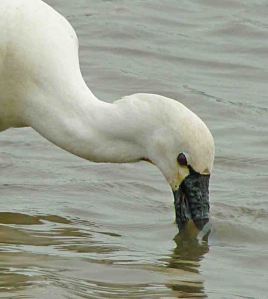
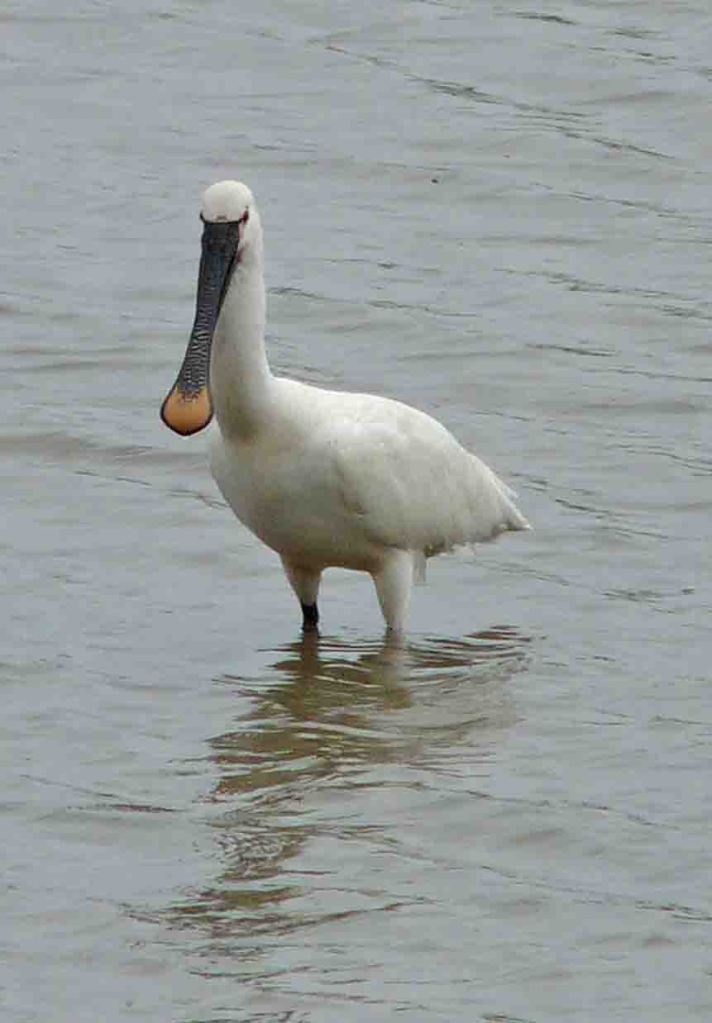
This was the first Spoonbill, I found a second, this time a first summer on 25th, it still remains at WWT.

This falcon sp has been causing problems to our breeding birds all Spring, namely by eating them!

Yellow Wagtail. Absolutley delighted to see this species respond to improvements to the reserve, we have four territorial males plus I saw a singing bird at Saul Warth in the week also. The local crops, particularly Rape is holding pairs too.

I watched a Little Gull fly in from the estuary on the 24th and it has been present to 27th at least. It is usually fly catching over the reedbeds or picking shrimp on the estuary pools at low tide from Middle Point, this demonstrates how adaptable to ever changing feeding conditions and habitats the smaller gulls are, being in the right place at the right times to take energy on board.

23 May 2010 The hot weather was again a bonus, I saw my first Broad-bodied Chaser and Black-tailed Skimmer today plus 2 Four spot Chaser, 3 Hairy Dragonflies, a Common Blue Damselfly, 200 Azure Damsels, 30 Large Reds and 100 Blue tailed Damselflies. My first Painted Lady of the year, 5 Brimstone and Common Blues mating all at WWT. The estuary provided new birds with 7 Grey Plover, 8 Sanderling, 150 Ringed Plover, 100 Dunlin, a Red Knot, 1 Barwit, 7 Whimbrel and 9 Curlew.

21-22 May 2010 No birding at all but what great weather.

20 May 2010 My first Four spot Chaser in the Green Lane, 2000 Azure Damselflies noted around the 100 Acre plus 30 Large Red, 20 Blue-tailed and 2 Hairy Dragonflies also in the Green Lane. The Spoonbill flew over us whilst we enjoyed a WWT restaurant coffee at 1030, it was on the Top New Piece at 1100-1145 at least. Three Whimbrel remained off Middle Point but only 21 Ringed Plover and 30 Dunlin were left from yesterdays little fall.

19 May 2010 The Spoonbill and Little Egret gave great views as they fed in the shallows of the Tack Piece scrape today. Some new arrivals on the estuary..1 Grey Plover, 3 Whimbrel, 130 Dunlin, 65 Ringed Plover, 7 Sanderling and four Bar-tailed Godwit.

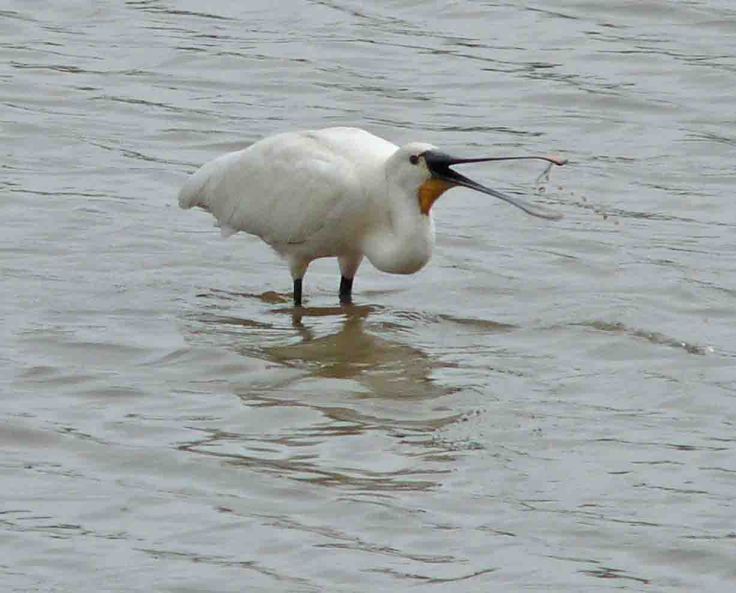
A nice Spooner…

and its fishing buddy…

18 May 2010 I led a Landrover based photo safari at work, great weather for it and a handful of migrants still around. The Brown Hares x4  performed well. A female Wheatear was still with us. A Hairy Dragonfly was in the 100 Acre. The Leeser Whitethroat at the Holden Tower was still showing very well, the showiest one I have ever seen.

Lesser throat


17 May 2010 Fairly quiet at WWT.

16 May 2010 A day off from WWT.

15 May 2010 I woke today to hear Lesser Whitetroat singing near the garden.

14 May 2010 Time for a new bird….I left home at 0500 with JSL and NRS to travel to Lincolnshire for Britain’s 7th Oriental Pratincole. We did see it hawking over fields and roosting out of the breezy wind on the islands of the marsh. The site is the RSPB’s Frampton Marsh. I went to this site about 18 years ago and saw 5 Lapland Buntings but it has changed very much for the better. Huge areas of marshes have attracted a great variety of birds. Avocets with young, Corn Buntings, Yellow Wagtails, 5 Curlew Sandpiper, Turnstone, Greenshank, Ruff, Black-tailed Godwit and breeding Little ringed Plover were among the Dunlin and Ringed Plover. Two first summer Little Gulls and flocks of Dark bellied Brent Geese, perhaps 120 overall once again show that these birds stay very late into the Spring, I have seen them in East Anglia and Gloucestershire in May and June on many occasions. All these birds made for a decent birding visit. I recommend this site to anyone. We headed home and got back for a large coffee at 2.45pm.

It is there I swear, Oriental Prat…

13 May 2010 A very busy day at WWT Slimbridge, I went in very early and met up with JSL to take advantage of the calm, sunny morning and watch the Middle Point waders. As we thought they were all feeding on the mud and as the tide came in we started digiscoping them. The Curlew Sandpiper from yesterday was still present with the Dunlin and Ringed Plover flock. A Turnstone and 9 Sanderling also looked brilliant in breeding plumages.

Ringer and Temminck’s

Sanderling and Curlew Sand


A nice group of waders

Grey Plover (what a stunner) and Turnstone


More Ringed Plover…

‘Grey Plover, Grey Plover’ (so good I showed it twice)

We all spent the day looking after guests on a BBC Wildlife readers day and I was tasked with tractor safari’s to the 100 Acre reedbeds and marshes. In the morning I was working with Dominic Couzens from Birdwatching magazine and the afternoon with the One Show’s Mike Dilger. It was all good fun, both were great company and a fine day to be out looking at wildlife. A Goshawk was one of the first birds of the session! Soon after we were watching the first Red-legged Partridges of the year for the reserve, no doubt wanderers from a release pen. They were eating dandelion heads. Up to three Grass Snakes, 2 Hairy Dragonfly (first of the year), Red Eyed Damseflies (first of the year) and great all round birding topped off by Water Rail with chicks made the safaris succesfull. A late finish and I was ready for an early night…

Mike in action with a Grass Snake

12 May 2010 I had a look on the estuary this morning where a Common Sandpiper, Curlew Sandpiper (in breeding plumage), 8 Sanderling, 3 Turnstone, 1 Bar-tailed Godwit and three Grey Plover were all on the mud off Middle Point.

11 May 2010 I was still seeing new migrants at WWT today, two Grey Plover including a stunning breeding plumaged bird off Middle Point, 1 Greenshank on the sands, 7 Sanderling, 1 Whimbrel, 80 Dunlin and 65 Ringed Plover. A female Whinchat was in the Bull Ground too. On the scrapes I noted 4 Black-tailed Godwit, Little ringed Plover and a Greenshank.

Whinchat, female 100 Acre.

10 May 2010 At WWT the Hobby was showing well over the 100 Acre no doubt eating some of the many Large Red Damselfly (c50) and Blue tailed and Common Blue Damselflies. A Common Sandpiper from the Holden Tower was of note.

First summer Mediterranean Gull, 1oo Acre platform

9 May 2010 I was in at 0430 for a cold dawn chorus at WWT, we managed to hear/see nearly all the territorial songsters but migrants were quiet. On the safaris the highlight was 5 Arctic Terns upriver in the afternoon but six Whinchat in the morning was a Spring record for me locally. Four were males and one was in absolutley stunning plumage.

8 May 2010 I woke in the Forest fo Dean having camped out with my good friends, I missed the Dawn chorus as we stayed up until 0400 and promptly fell asleep when the first Robins started!

5 May 2010 Highlight of the day was locating a female Red-breasted Merganser way out on the estuary, it was roosting on an Oxbow at low tide.

RB Merg


4th May 2010 Highlight was seeing Little Tern head upriver in the morning, it plunged dived a couple of times but carried on upriver.

2 May 2010 NRS and I had an adult Kittiwake, probably the same as yesterday went through N upriver past WWT.

1 May 2010 A 12 hour attempt to record 100 species of bird at WWT Slimbridge was a big ask but we managed 92 on the day. A good effort. Most unexpected birds were two Sandwich Terns and an adult Kittiwake. Most popular was a Cuckoo see below for a pic of the bird.

1-27 April 2010 sightings and blog

Happy Birthday to Mike King today….

27 April 2010 New birds at WWT today included more Sedge (min 50 on site) and Reed (min 34 on site), a couple more Lesser Whitethroat (6 singers) and Common Whitethroat (5 singers), a near full breeding plumaged Spotted Redshank, a Greenshank, a Common Sandpiper and three Grasshopper Warbler continue to sing on site. A Red-breasted Merganser was seen on the estuary where my personal highlights were seeing 2 Coot ‘out there’ which is unusual and very scoteresque in the fog! Also 9 Whimbrel of which 8 in two parties of 4 flew inland toward the village to feed, they did this last year. A total of 11 Dunlin were also noted, very low. JSL had a female Redstart at the Knott Hide.

26 April 2010 A slightly quieter day for migrants but lots of territorial/singing birds around. A Grey Plover and 16 Dunlin was all on the river which has been rather quiet so far.

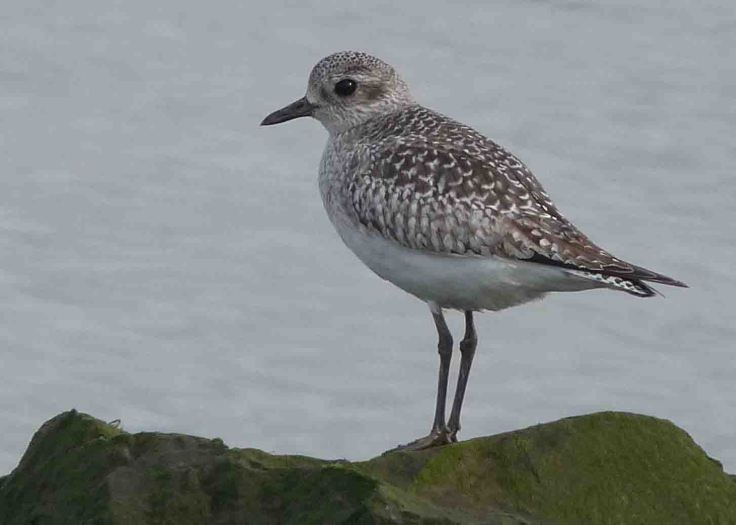
Grey Plover first summer on the Severn
Hobby, a pair were present around the WWT, 100 Acre also today.
Spotted Crake at the Robbie Garnett Hide, WWT Slimbridge MJM
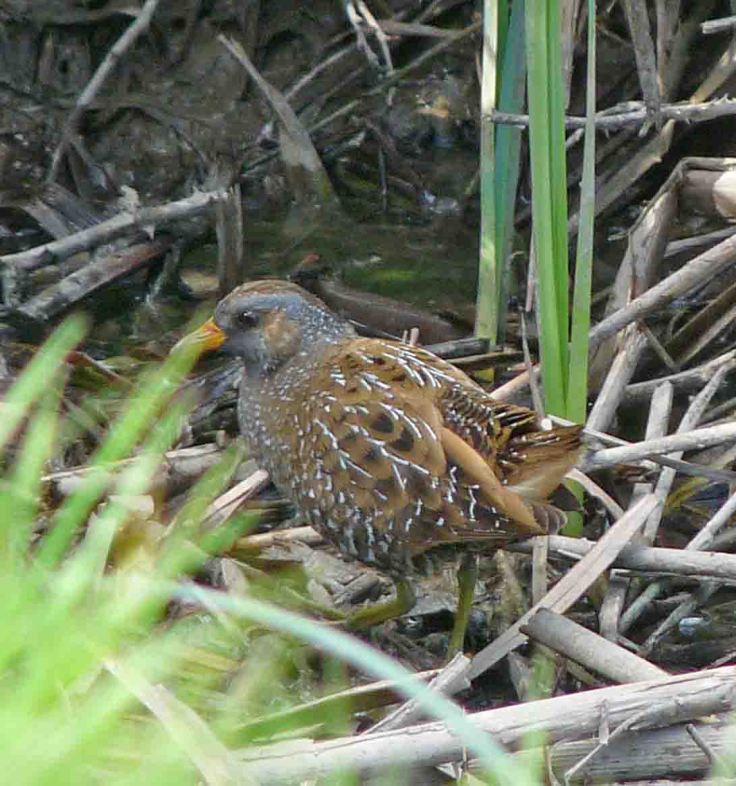
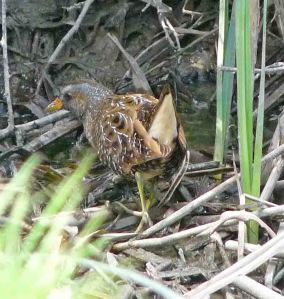
25 April 2010 Yet another good day at WWT Slimbridge. Plenty more migrants around with a Spotted Crake showing well at the Robbie Garnett Hide,  Bob Evans was in the hide and co-found this bird, he deserves it with the patience he shows trying to photograph the different birds around the reserve. I saw my first Hobby of the year, I actually heard its wings first as it swooped after a Swallow over my head! My first Whinchat, a fine male, my first Swifts, up to 20 around the 100 Acre and my first Common Tern of the year. Other migrants were…at least two White Wagtail N, at least three Yellow Wagtail N, 9 Whimbrel in the 100 Acre this evening, 38 Dunlin and a Ringed Plover on the estuary, four singing Lesser Whitethroat, four singing Common Whitethroat and two more migrants, 7 Wheatear including a very grey female, a Little ringed Plover, two ‘reeling’ Grasshopper Warblers at Middle Point, up to 20 Black-tailed Godwit, a Common Sandpiper, 2 Ruff, plenty of displaying Redshank and Lapwing, 10 Sand Martin,  and 3 Brown Hare.
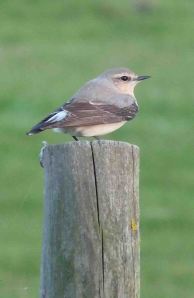
24 April 2010 No real birding but I did see c20 Golden Plover flying around the fields at Bisley above Stroud. I was dying to check them for Dotterel but was fielding in a Cricket match and had to leave it!

23 April 2010 A very warm day in Whitminster, five species of butterfly in the garden including Orange Tip and Brimstone and Common Whitethroat singing across the road. I am pleased to see a Blackbird sitting in a newly built nest in my back garden.

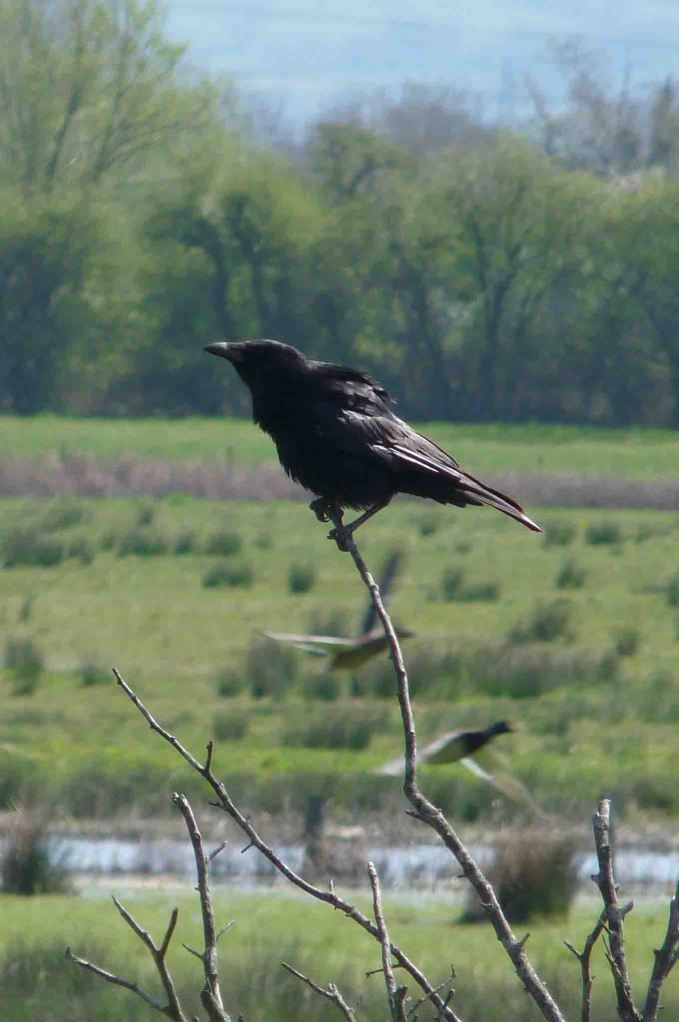
Carrion Crow
22 April 2010 My birding highlights at WWT were a pair of Ruff, 7 Dunlin, three Grasshopper Warbler including 2  reeling near the East platform in the 100 Acre. We actually had 5 in the area, one at the Holden Tower, one near Middle Point and another near the Tudor Arms. 20 Sedge Warbler, 2 Common Whitethroat and 6 Reed Warbler were also of note.

21 April 2010 I was up and out early for a Breeding Wader Survey of Saul Warth and other sites. It was still frosty so I waited 1.5 hours for it to warm up a bit before starting. A male Garganey, 21 Whimbrel, 5 Curlew and a pair of Oystercatcher were the pick of the birds. Between Wickster’s Brook and the R Cam Pumping station whilst looking for nesting waders I flushed a Grasshopper Warbler at my feet which flew up and perched in the hedge.

‘Pied Flicker’ WWT
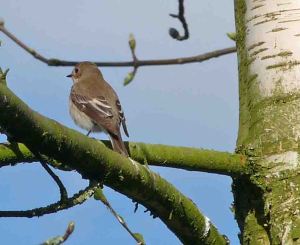
20 April 2010 A few more migrants arrived at WWT today, I saw/heard three Lesser Whitethroat, my first Common Whitethroat of the year, a male and female Ruff, 2 Dunlin, a White Wagtail, three Wheatear, three Yellow Wagtail, a few House Martins, 40 Swallow and more. Highlight of the day was a female Pied Flycatcher that JSL found in the canoe trail willows. I will post some images of it next time I log in but better ones can be found on the WWT website.

19 April 2010 I saw a first summer Little Gull at the 100 Acre pools in the morning, the same bird was around the previous evening. At least 14 Sedge Warbler and other common migrants.

Marsh Harrier over the Top New Piece, WWT. MJM
It was a very well marked bird, looking at the images at home it shows grey wing bars which may well indicate an immature male. These images make it hard to see. I am pleased to have seen the three migrant raptors in a week at WWT, it usually takes all year to log this lot!
Little Gull adult breeding plumage, hawking flying insects, WWT 100 Acre MJM
 

18 April 2010 A great day at WWT for migrants, look at the WWT website for a full list. Highlights for me were a MARSH HARRIER that I saw twice with NRS at 0835, South and 0850 North, an adult LITTLE GULL , Lesser Whitethroat singing, 6 Bar-tailed Godwits, 26 Black-tailed Godwit, 1 Common Sandpiper, 2 Little Egrets, 6 Willow Warbler, 1 White Wagtail N, 4 Yellow Wagtail N, 12 Blackcap, 14 Chiffchaff, 6 Reed Warbler, 6 Sedge Warbler, 5 Ringed Plover, 26 Dunlin, 40 Curlew, 1 Whimbrel, 3 Wheatear, a Snipe, 2 Cetti’s Warbler,  2 Pochard, a brief view of what NRS and I thought to be a Grasshopper Warbler (it was heard and seen by MLK/RGB about 40 minutes later) and a very tame Scandinavian Rock Pipit. The Pink-footed Goose was also still with us.

A male Pied Flycatcher was in the WWT car park, scarce on site and the first of the year, plus the first Knot of the year, a male Redstart was on the reserve boundary hedge in Green Lane another first of they year. A Little ringed Plover also dropped in to the 100 Acre where a Reeve still resides. Late news was of a Red Kite and Avocet seen in the 100 Acre last Friday.

17 April 2010 A walk around Whitminster produced a few birds, most notable were House Martins, Swallows and Lesser Whitethroat back on territory, the latter the first of the year for me.  An evening pint at Epney on the Severn and 4 Sand Martin and 200 migrating Curlew over high NE calling as they went was very evocative. I have seen a flock over my house around this week in fine weather every year since I lived in Whitminster (8 years). I have also seen it many times around Frampton/Slimbridge so it must be the same birds departing the winter areas to breed elsewhere, it would be nice to know where.

16 April 2010 No birding for me!

15 April 2010 Another very cold start to the day with winds from the North, depsite this a steady visible passage of birds through the Severn valley was in progress. During the day I noted a lot of birds, adding JSL and DBP counts and bearing in mind we only scratched the surface due to noting birds whilst doing other things, it was very impressive. The true total must have been quite impressive. All birds were heading North, at least 80 Meadow Pipit, 20 Yellow Wagtail, 45 Linnets, 30 Goldfinch, 300 Swallow, 2 Sand Martin, 150 Lesser black backed Gull, 200 Herring Gull and at 1540 an OSPREY headed across the reserve, I followed it to Frampton Townfield Lake and then across the village.

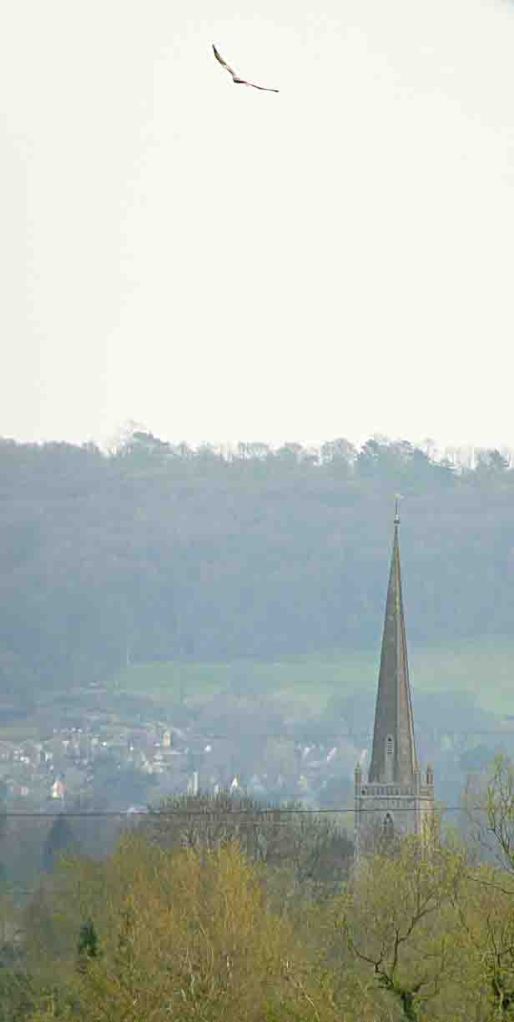
Red Kite and Slimbridge church spire (taken from the seawall)
14 April 2010 Again a few Sand Martins and Swallows moving but rather quiet otherwise. A few Snipe and c30 Curlew still using the fields at WWT, my fingers are crossed for these. An Arctic Skua was reported going upriver around midday, a typical sighting and date, I hope more come through this Spring.

12-13 April 2010 The return of one of the Avocets to the Rushy, WWT Slimbridge on the latter date was partially encouraging. Migration is very slow, a few Swallows and Sand Martins but less warblers around in contrast to last week.  I was tipped off about a Red Kite and followed it across the reserve and Frampton like last Sunday. I was pleased to get two birders onto it from the East platform in the 100 Acre. We are still hearing Toads calling around the reserve and lots of young Smooth Newts were also seen. The Ladies Smock is now in flower and we had our first Orange Tip butterfly of the year on 13th.

11 April 2010 A Red Kite over the reserve at 3.50-4.10pm and N over Frampton was one of the highlights today, I managed to get Nick Goatman the bird on his garden list with some ‘phonework, always nice to pay ‘Nicko’ back with a bird or two’. I also had my first UK Yellow Wagtail over WWT and a male Garganey in the 100 Acre.

Even in glorious Spring weather you can get a sinking feeling!…
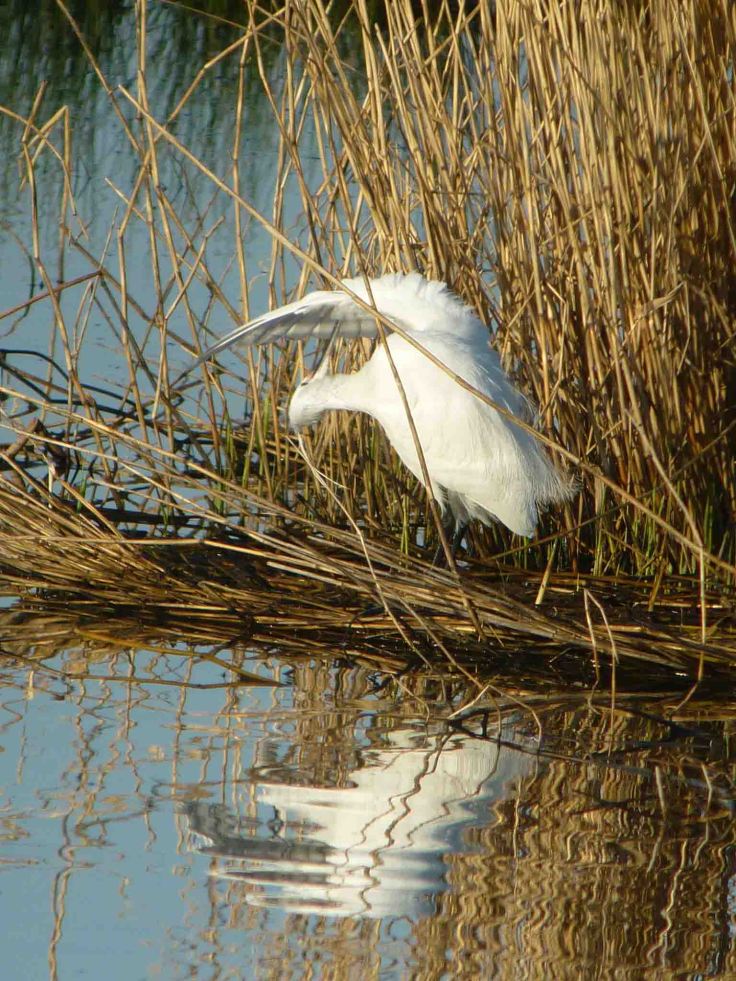
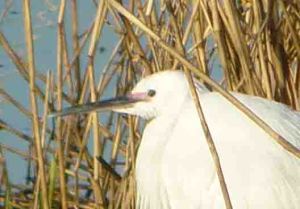
Preening Little Egret, Top New Piece, WWT.
The same bird showing red skin on the face which indicates breeding condition.
2-10 April 2010 Lots of migrants arriving, all very exciting indeed. At WWT,  JSL and I have collectively counted all the calling/singing warblers on site each day and had some decent numbers of Willow Warbler c27 on 7/8th, Chiffchaff and Blackcap, new birds for the year in Britain are… two Sedge Warblers from 7th, a Reed Warbler 7th and 8th, my first Wheatear on 7th with other good spring birds in the area during this fall.
Best of all is the arrival of a pair of Avocet in the Rushy (9-10th at least), only six months after the reserve team and Dave Skelton made improvements to this pond to enhance it for breeding waders. My fingers are crossed as this is a fox free area and ideal for them and us. Brimstone in the garden at home on 10th, I saw one on 8th at the South Lake, WWT.

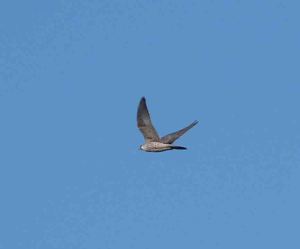
A large falcon is about the area harrasing waders, gulls etc.
Garganey (two pairs on South Lake) 1st April 2010
You would have to be an April fool not to appreciate this species…
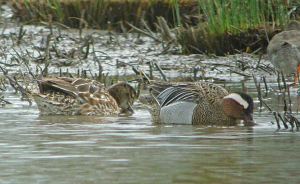
1 April 2010 I dropped the levels on South Lake and a good set of birds duly appeared including two pairs of superb Garganey. See WWT website for full details of sightings.

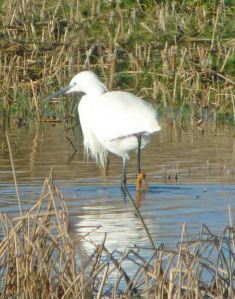
Little Egret, Bottom New Piece, WWT.
note foot colour change as it is displaying to a mate, they will turn reddish.
Blog at WordPress.com.

Up ↑