Cornwall and the Isles of Scilly 19-24 October 2009

Rose-coloured Starling and Starling, St Agnes, B Evans.
Rose-coloured Starling, St Agnes, Bob Evans

Click on the link for the 2009 gallery images.

http://www.anserbirding.com/photos/svmanager/g3/

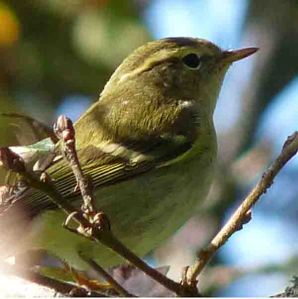
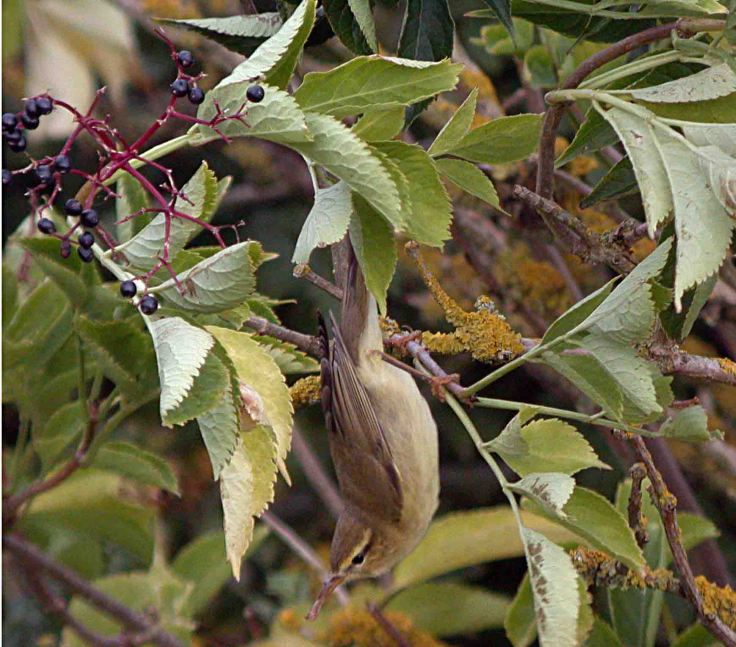
Yellow-browed Warbler, Nanquidno Valley, Cornwall, 19/10/09  MJM
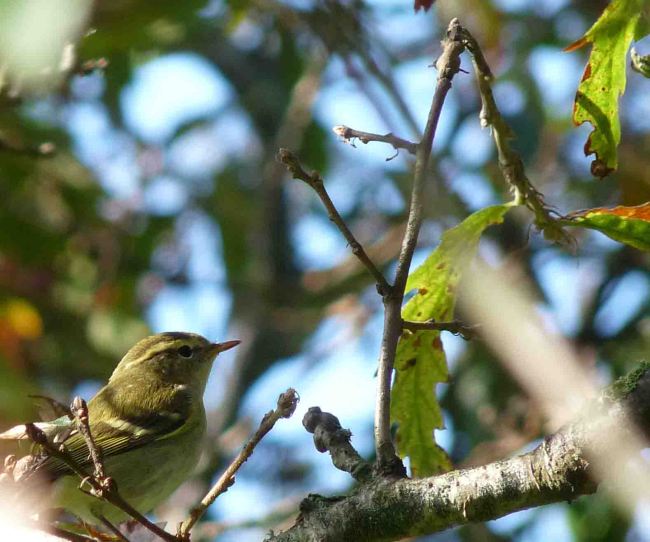
Yellow Browed Warbler Cornwall Lumix 19-24 October 2009 MJMcGill

Red-breasted Flycatcher, Mount Todden, St Mary’s 19/10/09 MJM
Red-breated Flycatcher, Mount Todden, Scilly Coolpix 19-24 October 2009 MJMcGill

Bar-tailed Godwit and Oystercatcher, Porthloo Beach, St Mary’s, 20/10/09 MJM
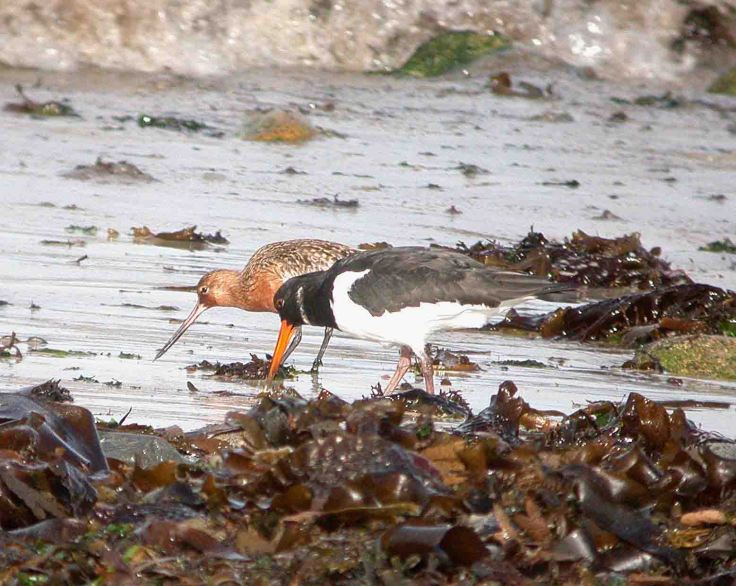
Bar-tailed Godwit and Oystercatcher, Porthloo, Scilly Cornwall Coolpix 19-24 October 2009 MJMcGill

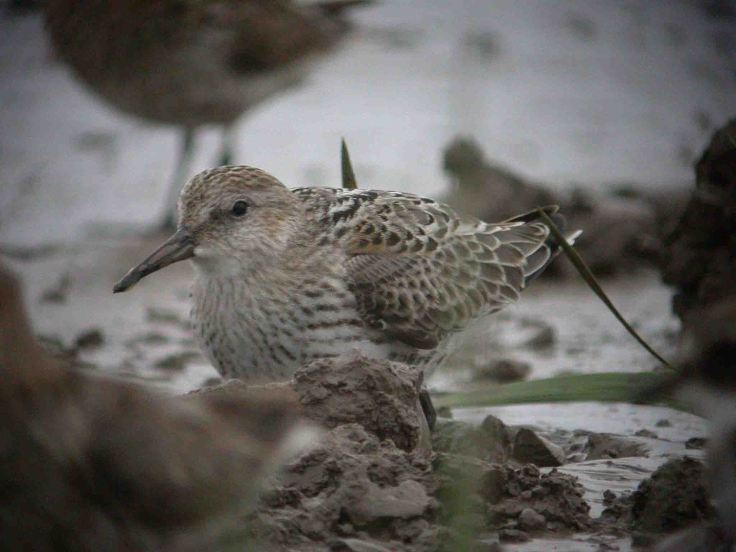
Sanderling, Porthloo Beach, St Mary’s 20/10/09 MJM
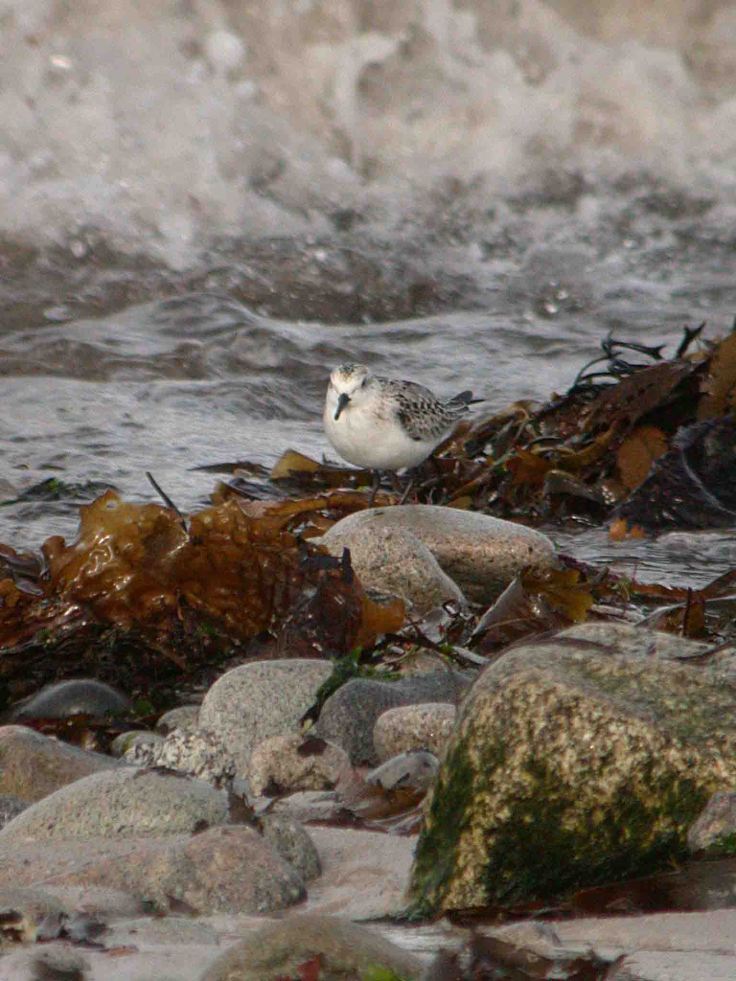
Sanderling, Porthloo Beach, Scilly Cornwall Coolpix October 2009 MJMcGill

Common Rosefinch, Carn Gwarvel, St Mary’s, 20/10/09 MJM
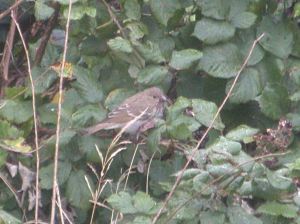
Common Rosefinch, Carn Gwarvel, Scilly, Coolpix 19-24 October 2009 MJMcGill 005

Richard’s Pipit, Porthloo Lane, St Mary’s, 22/10/09
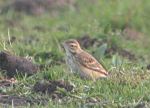
Richard's Pipit, Scilly Coolpix 19-24 October 2009 MJMcGill Richard's Pipit, Porthloo Lane, Scilly, Ocotber 2009 MJMcGill

Summary The group consisted of ten of which only one was new to an Anser residential trip. Martin Neil and Jeremy were on hand to ensure the birding flowed. We set of from Gloucestershire on 19th, stayed in St Just that night and flew to St Mary’sto spend four nights on the main island. We visted St Agnes twice and Tresco once during our stay on the islands.

 Sites visited in order 19th– The Hayle Estuary- Copperhouse Creek at the Library, Ryan’s Field, The Causeway and Copperhouse Creek south end. Heslton Loe Pool and Loe Bar, Men an Tol.
20th– Cape Cornwall, Nanquidno Valley, Sennen Cove, Penzance Heliport, St Mary’s.
21st– St Mary’s
22nd– St Mary’s and St Agnes
23rd– St Mary’s and Tresco
24th St Mary’s and St Agnes back to Penzance.

 The birds (those in bold were favourites or scarcer birds)

1. Mute Swan- seen on the Hayle Est.
2. Whooper Swan– six adults on the Big Pool St Agnes on 22 and 24th.
3. Greylag Goose- seen on the Hayle Est.
4. Canada Goose- seen on the Hayle Est.
5. Shelduck- five on the Hayle Est on 19th and 2 on Tresco 23rd.
6. Wigeon- 100’s on the Hayle and c10 on Tresco.
    American Wigeon- a possible female on the Hayle on 19th.
7. Gadwall- c60 on Tresco.
8. Teal- 200 on the Hayle Est and 40 on Tresco.
9. Mallard-noted.
10. Pintail- 2 on Tresco.
11. Pochard- 2 on Tresco.
12. Tufted Duck- noted on Tresco.
13. Common Scoter- three females off Samson on 23rd.
14. Red-legged Partridge- seen on Tresco (released birds)
15. Pheasant- as above
16. Red-throated Diver- one past Peniniss Head on 23rd.
17. Little Grebe- seen in Copperhouse Creek
18. Great Crested Grebe- three on the Loe Pool
19. Sooty Shearwater– one seen by Neil off the Loe Bar.
20. GANNET-seen daily and giving brilliant views for all.
21. Cormorant-seen daily
22. Shag-large numbers between the islands.
23. Little Egret- c10 around the Hayle Estuary and c20 between Brhyer and Tresco, singles around St Mary’s.
24. Grey Heron-noted.
25. SPOONBILL– one on the Hayle Est on 19th and three seen in flight and on rocks off Samson on a few dates.
26. HEN HARRIER– what appeared to be a third calendar year male flew low past the car at Men and Tol at dusk on 19th.
27. Sparrowhawk-noted.
28. Buzzard-noted in Cornwall.
29 Kestrel- noted daily
30. Merlin- seen on St Mary’s and St Agnes during the trip.
31. Peregrine-seen from the A30 in Cornwall and on St Mary’s.
32. Water Rail-heard on St Mary’s and one flew past at the Big Pool, St Agnes on 24th.
33/34. Moorhen and 34. Coot both noted.
35. Oystercatcher-noted
36. Ringed Plover- c 15 on the Hayle Est and up to 20 on St Agnes and Mary’s
37. Golden Plover- c150 seen from the A30 in Cornwall and singles were seen on St Mary’s and Agnes.
38. Lapwing-seen on the Hayle Est.
39. Sanderling-one seen on Porthloo Beach.
40. Little Stint-one on Copperhouse Creek.
41. Dunlin-two on the Hayle and a few on St Agnes.
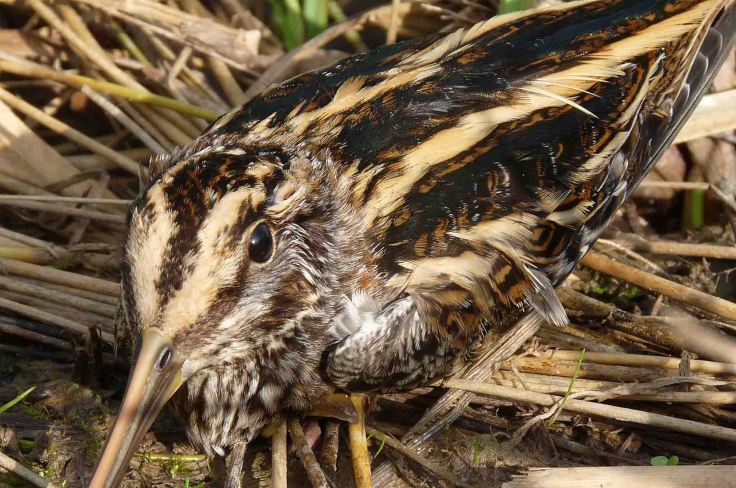
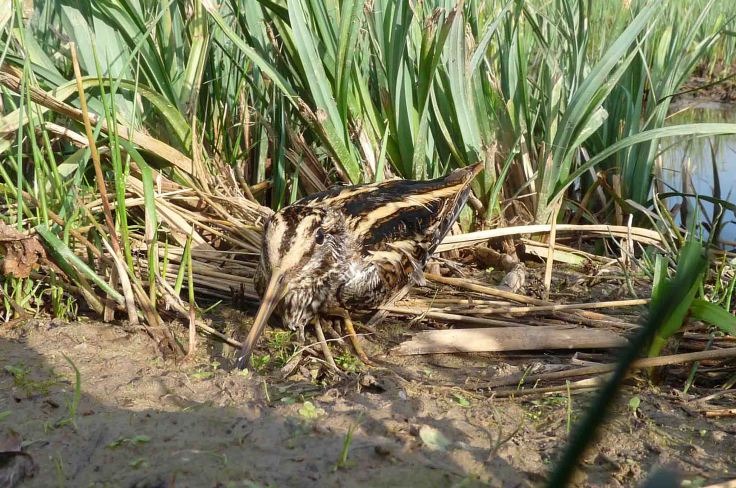
42. JACK SNIPE– one bobbing bird at the Porthellick Pool on 21st.
43. Snipe-seen on many dates around St Mary’s.
44. BAR-TAILED GODWIT-mostly non-breeding birds seen but seen very well, a breeding plumage bird on St Mary’s at Porthloo beach on 21st.
45. Curlew-noted.
46. Redshank-noted.
47. Greenshank- c10 on Tresco.
48. Common Sandpiper- one noted by Bob Evans on the Hayle whilst we ate pasties
49. Turnstone-c50 on St Agnes
50. Great Skua- one off the Loe Bar.
51. Mediterranean Gull– c10 individuals of all ages on the Hayle, an adult in Sennen Cove
52. Black-headed Gull- noted
53. Ring-billed Gull– a second winter flew over us at the Loe Bar but was only seen well by MJM.
54. Common Gull- seen at the Loe Bar.
55/56. LBB and 56. GBB Gulls
57. Herring Gull-noted
58. Kittiwake– one juvenile past the Loe Bar and three on the sea off Samson on 23rd. Small parties seen distantly from St Mary’s.
59. Skylark-noted
60. Swallow-2 over St Just on 20th and seen daily on Scilly
61. House Martin-one on St Agnes on 22nd
62. RICHARD’S PIPIT– a very showy bird on St Mary’s on 21st.
63. Meadow Pipit-seen daily
64. Rock Pipit-seen daily.
65. Grey Wagtail-seen and heard daily in Cornwall and Scilly.
66. Pied Wagtail-seen daily.
White Wagtail-seen on Porthmellon beach
67/68/69. Wren- a white winged bird at Porthloo Lane 68. Dunnock  69. Robin
70. Black Redstart– seen daily on Scilly, up to 15 seen on 21st and 22nd with a stunning male on St Agnes on the latter date.
71. Stonechat-seen daily.
72. Wheatear- two reported Snow Buntings appeared to be this species at Sennen Cove, a maximum of five seen on 21st on St Mary’s.
73. RING OUZEL– a male at Nanquidno on 20th
74. Blackbird- seen daily
75. Fieldfare-two on Gugh on 22nd
76. Redwing- a few noted on Mary’s from 23rd. One on St Agnes on 22nd.
77. SONG THRUSH– delightfully tame and common as ever.
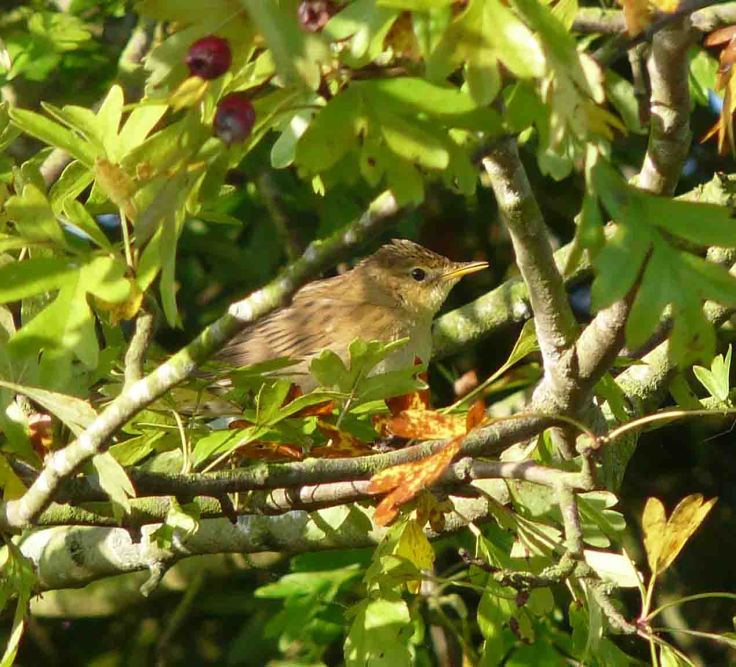
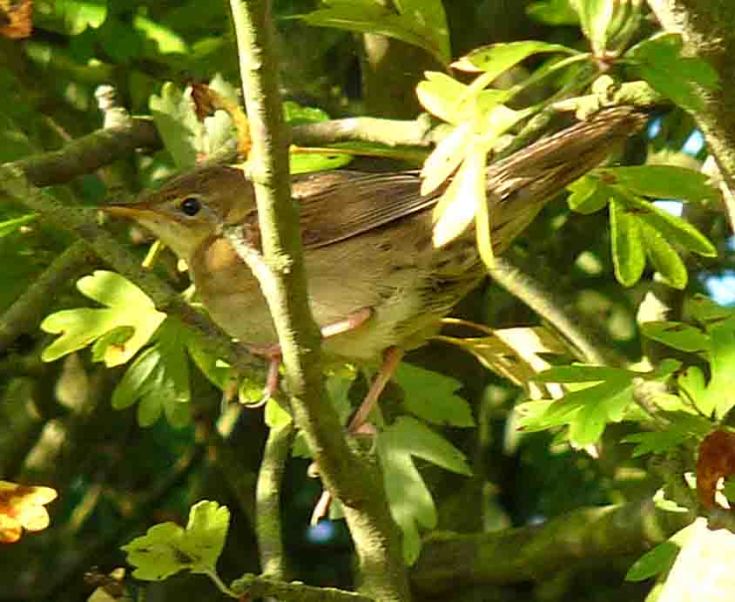
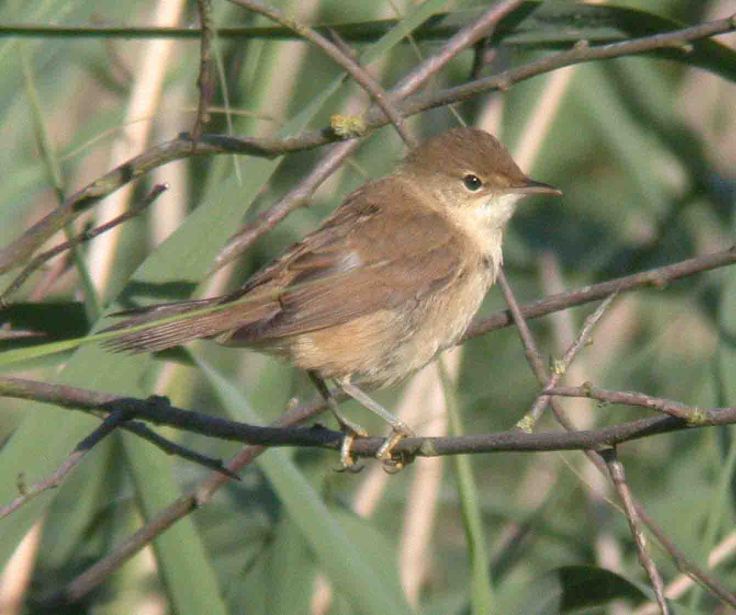
78. Marsh Warbler (apparent)- one showed a few times near the Big Pool on St Agnes on 24th
79. Reed Warbler- one in bracken on St Agnes on 24th.
80. Blackcap- seen daily with up to six.
81. YELLOW-BROWED WARBLER– a very vocal and showy bird in the Nanquidno Valley on 20th.
82. Chiffchaff-noted daily.
83. Goldcrest-two on Tresco on 23rd, notable by their absence
84. FIRECREST– five seen on St Mary’s on 21st (two Porthellick, two Higher Moors and one Rosehill end of Porthloo Lane) and one on Tresco near the Abbey on 23rd
85. Spotted Flycatcher- a late bird on St Mary’s on 21st was with the Firecrest.
86. RED-BREASTED FLYCATCHER-one at Mount Todden Battery on 20th
87. Long-tailed Tit-seen in Cornwall
88/89. Blue Tit and Great Tit-seen daily.
90. Jay-seen on the journey down
91. Magpie-seen in Cornwall
92.  Chough-three around Cape Cornwall
93. Jackdaw-one on Tresco on 23rd.
94. Rook-seen in Cornwall
95- Carrion Crow-seen daily.
96. Raven- 2 at Cape Cornwall
97. Starling- seen daily
98. Rose-coloured Starling– a juvenile gave us the run around on St Agnes on 22 and 24th but was mostly seen dashing past in flight
99. House Sparrow- seen in very good numbers on the islands.
100. Chaffinch-c200 on Tresco
101. BRAMBLING– a male and female on Tresco
102/103. Greenfinch/ Goldfinch
104. Siskin- four over Longstones on 21st.
105. Linnet-seen in small numbers.
106. Lesser Redpoll- one on Tresco.
107. COMMON ROSEFINCH-a juvenile at Carn Gwarvel on 21st
108. Reed Bunting-a few seen and heard on St Mary’s and St Agnes

1-31 October 2009, Martin’s blog and sightings..

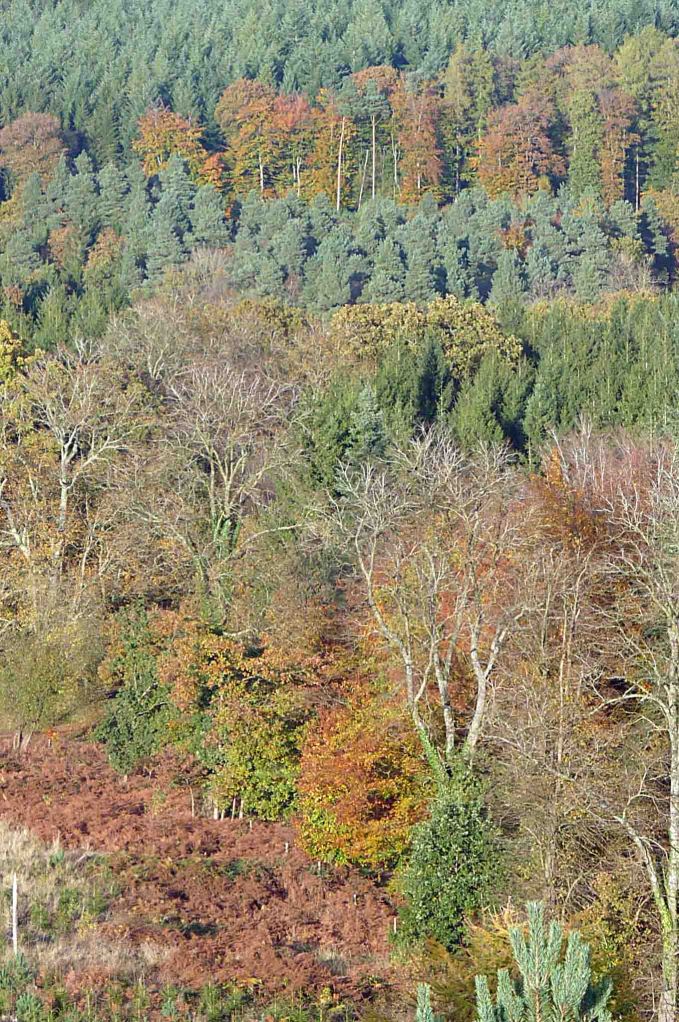
Some images of the Forest of Dean from 27 October 2009. Most views either from Speech House or New Fancy View.
A great autumn for colours this year.

Forest of Dean 26 October 2009 MJMcGill 002

Forest of Dean, New Fancy View, 27 October MJMcGill 046

Forest of Dean 27 October 2009 MJMcGill 011

25-31 October 2009 No birding at all after doing nothing but for all of last week.

19-24 October 2009 A trip to Cornwall and the Isles of Scilly. A trip report online soon…

Yellow-browed Warbler, Nanquidno Valley, Cornwall MJM

Yellow Browed Warbler Cornwall Lumix 20 October 2009 MJMcGill


18 October 2009 A slow start to the day but improved later with the highlights at WWT being two showy Jack Snipe on the Tack Piece, one in front of the Robbie Garnett Hide and theother with a Cetti’s and Water Rail at the Martin Smith Hide. A Little Stint was among 200 Dunlin on the Top New Piece.

17 October 2009 No birding as such but visible migrtion over the garden all day. A Painted Lady was of note as was Speckled Wood.

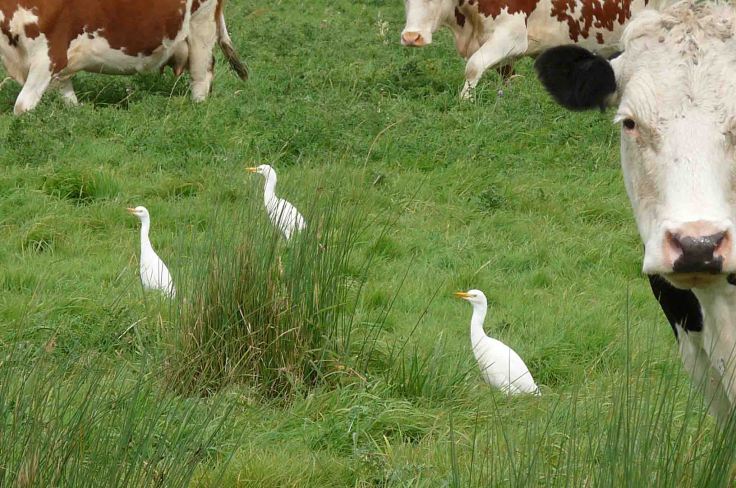
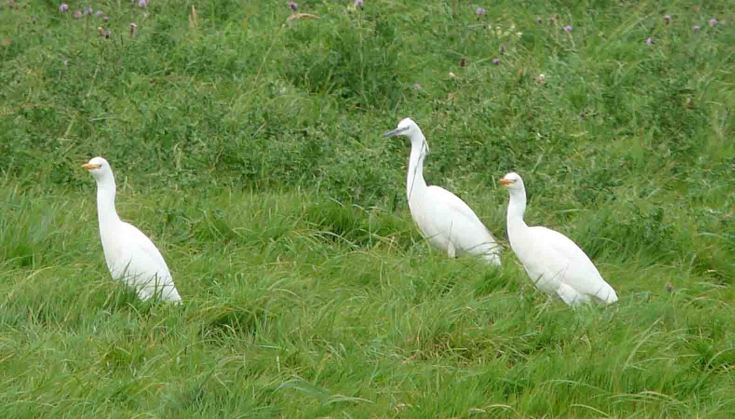
16 October 2009 A very misty and drizzly start to the day ended sunny and dry. I went out to Splatt Bridge this morning to see if anything was moving about and bumped in to KC who was looking for the Cattle Egrets. Having recommended just looking from the gate we were quickly rewarded with three of them feeding and flying about, two headed east over the canal. A few other species flew over, c70 Redwing, c4 Snipe, Grey Wagtail and a few Meadow Pipits but shortly speculating on the arrival of a Glossy Ibis we were rewarded by good views of one that flew out of the 100 Acre and dropped down twice into long grass in front of us before heading low N toward Saul Warth.

Glossy Ibis, WWT Slimbridge 100 Acre and Splatt Bridge MJM
following two images

Glossy Ibis 16 October 2009 MJMcGill 010

Glossy Ibis 16 October 2009 MJMcGill 011

15 October 2009 The overnight easterlies and drizzly start to the day brought some new birds in. Now 7 E.Whitefronted Geese (ten by the end of the day) and 2 male Ruddy Shelduck feeding with the geese. 4 Dark-bellied Brent were on the estuary an all these birds viewable from the Holden Tower whilst I did the morning rounds. A Glossy Ibis was seen at Lydney (John Phillips). I also saw the Jack Snipe in the Martin Smith hide pool in the afternoon.

14 October 2009 The five E.White-fronted Geese were still present and nine large, pale continental type Greylag Geese have arrived and reside among the local birds but on the reserve. A few more Redpoll, Reed Bunting, Meadow Pipit, Redwing (100’s), Siskin over WWT today, a Yellowhammer also and a Jack Snipe see images…

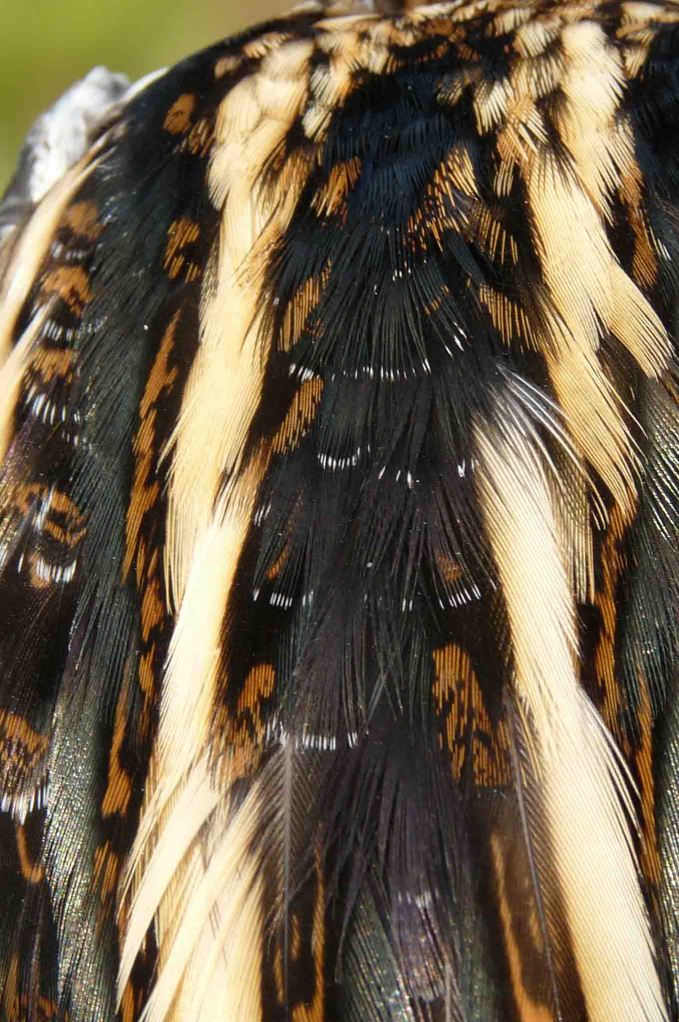
Jack Snipe, images x 3 Martin Smith pool, WWT. MJM

Jack Snipe 14 October 2009 MJMcGill 0002

Jack Snipe 14 October 2009 MJMcGill 0003

Jack Snipe 14 October 2009 MJMcGill 0004

We are back down to three Cattle Egrets…MJM

Cattle Egret 13 October 2009 MJMcGill 030

13 October 2009 White-fronted Geese (all adults) arrived on the Dumbles today just 19 hours after we re-mooo-ved the cattle for their arrival. A few Siskin and Redwing were passing over today. An afternoon twitch to London for the  Brown Shrike was worthwhile. We also saw a total of 7 Ring-necked Parakeet and  Red Kite on the M4.

Apparent Brown Shrike, Staines Moor near Heathrow (did it get a lift).
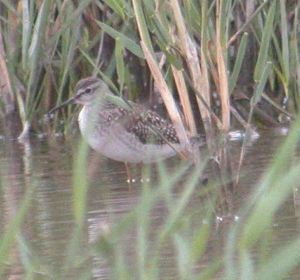
Brown Shrike 13 October 2009 MJMcGill 0001 Brown Shrike 13 October 2009 MJMcGill 0002

12 October 2009 A report of a Glossy Ibis at 1230 from the Zeiss Hide at WWT today but we could not locate it anywhere on the reserve from 1600-1730. Three Cattle Egret remained and 2 Redpoll and a Siskin were seen along with a Coal Tit. Four Stonechat and a Whinchat were on the 100 Acre fences.

11 October 2009
A few migrants at WWT Slimbridge, a Siskin, 24 Redwing (first of the autumn), a Rock Pipit and a count of 5900+ wetland birds of which 1899 were Teal.

10 October 2009 A walk around the Forest of Dean for the afternoon was very pleasant but the colours have not really kicked in in the foliage as yet. Highlights were 4 Crossbill, Siskins, Coal Tits and 2-3 Common Hawkers.

9 October 2009 A Jay over my house.

4-8 October 2009 Very little migration, what I have seen I have placed on the WWT website. WWT has changed our log-in etc to a new website system which has meant no updates at WWT last week, this is now up and running again but will mean that you need to re-save it as a favourite to view. Lots of Hornets about plus Painted Lady. A few new birds about but only singles or arriving winter birds. A Coal Tit was in the 100 Acre, my first reserve record this year.
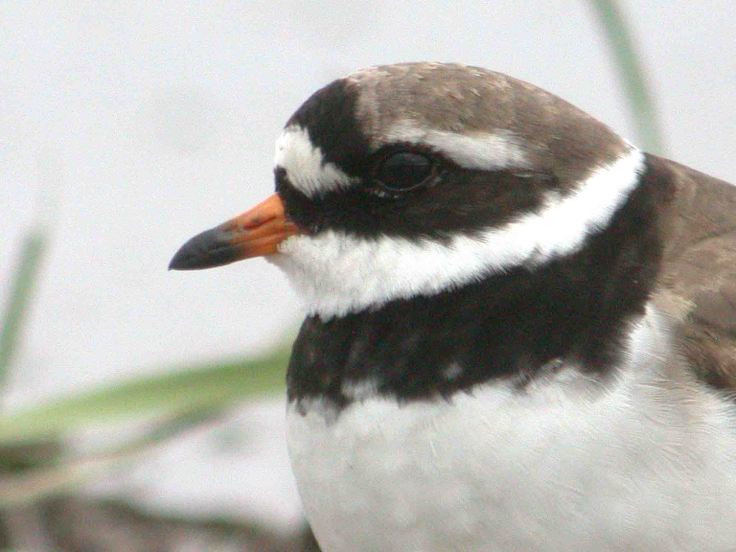
2-3 October 2009 A couple of days off from birding. A late afternoon visit to Hock Cliff produced a Wheatear.

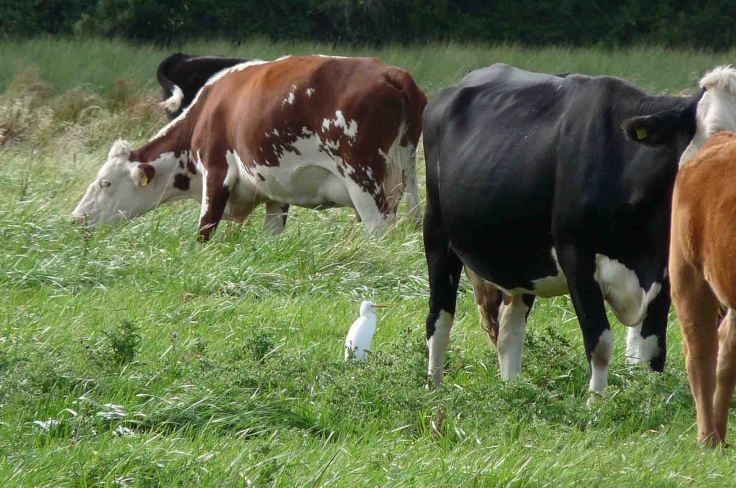
1 October 2009 At WWT I spent from 1045-1730 mowing various parts of the 100 Acre basically management for the breeding waders and wintering birds. I saw a few things from the cab with the highlights being two late male Common Blue Damselflies, c 10 Snipe, 26 Little Egrets and on leaving the site now four Cattle Egrets among the organic stock. This is the largest gathering of this species in Gloucestershire and looks set to increase further.

A selection of favourite images from late September and 1 October follow…

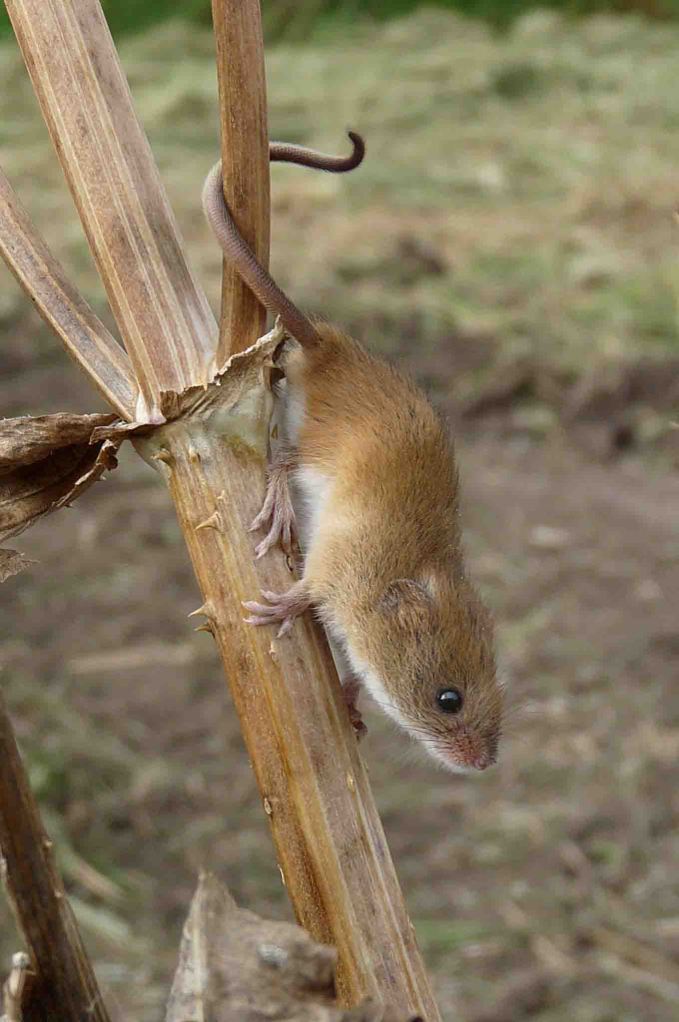
Harvest Mouse and Ford 5030 MJM

Harvest Mouse and Ford 5030 30 Sep 2009 MJMcGill 075

Common Darter, WWT Bull Ground MJM

Common Darter 1 October 2009 MJMcGill 010

Collared Dove, Whitminster MJM
(a pair reared two broods of two in my garden August-September)

Collared Dove head Late Sep 2009 MJMcGill 018

Common Blue Damselfly WWT 100 Acre MJM

Common Blue Damslelfly 1 October 2009 MJMcGill 086

18 Little Egrets WWT 100 Acre MJM

Little Egrets 1 October 2009 MJMcGill 088

Red Admiral, Whitminster MJM

Red Admiral lare Sep 2009 MJMcGill 002

1-30 September 2009 personal blog and sightings

26-30 September 2009  The month ended dry, hot and sunny as it has been all month. Not so good for migration but great weather. On 29th I noted my first Jack Snipe of the autumn at the WWT South Lake. On 30th I located three Harvest Mice at the same site which was notable as it is a new site.

Harvest Mouse, WWT South Lake 30 September 2009 M.J.McGill

Harvest Mouse WWT 30 Sep 2009 MJMcGill 068

25 September 2009 A couple of new species for my garden list today, Hornet and Golden Plover over South, also a Siskin went South.

Grasshopper Warbler, WWT 24 September 2009 MJM

Grasshopper Warbler 24 September 2009 MJMcGill 006

Grasshopper Warbler 24 September 2009 MJMcGill 017

22-25 September 2009 Most of my time at work has been spent cutting either in a tractor or using a strimmer.brush cutter. A reward for this graft came in the form of a Corncrake at c3.30pm on 22nd which was running ahead of the tractor tyre before flying into cover on the edge of the field. It showed for a few seconds when I stopped for scan but despite wating until 0530pm did not show again despite me being very quiet and inside the tractor cab from distance. A reserve and Glos tick for me. A few Little Stints are about and the three Cattle Egrets but a smattering of warblers on the 24th was of note, a Grasshopper Warbler being the pick of the bunch.

12-21 September 2009 A busy period, lots of seasonal work to do at WWT and lots of migration. Check the WWT website for the full updates and numbers as it is a lot to write out twice. Highlights have been the general wader watching, the Grasshopper Warbler on the Middle Point wall and an increase in Cattle Egrets. They now number three and were present from 20th at least. A juvenile Marsh Harrier tha Jeremy Squire and I saw through the 100 Acre at 0950 on 12th was of note. A trip to Cornwall 18-19th did not allow any time for birding as I was on Cricket Tour, I did hear a Yellow Wagtail over Wadebridge though. Here is a selection of images from this period. 

Three Cattle Egrets MJM

Cattle Egret trio 21 September 2009 MJMcGill 065

Cattle and Little Egret (centre) MJM

Cattle and Little Egrets Bull Ground 21 September 2009 MJMcGill 063

Wheatear on the Dumbles MJM

Wheatear 21 September 2009 MJMcGill 051

Water Shrew, Top New Piece WWT MJM

Water Shrew September 2009 Lumix MJMcGill 031

Skylark with deformed bill on the Dumbles

September 2009 Lumix MJMcGill

11 September 2009 Lots of Buzzards over Whitminster and Frampton todayand a light passage of Meadow Pipit.

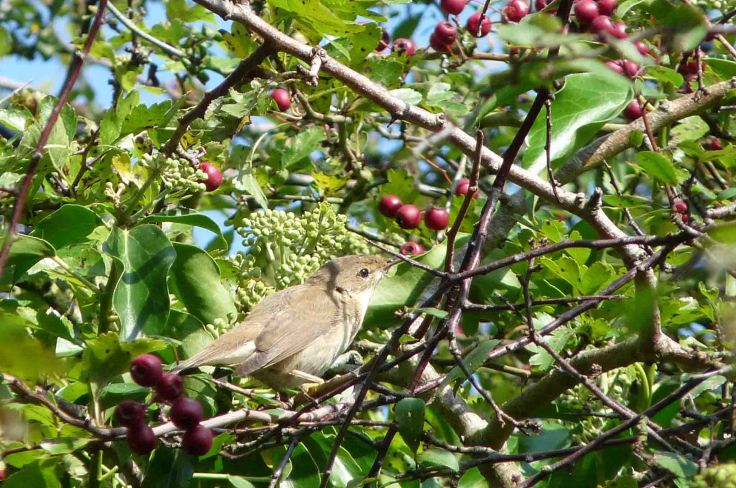
10 September 2009 At WWT there did not appear to be any new birds about, late news of a phalarope sp off Middle Point @ 1100 came through this morning which was a shame because JSL and I were there at the same time and could have seen it if we had known. At lunchtime the small waders were distant but a juvenile Curlew Sandpiper was present which was probably the white-rumped wader we saw yesterday. A Spotted Redshank was seen also and NRS and we saw a large long winged juvenile  falcon go over us and head N.

We were working in the Rushy today where JSL saw an unusual warbler in the bushes around 1130 by our compost pile. We staked it out and got some images and very good views, a number of people came to have a look at this intriguing bird. It has to be said that it is hard to get field views unless scoped to rival the images that have been collected, see the WWT/Gloster Birder website, Simon Mackie shots. It was between the In Focus Shop and Martin Smith Hide.

Slimbridge warbler sp next four images MJM

Warbler sp WWT Slimbridge 10 Sep 2009 Lumix MJMcGill 111

Warbler sp WWT Slimbridge 10 Sep 2009 Lumix MJMcGill 114

Warbler sp WWT Slimbridge 10 Sep 2009 Lumix MJMcGill 118

Warbler sp WWT Slimbridge 10 Sep 2009 Lumix MJMcGill 120

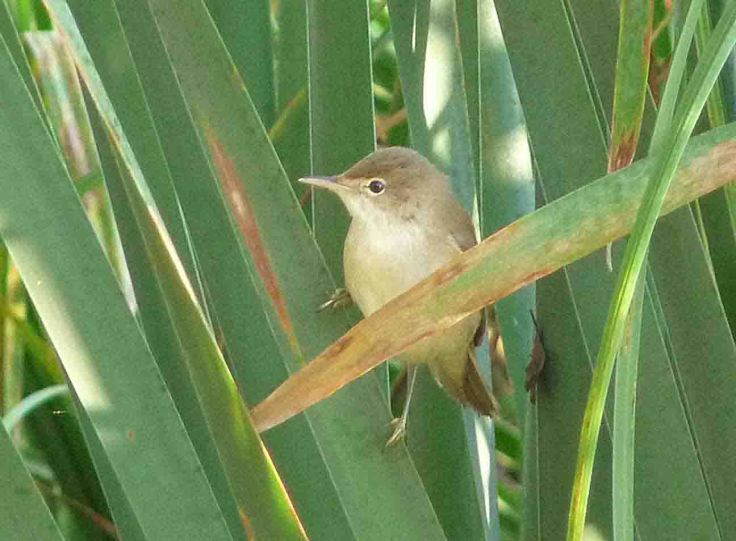
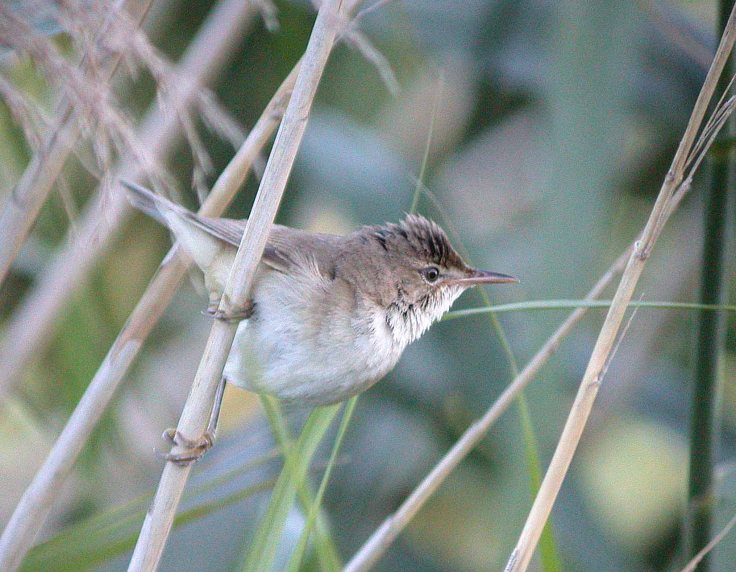
Next three of Reed Warblers MJM

September 18 2008 MJMcGill 001

13 July 2008 MJMcGill 021

Even more of July 2006 MJMcGill 111

9 September 2009 Had an early start at 0630 and was out mowing by 0700,  a Spotted Flycatcher around the bushes by Knott Hide and three Bullfinch were noted plus a flyover Yellow Wagtail.

 Short billed grey Dunlin , juvenile, WWT Slimbridge, M.J.McGill

Grey short billed Dunlin WWT Slimbridge 7 and 8 Sep 2009 Coolpix MJMcGill 043

8 September 2009 Some new waders arrived at WWT on the estuary but still concerned mainly three species, Ringed Plover, Dunlin and Sanderling (only four).  The scrapes were roughly the same with a juvenile Ruff being the only new bird that I could see this morning. JSL, MY and I went out to Middle Point to spend our break over the tide with the intention of photographing Dunlin and Ringed Plover.

JSL and I led down and Mike stayed in the Landrover as the Dunlin and Ringed Plover came in with a few Sanderling. As the tide was reaching it’s peak I was hearing an unfamiliar wader call withing the flock flying around, I nearly mentioned it to JSL but we were trying to be quiet.

Various birds were dropping in and flying off or running off with the tide flooding but a group landed close by which made for a decent photo attempt. JSL was snapping away and I whispered that a grey bird had arrived, he had noticed it too. I started taking pics of it as I was very interested in it’s plumage. Features of WRS plumage are apparent but it had some dark splodges on either side of the breast which was confusing as I certainly have not seen on juvenile White-rumped Sandpiper before. It did have other features pointing to WRS but but this is nagging at me as it is only present on Dunlin. It moved to a nearby shelf where realising the time we had to go back in for a meeting. As I got into the Landrover I saw the bird again with the Dunlin flock and it stood out like a sore thumb, I scoped it from the wing mirrow but we were out of time and had to go, we simply did not have any break time left. Due to time limitations and the fact we were both using cameras rather than bins and scopes we did not see it fly and missed wether it had a white-uppertail in the field.

7 September 2009 The clearout of longer staying migrants was still in evidence but a Wood Sandpiper that DBP found on a Landrover safari on Saturday was still about, Snipe, Greenshank and Teal numbers are increasing and Green Sandpipers are about in good numbers for September too.

Wood Sandpiper, juvenile MJM

Wood Sandpiper WWT Slimbridge 7 and 8 Sep 2009 Coolpix MJMcGill 029

Best bird was either a juvenile Spotted Crake that I spotted whilst we were working or a suspected juvenile White-rumped Sandpiper. Despite searching for the crake we could not relocate it and had a good look today (8th) also but did not see it, it was not viewable from any hides and was easily disturbed.

Sanderling, juvenile MJM

Sanderling WWT Slimbridge 7 and 8 Sep 2009 Coolpix MJMcGill

As for the sandpiper, I pulled up at at Middle Point with JSL and clapped my binoculars on the assembled waders, within seconds I was shouting White-rumped Sand and climbing out to get my scope on the moving waders, JSL was also scoping alongside and but I was dissapointed not to get on it, neither did he, I could only see a greyer Dunlin so we left the birds to take some images of the Ringed Plovers.

Ringed Plover, adult MJM

Ringed Plover WWT Slimbridge 7 and 8 Sep 2009 Coolpix MJMcGill 041

4-6 September 2009 Some decent birds about of which all are listed on the WWT website. Seven Buzzards over my house on my days off were typical for September.

3 September 2009 Still 2+ Curlew Sandpiper at WWT on the estuary, the small waders popped into the Top New Piece with a Little Stint and this site is holding plenty of waders and over 300 Teal. DBP found three White Wagtail among the Pieds. I saw the Cattle Egret in the 50/100 Acre/Bull Ground boundary. A Turnstone and all the small waders inc Curlew Sandpiper were viewable from the Hide at Middle Point at 1630.

Cattle Egret WWT MJMcGill

Cattle Egret WWT Slimbridge 2 and 3 Sep 2009 MJMcGill

2 September 2009 My first3  juvenile Curlew Sandpipers of the year, an adult gull showing the charcters of Baltic but discovered at dusk so the camera could not get the image.  Spotted Redshank, 4 tern sp,and 30 Knot were also notable. Most waders roosted in the Top New Piece.

Probable Baltic Gull WWT MJM
It is the bird in the water, Istudied on the mud for ten minutes before it walked in and floated off, it was getting dark and the camera could not cope. Through the Swarovski scope (great at low light) I could see it well alongside 100’s of graellsii. It was smaller in structure, very long bright yellow legs (brighter than any others near it), black back, darker than all others around it, very long wings, small mirrows, overall a soft more common gull look about it. Always think it best to mention birds like this rather than forget it just for the courtesy of fellow birders.

Baltic Gull 2 Sep 2009 WWT MJMcGill

1 September 2009 No birding.

1-31 August sightings and personal blog

30-31 August 2009 The end of the month saw plenty of warblers about, I saw nine species from the Holden Tower on 30th. A Little Stint, juvenile Yellow-legged Gull and other waders were hightlights as WWT. A visit courtesy of Neil Smart along with Nick Goatman to Farmoor Res in Oxfordshire was well worth it, hearing that  a juvenile Black Tern had now joined the juvenile American Black and juvenile White-winged Black was too much of a draw. The chance to compare these three together in the field which is probably a first ever in the world? was too good to miss. We went for an hour on the evening of 30th.

Cattle Egret, WWT MJM

WWT Slimbridge 31 August 2009 MJMcGill

Willow Warbler, Holden Tower MJM

WWT Slimbridge 31 August 2009 MJMcGill Willow Warbler

26-29 August 2009 Still lots of migrants at WWT Slimbridge with highlight today being three Redstarts together and Neil Smart, Mike Youdale and I finding a Cattle Egret on safari. See WWT link below for a full list of birds seen.

Cattle Egret in the Bull Ground MJM

WWT Slimbridge 29 August 2009 MJMcGill 0015

The Cattle Egret MJM

WWT Slimbridge 29 August 2009 MJMcGill 0013

Juvenile Kingfisher (darker) 29 August 2009 WWT MJM
The hedges are full of warblers perhaps over a thousand on site but also have other birds with them, like this little beauty.

WWT Slimbridge 29 August 2009 MJMcGill 008

Arctic Tern juvenile that I saw on 27 August 2009 roosting on the South Lake WWT MJM

Arctic Tern juvenile WWT Slimbridge 27 August 2009 MJMcGill 030

23-25 August 2009 Not got out today but a brief visit to Townfield Lake, Frampton yesterday gave me four Common Terns, one fo which was a juvenile. See the WWT link below for more sightings.

20-22 August 2009 Day seven of an eight day work stretch at WWT was again very birdy due to back to back events. Most sightings are on the WWT website for Slimbridge but highlights today were Cuckoo at Middle Point, 21 juvenile Knot and 2 juvenile Turnstone (my first juvs of the autumn), loads of warblers in the hedges, seeing Hobby back over the 100 Acre (and low overhead) and Clouded Yellows. A Redstart along the summer walkway was also notable. Click on the link for latest WWT sighings.

http://www.wwt.org.uk/news/213/sightings.html

19 August 2009 A few new birds at WWT Slimbridge today, I went in a bit earlier to have a look off Middle Point, a juvenile Little-ringed Plover and adult Sanderling were among 90 Ringed Plover and 300 Dunlin. 18 Yellow-legged Gulls included a ringed bird that appears to be from Italy. More details to follow. A flock of 12 Arctic Terns flew downriver with a juvenile among them. I spent all day mowing and was joined by 4 Yellow Wagtail in the Top New Piece. A few Clouded Yellows were on the wing.

Clouded Yellow, Top New Piece, WWT Slimbridge MJM

Clouded Yellow 19 August 2009 Lumix  MJMcGill 001


17-18 August 2009 A few birds about at WWT to keep one birding but more time spent behind the wheel of a tractor. Lots of Skylarks a few Buzzards and a Wheatear logged from the cab.

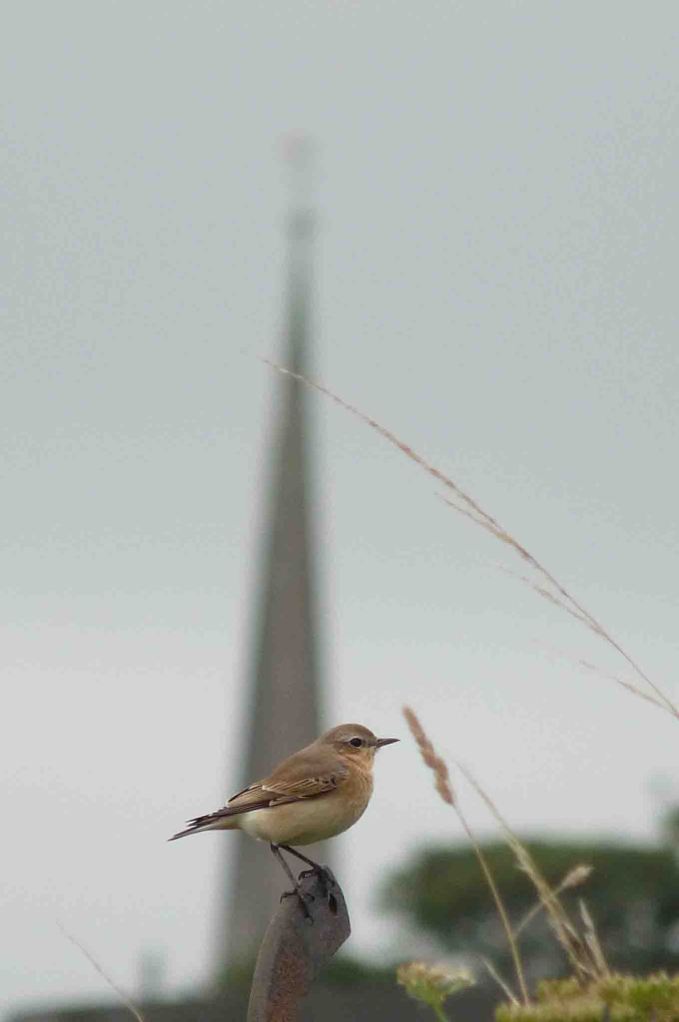
Northern Wheatear (juvenile) and Slimbridge church spire MJM

August 15 2009 Lumix  MJMcGill 001

11-16 August 2009 Some good birds about at WWT, highlights for me recently have been the juvenile Marsh Harrier and seeing Wheatears and Whinchats back again.

Marsh Harrier, juvenile, WWT 100 Acre on the Landrover safari MJM

August 15 2009 Lumix  MJMcGill 011

10 August 2009 Back to work at WWT Slimbridge, a Whinchat and Wheatear, 4 Yellow-legged Gulls and two Sanderling being the highlights plus this moth on safari.

Gold Spot Plusia festucae A true wetland moth.

August 8-10 2009 Lumix  MJMcGill 008

7-9 August 2009 No birding etc but Southern Hawker and lots of butterflies in the garden inc Common Blue, Wall, Speckled Wood and Painted Ladies, high numbers of Whites and Small Tortoishell too.

6  August 2009 A walk around Wareham Forest looking for Smooth Snake was fruitless due to poor weather as was the Cream tea in Wareham, I do like currants in mine!

5 August 2009 After swimming and lunch I went to Sopley Common where I found many Black Darters, Golden-ringed Dragonfly, Southern Hawker fighting an Emperor. A Dartford Warbler was very obliging and allowed photos. I then visited Parley Common looking for reptiles but initially saw loads of birds, Hobby, 10 Stonechat, 6 Dartford Warbler, Common Whitetroats and a Redstart were all feeding here. Eventually a Sand Lizard gave itself away by it’s rustle in the bracken. I walked away twice but on my third return to the spot found it basking, images on the gallery link below.

3-4 August 2009 After doing the beach thing and lunch I went to the New Forest to look for some odonata (dragonflies). It was pretty good with warm weather, I nearly ended up in one stream being so engrossed with what I was doing I did not notice the pony and foal that had crept up behind me and tugged at my shirt. The next day was cloudy with drizzle so I thought it would be good to do a familyboat trip around Poole Harbour and visit Brownsea Island as so many activities were on for children and it was sheltered. Highlights were birding the DWT lagoon with two Spotted Redshank, three Avocet, breeding Roseate Terns and lots more. We also saw Red Squirrel.

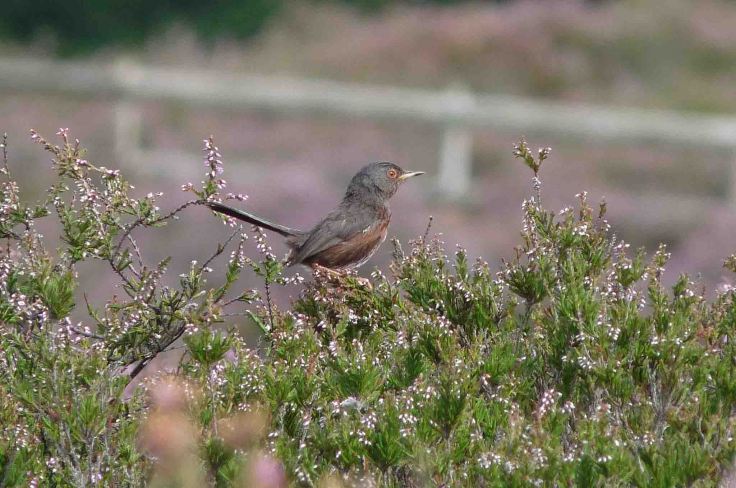
Dartford Warbler, Sopley Common, M.J.McGill

August 1-6 2009 Lumix  MJMcGill 143

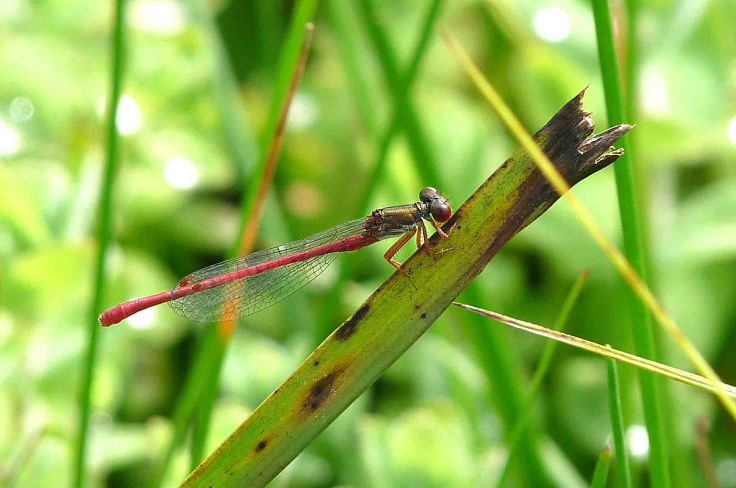
Small Red Damselfly, New Forest M.J.McGill

August 1-6 2009 Lumix  MJMcGill 064

Black Darter, Sopley Common M.J.McGill

August 1-6 2009 Lumix  MJMcGill 123

A full range of wildlife images from this trip to Dorset and Hampshire can be found by clicking on..

http://www.anserbirding.com/photos/svmanager/g13/

 2 August 2009 After birding the Upper Severn for an hour with Mike King in the morning and popping home for a bit a visit to the Forest of Dean was in order before driving to Bournemouth. I mangaged to see 14 species of dragonfly/damselfly, a Grasshopper Warbler, a juvenile Tree Pipit and c10 Crossbills. The Grasshopper Warbler jumped out of some grasses whilst I was searching for damselflies and fluttered a short distance, I then saw it scurrying through the grass mouse-like and fly up into a pine where it posed for a minute before dropping back into the grass.

Common (or Moorland or Sedge Hawker) Woorgreens, FoD, 2 August 2009. MJM. A bad name as they are not Common in Glos or many parts of the country. My first for Gloucestershire. I watched this cracking insect for a long time and eventually it attracted a mate and they flew off together.

August 1-6 2009 Lumix  MJMcGill 050

For a look at many images for this day which include some wonderful behaviour from a Golden-ringed Dragonfly click on…

http://www.anserbirding.com/photos/svmanager/g21/

Anser Birding Madeira 13-18 July 2009 trip report

Madeira and Desertas Islands Tour July 2009

A full gallery of the wildlife and other images from this trip on the link below, we are taking bookings for 2010 right now!

http://www.anserbirding.com/photos/svmanager/g28/

Fea’s Petrel at sea (next eight), Madeira, M.J.McGill

July Madeira Sports Day and Nick Rach 2009  MJMcGill 243

July Madeira Sports Day and Nick Rach 2009  MJMcGill 287

July Madeira Sports Day and Nick Rach 2009  MJMcGill 240

July Madeira Sports Day and Nick Rach 2009  MJMcGill 239

July Madeira Sports Day and Nick Rach 2009  MJMcGill 231 July Madeira Sports Day and Nick Rach 2009  MJMcGill 219 July Madeira Sports Day and Nick Rach 2009  MJMcGill 230

July Madeira Sports Day and Nick Rach 2009  MJMcGill 226

Bulwer’s Petrels at sea, Madeira, M.J.McGill

July Madeira Sports Day and Nick Rach 2009  MJMcGill 448

July Madeira Sports Day and Nick Rach 2009  MJMcGill 431

July Madeira Sports Day and Nick Rach 2009  MJMcGill 447

Buzzard

July Madeira Sports Day and Nick Rach 2009  MJMcGill 382

Trocaz Pigeon near Funchal by Theresa Stone

Trocaz Pigeon 2 by Theresa Stone

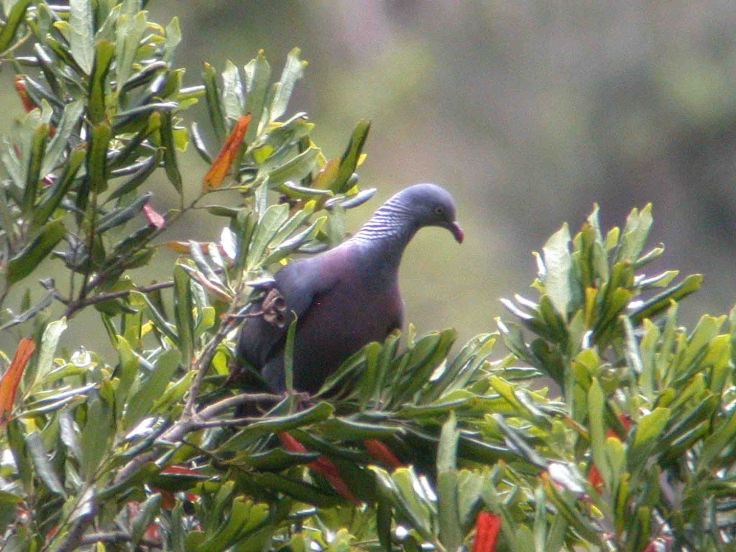
Trocaz Pigeon, M.J.McGill

Madeira and WWT July 2009  MJMcGill 025

Canary, Deserta Grande MJM

Madeira and WWT July 2009  MJMcGill 002

Juvenile Canary, Deserta Grande MJM

Madeira and WWT July 2009  MJMcGill 009

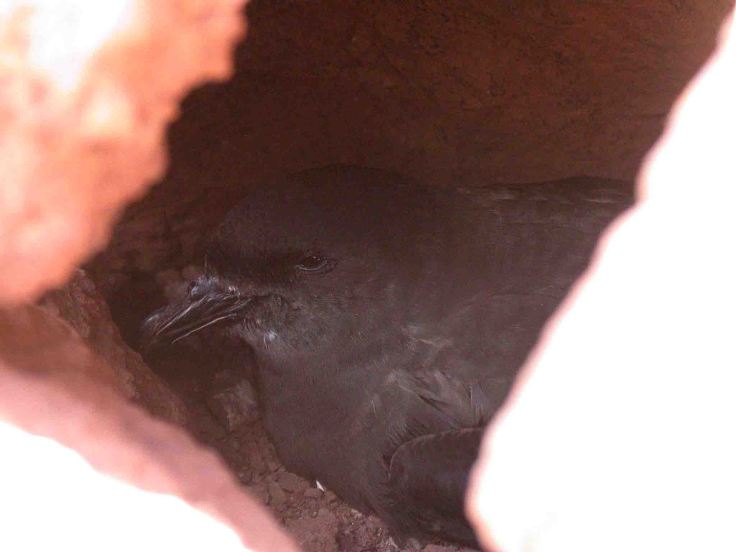
Nesting Bulwer’s Petrel, Deserta Grande MJM

Madeira and WWT July 2009  MJMcGill 015

Eclipse Eurasian or American Green winged Teal

July Madeira Sports Day and Nick Rach 2009  MJMcGill 045 

Summary

This five night tour was designed to take in all the endemic birds, to spend quality time with the seabirds and yet still allow time to rest up and take in the ‘floating garden’ Island of Madeira. We were a group of seven staying in the narrow streets of Funchal. We visited Pico de Areeiro around midnight for the returning Zino’s Petrels, sailed to the Desertas Islands and stayed the night, did a full tour of the island and went out on an evening pelagic. More time was spent birding inand around Funchal and on the drier eastern tip. Some of the group spent time exploring the capital on foot which is easily done. The gardens and parks are very well kept and Funchal is a very stylish town. It is possible to swim in the warm clear blue waters and dry off quickly in the hot sun. There are many shops, cafes and bars and a very friendly atmosphere, the locals are very helpful. Overall it is a very impressive destination suitable for everyone and offers plenty to do for those not sailing out to islands for seabirds and cetaceans.

The wildlife list….

Birds

Cory’s Shearwater Calonectris diomedea boralisseen in their hundreds in rafts and making movments to breeding sites. Hearing them calling through the night on Deserta Grande was a fine experience but did keep some of those sleeping on deck awake. We watched them from the mainland as well as on the pelagics. Often gave away the presence of cetaceans by their gatherings. MACARONESIA ENDEMIC SUBSPECIES.
Fea’s Petrel Pterodroma feae- about 15 individuals noted on the way out to Deserta Grande. Some excellent views had as they soared past or around the boat. Two seen on the return journey but much calmer less windy conditions. Ideal for seabirds on the way out and better for cetaceans on the way back. MACARONESIA ENDEMIC SPECIES
Zino’s Petrel Pterodroma madeira- a fine time was had by all leaving our accommodation at 9.00pm and arriving at Pico de Areeiro (1800m) for an amazingly evocative and much photographed sunset below. A 20-30 minute walk carefully guided by torchlight along a constructed path got us in position atop the mountain ridge. A regular route for our guide and many birders over recent years but still a very personal and memorable experience for everyone involved unfolded. Some of the 70-80 pairs of  Zino’s Petrels in the world began flying in around 1130, their distinctive calls were ringing around our heads, it was clear, starlit above with shooting stars, satellites and hot tea and biscuits as further distractions. We strained our eyes against the wispy clouds that were below occasionaly blowing up and over our ridge past us. We could just about pick out the movement of them flying past at speed in silouhette, after many passes two birds flew in low and stalled, legs down just above our heads giving more views in what light we had. A marvellous event, everyone got back to the bus tired but slightly blown away by what we had just seen and heard. MADEIRA ENDEMIC SPECIES
Manx Shearwater-Andy Jayne picked one up heading west in Funchal Bay during our seawatch. They breed in the valley above Funchal but seem to have largely departed.
Bulwer’s Petrel-seen in numbers, individuals and pairs seen on the crossing to Deserta Grande, perhaps 14 noted. Breeding birds seen on the nest on the island and flying in at dusk and around the boat through the night. About 40 seen on the return trip with rafts of 8, 6, and two lots of 2 seen on the water. Fed around cetaceans in small gatherings of 4-10 birds. c 75 seen in Funchal Bay on the seawatch and c40 seen from the evening pelagic.
Madeiran Storm Petrel-mostly heard from the boat whilst we stayed anchored off Deserta Grande but white rumps seen during the night and the different silouhette from Bulwer’s picked out in torch and moonlight. MACARONESIA ENDEMIC SPECIES.
Squacco Heron-AJ spotted one flying across the bay at Machico on 18th, not bad whilst he was waiting for his pizza. It landed on the cliff and hid in vegetation.
Little Egret-singles seen in Funchal and Deserta Grande.
Grey Heron-one seen above the cliffs on the sout side of the island.
American/European Green-winged Teal– an eclipse male was at Ribeiro de Janela.
Common Buzzard Buteo buteo harterti-seen on Deserta Grande and a pair above the sea-cliffs on the south side of Madiera.MADEIRA  ENDEMIC SUBSPECIES
Sparrowhawk Accipiter nisus granti– MACARONESIA ENDEMIC SUBSPECIES Two seen over Funchal, one on 13th and one 18th.
KestrelFalco tinnuculus canariensis- seen every day. MACARONESIA ENDEMIC SUBSPECIES.
Quail Coturnix coturnix confisa-one heard at 1800m at Pico de Areeiro on 13th.MACARONESIA ENDEMIC SUBSPECIES.
Moorhen and Coot– both breeding at Ribeira de Janela.
Atlantic Yellow-legged Gull Larus cachinaans atlantis-common around the islands with Funchal Harbour attracting large numbers. MACARONESIA ENDEMIC SUBSPECIES.
Common Tern-c30 about Funchal Harbour-the cape and also noted around Deserta Grande with juveniles.
Trocaz Pigeon Columba trocaz– 4-6 seen well at a site near Seixal, one seen from the top of the cable car route by Chris and Theresa on 18th. MADEIRA ENDEMIC SPECIES.
Rock Dove/Feral Pigeon-seen around the coasts.
Barn Owl Tyto alba shmitzi-one heard at 1800m at Pico de Areeiro on 13th. MADEIRA ENDEMIC SUBSPECIES.
Plain Swift-seen in large numbers around the island and town. MACARONESIA ENDEMIC SPECIES.
Pallid Swift-seen well above the southern cliffs and Funchal.
Berthelot’s Pipit-seen well on the plain on top of the island, at the western tip and on Deserta Grande where especially tame. MACARONESIA ENDEMIC SPECIES.
Grey Wagtail Motacilla cinerea shmitzi-seen commonly on streams and hoses around Funchal where it also had fledged young. MADEIRA ENDEMIC SUBSPECIES.
Robin-seen around Madeira on 15th especially and heard singing.
BlackbirdTurdus merula cabrerae-seen commonly about the island. MACARONESIA ENDEMIC SUBSPECIES.
BlackcapSylvia atracapilla heineken/obscura-seen and heard about the gardens and parks. Unfortunatley we did not see the dark-hooded heineken but heard the latter regularly, the song being slightly different to ours. MACARONESIA ENDEMIC SUBSPECIES.
Spectacled Warbler Sylvia conspicillata orbitalis-heard on the plain/scrub on top of the island. MACARONESIA ENDEMIC SUBSPECIES.
Madeiran Firecrest Regulus madeirensis-seen well in a number of locations with perhaps a pair with feeding young in 400 year old laurels being the way to see them. MADEIRA ENDEMIC SPECIES.
Rock Sparrow Petronia petronia madeirensis-a pair feeding two young at Canical on 18th was the last new bird of the trip. MADEIRA ENDEMIC SUBSPECIES.
Chaffinch Fringilla coelebs madeirensis– seen in the forests and plantations. MADEIRA ENDEMIC SUBSPECIES.
GoldfinchCarduelis carduelis parva-a few seen about Funchal. MACARONESIA ENDEMIC SUBSPECIES.
Canary Serinus canaria– very confiding on Deserta Grande coming to water. MACARONESIA ENDEMIC SPECIES.
Common Waxbill-seen in small flocks at Machico stream bed and Ribeiro de Janela.

Other Captives

Mute Swans were in the parks, a pinioned Mandarin in Funchal Harbour stream and a Budgie was noted in Funchal.

Cetaceans

Bryde’s Whale-seen feeding and surfacing off Deserta Grande on 15 July, very memorable and maybe the highlight of the trip.
Atlantic Spotted Dolphin– a pod of c40 were bow-riding the Ventura do Mar as we left Deserta Grande on the 15 July 2009. A variety of ages were seen to a few feet in crystal clear waters. Another pod of c20 came in and followed us on the evening pelagic  in Funchal Bay on 17 July.
Blainville’s Beaked Whale-two seen from the Ventura do Mar on the way back from Deserta Grande and two more/same noted from a seawatch near Funchal the same evening on 15 July.
Short-finned Pilot Whale-a large pod of c30 animals gave close and prolonged views in Funchal Bay on 15 July.
Bottle-nosed Dolphin– a pod were seen among the Pilot Whales on 15 July.

Insects

Madeiran Speckled Wood, Bath White, Long-tailed Blue, Monarch, Small Copper and Grayling were the highlights. Three Scarce Blue-tailed Damsleflies were seen in the streambed at Machico, a few Hawker sp maybe Southern Migrant were seen and a Southern Hawker type was seen in Funchal.

Fish

A wonderful variety of colourful fish species were seen whilst snorkelling off Deserta Grande but the highlight for all was the single and then four Flying Fish from the evening pelagic on 17 July. A Cory’s Shearwater was seen to chase the last of them. A swarm of Jellyfish were seen off Deserta Grande.

Most of the group saw Black Scabbard with Banana on their plate in the restuarant.

M.J.McGill

Anser Rare Breeding Bird/Rare insect Weekend 4-5 July 2009

To view the gallery with images from the weekend please click on the link below.

http://www.anserbirding.com/photos/svmanager/g27/

Summary On the 4 July 2009 we departed Whitminster at 0630, stopped for coffee and comfort en-route arriving in North Norfolk at Swanton Novers for 1130. Although perfect conditions were in place the Honey Buzzard did not show, it was however seen at 1430-1500 distantly from this site. We then headed for Strumpshaw Fen RSPB where the sunny warm weather prevailed and the birding/insect watching was excellent. From here we went to a Montagu’s Harrier site in North Norfolk where a similar story to our other rare raptor was told, they had not been showing much at all. We decided to head for WWT Welney for some wetland birding rather than Titchwell as a Caspian Tern had been seen there and the reserve was open late, it was not about but the birding was still very good. We ate at the Lamb and Flag, Welney Village before transferring to Brandon to our hotel for the night. An early start on Sunday and we were breakfasted and on the way prior to eight. We had some of the best British Stone Curlew watching I have known and then headed for RSPB Lakenheath. This site once again provided a really good morning of birding and we stayed until the afternoon. From here we visited Thompson Common and Wretham Heath with our last stop being Wigginhall St Germans to miss the Caspian Tern again on the way home. We arrived back at 2100 having travelled 632 miles. The tour went very well despite not seeing two target birds, with a short visit it is always possible. To be perfectly honest, the Honey Buzzard site does not produce good views very often and you really need to visit many times, stay all day and have luck with weather etc to guarantee one. 

Around 90 bird species were seen/heard on this two day visit, a list of the more notable ones follow with a list of the insects seen also.

Bittern– two booming birds heard and flight views of the breeding pair obtained at RSPB Lakenheath.
Whooper Swan-unseasonal but injured birds at WWT Welney.
Red Kite– one seen en-route along the A14 on 4th and two seen en-route in Northants on way back.
Marsh Harrier-c14 seen, pairs with young at Lakenheath and Strumpshaw Fen and two males seen fighting over cereal fields in N Norfolk.
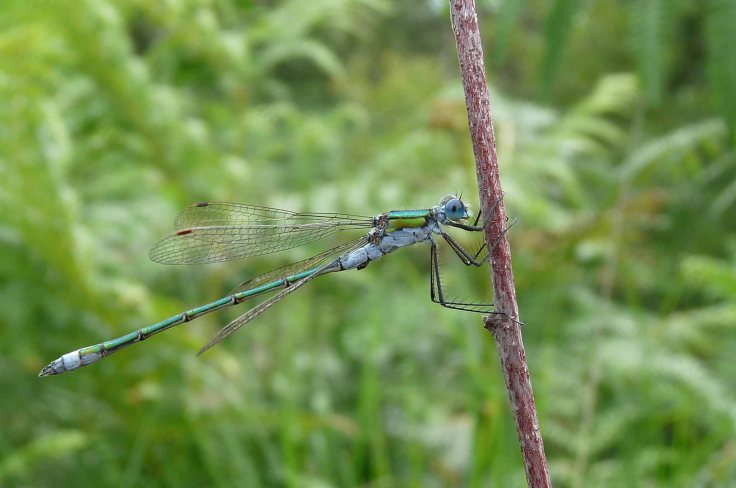
Montagu’s Harrier- not seen at a reliable site and apparently having an off day.
Honey Buzzard- not seen, the birds were not showing during our visit period.
Hobby-seen at RSPB Lakenheath.
Grey Partridge-seen with young in tow in North Norfolk.
Water Rail-sqealing birds at RSPB Lakenheath.
Common Crane-a pair showed briefly at RSPB Lakenheath but were elusive.
Avocet-a few included a juvenile at WWT Welney.
Stone Curlew– at least eight were on show at one site in the Brecks, very vocal and active.

Black Darter June 2009 Coolpix MJMcGill 022
Little-ringed Plover-a few at WWT Welney.
Green Sandpiper-one at RSPB Lakenheath.
Black-tailed Godwit-c30 at WWT Welney.
Ruff-nine males in breeding plumage, all colours noted.
Turtle Dove-pairs and singles seen in flight but no perched up birds.
Cuckoo-singing birds still at RSPB Lakenheath.
Barn Owl-one hunting the bank at WWT Welney.
Yellow Wagtail-juveniles on the main lagoon at WWT Welney.
Cetti’s Warbler-seen and heard at Strumpshaw Fen.
Spotted Flycatcher-a pair with young on the visitor centre at Strumpshaw were very approachable. As with Grey Partridge, a treat to see these days.

White-faced DarterNorfolk Hawker 1to5 June 2009 Lumix MJMcGill 041
Bearded Tit– excellent views from a variety of places around the RSPB Lakenheath reserve were mostly of juveniles. Also seen at Strumpshaw.
Golden Oriole-after a patient wait we were all rewarded with many stunning views in the open of the singing male at Lakenheath.

Other birds included Teal, Shoveler, Treecreeper, Nuthatch, Common Tern, Reed and Sedge Warbler, Bullfinch, Reed Bunting, Yellowhammer.

Dragonflies– at least 11 species noted.

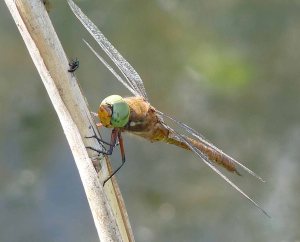
Norfolk Hawker-c6 were seen at RSPB Strumpshaw Fen. Fighting and territorial males and ovipositing female noted. Excellent views were had by everyone, we studied them in detail. The green eyes are clearly seen in this image.

White-faced DarterNorfolk Hawker 1to5 June 2009 Lumix MJMcGill 078
Scarce Chaser-a male at RSPB Lakenheath was resting on the edge of a reedbed pool.
Southern Hawker– a male at Thompson Common.
Brown Hawker– seen resting and hunting at Lakenheath and Strumpshaw.
Ruddy and Common Darters, Emperor, Black-tailed Skimmers, Emerald, Blue-tailed, Red-eyed, Common Blue and Azure Damselflies.

Butterflies

Swallowtail-one of our target species, a magnificent example of the brittanicus race was found by Denise soon after leaving the visitor centre.
White Admiral– one found by NRS at Thompson Common.

Lime Hawk Moth-one attracted to lights in the hotel at Brandon.

Grass Snake-one along the reedbed path at Strumpshaw Fen RSPB.
Muntjac-one at Thompson Common

I may well have missed something out from the list but it still shows a great set of wildlife, thanks to all that attended and to Bob Radford for driving Neil and some of our group around.

MJMcGill

1-31 July 2009 blog diary and sightings

30 -31 July 2009 A few new waders about at WWT Slimbridge but a quiet end to the month.

Anser Birding Madeira 13-18 July 2009  images on the link below

http://www.anserbirding.com/photos/svmanager/g28/

Trip report now live on thetrip reports page.

29 July 2009 A rotten wet day, at WWT over 750 Sand Martin were ‘grounded’. I counted 340 along the fences at the 100 Acre.

Suffering Sand Martins

29 July 2009  MJMcGill 110

29 July 2009  MJMcGill 112

29 July 2009  MJMcGill 119

Spitfire, Whitmimster

29 July 2009  MJMcGill 092

Yellow-legged Gulls  WWT Slimbridge MJM

Madeira and WWT July 2009  MJMcGill 046

21-27 July 2009 A busy period at WWT with the best birding involving gulls and waders. My first moulting adult Whinchat of the autumn noted today (27th) plus a Southern Hawker. The dragonfly pool at the South Finger has Brown Hawker, Emperor, Common Darter and Southern Hawker this week plus Blue-tailed and Common Blue Damselfly.

Brown Hare WWT Slimbridge MJM

29 July 2009  MJMcGill 104

This juvenile Mediterranean Gull was ringed in Oye Plage, Calais, France on 16 June 2009. I saw it on the WWT Top New Piece. This French site has featured three times on Anser trips.

Madeira and WWT July 2009  MJMcGill 052

19-20 July 2009 Downpours at WWT with hot, sunny spells still made for good birding and insect watching. A male Ruff is among the scrape waders and yesterday 103 Dunlin, 8 Sanderling and 4 Red Knot joined the Black-tailed Godwits and Curlew on the estuary. One of the godwits has a white feather on the wing which stands out from distance.

13-18 July 2009 An early hours start and late return from the Anser Madeira trip…..a trip report is in preparation covering our sightings and images. Andy Jayne found a Squacco Heron whilst waiting for his pizza! More to come soon….

9-12 July 2009 A weekend off was busy but very rewarding, my son’s Sports day on 10th.  Congratulations to my old mate Nick Goatman and his new wife Rachel, thank you to them for letting us share a lovely day on 11th.  A day at the Ashes in Cardiff with my partner Harriet, Jeremy Squire and Steve Dark saw a gripping finale to the first test, the best draw I have ever seen and what a batting performance from Monty and Jimmy.

July Madeira Sports Day and Nick Rach 2009  MJMcGill 063

8 July 2009 No birding for me today but a few things seen from the tractor cab including 35+ Tufted Ducklings with 7 females on the Long Ground Pool.

Tufted Ducks July 8 2009 Lumix MJMcGill 011

7 July 2009 A day at Buckingham Palace, I was invited along with Harriet to the Garden Party. We got there on time parking at the front gate of the palace near the grand entrance. A stroll along the Mall to Trafalgar Square for lunch and then a look around the National Gallery was all very interesting. The famous and iconic Sunflowers by Van Gogh (reminds me of the Arles, S. France connection as it is where we stay on the Anser trips)  and the Execution of Lady Jane Grey, Paul Delaroche were my personal favourites, the latter very evocative and a reminder of how brutal life in Britain could be. Click on the link for full details and a view

http://www.nationalgallery.org.uk/paintings/paul-delaroche-the-execution-of-lady-jane-grey

The afternoon was spent in the gardens where the Queen mingled with various people in line. She stopped to talk with a trio of forces (RAF, Army and Navy) girls that were next to us. After this we headed for the Tea tent and had a lovely selection of sandwiches and cake with out tea on the lawn. Whilst looking for the Chamomile Lawn we were caught in a downpour that turned into torrential monsoon like rain and eventually thunder and lightning low overhead, the largest hail stones I have ever seen dropped on us, many as large as my thumbnail. Quite spectacular weather causing the paths to turn to rivers and the lawns to lakes, wetland creation in London. Glad we bought a brolly from Boots.

Previa at the Palace, exclusive parking

Buckingham Palace July 7 2009 Lumix MJMcGill 002

MJM at Buckingham Palace 7 July 2009
To all the Anser friends on the 4-5 July trip…this proves I did buy a new suit

Buckingham Palace July 7 2009 Lumix MJMcGill 031

Norfolk Hawker, Strumpshaw Fen RSPB MJM

White-faced DarterNorfolk Hawker 1to5 June 2009 Lumix MJMcGill 083

4-5 July 2009 The Rare breeding bird visit to East Anglia incorporated some new habitats and sites. See the trip report coming soon..

Stone Curlew ‘undisclosed site’ Norfolk

Black Darter June 2009 Coolpix MJMcGill 026

White-faced Darter, Whixhall Moss NNR, Shropshire MJM

White-faced DarterNorfolk Hawker 1to5 June 2009 Lumix MJMcGill 033

White-faced Darter, Whixhall Moss NNR July 2009 MJMcGill

White-faced DarterNorfolk Hawker 1to5 June 2009 Lumix MJMcGill 025

Silver-studded Blue, Prees Heath Butterfly Conservation Reserve
Shropshire MJM

White-faced DarterNorfolk Hawker 1to5 June 2009 Lumix MJMcGill 048

Territorial Black Darter, Whixhall Moss NNR Shropshire

Black Darter June 2009 Coolpix MJMcGill 001

Emerald Damselfly, Whixhall Moss NNR , Shropshire MJM

White-faced DarterNorfolk Hawker 1to5 June 2009 Lumix MJMcGill 008

Black Darter (teneral=recently emerged) Whixhall Moss NNR, Shrops MJM

White-faced DarterNorfolk Hawker 1to5 June 2009 Lumix MJMcGill 016

Silver-studded Blue, Prees Heath, Shropshire MJM

White-faced DarterNorfolk Hawker 1to5 June 2009 Lumix MJMcGill 046

Four-spotted Chaser, Whixhall NNR, Shropshire, MJM
Also has a creamy face but much larger and stockier with no red.

White-faced DarterNorfolk Hawker 1to5 June 2009 Lumix MJMcGill 010

Anser Birding North Norfolk 22-24 May 2009 trip report

21-27-may-2009-coolpix-mjmcgill-0451

21-27-may-2009-coolpix-mjmcgill-0621

21-27-may-2009-coolpix-mjmcgill-1291

21-27-may-2009-coolpix-mjmcgill-0542

Collared Pratincole at Cley NWT, Woodlark at Roydon Common and Golden Oriole on the nest RSPB Lakenheath, Avocet at RSPB Titchwell.

22-24 May 2009 Anser Birding North Norfolk

The Spring weekend trip to North Norfolk is an annual one for Anser and always produces great birding. This visit was so memorable for me for the amazing avian behaviour we witnessed, the weather and the fact we managed to see everything we went for. To top it off a very enthusiastic group that ensured the outcome being the best Anser Norfolk Spring trip ever!

To round up the amazing sites we witnessed is not easy, lots of birds had young or were nesting which is always good to see. Stone Curlew was enjoyed by all, Golden Oriole, Crane and Bittern (Jill spotted this one) were seen by some of the group on day one. A look at the weather convinced me to go for the Collared Pratincole at Cley on Friday, my instincts told me it would go overnight, it turned out it did only to reappear in Yorkshire. This Mediterranean overshoot is delightful to watch, as it was windy it favoured sheltering and running about ‘plover like’. A Spoonbill was joined by two others that flew in. Some of the group had lovely views of Bearded Tit.

A good day of birding was had by all. On Saturday morning we woke to a scorcher, at Holme I picked up a Bittern in flight which disappeared. Ten minutes later it surfaced with a pair of Marsh Harriers attacking it. It must have been near the nest. The Bittern climbed to the top of the reeds and turned itself in a larger bird by opening out all of its feathers including head and neck. It opened the bill to a full gape and stabbed at the annoyed raptors on every dive. This went on for ten minutes, great stuff. After breakfast at Swanton Novers we watched a pair of Honey Buzzard cruise overhead then watched the male set out on a display session that must have involved c50 consecutive butterly flaps. Two female Montagu’s Harriers were also enjoyed today and at RSPB Titcwell, excellent views of Bearded Tits, a Hen Harrier and another Bittern in flight. The most significant record was of a female Red-crested Pochard with a brood of ducklings. In the evening the still, calm conditions were perfect for dusk birding and at Roydon Common we gained lovely views of Woodcock roding and calling and 2-3 Nightjar picking moths of the birches, churring, calling and chasing about over us. Unusually a Hobby flew past calling in the dark and more typical a Cuckoo was singing.

On Sunday we had great views of Woodlark (good spot Len) collecting grubs when the male carefully piled up the food package, all balanced on the ground and gathered another package. It returned to the original, picked them up as well and flew off to feed the young. We returned to RSPB Lakenheath and got great views of Golden Oriole in the nest, a Garagney pair on the washes and a Grasshopper Warbler reeling. We did not fit in a visit to the Squacco Heron in Cambridgeshire but I was pleased to hear Jill and Trevor saw it well on Monday. The Painted Lady invasion was in full force today, I noted c600 but the days to come were to see at least 16,000 past Scolt Head.

Thanks to all who attended for their company, special thanks to Neil Smart for helping me out and locating more birds and to Trevor Blythe who kept notes and compiled the list.

Martin J McGill

ANSER BIRDING: NORTH NORFOLK TRIP MAY 2009

1.Birding Itinerary:Birds Seen/Heard By Location.

Friday 22 May 2009

1.1.Newmarket .

House Martin

Sparrowhawk

House Sparrow

Starling

Swift

Magpie

Crow

Blackbird

1.2 ‘Stone Curlew site’

Stone Curlew

Yellowhammer

Red-legged Partridge

Jay

Woodpigeon

Pheasant

Lapwing

[en route to next stop at Lakenheath ]

Common Buzzard

Kestrel

1.3.Lakenheath Fen RSPB reserve

Mallard

Hobby

Common Crane [Flying in distance]

Whitethroat

Blackcap [Heard]

Marsh Harrier

Reed Bunting

Reed Warbler [Heard]

Swift

Cormorant

Bittern [Heard and/or seen by some]

Cuckoo [Heard]

Golden Oriole [Heard]

Blue Tit

Wren

Great Spotted Woodpecker

Great Crested Grebe

Mute Swan

Grey Heron

Coot

Gadwall

Swallow

[en route to Cley]

Collared Dove

Chaffinch

Stock Dove

Pied Wagtail

Goldfinch

Greenfinch

Starling

Black-headed Gull

1.4. Cley NWT NR

Greylag Goose

Collared Pratincole

Oystercatcher

Shelduck

Avocet

Spoonbill

Black-headed Gull

Mallard

Woodpigeon

Gadwall

Lapwing

Coot

Moorhen

Ringed Plover

Shoveler

Sandwich Tern

Pied Wagtail

Jackdaw

Bar-Tailed Godwit

Black-Tailed Godwit

Redshank

Linnet

Little Tern

Bearded Tit

Egyptian Goose

Dunlin

Mute Swan

Starling

Marsh Harrier

Swift

Sand Martin

Swallow

Pheasant

Greenfinch

Magpie

Blackbird

[en route to Hunstanton]

Tufted Duck

Little Egret


Saturday 23 May

1.5. Pre –breakfast walk at Holme next the Sea

Wood Pigeon

Reed Bunting

Linnet

Meadow Pipit

Redshank

Bittern*

Marsh Harrier*

Crow

Magpie

Oystercatcher

Black-headed Gull

Chaffinch

Robin

Turtle Dove

Wren

Stonechat

Cuckoo

Mallard

Mute Swan

Sedge Warbler

Red-legged Partridge

Lapwing

Chiffchaff

Dunnock

Jackdaw

Willow Warbler

Whitethroat

Swallow

Blackbird

Moorhen

* Marsh Harrier pair engaged in an aerial attempt to drive-off the Bittern, which had presumably strayed into a reed bed containing the Harrier nest. The Bittern fiercely resisted and showed well for several minutes.

[en route to raptor watchpoint]

Yellowhammer

Chaffinch

Swallow

House Martin

Crow

1.6. Raptor watchpoint at Swanton Novers NNR [Fulmodestone Road]

Sparrowhawk

Common Buzzard

Yellowhammer

Greenfinch

Skylark

Chaffinch

Lesser Whitethroat

Blue Tit

Hobby

Honey Buzzard [male and female]

1.7. ‘Raptor watchpoint’ near coast.

Grey Partridge

Skylark

Lapwing

Montagu’s Harrier [female]

Pied Wagtail

Black-headed Gull

Herring Gull

Swift

1.8.Titchwell RSPB Reserve.

Mute Swan

Coot

Black-headed Gull

Great Crested Grebe

Bearded Tit

Red-Crested Pochard

Reed Warbler

Wood Pigeon

Marsh Harrier*

Greylag Goose

Starling

Chaffinch

Collared Dove

Crow

Redshank

Lapwing

Grey Plover

Mallard

Reed Bunting

Swallow

Bittern

Ruddy Duck

Little Grebe

Avocet

Canada Goose

Brent Goose

Shelduck

Shoveler

Gadwall

Herring Gull

Common Gull

Lesser Black Backed Gull

Turnstone

Bar-Tailed Godwit

Black-Tailed Godwit

Hen Harrier

Oystercatcher

Little Egret

Little Tern

Cetti’s Warbler

Sandwich Tern

Common Tern

Sanderling

Cormorant

Robin

Pied Wagtail


* aerial transfer of food between a pair

1.9 Evening visit to Roydon Common.

Garden Warbler [Heard]

Green Woodpecker [Heard]
Cuckoo

Hobby

Woodcock

Nightjar

Sunday 24 May

1.10. Visit to Hunstanton shore

Common Scoter[Seen by Len and Kate]

1.11. Morning visit to Roydon Common

Mistle Thrush

Tree Pipit

Kestrel

Black-Headed Gull

Carrion Crow

Curlew

Yellowhammer

Woodlark

Jackdaw

Pheasant

Jay

Stock Dove

Rook

Red-legged Partridge

[en route between Burnt Fen and Sedge Fen]

Yellow Wagtail [Martin only]

1.12.Lakenheath Fen RSPB reserve

Great Tit

Great Crested Grebe

Coot

Cormorant

Mute Swan

Reed Bunting

Hobby

Grey Heron

Golden Oriole

Sparrowhawk

Marsh Harrier

Common Buzzard

Cuckoo

Sedge Warbler

Reed Warbler

Grasshopper Warbler [Heard]

Mallard

Garganey pair

1.13. Newmarket

Little Owl [Heard by Martin]

2. Total species seen: 102

Avocet

Blackbird

Bittern

Bunting, Reed

Buzzard,Common

Buzzard, Honey

Chaffinch

Chiffchaff        

Coot

Cormorant

Crane, Common

Crow, Carrion

Cuckoo

Curlew

Curlew, Stone

Dove, Collared

Dove, Stock

Dove, Turtle

Duck, Ruddy

Duck, Tufted

Dunlin

Dunnock

Egret, Little

Gadwall

Garganey

Greenfinch

Godwit, Bar-Tailed

Godwit, Black-Tailed

Goldfinch

Goose, Brent

Goose, Canada

Goose, Egyptian

Goose, Greylag

Grebe, Great Crested

Grebe, Little

Gull, Black-headed

Gull, Common

Gull, Herring

Gull, Lesser Back- backed

Harrier, Hen

Harrier, Marsh

Harrier, Montagu’s

Heron, Grey

Hobby

Jackdaw

Jay

Kestrel

Linnet

Magpie

Mallard

Martin, House

Martin, Sand

Moorhen

Nightjar

Oriole, Golden

Oystercatcher

Partridge, Grey

Partridge, Red-legged

Pheasant

Pipit, Meadow

Pipit, Tree

Plover, Grey

Plover, Green

Plover, Ringed

Pochard, Red Crested

Pratincole, Collared

Redshank

Robin

Rook

Sanderling

Scoter, Common

Shelduck

Shoveler

Skylark

Sparrowhawk

Sparrow, House

Spoonbill

Starling

Stonechat

Swallow

Swan, Mute

Swift

Thrush, Mistle

Tit, Blue

Tit, Bearded

Tit, Great

Tern, Common

Tern, Little

Tern, Sandwich

Turnstone

Wagtail, Pied

Wagtail, Yellow

Warbler, Cetti’s

Warbler, Reed

Warbler, Sedge

Whitethroat

Whitethroat, Lesser

Woodcock

Woodlark

Woodpecker, Great Spotted

Wood Pigeon

Wren

Yellowhammer

3. Total species heard only: 5         

Blackcap

Owl, Little

Warbler, Garden

Warbler, Grasshopper

Woodpecker,Green

4. Total species seen and/or heard: 108       


1-30 June 2009 blog diary and sightings

Ruddy Darter MJM

Emperor Brown Hawker 30 June 2009 Lumix MJMcGill 009Brown Brown Hawker, WWT, MJM

Emperor Brown Hawker 30 June 2009 Lumix MJMcGill 023Female Emperor ovipositing MJM

Emperor Brown Hawker 30 June 2009 Lumix MJMcGill 006

29-30 June 2009 Still great insect weather, temperatures this weeks heatwave of up to 30 c has been good for butterflies and dragonflies. New birds include a breeding plumage, blackish form male Ruff at WWT today.

Shoveler brood WWT.

Water Vole 29 June 2009 Lumix MJMcGill 005

Baby Water Vole, WWT Slimbridge Wetland Centre MJM

Water Vole 29 June 2009 Lumix MJMcGill 013

28 June 2009 The WWT landrover safari’s were very productive again today. The very warm weather made it a great day for insects. My first 2 Brown Hawkers of the year and 6 Marbled Whites. A Water Vole in the 100 Acre and at the Centre entrance wiith three young were appreciated by many. Also noted today a 1st summer and adult Yellow-legged Gull, Hobby, 2 Shoveler broods, 12 Green Sandpiper, 50 Black-tailed Godwit, 90 Redshank including 2 fledged juveniles and a fluffy juvenile in the Top New Piece. Cuckoo and Kingfishers at the Kingfisher Hide. Stacks of dragonflies, damselflies and butterflies of many species. On the estuary a Whimbrel, 100 Curlew, 200 Shelduck and thousands of gulls feeding in the mud.

Brown Hawker, WWT South Finger near the new dragonfly pond.

Brown Hawker 29 June 2009 Coolpix MJMcGill 001

First summer Yellow-legged Gull

Brown Hawker 29 June 2009 Coolpix MJMcGill 013

27 June 2009 A few damselflies about the garden and a chaser sp.

26 June 2009 A walk out at Frampton in the torrential rain produced singing Common and Lesser Whitethroat prior to the deluge, breeding plumage Spotted Redshank, Redshank pair with young and Lapwing with young at Saul Warth and a lot of water. A Common Whitethroat was singing adjacent to my garden.

25 June 2009 Generally numbers still building at WWT, six Green Sandpiper, 15 Black-tailed Godwit, a Dunlin, 9 Redshank and 40 Lapwing were on the Top New Piece but were eclipsed by a singing Quail that was clearly audible from the Zeiss Hide. Many visitors are seeing and photographing Otter from the Kingfisher Hide where Cuckoo and Whitethroat are also on territory. I may have glimpsed a Lesser Emperor at work today. At least three pairs of Common Tern are now nesting on the 100 Acre.

Had a couple of days off at home (except for covering the 1850-2220 period at WWT on safari/bar-b-q), highlight was a Spitfire performing stunts over the garden, due to 350mph speeds I never got a decent shot of this iconic aircraft with it’s beautiful sound.

Spitfire MK 4? in D Day landing livery, Whitminster.

late June 2009 Lumix MJMcGill 028

23 June 2009 The safari was excellent at WWT Slimbridge this evening, a very warm evening, thousands on Meadow Browns on the wing, my first Southern Hawker of the year, Emperors out in the dark!, 40 Sand Martin and 30 Starling coming into roost, Barn Owl hunting at sunset, a great Severn Bore etc etc.

May Hill, The Severn Estuary and Barn Owl MJM

late June 2009 Lumix MJMcGill 021

Barn Owl and Fretherne Sluice in the distance.

late June 2009 Lumix MJMcGill 017

22 June 2009 RDH and myself ringed 18 juvenile Black-headed Gulls on the South Lake late in the afternoon. The Common Terns on South Lake are nesting on the small pier I built to gravel the island over a couple of years ago. An Oystercatcher also had a nest with one damaged egg in it. The Bottom New Piece flood had 30 Black-tailed Skimmers over it this afternoon. On the tide, six Yellow-legged Gulls (second summers and adults)were the highlight at WWT today.

Pyramidal and Bee Orchids WWT Slimbridge June 2009 MJM

mid June 2009 Lumix MJMcGill 012    mid June 2009 Lumix MJMcGill 015

Female Tufted Duck and young WWT Slimbridge MJM

mid June 2009 Lumix MJMcGill 053

Common Redshank WWT Slimbridge June 2009 MJM

mid June 2009 Lumix MJMcGill 026

10-21 June 2009 Not many posts lately but still plenty going on locally among the breeding birds. A Snipe was a very intriguing record from WWT today, maybe a breeder? At least two possibly three broods of Shoveler at work today made me very happy. One brood contains 10 ducklings and are very well grown.  Tufted Duck are now hatching young everywhere, another highlight of the summer and it is time for the orchids.

9 June 2009 Our breeding waders are always a highlight.

Lapwing chick MJM

7-june-lumix-mjmcgill-028

8 June 2009 Another look at the breeding plumage waders at WWT which roosted and fed very near to Middle Point hide at low tide. Now 5 Grey Plover, a Red Knot, 3 Turnstone (all first summers), the Curlew Sandpiper which is a first summer and a small flock of Ringed Plover including many first summers and a juvenile and c 40 Dunlin.

First summer Turnstone MJM

8-june-coolpix-mjmcgill-038

First summer Curlew Sandpiper MJM

8-june-coolpix-mjmcgill-051

Curlew Sanderling!

8-june-coolpix-mjmcgill-041

Sanderling MJM

8-june-coolpix-mjmcgill-056

7 June 2009 A birdwatch morning at WWT focussing on waders was very good, 4 Grey Plover (two in fine breeding plumage), a Curlew Sandpiper, Little Stint, 15 Sanderling and Dunlin and Ringed Plover all in breeding plumage.

6 June 2009 A wet day! almost forgot what they are like.

5 June 2009 Went to Ashleworth Ham again, the Redstarts were showing well along the road and Cuckoo singing. Next stop Cannop Ponds and brook with my target being the Golden-ringed Dragonfly, we found 4-5 and saw them resting, feeding, patrolling territories and even ovipositing in the Cannop Ponds. A family of Grey and Pied Wagtail were around the stoneworks. At Lydney Lakes I saw my first Tufted Ducklings of the year (3). A look at Saul Warth and Townfield Lake did not produce much out of the ordinary. News of a shrike sp at Coombe Hill today GWT and the Rosefinch seen again at Ashleworth Ham GWT on Wednesday shows that birds are still around/arriving.

The magnificent Golden-ringed Dragonfly, Cannop Stoneworks, MJMcGill.

5-june-lumix-mjmcgill-007

5-june-lumix-mjmcgill-006

2-4 June 2009 Lots of dragonfllies locally. A roundup in images follows, also a Bee swarm at WWT was nearly collected by a Bee Keeper but they did not want to go in the box.

Hairy Dragonfly, WWT 100 Acre MJM

1-to-3-june-lumix-mjmcgill-034 1-to-3-june-lumix-mjmcgill-036

Broad-bodied Chaser, WWT MJM

1-to-3-june-lumix-mjmcgill-016

Black-tailed Skimmer, Saul Warth

1-to-3-june-lumix-mjmcgill-056

Scarce Chaser, WWT Bull Ground, MJM

1-to-3-june-lumix-mjmcgill-045

Four-spotted Chaser, Forest of Dean, MJM

1-to-3-june-lumix-mjmcgill-032

1 June 2009 Up at 0440 to get to WWT for what ended up as four live and one recorded appearance for the BBC news. The Painted Lady invasion was the topic and the hot dry starts to the day certainly helped.

31 May 2009 A long day at WWT with the bird highlight being two Red Kites over the 100 Acre. I left work at 1800 and went straight to search for the Ashleworth Ham GWT  Common Rosefinch with NRS, PJT and RGB but our effort went unrewarded. 

Red Kites over the WWT 100 Acre, 31 May 2009
Note the primary moult.

31-may-lumix-mjmcgill-00131-may-lumix-mjmcgill-002

Anser Birding Andalucia/Coto Donana 14-19 April 2009 trip report

This tour was designed to give some time to exploring parts of the Huelva, Cadiz, Malaga and Seville provinces and look for some their special birds. The weather was milder for the time of year and we had some windy days with showers at times. The marshes were very full of water so this allowed the birds to spread out over huge areas rather than be concentrated. The windy days made it difficult to locate reedbed birds as they were skulking, as a result some easy to see birds were not logged. Overall temperatures were well below the average but on the plus side we had no heat haze and it was a sheer joy to take in grand views across the wetlands in particular with such a variety of skies.

A full list of the birds and wildlife seen follows with images from the trip too. I will add a gallery of views and scenery plus the best of the bird images on another link as soon as I get a chance.

I met six friends at Malaga airort on the morning of 14th and after negotiating the madness of the airport we were soon on the road heading North before stopping off for lunchtime tapas en-route. A selection of great dishes was taken with good coffee and all were ready for some birding. A short way up the road and we arrived at magnificnet Laguna de Fuente de Piedra which has the largest breeding colony of Greater Flamingo in Europe. Thousands could be seen feeding and nesting but we were distracted by the four Lesser Flamingo with them which were lifers for most! We also visited the Donana area staying in Hinojos for four nights as our base. We visited all the main birding sites on 15-16th with a lovely part of the day spent watching the activity at the Jose Valverde Centre where coffee,  toastie and fine birding can all be enjoyed together. We took in El Rocio (memorable for Dave and Martin digging the bogged down bus out of sand), La Rocina, El Acebuche (where we picknicked), Torre de La Higuera before returning for a bit and heading out again to the Dehesa de Abajo. A day out was spent on the East bank of the Guadalquivir (Brazo del Este/Pinzon marshes), La Algaida salinas and pinewoods, Laguna de Tarelo, Bonanza salinas travelling as far as Sanlucar de Barrameda on 17th. We took in the Espera lagoons on 18th, the mountains from Zahara-Grazalema-Montajaque/Benojoan and Ronda. The last day was spent driving back to Malaga.

I have prepared a list of the species I noted with a comment for some.  There is a chance I may have missed some out though.

Black-necked Grebe– seen around Donana’s pools and deeper wetlands, the largest number was of 60+ at Dehesa de Abajo reservoir.
Little Grebe– also noted at many sites.
Great Crested Grebe– seen at Dehesa de Abajo reservoir and a couple of other sites
Gannet– a few off Torre de la Higuera on 15th.
Cormorant-noted
Night Heron-seen on our journeys with many present and nesting in the heronry at Jose Valverde centre on 16th.
Cattle Egret– a very common bird,  in prime breeding condition and atop the sheep make for such memorable sightings.

spain-6-19-april-2009-coolpix-lumix-mjmcgill-070
spain-6-19-april-2009-lumix-mjmcgill-306

Squacco Heron-c6 seen at the Jose Valverde Centre on 16th with a few noted along the Brazo del Este/La Algaida road on 17th.
spain-6-19-april-2009-lumix-mjmcgill-275Little Little Egret-very common but still great birds in breeding plumage, especially at the heronries.
Great White Egret– a few noted in the wetlands of the Corredor Verde and East of the Jose Valverde Centre.
Grey Heron-noted
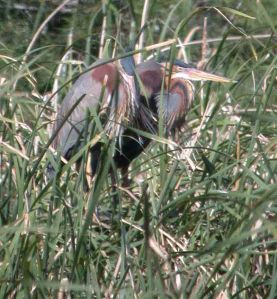
Purple Heron– seen around Donana but large numbers nesting the Jose Valverde Heronry reedbeds.

A pair of Purps

spain-6-19-april-2009-coolpix-lumix-mjmcgill-059

White Stork– very common, we took a look at the large tree borne colony at Dehesa de Abajo on 16th.
Black Stork-one was seen at the La Algaida saltpans on 17th.
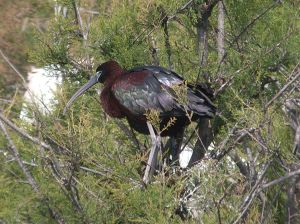
Glossy Ibis– huge numbers nesting at Jose Valverde Centre with squadrons coming and going all the time. Seen in flocks at La Rocina on 15th and around Donana generally.spain-6-19-april-2009-coolpix-lumix-mjmcgill-063
Spoonbill-seen virtually everywhere in Donana including in the ditches but a pair on an island tamarisk nest at Laguna de Tarelo were notable for the views and study of behaviour on 17th.
Greater Flamingo– no counting but 10,000+ at Laguna de Fuente de Piedra on 14th, 100 El Rocio on 15th and 400 at La Algaida on 17th. The former mentioned site had many active nests.
Lesser Flamingo-four among the larger relatives at Laguna de Fuente de Piedra on 14th. I have since heard there are six and a pair are nesting.
Greylag Goose– two on rice fields near Dehesa de Abajo on 16th.
Shelduck– two at Laguna de Fuente de Piedra on 14th.
Mallard-noted.
Gadwall– noted.
Shoveler– noted.
Teal– a pair noted.
Pochard-very common everywhere in Donana.
Red-Crested Pochard– seen at Dehesa de Abajo reservoir, El Rocio, Brazo del Este and many other sites in good numbers.
White-headed Duck– a male at Laguna de Fuente de Piedra on 14th and 7 males and one female at Espera Lagunas on 18th.
Griffon Vulture– seen over Donana and in the mountains around Ronda but not in great numbers.
Short-toed Eagle-seen well in a number of locations with prolonged views at Dehesa de Abajo on 16th.
Booted Eagle-both colour phases noted at a large variety of sites.
Bonelli’s Eagle-one flew past the bus near Zahara near Ronda on 18th but did not stay to be enjoyed.
Black Kite– very common in most places.
Marsh Harrier-seen hunting around Donana and Brazo del Este.
Black-winged Kite-one seen mobbing a Buzzard near Hinojos on 17th.
Montagu’s Harrier-best views were of hunting birds around Espera Lagunas on 18th. A first summer male was watched well here.
Common Buzzard– seen at a variety of sites.
Sparrowhawk– seen at a variety of sites.
Kestrel-seen commonly.
Lesser Kestrel-distant birds seen whilst travelling, the poor weather in Ronda put paid to good views.
Peregrine-one recorded.
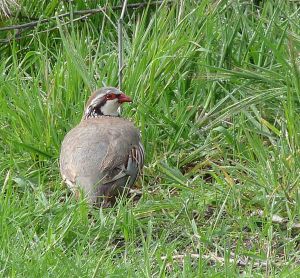
Red-legged Partridge-seen commonly in the Espera area and at other sites.

spain-6-19-april-2009-lumix-mjmcgill-311
Quail-heard around Donana.
Pheasant-noted.
Moorhen-noted.
Coot-noted.
Red-knobbed Coot– one seen well in thick emergent vegetation at the Brazo del Este. See below.

spain-6-19-april-2009-coolpix-lumix-mjmcgill-084

Purple Swamphen-seen well at a number of sites around Donana.
Great Bustard-2 seen flying N over the Antequera-Seville road near J43.
Avocet-seen in numbers at a number of sites.
Black-winged Stilt-very common at all wetland sites.

Black-winged Stilt at Laguna de Fuente de Piedra

spain-6-19-april-2009-lumix-mjmcgill-228

Stone Curlew-6 seen around the Espera Lagunas.
Collared Pratincole-very common in a variety of areas.

spain-6-19-april-2009-lumix-mjmcgill-300

Little-ringed Plover-seen at Laguna de Fuente de Piedra.
Ringed Plover-noted.
Kentish Plover-seen at a variety of sites.
Grey Plover-seen at Bonanza.
Sanderling-seen at Bonanza.
Dunlin-seen in numbers at many sites.
Curlew Sandpiper– lots at Laguna de Fuente de Piedra and Bonanza.
Little Stint-as above.
spain-6-19-april-2009-lumix-mjmcgill-245

Wood Sandpiper-singles at Fuente de Piedra, Jose Valverde centre and in large numbers at Lagunas de Tollos.
Green Sandpiper-noted.
Common Sandpiper-noted.
Redshank-noted.
Spotted Redshank– small numbers at a variety of sites but 10+ at Lagunas de Tollos.
Greenshank-noted.
Black-tailed Godwit-noted.
Bar-tailed Godwit-noted.
Curlew-noted.
Whimbrel-noted.
Snipe-noted.
Ruff– breeding garb birds were seen in flocks.

Male Ruff in breeding dress, Fuente de Piedra

spain-6-19-april-2009-lumix-mjmcgill-238

Black-headed Gull-noted.
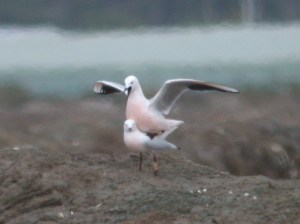
Slender-billed Gull– 2 at the Laguna de Tarelo and 200+ at Bonanza, mating birds and calls all noted and feeding flocks watched at close range. See below.

spain-6-19-april-2009-coolpix-lumix-mjmcgill-104

Mediterranean Gull-a first winter at Brazo del Este.
Yellow-legged Gull-common.
Lesser-black backed Gull-noted past Torre de la Higuera.
Little Tern-seen at Bonanza especially.
Sandwich Tern- seen on the coast.
Gull-billed Tern-seen feeding in flocks over marshes and fields and even following the plough. Resting bird below.

spain-6-19-april-2009-coolpix-lumix-mjmcgill-074

Whiskered Tern-common over all marshes.
Woodpigeon-seen at Espera lagunas.
Collared Dove.
Turtle Dove-seen in the Northern woods of Donana.
Little Owl-singles spotted from the car on two ocasions with a showy bird along the Brazo del Este to La Algaida road.
Swift-common.
Pallid Swift-seen at a variety of sites but studied in detail over Dehesa de Abajo.
Hoopoe-seen everywhere in small numbers.
Bee Eater-seen at many sites.
Crested Lark-very common.
Woodlark-seen at El Acebuche.
Short-toed Lark-seen around the dry marshes and fields. One individual was at home in wheel ruts, see below.

spain-6-19-april-2009-lumix-mjmcgill-252
Lesser Short-toed Lark-seen well at La Algaida and other salt scrub areas.
Sand Martin-recorded at many sites.
Crag Martin-seen at Ronda and in the mountains.
Barn Swallow-common.
Red-rumped Swallow– seen at many sites and on our travels.
House Martin-common.
White Wagtail-seen a few sites.
Spanish Wagtail-common around Donana and in crops around Espera lagunas as seen below.

spain-6-19-april-2009-lumix-mjmcgill-314
Wren-heard at Puerto de las Palomas near Grazalema.
Robin-noted.
Redstart-one in the bushes outside the Jose Valverde Centre on 16th.
Black Redstart-seen and heard in the mountains around Grazalema.
Black-eared Wheatear– seen at Espera Lagunas on 18th.
Black Wheatear-a pair at Grazalema, a male nearby and a further pair near Montajaque all on 18th. One of the formers birds atop a boulder below.

spain-6-19-april-2009-lumix-mjmcgill-303
Stonechat-seen commonly.
Blue-rock Thrush– recorded in the mountains.
Mistle Thrush-recorded.
Blackbird-recorded.
Blackcap-recorded.
Sardinian Warbler-common.
Common Whitethroat-seen around Espera.
Spectacled Warbler-seen at Espera.
Subalpine Warbler-heard at a variety of sites but seen very well near Grazalema.
Sedge Warbler-recorded.
Zitting Cisitcola-common.
Savi’s Warbler-seen and heard well around Donana but La Rocina gave the best views.

Savi’s Warbler, La Rocina MJM

spain-6-19-april-2009-coolpix-lumix-mjmcgill-056

Cetti’s Warbler– heard at many sites.
Reed Warbler-heard and seen well at La Rocina.
Great Reed Warbler-common around Donana.

Great Reed Warbler in full song, El Rocio MJM

spain-6-19-april-2009-coolpix-lumix-mjmcgill-049

Melodius Warbler-three at the Jose Antonio Valverde Centre on 16th and 30+ around Espera Lagunas on 18th. See image below.
spain-6-19-april-2009-coolpix-lumix-mjmcgill-118

Bonelli’s Warbler– one at Grazalema on 18th.
Iberian Chiffchaff-watched and heard well at La Rocina on 15th and one or two other sites subsequently.
Great Tit-noted.
Blue Tit-noted.
Crested Tit-seen nesting at El Acebuche and seen in woodland at some other sites.
Penduline Tit-males at La Rocina on 15th and Brazo del Este on 17th.
Short-toed Treecreeper-noted.
Woodchat Shrike-common.
Southern Grey Shrike-seen mostly from the bus.
Azure winged Magpie-common.
Magpie-common.
Jay-noted.
Jackdaw-noted.
Red-billed Chough-seen at Grazalema and great views at Ronda gorge.
Carrion Crow-noted.
Raven-noted at Grazalema.
Spotless Starling-common.
House Sparrow-noted.
Tree Sparrow-noted.
Chaffinch-noted.
Linnet-noted.
Goldfinch-noted.
Greenfinch-noted.
Serin-common.
Cirl Bunting-seen near Montejaque.
Rock Bunting-noted.

Singing Black-Masked Weaver ?, Brazo del Este

spain-6-19-april-2009-lumix-mjmcgill-298

We also noted a few dragonfly species around Jose Valverde Centre especially with Scarlet and Red Veined Darters, Lesser Emperor and a few damselfly species. A variety of butterflies were noted but hard to track on the windy days.

Pick of the mammals would be Iberian Hare Lepus Granatensis but deer sp and Red Fox were noted.

Blog at WordPress.com.

Up ↑