1-27 April 2010 sightings and blog

Happy Birthday to Mike King today….

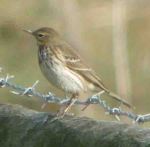
27 April 2010 New birds at WWT today included more Sedge (min 50 on site) and Reed (min 34 on site), a couple more Lesser Whitethroat (6 singers) and Common Whitethroat (5 singers), a near full breeding plumaged Spotted Redshank, a Greenshank, a Common Sandpiper and three Grasshopper Warbler continue to sing on site. A Red-breasted Merganser was seen on the estuary where my personal highlights were seeing 2 Coot ‘out there’ which is unusual and very scoteresque in the fog! Also 9 Whimbrel of which 8 in two parties of 4 flew inland toward the village to feed, they did this last year. A total of 11 Dunlin were also noted, very low. JSL had a female Redstart at the Knott Hide.

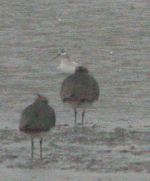
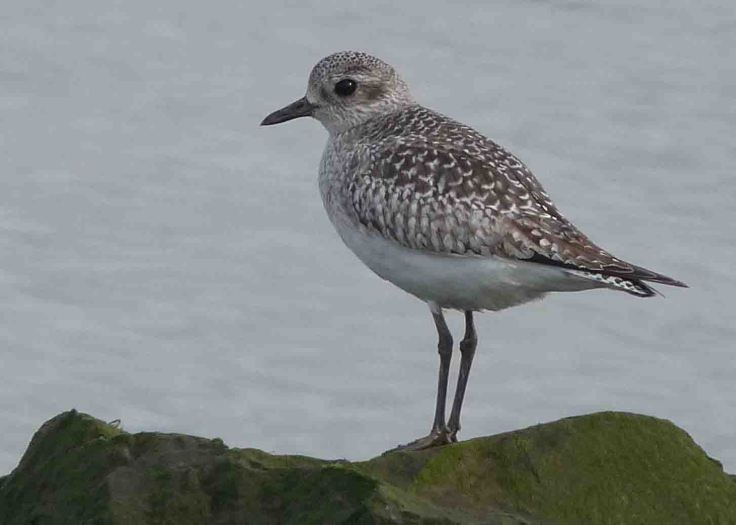
26 April 2010 A slightly quieter day for migrants but lots of territorial/singing birds around. A Grey Plover and 16 Dunlin was all on the river which has been rather quiet so far.

Grey Plover first summer on the Severn
Hobby, a pair were present around the WWT, 100 Acre also today.
Spotted Crake at the Robbie Garnett Hide, WWT Slimbridge MJM
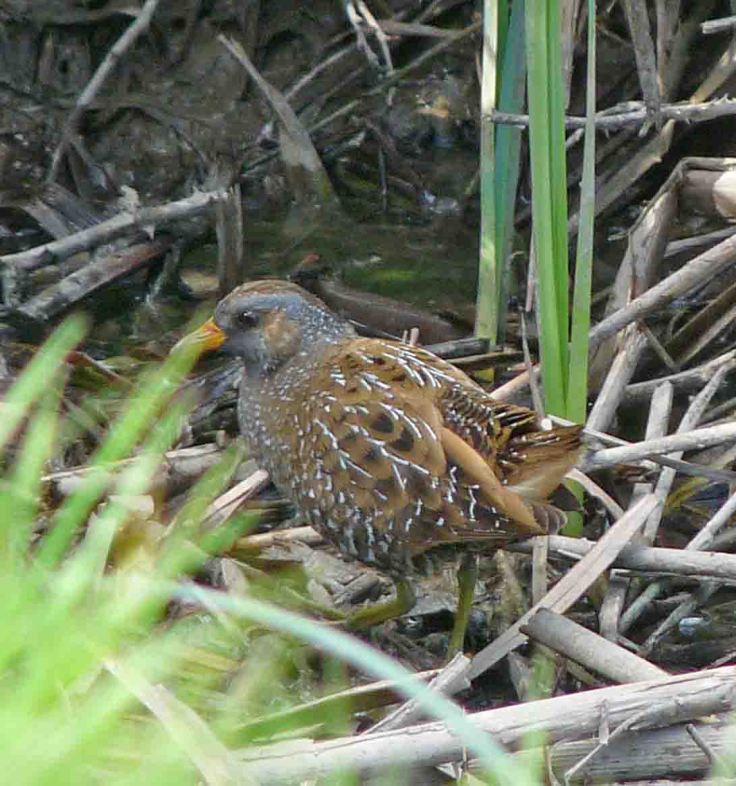
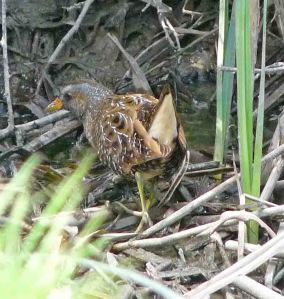
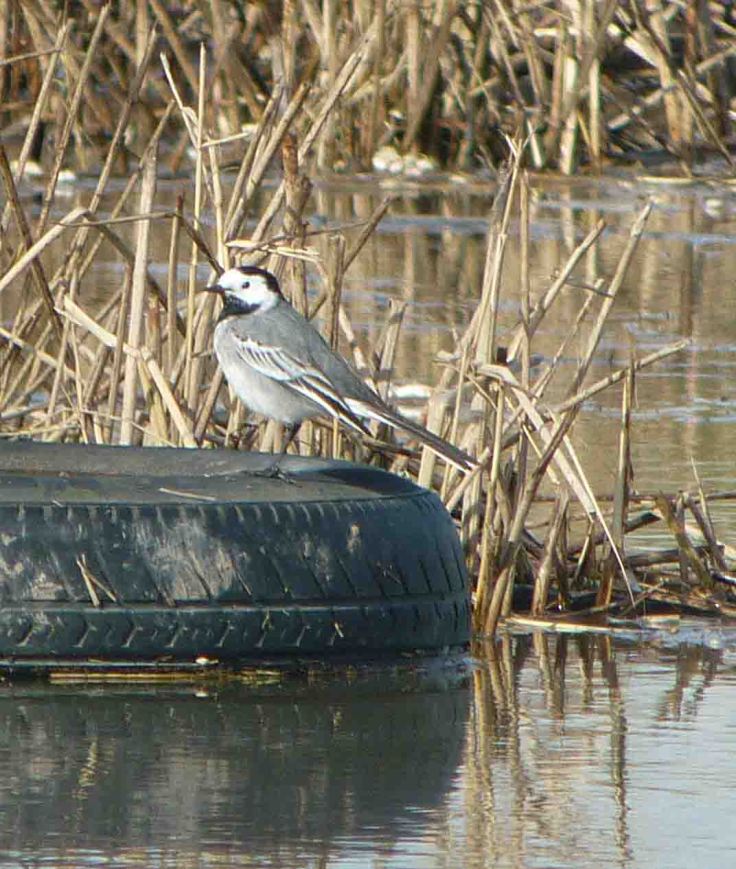
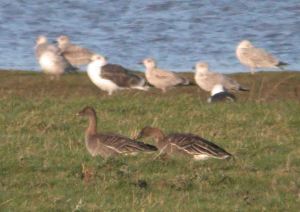
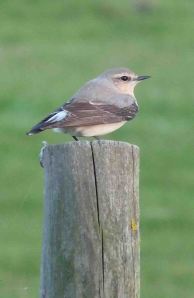
25 April 2010 Yet another good day at WWT Slimbridge. Plenty more migrants around with a Spotted Crake showing well at the Robbie Garnett Hide,  Bob Evans was in the hide and co-found this bird, he deserves it with the patience he shows trying to photograph the different birds around the reserve. I saw my first Hobby of the year, I actually heard its wings first as it swooped after a Swallow over my head! My first Whinchat, a fine male, my first Swifts, up to 20 around the 100 Acre and my first Common Tern of the year. Other migrants were…at least two White Wagtail N, at least three Yellow Wagtail N, 9 Whimbrel in the 100 Acre this evening, 38 Dunlin and a Ringed Plover on the estuary, four singing Lesser Whitethroat, four singing Common Whitethroat and two more migrants, 7 Wheatear including a very grey female, a Little ringed Plover, two ‘reeling’ Grasshopper Warblers at Middle Point, up to 20 Black-tailed Godwit, a Common Sandpiper, 2 Ruff, plenty of displaying Redshank and Lapwing, 10 Sand Martin,  and 3 Brown Hare.
24 April 2010 No real birding but I did see c20 Golden Plover flying around the fields at Bisley above Stroud. I was dying to check them for Dotterel but was fielding in a Cricket match and had to leave it!

23 April 2010 A very warm day in Whitminster, five species of butterfly in the garden including Orange Tip and Brimstone and Common Whitethroat singing across the road. I am pleased to see a Blackbird sitting in a newly built nest in my back garden.

Carrion Crow
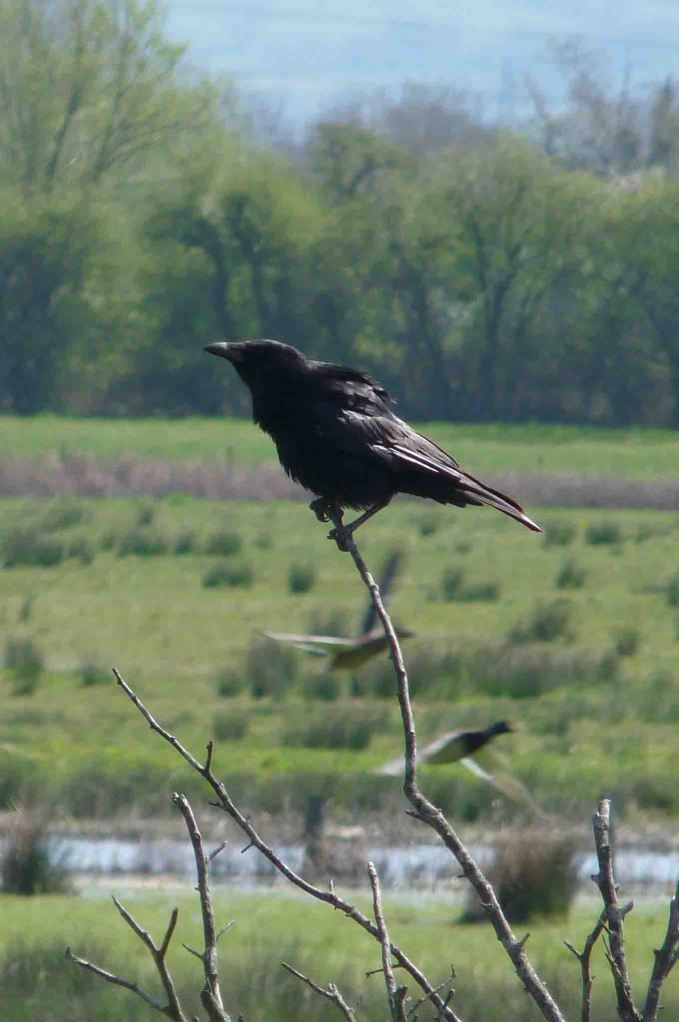
22 April 2010 My birding highlights at WWT were a pair of Ruff, 7 Dunlin, three Grasshopper Warbler including 2  reeling near the East platform in the 100 Acre. We actually had 5 in the area, one at the Holden Tower, one near Middle Point and another near the Tudor Arms. 20 Sedge Warbler, 2 Common Whitethroat and 6 Reed Warbler were also of note.

21 April 2010 I was up and out early for a Breeding Wader Survey of Saul Warth and other sites. It was still frosty so I waited 1.5 hours for it to warm up a bit before starting. A male Garganey, 21 Whimbrel, 5 Curlew and a pair of Oystercatcher were the pick of the birds. Between Wickster’s Brook and the R Cam Pumping station whilst looking for nesting waders I flushed a Grasshopper Warbler at my feet which flew up and perched in the hedge.

‘Pied Flicker’ WWT
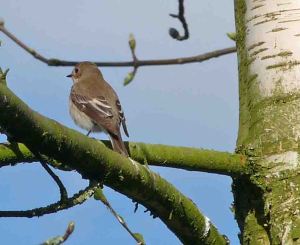
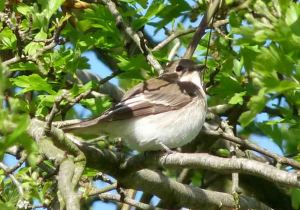
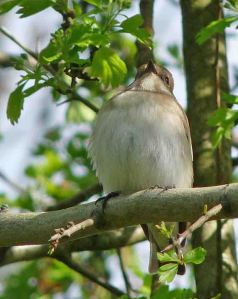
20 April 2010 A few more migrants arrived at WWT today, I saw/heard three Lesser Whitethroat, my first Common Whitethroat of the year, a male and female Ruff, 2 Dunlin, a White Wagtail, three Wheatear, three Yellow Wagtail, a few House Martins, 40 Swallow and more. Highlight of the day was a female Pied Flycatcher that JSL found in the canoe trail willows. I will post some images of it next time I log in but better ones can be found on the WWT website.

19 April 2010 I saw a first summer Little Gull at the 100 Acre pools in the morning, the same bird was around the previous evening. At least 14 Sedge Warbler and other common migrants.

Marsh Harrier over the Top New Piece, WWT. MJM
It was a very well marked bird, looking at the images at home it shows grey wing bars which may well indicate an immature male. These images make it hard to see. I am pleased to have seen the three migrant raptors in a week at WWT, it usually takes all year to log this lot!
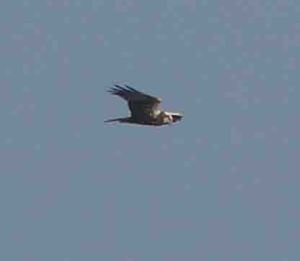
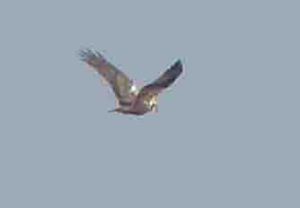
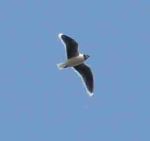
Little Gull adult breeding plumage, hawking flying insects, WWT 100 Acre MJM
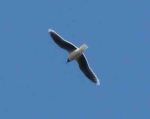
 

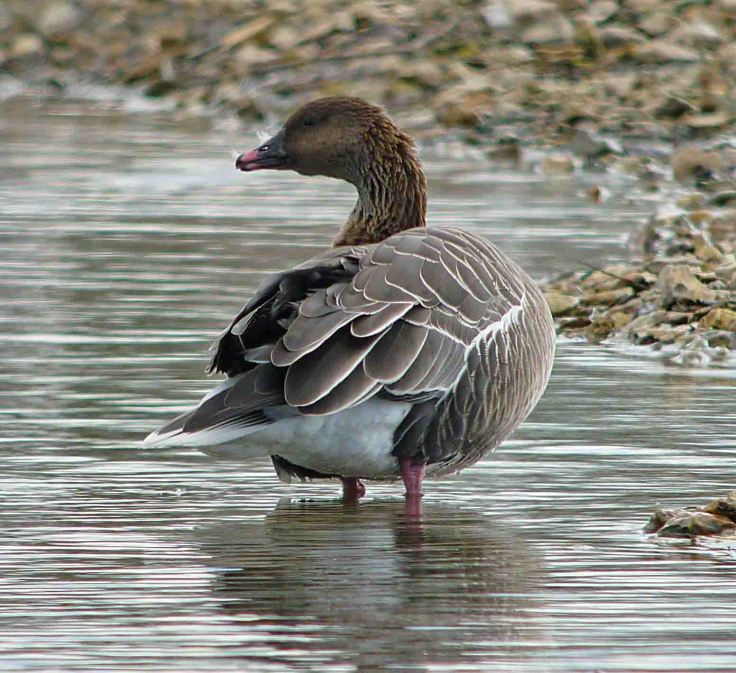
18 April 2010 A great day at WWT for migrants, look at the WWT website for a full list. Highlights for me were a MARSH HARRIER that I saw twice with NRS at 0835, South and 0850 North, an adult LITTLE GULL , Lesser Whitethroat singing, 6 Bar-tailed Godwits, 26 Black-tailed Godwit, 1 Common Sandpiper, 2 Little Egrets, 6 Willow Warbler, 1 White Wagtail N, 4 Yellow Wagtail N, 12 Blackcap, 14 Chiffchaff, 6 Reed Warbler, 6 Sedge Warbler, 5 Ringed Plover, 26 Dunlin, 40 Curlew, 1 Whimbrel, 3 Wheatear, a Snipe, 2 Cetti’s Warbler,  2 Pochard, a brief view of what NRS and I thought to be a Grasshopper Warbler (it was heard and seen by MLK/RGB about 40 minutes later) and a very tame Scandinavian Rock Pipit. The Pink-footed Goose was also still with us.

A male Pied Flycatcher was in the WWT car park, scarce on site and the first of the year, plus the first Knot of the year, a male Redstart was on the reserve boundary hedge in Green Lane another first of they year. A Little ringed Plover also dropped in to the 100 Acre where a Reeve still resides. Late news was of a Red Kite and Avocet seen in the 100 Acre last Friday.

17 April 2010 A walk around Whitminster produced a few birds, most notable were House Martins, Swallows and Lesser Whitethroat back on territory, the latter the first of the year for me.  An evening pint at Epney on the Severn and 4 Sand Martin and 200 migrating Curlew over high NE calling as they went was very evocative. I have seen a flock over my house around this week in fine weather every year since I lived in Whitminster (8 years). I have also seen it many times around Frampton/Slimbridge so it must be the same birds departing the winter areas to breed elsewhere, it would be nice to know where.

16 April 2010 No birding for me!

15 April 2010 Another very cold start to the day with winds from the North, depsite this a steady visible passage of birds through the Severn valley was in progress. During the day I noted a lot of birds, adding JSL and DBP counts and bearing in mind we only scratched the surface due to noting birds whilst doing other things, it was very impressive. The true total must have been quite impressive. All birds were heading North, at least 80 Meadow Pipit, 20 Yellow Wagtail, 45 Linnets, 30 Goldfinch, 300 Swallow, 2 Sand Martin, 150 Lesser black backed Gull, 200 Herring Gull and at 1540 an OSPREY headed across the reserve, I followed it to Frampton Townfield Lake and then across the village.

Red Kite and Slimbridge church spire (taken from the seawall)
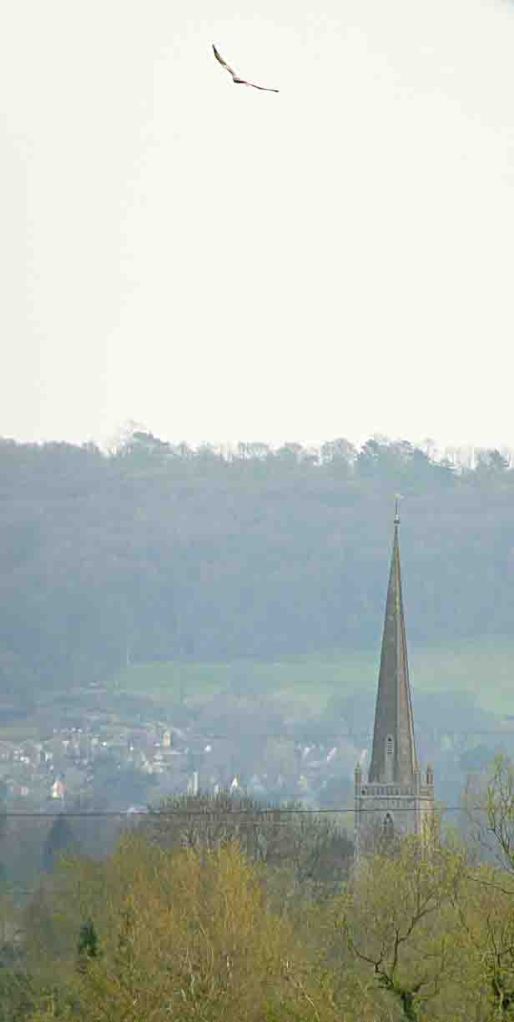
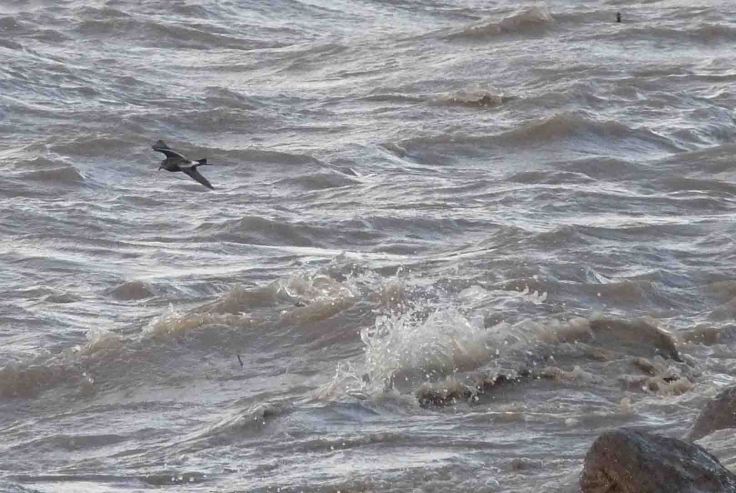
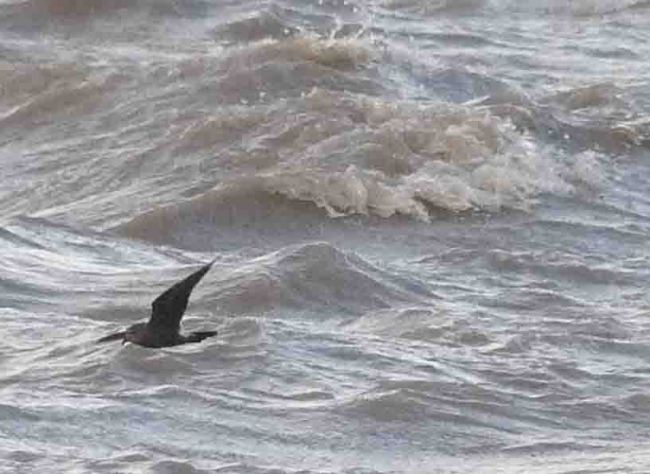
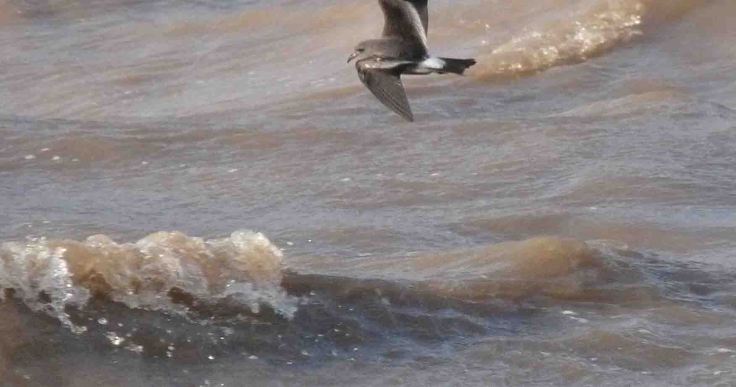
14 April 2010 Again a few Sand Martins and Swallows moving but rather quiet otherwise. A few Snipe and c30 Curlew still using the fields at WWT, my fingers are crossed for these. An Arctic Skua was reported going upriver around midday, a typical sighting and date, I hope more come through this Spring.

12-13 April 2010 The return of one of the Avocets to the Rushy, WWT Slimbridge on the latter date was partially encouraging. Migration is very slow, a few Swallows and Sand Martins but less warblers around in contrast to last week.  I was tipped off about a Red Kite and followed it across the reserve and Frampton like last Sunday. I was pleased to get two birders onto it from the East platform in the 100 Acre. We are still hearing Toads calling around the reserve and lots of young Smooth Newts were also seen. The Ladies Smock is now in flower and we had our first Orange Tip butterfly of the year on 13th.

11 April 2010 A Red Kite over the reserve at 3.50-4.10pm and N over Frampton was one of the highlights today, I managed to get Nick Goatman the bird on his garden list with some ‘phonework, always nice to pay ‘Nicko’ back with a bird or two’. I also had my first UK Yellow Wagtail over WWT and a male Garganey in the 100 Acre.

Even in glorious Spring weather you can get a sinking feeling!…
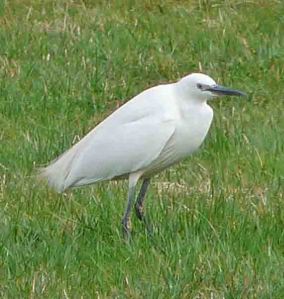
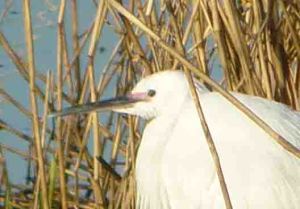
Preening Little Egret, Top New Piece, WWT.
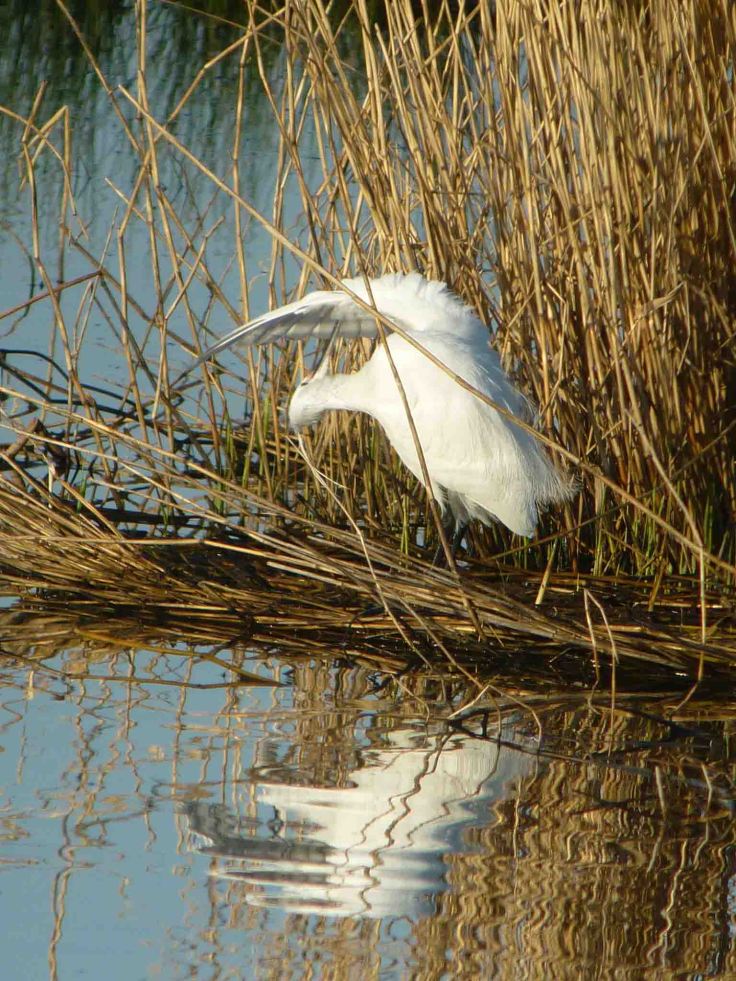
The same bird showing red skin on the face which indicates breeding condition.
2-10 April 2010 Lots of migrants arriving, all very exciting indeed. At WWT,  JSL and I have collectively counted all the calling/singing warblers on site each day and had some decent numbers of Willow Warbler c27 on 7/8th, Chiffchaff and Blackcap, new birds for the year in Britain are… two Sedge Warblers from 7th, a Reed Warbler 7th and 8th, my first Wheatear on 7th with other good spring birds in the area during this fall.
Best of all is the arrival of a pair of Avocet in the Rushy (9-10th at least), only six months after the reserve team and Dave Skelton made improvements to this pond to enhance it for breeding waders. My fingers are crossed as this is a fox free area and ideal for them and us. Brimstone in the garden at home on 10th, I saw one on 8th at the South Lake, WWT.

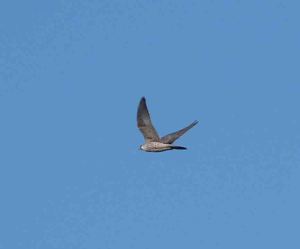
A large falcon is about the area harrasing waders, gulls etc.
Garganey (two pairs on South Lake) 1st April 2010
You would have to be an April fool not to appreciate this species…
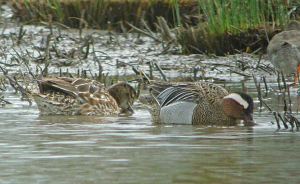
1 April 2010 I dropped the levels on South Lake and a good set of birds duly appeared including two pairs of superb Garganey. See WWT website for full details of sightings.

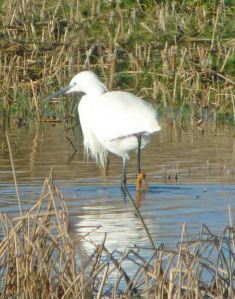
Little Egret, Bottom New Piece, WWT.
note foot colour change as it is displaying to a mate, they will turn reddish.
Southern Morocco 16-23 March 2010

More images coming soon….

Southern Morocco 16-23 March 2010
Birding the Deserts, Atlas mountains and coast.

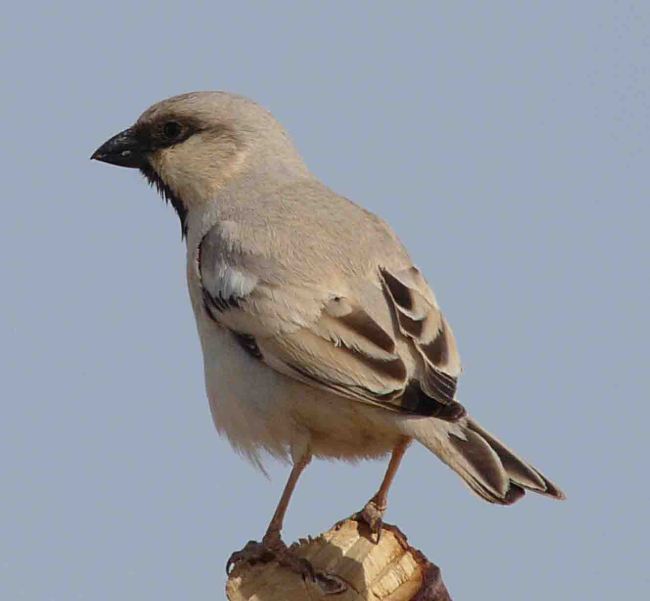
Top Bird! Desert Sparrow, Touareg Nomad Camp, S of Erg Chebbi MJM


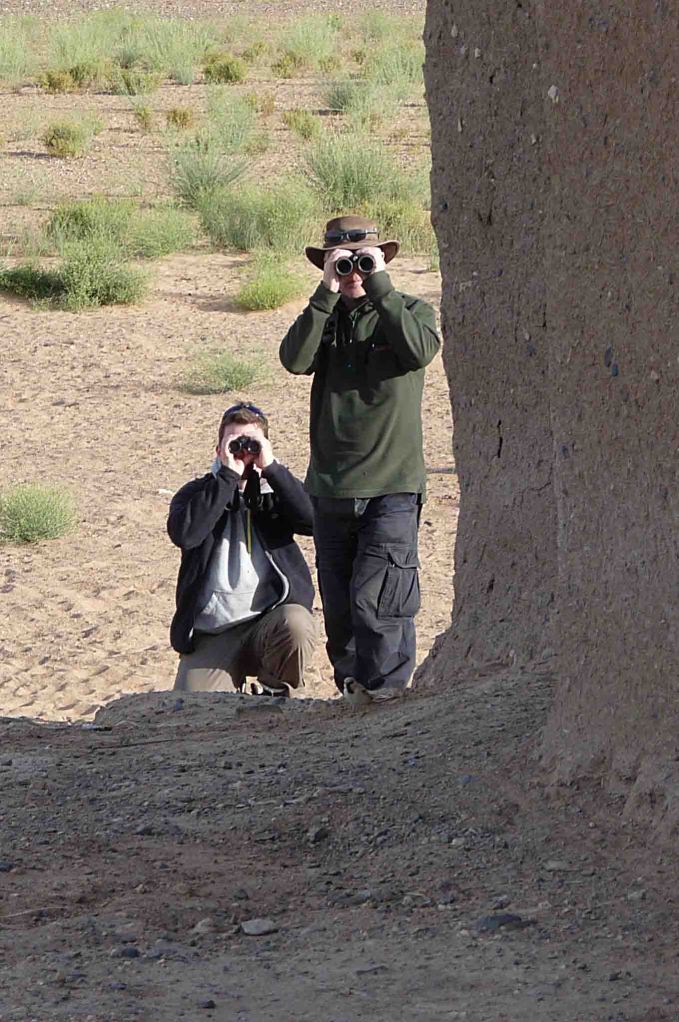
High fives after seeing the enigmatic Desert Sparrow, can you see it?…..

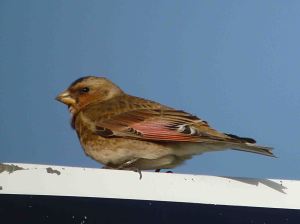
African Crimson winged Finch, Oukaimeden, MJM

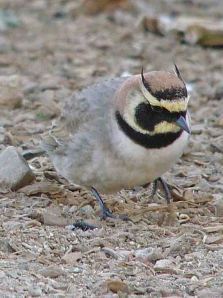
‘Atlas’ Shore Lark, Oukaimeden MJM


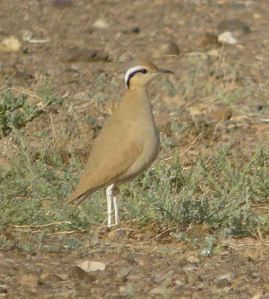
Cream coloured Courser, Yasmina, MJM

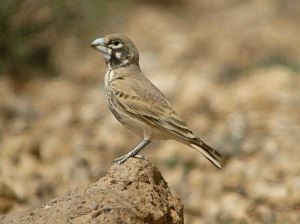
Thick-billed Lark, Tagdilt, MJM

I travelled with four other ‘hand picked’ birding friends which consisted of.. Jer ‘Jubs’ Squire (JJS), Paul ‘Walks or Walkdy’ Walkden (PW), Bob Radford (RR), Neil ‘Smarty’ Smart (NRS) and myself (MJM). We flew from Bristol to Marrakech and stayed in the country for 8 days and 7 nights. On the first night we stayed at Chez Juju at Oukaimeden (cold showers, good food and they kindly placed heaters in our rooms, it froze outside at night and we felt the altitude, I had a migraine attack possibly from the height we were at but more likely from the stresses of the week leading up to the trip, incidentally the week ended on the same note probably through lack of sleep) on 16th for the High Atlas above 3000m and Ourika Valley birds, Hotel la Valee in Toubante (good food, swimming pool that we did not use, dining in an authentic giant nomad tent set up inside a room, hot showers) near Ouarzazate on 17th  for the Tagdilt Track and Boumalne de Dades/Tinehir/Tinejdad/Erfoud/Rissani to the Auberge Derkaoua (luxury food and hot showers when the generator is on, swimming pool and very relaxing place all round, great birding in the gardens c £60.00 per night) which is N of Merzouga on 18th and 19th,as a base for all desert and dune birding around Merzouga, the Erg Chebbi and Rissani. We hired a Toureg guide and 4wd from 0500 to 1200pm on 20th who took us on a night drive, around the Erg Chebbi to c15km of Algeria, a nomad camp for tea. A great day out but one of our main targets was not located. We returned West via the same route but took in a detour to the Scrub Warbler site N of Goulmima and ended up at the birders favourite Hotel Soleil Bleu, Boumalne de Dades on day five for more Tagdilt track action. We had a lie-in to 0730 and birded the area all morning to early afternoon, the loss of a room key caused some disruption but the manager of the Hotel was a decent fellow and sorted it out eventually, was very helpful. A long drive saw us give up and stay at Tazanakht on 21st because it was on the way and we were tired, to our great surprise it was a dry town for alcohol and we were as usual in the mood for a couple of bottles of beer to slake our thirst each evening. It did us no harm to miss out and the Hotel Taghdoute gave us a very good meal and breakfast, one of the best and all for c£14.00 each, JJS and I were kept awake for much of the night by the street noise/cars etc (cold shower in the evening). On the 22nd we stayed at the Hotel Hagounia (warm excellent showers) in Insegane for Oued Sous and Tamri as we were leaving on the 23rd. This place was not particularly great, in fact grotty but was only £6.50 a night pp. We ate at a French Restaurant c2km out of town which was quite a walk, had a great meal and a taxi back. A race back from the coast with Jensen Button like manoeuvres from me saw us reach the airport with five minutes to spare.

Car/Mileage

We hired a Peugeot Partner for c £350.00 and had to add extra insurance and drivers on top at 300 dirham per person. We began on 96000km, day two 9700km, day three on 96318, day four 96729, day five 96877 and finished on 98276km. I believe I personally drove c1750 of this total. Driving was quite an experience and in many cases not for the feint hearted but there was give from the drivers around you despite the initial madness on show.

Culture

Moroccans are very friendly and helpful people, we had a little over the top sales efforts at Oukaimeden with fossils/minerals which were spectacular but too much for the Ryanair 15kg limit. Otherwise it was low pressure sales and in few places. It is essential to take a step back and think about the big picture, most are kids and are just trying to make a few quid, at Dayet Srij (Lake Merzouga) the kids follow on bikes and quietly and gently rolled out newspaper with their wares, just have a look and be polite, I did buy a bracelet for my daughter. We had a couple of kids following us at Rissani, they just wanted to practice English but were so noisy we could not hear or locate Saharan Oli Warbler, this was annoying but with the benefit of sleep and hindsight not really a problem, more time and less birding would have seen us more relaxed. We tipped Guardiens who looked after the car at night, c 20 dirhams seemed OK. We tipped an unofficial guide who was hanging about the Oued Massa reserve entrance 40 dirhams, he was not content with this! The guy hid when an official van went by and signalled for us to be silent. In many towns we were the only N Europeans but never felt threatened, a few sad souls we encountered were clearly insane but were no bother. In the Atlas the kids wave as soon as they see who is in the car, I thought it was down to my recent BBC appearances but then remembered they probably do not watch TV. Even two year olds were playing on the side of the road. We were asked for money by kids around Agadir, they signed hunger and the need for shoes but when they realised we were not going to give them anything started laughing and joking with us, I was asked if I wanted to see ibis and for un stylo (a pen) by one Barcelona FC shirt wearing child of 8, I said I would show him some and that I did not have a pen on me so he rode off laughing barefoot down the hill at Tamri. Some women did not like to see us in shorts, we had a tyre problem which was fixed for 50 dirhams in Massa but were getting looks, at Tamri the women shouted no at us if we glanced in their direction, they were all covered head to toe and we all were very admiring of the colourful robes that brighten up the whole country. I would say it is best to keep your zip-offs on when near Moroccans out of respect. At Oued Massa, everyone said hello, bonjour and we extremely friendly, great to be amongst.


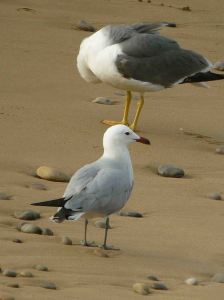
Audouin’s Gull, Agadir MJM

Sites

The high Atlas around Oukaimeden and the Ourika Valley, Tizi n Tichka pass at 2500m, Ouarzazate and the Barrage el Mansour Reservoir, Boumalne de Dades and the famous stone desert (hammada) of the Tagdilt tacks/Inoukien road, the Deserts around the Erg Chebbi, the Oasis from Rissani to West of Jorf, the scrubby desert N of Goulmima, cultivations and tamarisk stands en-route including the ‘Magic cultivation’-12km from Tazenakht on Taroundant road, the Sous Valley, Oued Massa reserve and the sandy hills and dunes along the coast around Tamri oued mouth.


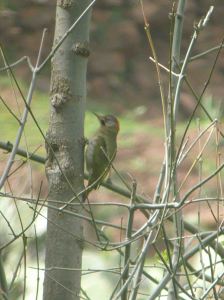
Levaillant’s Green Woodpecker, near Asni turnoff, Atlas MJM

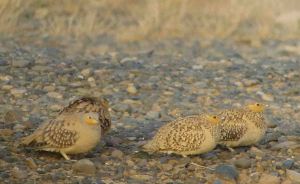
Spotted Sandgrouse MJM

Bird list (in capitals were our highlights)

  1. 1.      Common Shelduck Tadorna tadorna; a few pairs seen at the Barrage el Mansour, Ouarzazate on 18th.
    2. Ruddy Shelduck Tadorna ferruginea; c 20 at theBarrage el Mansour, Ouarzazate on 18th, 1000+ on Dayet Sriji (Lake Merzouga) on 19th and 20th, we had brilliant views of such large flocks with many close to us and confiding. In addition two seen flying over the road having left a wet wadi near Tazanakht on 22nd and they were seen at Oued Massa.
    3. Mallard Anas platyryhnchos; c20 seen at the mouth of the Oued Massa on 22nd.
    4. Northern Pintail Anas acuta; c25 seen at Dayet Sriji (Lake Merzouga) on 19th and 20th.
    5. Northern Shoveler Anas clypeata; seen at Barrage el Mansour, Ouarzazate with c 20 on 18th and c30 at Dayet Srij on 19/20th.
    6. MARBLED DUCK Marmaronetta angustirostris; Two seen in flight on the Barrage el Mansour, Ouarzazate on 18th, at least 200 on Dayet Sriji (Lake Merzouga) on 20th and 4,4, 3, 6, 2 and 4 flew low over us at Oued Massa as they left their feeding site and headed to a roost at dusk. I have seen this species in Spain around 5 visits in various places but the flock on 20th was the largest I have ever seen, very impressive. The overhead flight views on 22nd were also very memorable.
    7. Eurasian Teal Anas crecca; seen at Dayet Sriji.
    8. Garganey Anas querquedula; Three or four seen in flight and landing among the tamarisks where two male and a female were noted on Barrage el Mansour on 18th.
    9. Common Pochard Aythya ferina; c35 were present on Dayet Sriji on 20th.
    10. Tufted Duck Aythya fuligula; a male among the Common Coot flock at Barrage el Mansour on 18th and  c10 seen at Dayet Srij on 19th.
    11. Barbary Partridge Alectoris barbara; I located two on rocky outcrops near the Asni junction when coming down from the high Atlas on 17th.
    12. Common Quail Coturnis coturnis; one heard at Barrage el Mansour on 18th?
    13. Little Grebe Tachybaptus ruficollis; seen at Barrage de Mansour on 18th and c350 at Dayet Sriji on 19th and 20th. Flocks of this tiny diving bird were seen together at the latter site with up to 65 tightly bunched in a ‘fishing fleet’, I have never seen them being as social as this before.
    14. Great Crested Grebe Podiceps cristatus; a few pairs at Barrage el Mansour on 18th and 100+ at Dayet Sriji on 19/20th.
    15. Great Cormorant Phalacrocorax carbo; seen at many of the wetland sites.
    16. Cattle Egret Bulbucus ibis; seen in Jorf along the main road in town breeding in the palm trees, small young to nearly fledged birds present, they were also seen in small numbers at Oued Massa.
    17. Squacco Heron Ardeola ralloides;  around 8 were seen at Dayet Sriji on 19th and c6 seen at Oued Massa on 22nd.
    18. Little Egret Egretta garzetta; seen at many of the wetland sites, a few wadis that still held water, c 200 were at Dayet Sriji.
    19. Grey Heron Ardea cinerea; c30 at Barrage el Mansour on 18th and 200 at Dayet Sriji on 19/20th.
    20. Purple Heron Ardea purpurea; c5 seen mainly in flight at Dayet Sriji on 19th.
    21. White Stork Ciconia ciconia; c 450 at Barrage el Mansour on 18th, seen in the Souss valley  in large circling flocks on c50 and on the rooftop nests in a few places on our travels.
    22. Glossy Ibis Plegadis falcinellus; a flock of 13 flew over us at Oued Massa at dusk on 22nd.
    23. NORTHERN BALD IBIS Gerontica eremita; We searched the Tamri area on the morning of 23rd where NRS located 2 in flight N of the Oued at c 2 miles away. We relocated to where they landed and soon had more in flight and distantly feeding in the coastal hilly dunes. A party of 4 gave good views as they dropped near us down the slope to the sea, they were regularly put up by foraging women with donkeys, this was not a problem to the birds as they seemed to ‘know the score’. Back at the car PW picked up 2 walking along the road which gave even better views. After celebrating seeing one the world’s rarest birds we had a cold drink in Tamri among the bustle of the main drag with a goats head for company nearby (a butchers shop). We bought bananas, apples and oranges and left the town for our long drive to the airport when at the police checkpoint I spotted three ibis near the road. They allowed fantastic views from the car. We saw more in flight on the way out of the area.
    24. Eurasian Spoonbill Platalea leucorodia; three at Barrage de Mansour and 33 at the Oued Massa reserve.
    25. Greater Flamingo Pheonicopterus roseus;  three were at Barrage de Mansour on 18th, 600-1000 at Dayet Sriji on 19/20th.
    26. Griffon Vulture Gyps fulvus; JJS saw one from the car near Marrakech on 16th, all other passengers and the driver MJM, were very much focussing on the activity on the manic road to the Atlas. The species is not regularly found in this area so is notable.
    27. Osprey Pandion haliaetus; one or two fishing at the Barrage de Mansour on 18th.
    28. Booted Eagle Aquila pennata; pale phase birds at Tiz n Tichka pass on 17th and Tadgilt area, Boumalne on 18th. One or two more noted.
    29. Black Kite Milvus migrans; singles noted on our travels with a few at Barrage el Mansour and large flocks with storks in the Souss valley.
    30. Marsh Harrier Circus aeruginosus; noted at Barrage el Mansour and Dayet Sriji with single males over the desert with Erg Chebbi dune backdrop on 20th and over cultivations in the Souss Valley, Hotel de ??
    31. Montagu’s Harrier Circus pygarus; a male was hunting the many larks of the stone desert of the Tagdilt track on 21st.
    32. Long-legged Buzzard Buteo rufinus cirtensis; Seen along the road to ?? on telegraphs with another over the nearby hill. One in the hammada South of the Erg Chebbi, also seen well from the road out of Tazanakht, great views of one with a Fat Sand Rat on a wall.
    33. Common Buzzard Buteo buteo; one in the Souss Valley on 22nd.
    34. Eurasian Sparrowhawk Accipiter nisus; one seen near Jorf.
    35. Common Kestrel Falco tinnuculus;  seen daily in all habitats.
    36. Eurasian Hobby Falco subbuteo; one seen by JJS over a wadi near Merzouga on 19th.
    37. BARBARY FALCON Falco pelegrinoides; one low over the rocky hills on the Tagdilt track area on 21st with subsequent sightings in this area on the same day plus one or two more noted between  Boumalne and Taznakht.
    38. LANNER FALCON Falco biarmicus; One seen very well circling the rocky hills on the Tagdilt track on 21st with outrageously spectacular views of one hunting larks later in the day (different bird). It powerfully beat its way at the Magrheb Wheatear we were all watching, and I was photographing when it made a beeline for me! At the last minute it rose before what I thought was the coup de grace for me. The other lads all found it very funny. 
    39. Spotted Crake Porzana porzana; one seen by MJM in the pools of the Oued Massa on 22nd.
    40. Common Moorhen Gallinula chloropus; one or two at Dayet Srij and Oued Massa.
    41. Eurasian Coot Fulica atra; seen all the wetland sites with 300 at Barrage el Mansour on 18th, 1000+ at Dayet Srij on 19/20th.
    42. RED KNOBBED COOT Fulica cristata; two were found among the Common Coot on the Barrage el Mansour on 18th. They loosely associated with the raft of Coot.
    43. Black-winged Stilt Himantopus himantopus;  Large numbers on Dayet Srij, perhaps 50 and Oued Massa c10
    44. Stone Curlew Burhinus oedicnemus; one was seen in flight by JJS at the Barrage el Mansour on 18th.
    45. CREAM COLOURED COURSER Cursorius cursor;  the first one was seen S of Auberge Tresor, 4 seen on the 14km track to Auberge Yasmina, 2 from the car near Goulmima,  8 seen on Tagdilt tracks on the way to and 4 on the way  back from the Wheatear wall/ruin, 2 seen in flight and on the ground at the Magrheb site on 21st, on the 22nd we saw 4 from the car en route from Tazanakht to Taliouine. We also saw one or two more from the car between Erfoud and Boumalne but never noted where.
    46. Little-ringed Plover Charadrius dubius; it was seen at all the wetland sites and a wet splash on the road near Auberge Tresor, the wadi at Rissani and other wetlands.
    47. Kentish Plover Charadrius  alexandrinus;  RR located a few on the shore of Dayet Srij and one was at the wadi in Rissani.
    48. Dunlin Calidris alpina; two at Dayet Srij on 20th.
    49. Little Stint Calidris minutus; two at Dayet Srij on 20th and one in the wadi at Rissani on 21st.
    50. Green Sandpiper Tringa ochropus; singles were seen at the wetland sites and one at a camel drinking pool on the Tagdilt track.
    51. Greenshank Tringa nebularia; two at Barrage el Mansour on 18th and two at Dayet Srij on 20th.   
    52. Common Snipe Gallinago gallinago; two at Barrage el Mansour on the 18th and three at Oued Massa on 22nd.
    53.  Ruff Philomachus pugnax; two at Barrage el Mansour on 18th.
    54. Black-headed Gull Chroicephalus ridibundus; 20 at Dayet Srij on 19th.
    55. Yellow-legged Gull Larus michahellis; seen along the coast.
    56. Audouin’s Gull Larus audouini; four on the beach at N of Agadir and 20 at Tamri.
    57. Lesser Black-backed Gull Larus fuscus; seen along the coast.
    58. Sandwich Tern Sterna sandvicensis; c30 on the beach at Tamri on 23rd.
    59. Gull-billed Tern Gelochelidon nilotica; seen at all the wetland sites but were notable at Tamri for being among the previous species.
    60. BLACK-BELLIED SANDGROUSE Pterocles orientalis; JJS spotted four sandgrouse sp over a hill which eventually turned to nine as they landed on a ridge and seemed to be taking minerals between Tazanakht to Talioiune 22nd.  
    61. SPOTTED SANDGROUSE  Pterocles senegallus; After I made a u-turn to inspect a damp patch in the roadside desert which held LRP and undoubtedly had sandgrouse potential,  JJS located a flock of 23, this site was near the Auberge Tresor on 19th. This bird got a vote from PW for bird of the trip.
    62. CROWNED SANDGROUSE Pterocles cororatus ; we got to the well known site at the Tagdilt track/Inoukien road by 0830 and the birds arrived soon after at c 0900 giving great views. We and other birders present did however stay on the road and near the car to let the birds come in to drink undisturbed, I recommend all birding crews/groups do the same in the interests of the birds. We had 19 and 9 arrive and watched them for an hour until they satiated their thirst and left.
    63. Rock Dove/Feral Pigeon Columba livia; some birds with reasonable credentials were noted as well as Feral Pigeon.
    64. Common Woodpigeon Columba palumbus; seen in the Atlas and Souss Valley.
    65. Collared Dove Streptopelia decaoto; seen commonly but some very dark birds were seen in Ouarzazate and Auberge Derkaoua which did not look like regular Collared Doves.
    66. Turtle Dove Streptopelia turtur; two seen on the track at the back of Hotel with Argan habitat, Sous Valley in Gosney on 22nd.
    67. Laughing Dove Stretopelia senegalensis; a pair seen at the Hotel le Vallee, Tabounte near Ouarzazate on 18th.
    68. Common Cuckoo Cuculus canorus; one calling at Oued Massa on 22nd.
    69. Little Owl Athene noctua; one seen near Rissani and another on the Oued Massa reserve.
    70. EGYPTIAN NIGHTJAR Caprimulgus aegyptius; after getting up at 0400 and staying out to 2000 in the same day for them at the Auberge Tresor (Gosney site, seen by an Irish crew the day before) and Auberge Derkaoua around the pool in the evening and early morning plus in suitable wadis on a early morning 0500 search via 4×4 out around the Erg Chebbi we failed! Four members of our crew including me were delighted to have one fly across the road at night in front of us on the way back from the Scrub Warbler site S of Goulmima on 21st.
    71. Common Swift Apus apus; this species was seen in large numbers around towns and migrating over the Tagdilt.
    72. Pallid Swift Apus pallidus; c300 studied over the sea cliffs S of Tamri.
    73. Alpine Swift Apus melba; JJS spotted one over the Barrage el Mansour on 18th.
    74. LITTLE SWIFT Apus affinis; great views of this charismatic bird were had in the Sous Valley near Taroundant and other towns. The raised wing ‘butterfly floating glide’ display was seen well as pairs toured together or entered nest areas which were on ground level open shop fronts.
    75. Eurasian Hoopoe Upupa epops; a pair in the palms outside the hotel at Hotel le Vallee, Tabounte, Ouarzazate, singles from the car en-route to Merzouga, around the Auberge Derkaoua, up to 8 migrants in one small cultivation on the Tagdilt, six burst out of a thorny bush together. Seen daily in a variety of habitats.
    76. European Bee Eater Merops apiaster; heard at a couple of sites before being seen well in flocks at Hotel with Argan habitat in the Sous Valley, at Tamri and other places on 22nd and 23rd.
    77. BLUE-CHEEKED BEE EATER Merops persicus; at Rissani NRS located three bee-eater sp on wires at the Saharan Olivaceous Warbler site, on inspection we found c8 of these gorgeous birds and had great views. Later the same day we found a further 23 by the road W  of Jorf/Fasna and again they showed very well for us on wires and tamarisks.
    78. LEVAILLANT’S GREEN WOODPECKER Picus vaillantii; I located one on call initially and then found it on show after climbing a rock near the Asni turnoff. It showed for a prlonged period and was still calling half an hour later.
    79. Eurasian Wryneck Jynx torquilla; I found one in tamarisks whilst we searched a nicely cultivated patch on the Tagdilt track.
    80. Crested Lark Galeridia cristata; seen commonly along roads and in suitable habitat.
    81. Short-toed Lark Calandrella brachydactyla; flocks of up to 300 seen with perhaps 10-15,000 seen in the Merzouga area and South side of the High Atlas/ Tagdlit.
    82. Desert Lark Ammomanes deserti; a few seen in the Tagdilt area on 18th and 21st with what appeared to be two pairs on the first small exposed rocky hill where the rocky mountains start (S side of Boumalne road, west of Tagdilt to Inoukien tarmac road).
    83. BAR-TAILED LARK Ammomanes cinctura; seen singly and small flocks in the sandy areas of the Tagdilt track and in large numbers and even flocks in all areas around Merzouga/Erg Chebbi.
    84. THICK-BILLED LARK Ramphocoris clotbey; what a bird, a real hit with all of our crew and we all seemed to drop on them around the same time west of the Tagdilt track to Inoukien road on 18th and 21st, also seen on the Taznakht to Talioine road on 22nd.
    85. HORNED LARK Eremiphilia alpestris atlas; small flocks and singles seen all around the ski station and in the car park at Oukaimeden on 17th.
    86. TEMMINCK’S LARK Eremiphilia bilopha; very confiding and common in the Tagdilt area and around Merzouga. Great little birds and the song heard regularly.
    87. HOOPOE LARK Alaemon alaudipes; this was a bird I used to see daily when I was resident in the UAE it was great to be among them again. It is a canny species that runs away through cover when it has had a look at you, best views were from within the car but we all scoped them display flighting from a perch, the bird transforms into a pied wonder when its wings open but returning to earth sees it close them fully reminiscent of a Stuka dive bombing raid. It is easy to call as a courser when travelling at speed and seen out of the corner of the eye in the desert.
    88. Sand Martin Riparia riparia; a few seen at Oued Massa and one over the Tagdilt track.
    89. Brown throated Sand Martin Riparia palaudicola; Poor views of one at the Oued Massa pools were not satisfactory to allow contentment when banking a lifer. Also known as Plain Martin.
    90. Barn Swallow Hirundo rustica; Seen daily on passage and feeding around all habitats.
    91. Red-rumped Swallow Cecropis daurica; seen on the Marrakech to Oukaimeden road and Sous Valley/Oued Massa/Tamri areas.
    92. Common House Martin Delichon urbica; one over the Toureg Nomad camp, Erg Chebbi on 20th and seen at the Barrage el Mansour on 18th.
    93. Tawny Pipit Anthus campestris; I located two in an apple orchard on the Taznackht to Taliouine road.
    94. Meadow Pipit Anthus pratensis; seen at the Barrage el Mansour on 18th.
    95. Red-throated Pipit Anthus cervinus; one seen by all but heard by a couple of us at the Barrage el Mansour on 18th.
    96. White Wagtail Motacilla alba; seen in many places.
     97. MORROCAN WAGTAIL Motacilla alba subpersonata; too good to not be given full mention or even status. A pair at was at the Barrage de Mansour on 18th, one in the wadi at Rissani on 21st.
    98. Yellow Wagtail Motacilla flava; seen in a wide range of habitats from swimming pools to desert splashes. We noted flava (Blue-headed), Iberiae (Iberian) and flavissima (Yellow). The latter sounds different to the Iberians.
    99. Grey Wagtail Motacilla cinerea; seen in the Atlas around Oukaimeden and Barrage el Mansour, perhaps one or two others noted en-route.
    100. Common Nightingale Luscinia megarhychos; heard and seen in the open in a small area of cultivation on Taznackht to Taroundant road.
    101. Common Redstart Phoenicurus pheonicurus; many noted on migration at Barrage el Mansour c 4 on 18th, Tagdilt track area c6 on 21st and at a few other locations.
    102. Black Redstart Phoenicurus ochuros; very common at Oukaimeden, one had extensive black to the belly.
    103. MOUSSIERS’S REDSTART Phoenicurus moussierri; males in stunning plumage seen on the way down from Oukameiden on 17th, near the Asni turn off in a steep valley with stream and further sightings at Hotel ??male and female by the tracks, at Oued Massa and one or two others.
    104. Stonechat Saxicola torquata; three at Oued Massa on 22nd.
    105. Northern Wheatear Oenanthe oenanthe; lots seen S of the High Atlas, c 40 noted Taznakht to Taroundant road on 22nd.
    106. Black-eared Wheatear Oenanthe hispanica; seen around Merzouga, Boumalne, Tagdilt area, many c10 along Taznahkte to Taroundant road on 22nd. Two of the masked types were seen otherwise they were all black throated forms.
    107. MAGRHEB WHEATEAR Oenanthe halophila; (aka Western Mourning Wheatear) a male was eventually located at the regular site (Gosney’ wheatear wall’) on 21st. It showed well on the SE corner of the ruins and ranged down the slope to the cultivations and small building closer to the farm. RR voted this his bird of the trip.
    108. WHITE CROWNED WHEATEAR Oenanthe leucopyga; seen very commonly from Boumalne to Merzouga with a few others noted west of the former town. A very confiding bird and seen at nearly every stop.
    109. BLACK WHEATEAR Oenanthe leucura; a pair located by NRS from the car after crossing the Tizi n Tichka pass, another pair on a wall at the Apple orchard stop from Taznakhte to Taliouine road.
    110. DESERT WHEATEAR Oenanthe deserti; very common from Boumalne to Merzouga in many habitats.
    111. RED RUMPED WHEATEAR Oenanthe moesta; lots seen in pairs around the Tagdilt track area and seen around Merzouga. They were feeding young at the ‘wheatear wall’.
    112.Common Stonechat Saxicola torquatus; seen at Oued Massa on 22nd.
    113. Mistle Thrush Turdus iliacus; many seen around Oukaimeden on 16/17th.
    114. Blackbird Turdus merula; common but has a different song and indeed call.
    115. Blue Rock Thrush Monticola solitaris; a male at Oukaimeden on 17th, JJS saw one in Marrakech suburbs from the car on 16th.
    116. SCRUB WARBLER Scotocerca inquieta saharae; I located one and also heard 4kms S of Gosney site and was seen by three of the crew.
    117. Blackcap Sylvia atricapilla; Two at Hotel la Vallee, Tabounte, Ourazazate on 18th and also seen on 21st-23rd.
    118. Common Whitethroat Sylvia communis; two were in the cultivation hotspot on the road out of Taznakhte. It was also seen in the Sous Valley.
    119. Sardinian Warbler Sylvia melanocephala; a few seen/heard on our travels until one seen at Auberge Derkaoua on 19th and in the Sous Valley 22nd, males and females noted at Oued Massa.
    120. Spectacled Warbler Sylvia conspicillata; seen well, often males singing and display flighting with one showy bird at the cultivation on the Tagdilt track and others seen on 21st and 23rd.
    121. Subalpine Warbler Sylvia cantillans; it was very common around the Tamarisks of Merzouga, the Erg Chebbi and many places daily to 23rd. A constant companion at our breakfast table and whilst swimming in the pool at Auberge Derkaoua when we allowed ourselves an hour off.
    122. AFRICAN DESERT WARBLER Sylvia deserti; a very special little bird, we had great views of one singing in a grass dune field at the S end of the Erg Chebbi, a second was singing nearby. Much more striking than the Asian birds I have seen in the winter when working in the UAE.
    123. Tristram’s Warbler Sylvia deserticola; despite checking hundreds of ‘Subalps’ we did not locate one in the Merzouga area, i did however see a dull bird with more extensive rufous underparts/wings and a indistinct sub-moustachial stripe atop a roadside bush at Aouluz on 22nd but after stopping and searching we could not locate it. I would put money on it being one but not satisfactory to be happy enough as a decent birding experience of the species.
    124. Sedge Warbler Acrocephalus schoenobanus; seen and heard at Oued Massa on 22nd.
    125. Zitting Cisticola Cisticola juncidis; seen on 18th/19th 22nd and 23rd in cultivations and lower levels.
    126. Cetti’s Warbler Cettia cetti; heard at Oued Massa.
    127. European Reed Warbler Acrocephalus scirpaceus; two heard and seen at Oued Massa on 22nd.
    128. ISSABELLINE WARBLER Hippolais opaca; one seen very well at the magic cultivation site near Taznakht and three heard singing at the Oued Massa reserve. Otherwise known as Western Olivaceous Warbler.
    129. Willow Warbler Phllyoscopus trochilus; one seen at the magic cultivation on 22nd.
    130. WESTERN BONELLI’S WARBLER Phllyoscopus bonelli; three seen very well at the magic cultivation on 22nd.
    131. Common Chiffchaff Phylloscopus collybitta; seen at many sites.
    132. Iberian Chiffchaff Phylloscopus ibericus; one at the magic cultivation on 22nd, a greenish bird, yellower underparts and bright yellow supercilium in front of eye were noted.
    133. Winter Wren Troglodytes troglydytes; seen commonly at Oukaimeden, different song  also seemed to have a longer tail.
    134. Pied Flycatcher Ficedula hypoleuca; JJS saw one in Tamarisks at Barrage el Mansour on 18th.
    135. Great Tit Parus major; seen in the mountains and at Oued Massa.
    136. AFRICAN BLUE TIT Parus teneriffae ultraminus; common at Oukaimeden and seen at other sites, nice bird.
    137. GREAT GREY SHRIKE Lanius excubitor; elegans race seen very commonly from Marrakech to Merzouga, probable algieriensis seen along the coast near Tamri. JJS found a beetle larder on an acacia near the Erg Chebbi, probably of this species.
    138. Woodchat Shrike Lanius senator; seen daily but a large fall on 22nd had occurred, we must have seen 1000 of them between Taznakht and Oued Massa, every bush or tree had one atop!
    139. BLACK CROWNED THCAGRA Tchagra senegalus; two or three displaying birds seen at Oued Massa at the entrance to the reserve on 22nd. Dawn and dusk are best to see and hear them.
    140. COMMON BULBUL Pycnontus barbatus; Very common in gardens and some wooded wadis.
    142. FULVOUS BABBLER Turdoides fulva; seen in acacia at the Erg Chebbi on 20th and at the Scrub Warbler site N of Goulmima with 3 and 4 on 21st.
    143. MORROCAN MAGPIE Pica pica mauratanica; RR spotted a pair on the roadside near Agadir on 22nd we saw c 10 more subsequently all from the car. They have much more black in the plumage, lack the green sheen on the tail and most importantly have a patch of blue bare skin behind the eye.
    144. Red billed Chough Pyrrhocorax pyrrhocorax; c 200 seen at Oukaimeden.
    145. Alpine Chough Pyrrhocorax graculus; c100 around Oukaimeden.
    146. Common Raven Corvus corax; seen along the coast near Agadir and Tamri.
    147. BROWN NECKED RAVEN Corvus ruficollis; c20 seen around Merzouga/Erg Chebbi. Yasmina on 19thand 20th.
    148. Spotless Starling Sturnus unicolor; seen in the Sous Valley, Oued Massa, Tamri and Marrakech.
    149. House Sparrow Passer domesticus; very common.
    150. Spanish Sparrow Passer hispaniolensis; three seen in an acacia on the 4wd tour SW of the Erg Chebbi, I also saw one from the car at a road side nest site.
    151. Rock Sparrow Petronia petronia; very common around Oukaimeden on 17th.
    152. DESERT SPARROW Passer simplex; three seen well including a confiding male which fed in the door of the Toureg nomads mud house, South of the Erg Chebbi on 20th. Most of us were drinking sweet minted tea on the carpet outside the mud with our guide Achmed and one of the residents. NRS was trying to call me over to a male but lost the ability of speech, he had found one of these little beauties hopping around the hut. It was bird of the trip for three of us and made even more surreal by 4 wheel drives and motorbikes flying past at over 100mph in clouds of dust  as they took part in the Rallye Toureg, this following the same Paris to Dakar rally route. We found none at any other site including Auberge Yasmina. The drive here was horrendous and not to be taken lightly especially if you dip, it was worth it for the dunes and views and to inspire a dip in the pool.
    153. Chaffinch Fringilla celebs africana; a common bird at Oukaimeden on 16th and 17th, a few of these lovely birds seen elsewhere.
    154. Common Linnet Carduelis cannabina; seen around cultivations after leaving Taznahkt to Oued Massa.
    155. European Goldfinch Carduelis carduelis; common in small numbers.
    156. European Greenfinch Chloris chloris; much brighter birds than ours seen.
    157. European Serin Serinus serinus; common around towns and cultivations.
    158. Common Crossbill Loxia curvisrostra; one or two in the valley near the Asni turnoff.
    159. Trumpeter Finch Bucanetes githagineus; a very common bird in all desert areas with some large vocal flocks seen, quite confiding.
    160. CRIMSON WINGED FINCH Rhodopechys sanguineus; we were delighted with such close views of this charismatic bird at the Oukaimeden ski-lift area. A flock of 30+ fed on walnut pieces left by the ski guides the day before and many were gathered around this place. We watched them on the cables and snow traps here before they began moving up to the snow line. We noted c160 in this area.
    161. Corn Bunting Miliaria calandra; seen and hear commonly in the Sous Valley 22/23rd.
    162. HOUSE BUNTING Emberiza sahari; very common around buildings, our first bird of the trip with one hopping around inside the Marrakech airport terminal cafe and 8 in the car park outside. Seen and heard daily.

Species not seen but looked for
Houbara Bustard Chlamydotis undulata; we looked in all suitable habitat around the Erg Chebbi with a ‘guide’ and 4wd . The Saudi Falconers are hammering this species each winter and it is scarce, there is also talk of released birds in the area, it would be interesting to know if they are Maqueen’s or Houbara , if, this is the truth. I can’t help thinking that with the benefit of experiencing this tour that we may not be helping it’s cause by looking for them, if it was only for birders seeing them and the often tolerance these birds show when they are only being watched it would be OK. The fact they are hunted as well could cause problems. We followed a little used ‘track’ that must be the ‘Houbara’ route. I also wonder what will happen to the desert vegetation if driven on regularly by 4wd without controls, a free for all seems to be the case! The long term outlook may not be good and it would undoubtedly be better if controls were in place, it would be easier to find birds that are used to seeing 4wd on regular routes.  

Seebhom’s Wheatear Oenanthe seebhomi; we were a little early at Oukameiden for them I feel but one was reported outside the Soleil du Bleu, Boulmane the day before we stayed. We tried for Saharan Olivaceous Warbler in the wadi at Rissani but being the middle of the day, very hot, very tired (three nights of 4-5 hrs kip) had a couple of Morroccan kids wanting to sing and practice their English to us and having just watched the kaleidoscopic Blue-cheeked Bee Eaters were a little overwhelmed with colour and were losing enthusiasm for itchy scratchy things in bushes. Shameful but reality birding.

Pharoah Eagle Owl; We did not look for this bird but is was seen by other birders at Rissani and by a dutch crew near the drinking hole on the Tagdilt track. Ring Ouzel was also seen by the same guys at Oukameiden on 17th around the herders huts. We had a marvellous set of birds and cannot complain as all were quality sightings and experiences, I shall never forget this trip.

Mammals

Algerian Hedgehog Aterix algirus; JJS found one rolled into a ball at the entrance to Auberge Derkaoua (The Desert Inn) on 19th.
Bat sp; perhaps a few species seen over many towns/wadis but not specifically identified.
Cape Hare Lepus capensis; seen near the Erg Chebbi in grassy dunes.
Rabbit Oryctolagus cuniculus; one in the grounds of Auberge Derkaoua on 19th.
Barbary Ground Squirrel Atlantoxerus getulus; seen in the Anti Atlas.
Greater Egyptian Jerboa Jaculus orientalis; one lamped outside Auberge Derkaoua at night on 19th, JJS saw one in the grounds of the same Auberge in daylight on 20th, c10 seen in the night drive on 20th by 4wd around the N end of the Erg Chebbi. I have always wanted to see this creature as my Grandfather was a Desert Rat in WW2 fighting Rommel’s Afrika Korps in N Africa.
Shaw’s Jird Meriones shawii; I saw a creature at the Scrub Warbler site that fitted this sp rather than any others. It was smaller than Fat Sand Rat and it was seen only an hour from dusk.
Fat Sand Rat Psammomys obesus; Very common in the Tagdilt track are and Merzouga, quite confiding especially from a car and no doubt a staple diet for many birds. Their numerous tunnels in sandy soils were found everywhere. I found it a very pleasing creature to watch.

Dragonflies

Emperor Anax imperator; males seen at Oued Massa on 22nd.
Lesser Emperor Anax parthenope; seen at many sites.
VAGRANT EMPEROR Anax ephigger; seen in the wadi adjacent to Auberge Derkauoa on 19th and around Dayet Srij in large numbers on the same day. Probably responsible for many other sightings.
Red veined Darter Sympterum fonscolombii; very common around Dayet Srij on 19/20th. Bluetail sp Damselfly Ischnura sp; still working on the id of many seen at Dayet Srij on 19th but Oasis and Saharan probable.
A further species of dragonfly was seen at Oued Massa but not i.d’d.

Butterflies

Cleopatra
Large White sp
Small White sp
We are still working on the list…

Martin McGill, 29 March 2010

We had fun too, see below.

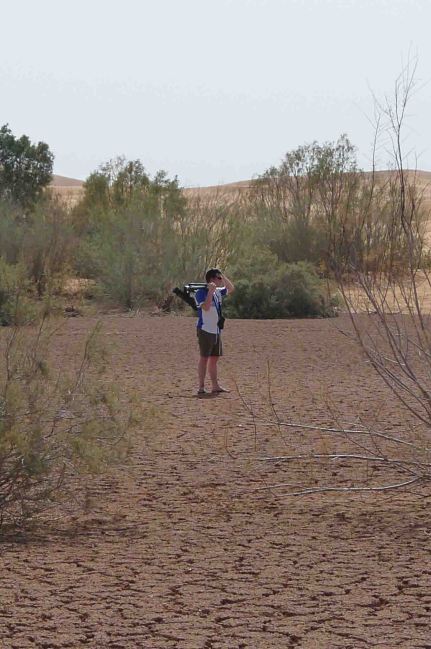
There used to be a wetland around here….must… keep… looking…

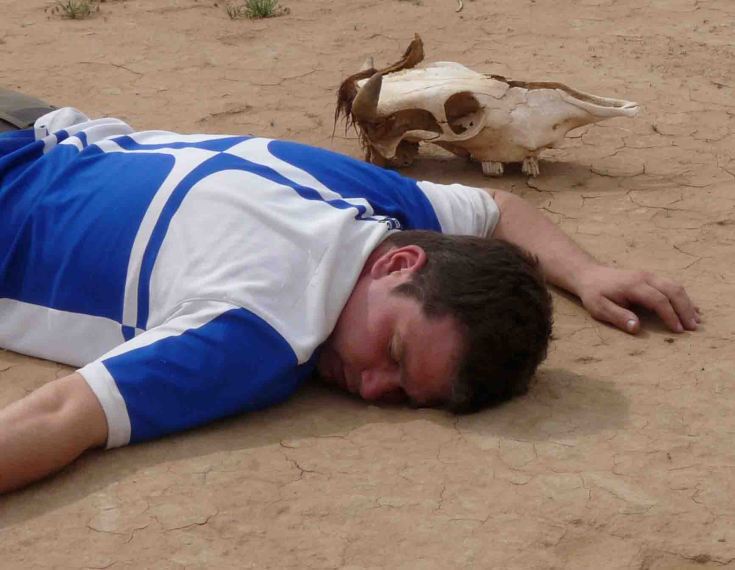
We found him two days later…gave him a drink and.. he was ressurected as……
Obi Wan Kenobe from Star Wars c1977.
(Where is the Seebhom’s Wheatear Obi Wan?, your our only hope)
May the force be with you Jubs..
Last seen in a wadi near Tazanakht, the saga continues……

1-31 March 2010 blog and sightings

31 March 2010 Some images from last weekend including the Buuzard which shows characters of Long-legged Buzzard.

Dead Harbour Porpoise, Severn Est.

30 March 2010 My first House Martin (in the UK) of the year from the Holden Tower, WWT along with lots of Swallows today, see WWT site for more sightings from me including the Great White Egret again this afternoon.

The Little Egrets are returning to my area..got to get the nest sites out!

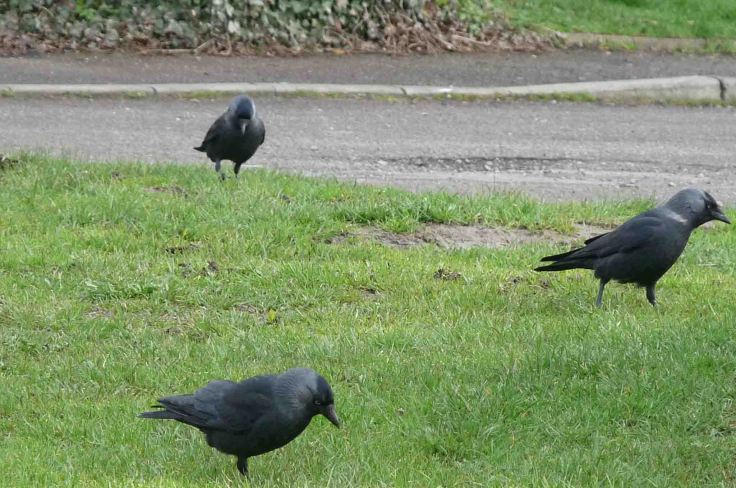
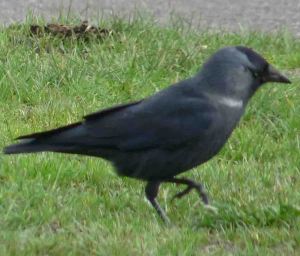
A Jackdaw I saw outside my home this evening, it shows a whitish collar not of the soemmrringii type I see in Finland but an intergrade called monedula (Scandinavian) or a monedula x spermologus (UK version) intergrade.

Far right bird and two images below.


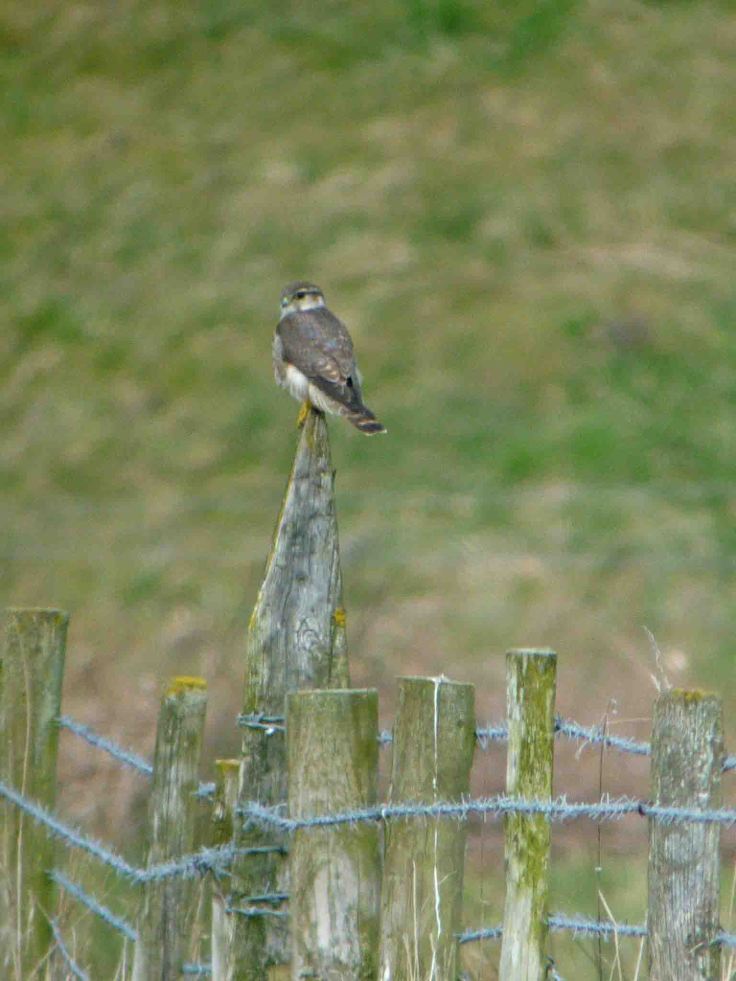
24-28 March 2010 Back at WWT I was too busy 24 and 25th for birding but a Swallow was of note on the latter date. I saw 50 Sand Martin and c10 Swallow on the way home at Frampton Townfield Lake. On 28th at WWT I caught up with the French Great White Egret in the 100 Acre, 50 Acre, South Lake and Bottom New Piece as it hopped it’s way South. Mike King tipped me off as it was seen at Saul Warth earlier that morning. On the estuary a dead Harbour Porpoise was stranded on the sands and nearby a Merlin dashed in front of me in the 50 Acre. At 1255 I spotted a Buzzard sp on the 100 Acre/50 Acre hedge which immediately ‘spoke’ to me as being very reminiscent of Long-legged, a species I have seen plenty of and all week in Morocco. Very warm tones against cream stood out. I took some mental notes and shaky digiscoped images as I hung out of the Landrover. When repositioning to get a better view by heading S away from it (it had dropped down onto the ground) it flew off low North which I missed but was seen by my Spanish Volunteer, Pau. Either I am burnt out tired and seeing things or this was a very unusual bird, it’s legs were very long, perching easily on the thorny hedge and appeared to extend well past its red  ‘trousers’ like a Marsh Harrier. It was pale headed and breasted with large reddish chestnut patches on the thighs lightly meeting in the middle and rufous on the uppertail. I noted at least 6 Common Buzzard around the immediate area and none looked anything like this bird.

16-23rd March 2010 I have been away…

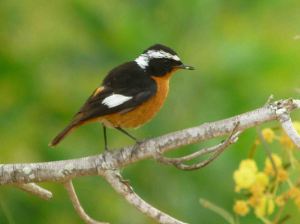
The delightful Moussier’s Redstart, Oued Massa Reserve

A week in Morocco touring the country was a wise move, more to follow when I get time with a full trip report.

15 March 2010 No real surprises at WWT today but JSL and I had a Water Pipit over where we were working and he saw the Bittern in the open field of the 100 Acre at 3.45pm. This bird has been seen in the fields a few times in the last week or so perhaps looking for voles. I thought it would have departed by now with ideal migration conditions. At least 9 Bewick’s Swans remained today.

Merlin 1st summer male?
I often see Merlin in transitional moult in March at WWT with presumed young males showing 50/50 blue/grey feathers and retained juvenile worn feathers. This bird is much less advanced than what I usually see but may well moult rapidly at this time of year. The end of March and first week of April is the best time of the year to catch up with this dashing little falcon in my area.

Tail and tertials are very worn but the fresh blue feathers are apparent


14 March 2010 A WeBS count a WWT occupied part of my morning and produced the expected drop in numbers. The Greenland White-fronts and Pink-footed Goose remained. Best bird was a Merlin in the 100 Acre which appears to be a first summer male.  I saw a Little Egret over the A38 on the way home.

12 March 2010 Had a good look around Frampton on Severn for Sand Martins this morning but found none. Good to see c10 Redshank around the foreshore floods and 5 Dunlin and a good selection of Duck. Nick Goatman reported 60 Bewick’s Swans over Frampton heading N at 0630, WWT is missing 60 Bewick’s this morning and 55 were seen heading over a site in Norfolk at 1030 this morning! Shame I was asleep then as they would have gone right over my house.

11 March 2010 Rather quieter at WWT as winter birds leave but birds of the week made an appearance for me. JSL and I went to the southern fields of the reserve to collect some sheep netting, it was needed to continue with a major job we have on in the north of the reserve. I walked through the marsh to get the wire and heard two geese flying behind the hedge of the Top New Piece, I had no binocular on me but I called them as Greenland White-fronts and sure enough when they appeared in view of JSL’s bins he confirmed their id and followed them in flight to the Tack Piece. We finished up a few little jobs and made our way to the Stephen Kirk hide, there they were in full view with 110 E. White-fronted Geese and the Pink-footed Goose. Great birds, longer legs, neck, wings, taller, lankier all round with very dark plumage, almost blackish, heavy belly bars and larger white frontal shields. Great birds especially among the Russian cousins. No need for me to mention the most obvious feature which is an orange bill rather than pink.

Greenland (top left two) and Russian White-fronts

Been very busy felling, clearing scrub, fallen timber, stripping out fences and putting in 250 posts to create a new fence to improve and enhance our wetlands. Hope to finish this work by the end of March. Lapwing displaying behind.

4-10 March 2010

Highlights this week are shown by my images, a cold but very sunny week with birds passing through and some winter favourites having to hang on as the wind has been coming from the east.

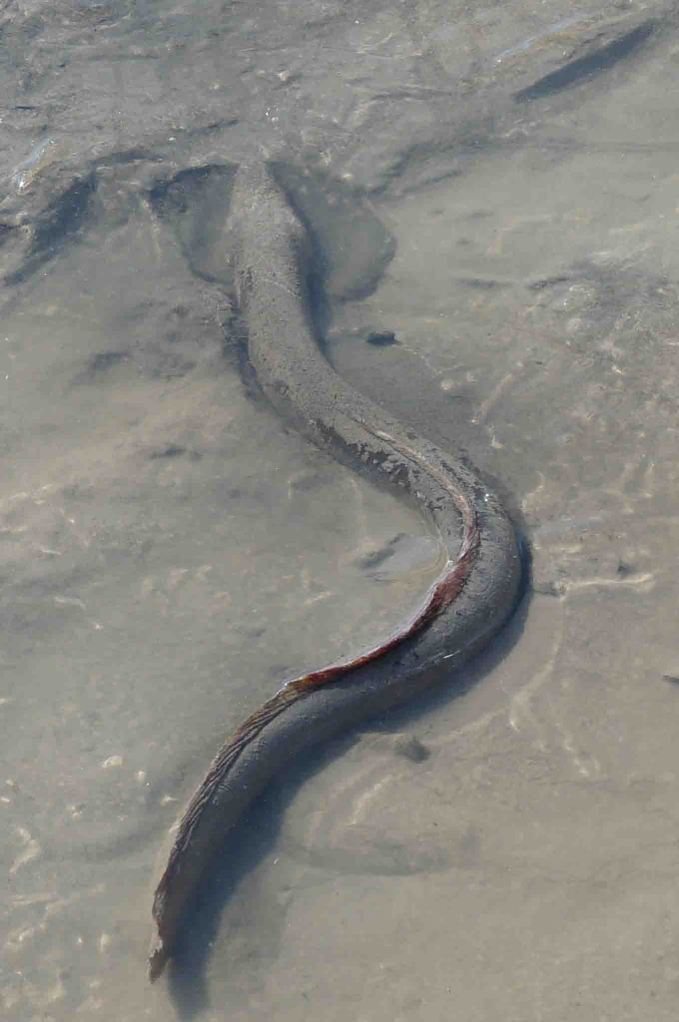
Eel

The first Little-ringed Plover (LRP) of the year on S. Lake.


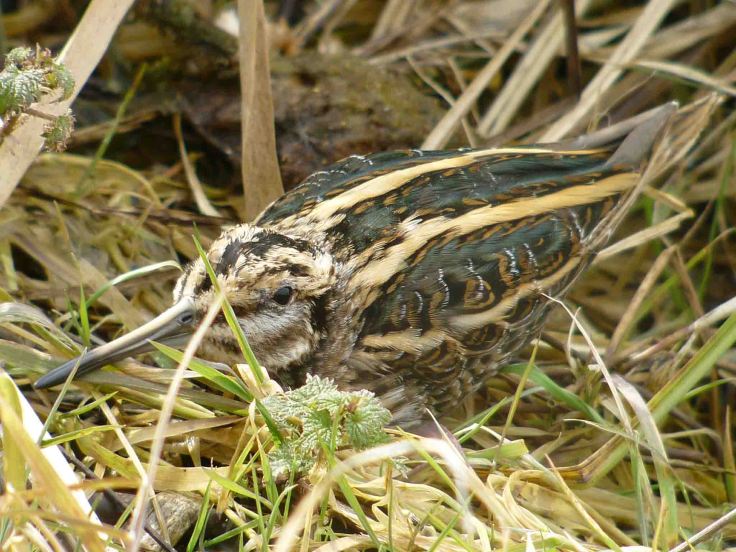
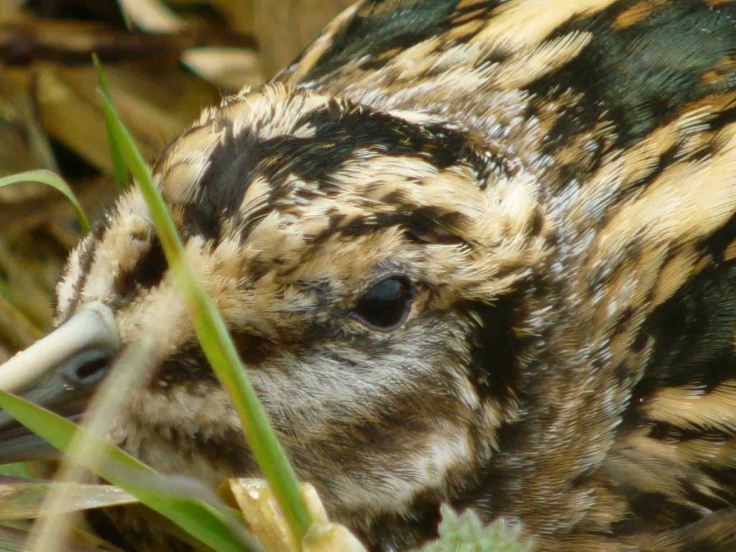
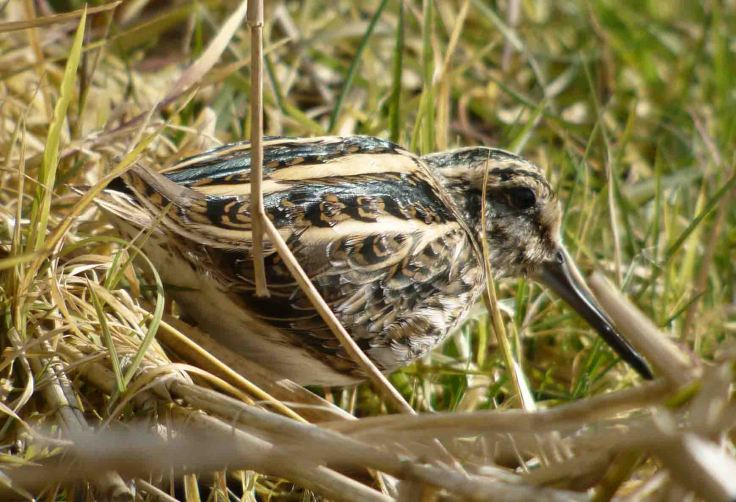
Jack Snipe,  Top New Piece WWT
Panasonic Lumix DMC F7 (purchased from In Focus) and Swarovksi HD 20-60X65
I saw two very close to where I was mowing, one was in the Top New Piece, the other in the Bottom New Piece, the first I watched, photographed and left to carry on it’s business, the second I showed to JSL, it did fly a short distance and landed nearby in full view. The bobbing action and stealth behaviour was seen with both, they lie down motionless until they feel unthreatened then stalk along bobbing and swaying. The camouflage and colours are remarkable.

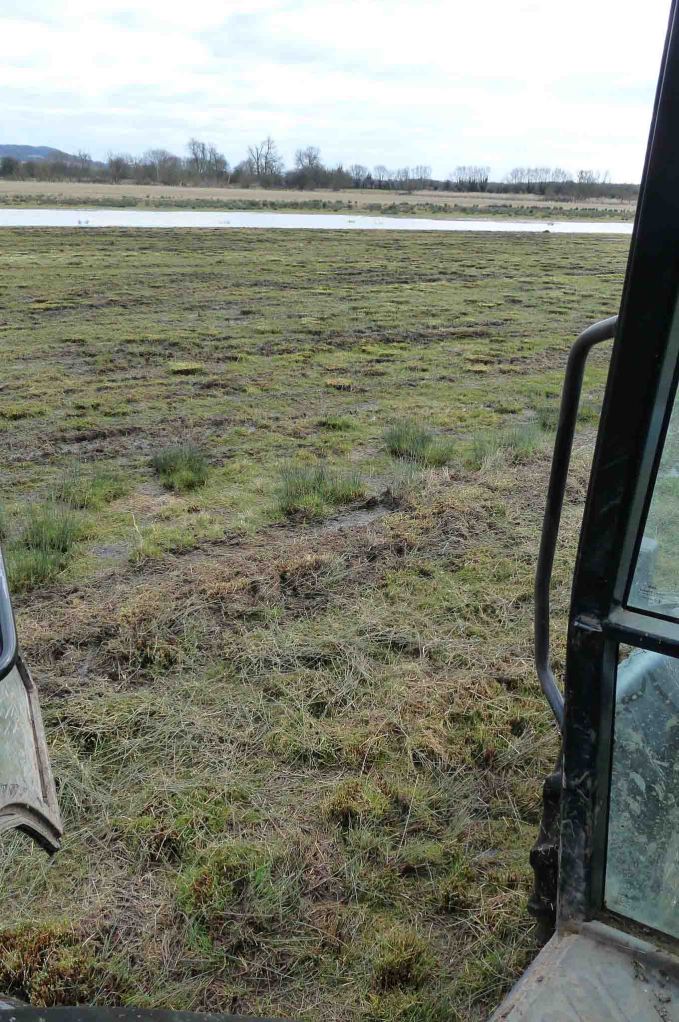
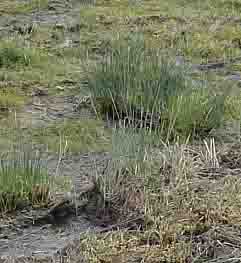
What’s that?

Can you see it?

Got to have good eyesight to spot them!!!!

Common Snipe
Highly unusual for it to sit and pose, they normally fly off when you get anywhere near.

Juvenile White-fronted Goose and male Gadwall
The goose now has a white frontal shield, this is not present Oct-late January/February and moults in but note no belly bars yet.

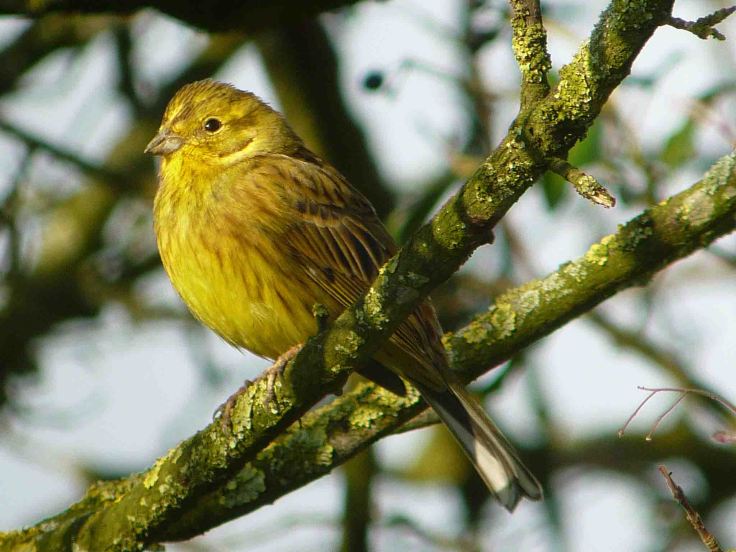
Yellowhammer, I watched c 20 near my home, some of the males were in song in the bright sun.

Pink-footed with the White-fronted Geese.

3 March 2010 The Pink-footed Goose, 186 E White-fronted Geese and 150 Bewick’s Swans and Green-winged Teal remain at WWT Slimbridge.

2 March 2010 I was filming with the Countryfile team today in amazingly lovely weather. A long day with a few good birds thrown in.

My earliest ever White Wagtail, WWT Slimbridge
Seen over the high tide among the tidal debris.


Water Pipit, WWT Slimbridge MJM
This bird was obligingly calling regularly. I have been seeing this species at regular intervals around the reserve in the last three years, changes in the management of parts of the reserve have benefited this bird which was previously very scarce. It still remains very hard to see with most views of flyovers as it usually feeds around the scrapes/wet fields etc often in long grass.


1 March 2010 Some great weather today.

Lapwing at WWT Slimbridge, Tack Piece
An albanistic bird with white patches on the back, also Redshank and Dunlin with white panels in the wing this week and the white-headed Dunlin seen here this winter.

Pochard at WWT Slimbridge MJM
Large scale departures of this long distance migrant in evidence this week along with many duck species.

Long-tailed Tit at WWT Slimbridge MJM
A species that nests early and should be incubating eggs by the end of the month.

Bittern in flight through the reeds and taken from a boat.

Female Black Redstart at Sharpness 27 February 2010 MJM

Ended Feb with this showy little bird.

1-26 February 2010 blog and sightings

26 February 2010 Good to be birding with Jubs locally again, we logged 4 Little Egret and a pair of G.C Grebe at Saul Ponds, plus 160+ Barnacle Geese at the the Court lake Frampton on Severn, c30 Pochard, 80 Tufted Duck and a sinensis Cormorant.

My month in images…

Green-winged Teal readying for a flap..Top New Piece, WWT, Slimbridge, MJM

Pink-footed Goose, South Lake, WWT, Slimbridge, MJM

Merlin on the Dumbles both sexes of this falcon are being seen more regularly from the Holden Tower in the last week.

Whooper Swan on the Tack Piece, seen on three days at WWT this year, where does it go?

The Whoop, left bird with Bewick’s Swans.

A very tame family of Bewick’s Swans are seen daily among the pumps, pipes and mud of the Big Pen development which when finished should see the return of large numbers of Tufted Duck to the pond, we can see them from the office which is very nice indeed.

From the office….

7-25 February 2010 All birding for me has been at work around WWT but great to see lots of breeding activity and some birds on the move over the last week. I have had some luck in locating  male Green-winged Teal at WWT which was still present on the Top New Piece yesterday. Other news to pass on as Gloster Birder is down whilst Mike is away in C.Rica is of a female Hen Harrier WWT, Holden Tower 25th plus Pink-footed Goose, Merlin and the GWTeal. The Whooper Swan was on the Rushy on 23rd. I hope to add some images from this period over the weekend. A Great Spotted Woodpecker in the garden yesterday and 4 Yellowhammer in the field behind were notable for me.

5-6 February 2010 No birding other than from the house windows.

4 February 2010 No sign of the Ring-necked Duck today.

3 February 2010 We had a swan/duck catch at WWT Slimbridge on the Rushy where c 300 birds were trapped and processed. It was good to ring Pochard and Tufted Duck again and 17 Bewick’s Swans were also ringed.

2 February 2010 At work at WWT Slimbridge female Goldeneyes on South Lake and the Rushy was of note, the Ring-necked Duck made a very nostalgic visit to the Rushy 55 years after the first for Europe was found there by Lady Scott. The Ruddy Duck was still on South Lake too.

Female Ring-necked Duck, WWT, Slimbridge, South Lake 1 February 2010 MJM

1 February 2010 The female Ring-necked Duck showed well from the South Lake Obs along with a Ruddy Duck. see below

The tide on the Severn flooded over the Dumbles breaking the ice and terrifying the geese in particular. In full flood virtually no grass was left and the sight of Canada Geese running ahead of the icy flood, Dunlin riding mini ice floes at 16mph with the tide, panicking White-fronts and 3200 Wigeon, all in bright sunshine and calm conditions was very memorable. The cracking ice was very easily heard from the Holden Tower.

Forest of Dean day trip, 23 January 2010

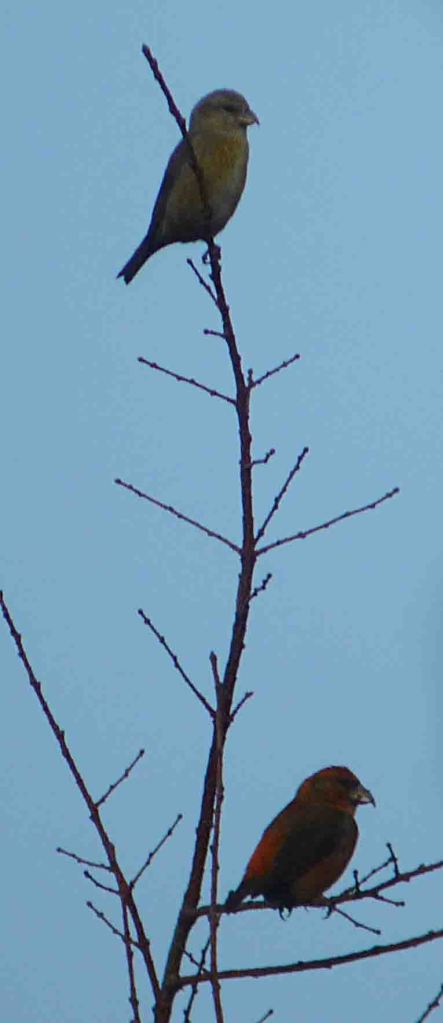
We left Whitminster at 0900 and arrived in the Forest at 0940. We were a small group of which two were rather keen on seeing Crossbill and Hawfinch as they were lifers. I was joined by Neil Smart who helped me with locating the birds and we headed for Brierley first. Soon after leaving the car we were watching 5 Crossbill atop the trees and scoped them in the sun. We spent about two hours quietly exploring the plantations and trackways and had some great birding. Crossbills were flying over in small parties of 4-20 regularly during the whole time we were here, our final flock numbered c50 and 10 allowed scope studying views as they stripped layers of bud from the tips of the trees. A Goldcrest fed close by proving that some survived the cold. Also in the area were 30 Siskin which we scoped and a Redpoll that Neil saw only in the same flock. At least 3 Redpoll flew over as silouhettes. After following the stream back toward the car we found a mega flock of tits. About 50-60 Coal Tit, 20 Blue Tit, 6 Great Tit, 10 Long-tailed Tit with 2 Great spotted Woodpecker (we saw 5 in this area), 2 Nuthatch, 3 Goldcrest, c40 Siskin, 3 Redpoll, 4 Treecreeper and 1-2 Willow Tit (only MJM saw the latter) fed in a roaming flock that we kept up with until they veered off into dense woodland. Mistle Thrush, Chaffinch and Greenfinch were all heard singing. A Fieldfare and Marsh Tit were seen back near the car.

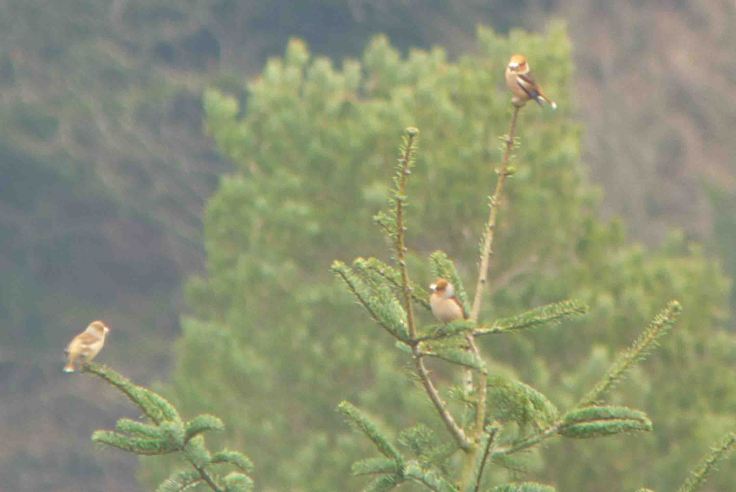
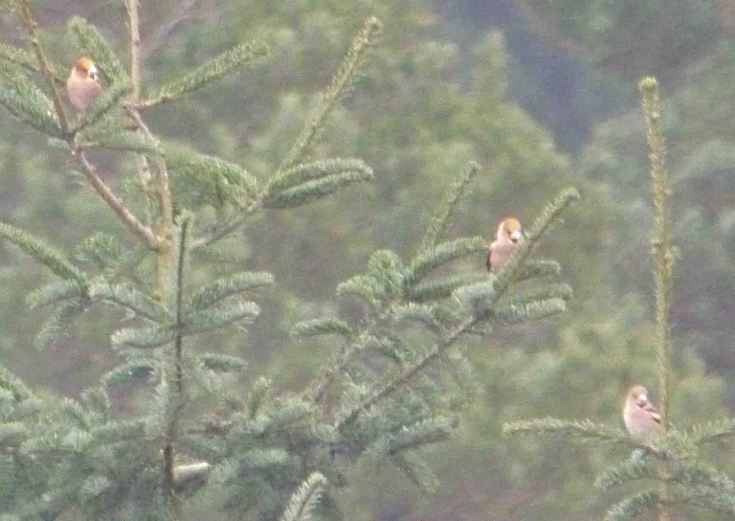
A short transfer to the Speech House area and I located a Hawfinch immediately, soon after 3 were seen feeding on the ground and then 5 nearby. Finally 3 showed well on the ground to all of us and then perched in the trees undisturbed. We all got scope views of these handsome birds.

Next stop was the Cannop Valley, it was good to see 4 Mandarin as I thought they were all frozen out, I had heard that 60 were in Worcs on a reservoir near the Severn and wondered if the Forest of Dean birds had moved out in the worst of the cold weather. 4 Little Grebe and 4 Tufted Duck joined a Greylag. The stream levels were very high so we did not find Dipper or Grey Wagtail here or at another site in Parkend.

A visit to New Fancy View was well worth it, it was still and quiet with few birds but we did manage to see a Goshawk that Neil located and a party of 4 Hawfinch that sat atop the pines in full view for 20 minutes, they were not as close as the birds earlier in the day but made up for it with their prolonged appearance. We popped in to Woorgreens Lake but it was still frozen over still so we finished for the day arriving back at 1600.

A decent set of birds with quality views being most important today.

Martin J McGill

Crossbills at Brierley

Crossbills, Forest of Dean 23 January 2010 MJMcGill 111

Some distant Hawfinches at New Fancy View

Hawfinches, Forest of Dean 23 January 2010 MJMcGill 008

Hawfinches, Forest of Dean 23 January 2010 MJMcGill 015

1-31 January 2010 blog and sightings

Ring-necked Duck, WWT Slimbridge, South Lake, MJMcGill

31 January 2010 At WWT South Lake the birding was very good today. I checked ut a report of a strange duck that was seen by John Budd and it turned out to be a female/immature Ring-necked Duck. It was 5.00pm and getting dark. A Smew, Ruddy Duck and Goldeneye were also present as was a White-fronted Goose and earlier in the day a Pink-footed Goose.

White-front

RCP

26 January 2010 A nice surpise to see a Pink-footed Goose in with 356 E. White-fronted Geese at WWT today. The Goldeneye was still showing very well at times in front of the Peng obs.

Pink-footed Goose bottom left bird in the Bottom New Piece

Pink-footed Goose 26 January 2010 WWT MJMcGill 010

24-25 January 2010 Back at WWT with some quality birding with the winter flocks and the Canada Goose showing characters of Todd’s remains among the Canada flock. A redhead Smew and the Bittern were both seen at WWT today.

Crossbills at Brierley

Crossbills, Forest of Dean 23 January 2010 MJMcGill 002

23 January 2010 A day out to the Forest of Dean guiding an Anser Birding group. We had good views of Hawfinches, Crossbills, Goshawk and lots of other birds, I will post a short trip report on the relevant page (trip reports).

A ‘White-headed’ Dunlin, WWT Tack Piece.

White-headed Dunlin 17 January 2010 MJMcGill 011

22nd January 2010 My local Skylarks have returned, numbering c50, last Sunday and Monday saw a passage of Skylark over WWT all heading N or NE. I have heard that a similar movement was noted at Aylburton, Lydney and Walmore Common on the same days and involving hundreds of birds. Also added Reed Bunting to my local patch list, one was with 5 Yellowhammers near my home.

18-21 January 2010 As 17-18th.

17-18 January 2010 At WWT the thaw has let many birds back into the area, the Canada Goose showing characteristics of Todd’s was still showing well on the Rushy today and yesterday at the feed. It flies onto the Dumbles with the flock of 410 Canada’s. The female Goldeneye was still here also. Two Bitterns remain on the reserve, I managed some decent pics today in the sun. I will upload them when I can.

16 January 2010 No birding today.

15 January 2010 No birding today.

14 January 2010 Again the  goose that shows features of Branta candensis interior  or Todd’s Canada was on the Rushy this morning. The female Goldeneye was also present. I was delighted to see two Woodcock at the South Finger reedbed this morning.  Andy Jayne saw three Red-crested Pochard on the canal at Splatt and also had 5 Whooper Swans near Lydney the day before so it proves there are plenty of birds moving about.

13 January 2010
Watch BBC2 at 8.00pm tonight for Snow Watch featuring WWT Slimbridge.

Bird of the day at WWT was a Canada Goose as found by JSL which shows features of Branta candensis interior  or Todd’s Canada.

12 January 2010 Mike Youdale and I saw a female Merlin on the Dumbles, lots of wildfowl around the ‘water holes’ of South Lake and the Rushy.

11 January 2010 A female Goldeneye has been on the Rushy the last couple of days but a male Red-crested Pochard was a bonus, the regular female Red-crested Pochard x Mallard hybrid was also still present.

10 January 2010 I spent the day with the BBC at WWT Slimbridge trying to get footage of birds in the snow. We did manage to get some results and the programme goes out on Wednesday night at 8.00pm (I think). As a result I did not get a chance to have a good look around.

At least 116 Red-crested Pochard were reported around the country today as far East as the Ouse in Cambs (29 seen) and Cliffe in Kent (7 seen) but 2 had reached Helston/Marazion in Cornwall.

Four Red-crested Pochard were at Frampton today, I did see a couple here last winter but they are uncommon in our area and fairly common in the Cotwold Water Park. Studying the movements of these birds today shows reports of 14 at Cheddar Reservoir, Somerset, one in Devon, four in Hampshire at coastal sites. In the Midlands 25 were in Northants, 2 Berks and 5 in Beds with one as far west as Pembrokeshire. Are these the Wilts/Glos CWP population dispersing or genuine immigrants? Any counts from CWP should reveal what is happening. Ex Gloucestershire county recorder Andy Jayne brought up a very good point last night, where are the Red-necked Grebes? we normally see an influx in such a winter.

Red-crested Pochard, Frampton Pools 9 January 2010 MJMcGill

9 January 2010 A walk around Frampton Court Lakes footpaths revealed c50 Redwing feeding in snow free patches and 2 Siskin, on the Court Lake c800 birds held a Ruddy Duck and 4 Red-crested Pochard plus c8 Little Grebe and 4 Great Crested Grebe.

Sleeping Ruddy Duck

Ruddy Duck, Frampton Pools 9 January 2010 MJMcGill

8 January 2010 Still lots of birds visiting the garden, perhaps 150 or more. Great spotted Woodpecker and male Blackcap and c5 Fieldfare among them.

A phantom view of Bittern

Bittern, WWT 7 January 2010 MJMcGill 001

7 January 2010 A very very cold night and day for the birds. On South Lake I saw a female and first winter male Smew and also on the reserve at WWT at least two Bitterns. A selection of images from the stunningly beautiful day at the trust.

Blue Tit and bullrushLumix 7 January 2010 MJMcGill

Frozen saltmarsh Lumix 7 January 2010 MJMcGill

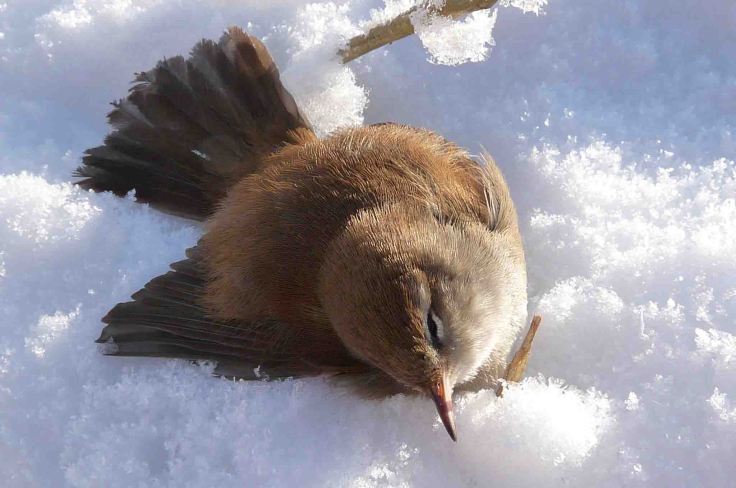
Cetti’s Warbler, a sad casualty of the big freeze…

Cetti's Warbler (died due to cold and starvation) 7 January 2010 MJMcGill

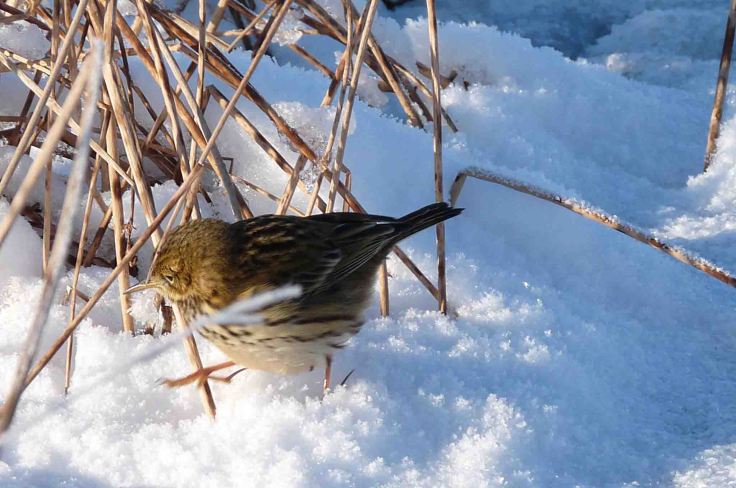
Meadow Pipit in the snow 7 January 2010 MJMcGill

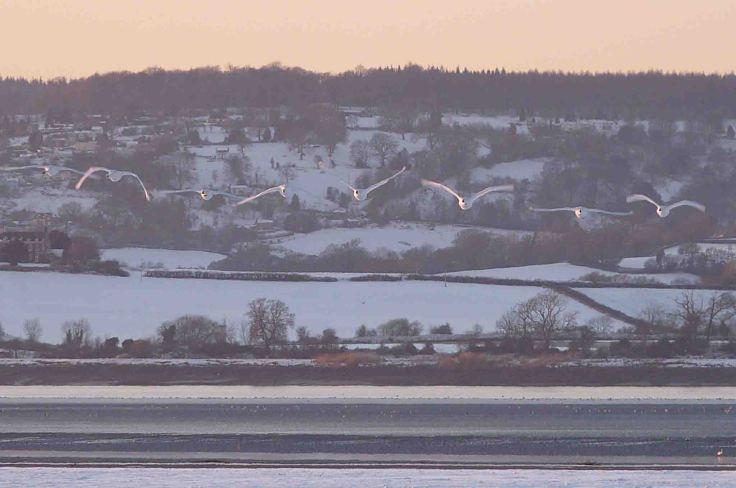
Bewick's Swans return from Severn 7 January 2010 MJMcGill

6 January 2010 The heavy snow has brought many more birds into my garden, I have placed halved apples everywhere to create an orchard and this has brought in up to 20 Fieldfare and a new female Blackcap. I have 30 Chaffinch as other feeding sites may be covered with snow. The water has also been popular but needs changing regularly. Common and Black-headed Gull and Magpie are also on the ground in the garden which is unusual. At WWT 300+ Bewick’s Swans are on the Rushy, a good count.

5 January 2010 At WWT Slimbridge the freezing conditions and eventually today, snow has concentrated the birds. A female Smew, probably an adult, female Goldeneye and a male Ruddy Duck could be see with 32 Ruff (probably a winter record), 60 Gadwall and 237 Shelduck, a count of Tufted Duck revealed 666 on site! The Bittern showed at the Zeiss Hide again today.

Smew, female, probably adult MJM
It lacks the black mask that always seems to be apparent on first winter males and any white in the plumage other than what shows on adult females. The white cheek area is not extensive as I have seen in first winter males.

Smew, WWT South Lake, 5 January 2010 MJM

Smew WWT South Lake, 5 January 2010 001

4 January 2010 After ringing 49 duck in the morning (13 in the evening) I re-checked out reports of a swan stuck in ice to find it had freed itself despite leaving many feathers behind. I did see a Bittern, 3 Water Rail, 900 Teal, 4 Snipe, 2 Jack Snipe, a Rock and Water Pipit whilst around the North end of the reserve.

1-3 January 2010 No birding during the first couple of days of the year but back at WWT on 3rd a few birds were on show.

Blue Tit at the end of 2009 MJM

Blue Tit and Bullrush 2009 MJMcGill

North-west Slovenia 17-20 December 2009 (with notes from November 2002)

North-west Slovenia 17-20 December 2009 Martin J McGill
A trip report with some birding  and notes based on two visits.

http://www.anserbirding.com/photos/svmanager/g31/

The above is a link to the gallery

I visited North west and Southern Slovenia in early November 2002 with three friends, Phil Tovey, Jeremy Squire and Nige Warren, flying into Trieste, Italy where we visited a wetland reserve and then crossing the border and staying in Bled for a few nights and then Ljubjlana for one night. We were on a birding trip but also tasting local beers and enjoying the country. I was intrigued by the travel tales of Phil Tovey in Slovenia and just had to go, the birds were a bonus. Phil guided us around a variety of scenic sites as he had been shown some good birding areas on previous visits by DOPPS staff (Birdlife Slovenia partner).

I was so impressed by this visit I wanted to return again hence me bringing my family to see the area around Bled especially. On the visit with the lads we did well for birds and the weather was fine, we enjoyed fairly warm and settled conditions. I cannot publish where we saw many birds showing discretion as was promised to DOPPS and I have since forgotten where some things were, this was a trip I did not organise this trip for a change and it was a luxury to sit back and enjoy.

We did see the following highlights in November 2002…..

Grey headed (flew past the car) and Lesser Spotted Woodpecker just outside Bled, on the road to Vintgar Gorge/Pokljuka.
Black Woodpecker-one was seen by JS and NW.
Nutcrackers-a distant view of one initially in the deep forest on a clearing edge and lots of close views of them still collecting nuts etc around the Pokljuka villages. This was only the second time I had seen this species after a very distant view of one many years ago in the Alps, found by Richard Hearn.
Hazlehen-a rufous toned bird showed outrageously well in a Rowan for a long period, amazing I spotted it after waking up from a nap as we were driving along, the beer tasting the night before had taken it out of me. It was along a forest track in Pokljuka and was a lifer for all.
Wallcreeper-at least four on a rock wall in the Karst region near Koper, we also noted Rock Bunting here.
Black-throated Diver and a first winter Little Gull (found by Jubsy) on Lake Bled, Hawfinches in the park by the town.

For a birding family trip or for some extra notes the following report may be of interest but this was not a birding trip!.

16 December 2009

We set off from Gloucestershire after the Christingle that my son was singing in for his school had finished (at Standish Church). A very wet drive made it hard going and a coffee/fuel stop and three hours later we found ourselves spending the night in the Travelodge near Stansted Airport (£19.00 for a family room pre booked deal but note £3.00 parking charge).

17 December 2009
 I found it hard to sleep after a large coffee but managed a few hours until we rose at 0500 to get to the airport. We flew with easyjet (45 minute delay-no pilot!), our new pilot got us there 40 minutes late but it was a 1.50hr journey, the cabin crew were very helpful and cheery. Everything at Brink (Ljubljana) airport was well organised and ran smoothly, all our bags present and correct and quick through customs. Hired a car with Holiday Autos/Budget Slovenia and was met by a very helpful and polite chap who set us up very quickly, we were on the road and arriving in Bled by 1330.

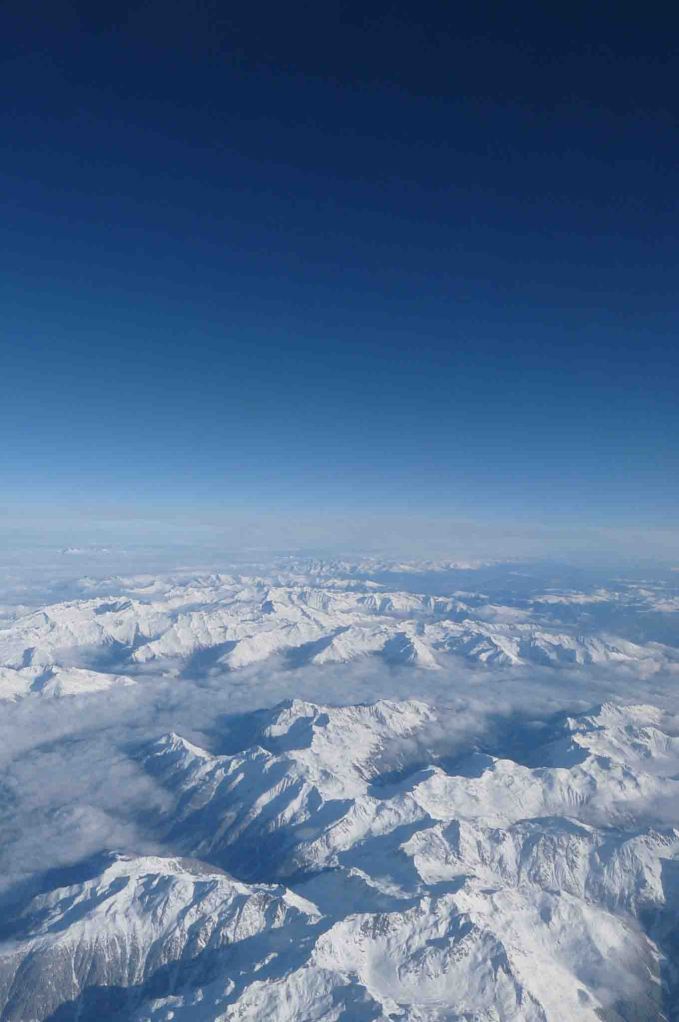
The Alps

The Alps from Easyjet  17 December 2009 MJMcGill

As we left the airport, it had snowed recently and we began seeing Hooded Crows and Buzzards along the roadside. At Bled we found our accommodation and was once again helped by the staff to settle in-no worries. I chose to stay at the Penzion/Hostel Bledec  again where we chose a room with a view, unpacked and had a great cheese omelette and fries for lunch. The menu here is good for vegetarians (three evening meals with different and interesting veggie options, three courses, it is possible to eat here as a non-resident). Looking at menus around the town of Bled it was clear that a varied selection of international food was on offer all with veggie options but the Slovene food is very good with many interesting things to try as long as you can find a menu in your chosen language. We had no problem with this. Even Llubjana (Brnik) Airport had a great selection of veggie grub!

After our first meal of the day we went for a walk around the village and lake, Nuthatches were calling from the trees along the parkland/lakeside walk with one very showy bird near the Roast Chestnut seller! Robin, Blackbird and Wren was noted along with 4 Cormorant, a male Pochard, c20 Shoveler, 2 Little Grebe, Mute Swans and flocks of Coot on Lake Bled. Coal and Marsh Tits were found in a few spots with Goldcrest, more Nuthatch and 2 Raven over the castle. Some of the garden feeders in the village held Great and Marsh Tits.

18 December 2009

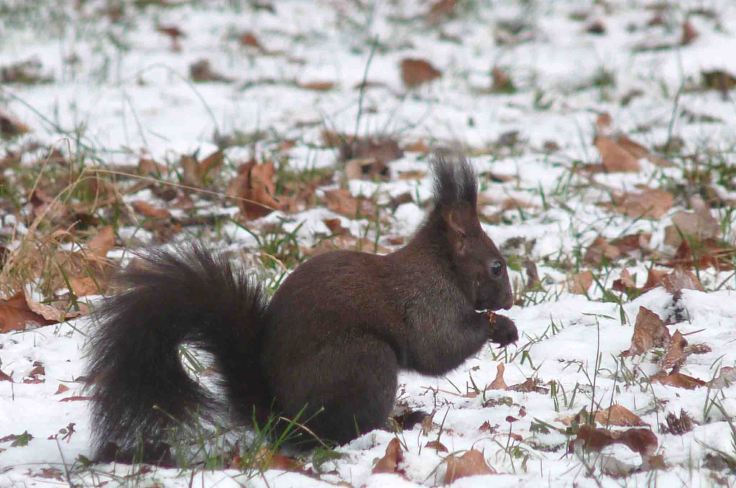
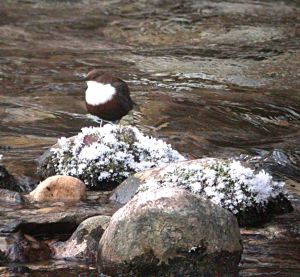
We rose early, had a good continental breakfast and popped into Bled Town. I spent half an hour watching the ‘Black’ Red Squirrels under the trees next to Lake Bled before heading for Kranska Gora via Vintgar Gorge. A walk into the gorge was again very nice, I did the whole route even crossing the sections of boardwalk with missing boards when visiting with the lads but just went to the first bridge this time to see the crystal clear water, rapids and cauldrons of water. Not a good place to listen to birds as the waterfalls and crashing water are so loud but worth it for the scenery. I must point out that it was closed for the winter both times I visited. Near the weir and bridge back on the road we did see a Grey Heron and watched a Black-bellied Dipper feeding and swimming under the crystal clear water for a long time before flying off down the river.

Red Squirrel, Bled Park

'Black' Red Squirrel, Slovenia, Bled  17-20 December 2009 MJMcGill

Dipper, Vintgar Gorge

Dipper, Vintgar Gorge, Slovenia 002

Dipper, Vintgar Gorge, Slovenia 001

We saw Buzzards and Hooded Crows in many places and saw that the Kranskja Gora municipality sign features a Black Grouse. On arriving at Kranskja I immediately found c60 Alpine Chough scavenging around the bins next to the main road. We drove about the town a bit and then headed for Planica where the world record ski jump is held and they were busy working on the jumps for March when the next competition is held. A Slovene had held the record (226m) but it is currently a Norwegian that holds it at 239m in 2005. A few Crossbills and Nuthatches were seen but mainly Coal Tits. The ridge between here and Kranskja has Three-toed Woodpecker but I had not time to try besides the ski lift was not operational today so a long climb would be needed. We had a coffee/hot choc in the cafe and then went back to the main road where we decided to drive into Italy for lunch. In the town of Cave at least 30 Alpine Chough were on the rooftops. We headed back into Slovenia via the Predil Pass and wanted to drive up to Mt Mangart. I was disappointed to find the road snowed up and impassable by the VW Polo I had on hire and did not have the time or inclination to fit the snow chains, the road was closed anyway. This is where Snowfinch can be seen and I hoped to get some images of them. We carried on a route through the spectacular Triglav National Park and returned to Kranskja Gora via the Vrsic pass. This was snowed up but the road was still clear. I stopped a couple of times to listen and look for birds but apart from 100 Siskin it was deadly quiet, Slovenia is very quiet in the mountains and forests and to prove this point I could hear the wingbeats of a pair of circling Raven. At the pass I stopped at the spot I had been with the lads before but apart from stupendous scenery only 6 Fieldfare migrating through the pass. We passed through Fusine, s of Tarvisio, Cave, Lake Robaljska in Italy then Strmec, Log Pod Mangartom, Kluze Fortress, Kal, Soca, Trenta, Alinium Julijana and the Vrsic pass in Slovenia on this route.

Alpine Chough, Cave, Italy

Alpine Chough, Cave, Italy 18 December 2009 MJMcGill 082

Triglav is the only national park in Slovenia and covers 4% of Slovenia. It is 48% forest, has high mountain peaks and deep glacial valleys, 23% alpine meadows and 19% of it is above the tree line (per Important Bird Areas of Slovenia, DOPPS, Birdlife International, 2000). It holds important populations of Alpine Accentor, Wallcreeper, Alpine Chough, Snowfinch and has Black Grouse, Ptarmigan, Golden Eagle, Rock Thrush and for me the mythical Rock Partridge (more effort needed after failing in Slovenia, Greece and France but only small attempts to find one).

We headed back home after eating a Kremna Rezina cake in KG and found out Sledge hire prices etc (5 euros a day).  A good meal at Penzion Bledec and a wander around Bled including a visit to one of the great pubs ended the day with pint of Union.

Kremna Rezina cake, Slovenia, Kranskja Gora 17-20 December 2009 MJMcGill

19 December 2009
We awoke to find a deep layer of snow in Bled and it was falling heavily. I wandered out around the lake and back to the accommodation noting a few birds, I was followed by a Robin that fed on any bit of ground I scuffed up. The finches, tits and Nuthatches were all looking pretty glum in these conditions. I saw and heard a Crested Tit and Great-spotted Woodpecker on this little wander.

Robin, Bled, Slovenia 001

After clearing the snow we tentatively headed back to Kranskja Gora to go sledging, the road conditions were bad but the snow ploughs and gritters had made it passable. It was the opening day of the skiing season and was free to everyone. News crews were covering the story and it was busy with snow lovers. Around the town of Kranskja Gora there were c120 Alpine Chough, they were stripping the berries from the trees at head height but were still slightly nervous. The two tallest deciduous trees in town were a favoured lookout for them. One of these trees is next to the church and the other near the tourist office. Otherwise they sat on the rooftops of the hotels and buildings waiting for a feeding opportunity. Their distinctive calls were everywhere as they flew around the town. A few Hooded Crows were also perched up and a party of 20 worked over a pile of something between the town and the road. A did see a Jay fly over and a Fieldfare ate rowans near the slopes. The chairlift was working but I had no time to use it to explore the ridge west of Ciprnik, besides the weather was bad for birding and good for sledging.

Alpine Choughs, Kranskja Gora

Alpone Chough, Slovenia, Kranska Gora 18 December 2009 MJMcGill 114

Slovenia, Kranskja Gora Alpine Choughs, 19 December 2009 MJMcGill

After doing what we had to do I had another look at the Alpine Choughs including a flock of c40 wheeling above the slopes and headed for Austria for lunch. We drove through the 7.8 km Karawanken Tunnel (6.50 euros each way) through the mountain and stopped for a coffee and then had a look at the Faakersee lake. Great Crested and Little Grebe could be seen along with Coot, Mallards, a male Pintail, Kestrel, Tree Sparrows and a large number of Blackbird. The snow was deeper and falling heavier in Austria so we decided to go back into Slovenia where it was sunny and clear. Part of our plan for the day was to go ice skating, a first for both my children. As the Bled rink is open daily from 1630-1800 we did just that. A spell in the toy shops ended a perfect day for them and we went back for another good dinner and for me, a bottle of Lasko beer, it has a Chamois on the green label, another local beer is called Union.

Austria,  19 December 2009 MJMcGill

20 December 2009
Our last morning in Bled found us waking to a brilliant sunrise which led to a sunny day. Everywhere the scenery and snow was outstanding so I went for a drive, as soon as I left Bled four Roe Deer ran across the fields and I had to stop to allow them to run in front of me and into the woods. I carried on initially trying to get onto the Pokljuka plateau to look for Nutcracker and woodpeckers but the icy mountain road made me turn back and descend. I had snow tyres but no studs and it was no quite snow chain conditions despite having them with the hire car.  I drove to the Bled railway station and took pictures of the lake from various spots. Meeting back up with the family we packed and went up to Bled Castle (Bledski Grad) where a male Crossbill was singing and chasing a female. A pair of Raven flew around below us cronking and Mistle Thrush was defending mistletoe. The castle gave superb views. 

Chaffinch, Bled Castle

Chaffinch, Slovenia, Bled  20 December 2009

Raven, Bled Castle

Raven, Slovenia, Bled  20 December 2009 MJMcGill 273

Looking at the snow I thought it would be impossible to do the drive we did on our second day, the snow was unusual for the time of year at this lower elevation but welcome for us. It did mean I could not re-see some favoured birds but I was not here for that anyway and had a great time in this fantastic place again. I will be going back, perhaps a summer visit with dragonflies in mind. The last bird I saw was a Tree Sparrow on the bushes outside the airport terminal.

Martin J McGill

North Norfolk 13-15 November 2009

Fly Agaric near Dersingham 13 November 2009 MJMcGill

Fly Agaric, near Desrsingham Norfolk November 2009 MJMcGill 011

Dark-bellied Brent Geese at Wells MJMcGill

Dark-bellied Brents, Wells, November 2009 MJMcGill 004

Common Cranes at WWT Welney MJMcGill

Cranes, Welney Norfolk 15 November 2009 MJMcGill

Summary
On Friday morning most of us assembled in Gloucestershire for the journey to Norfolk with one meeting up with the group in the evening. We called in at a few sites between King’s Lynn and Hunstanton searching the woods and heath and doing a little sea-watching as it was calm. The forecast for the weekend was not too encouraging but worked out reasonably well. We toured the best sites along the N Norfolk coast on Saturday and Sunday before returning via WWT Welney for the sunset.

Friday 13 November 2009
After a stop near Coventry and a brief look around Wolferton for Golden Pheasant we made our way to the picnic site to use the facilities and have lunch. Almost immediately the fungi enthusiasts were enjoying lots of Fly Agaric toadstools that had sprouted among the birch and pines. A number of birds were around the site, Great Spotted Woodpecker, Coal Tits and other common woodland birds were found but  a Crossbill was the highlight for those that managed to get onto it. Another ‘cruise’ around Wolferton did not reveal Goldies but a Muntjac ran across the road. A walk around the edge of Dersingham Bog was very productive. The ancient sea-cliff gave a good view of the Bog where Len quickly located the wintering Northern Grey Shrike atop its usual pine.  We also saw a deer species, probably Roe.

Back on the road we were soon looking from Hunstanton cliffs before relocating to Hunstanton  sea-front.  At least two Red-throated Diver,  two Common Scoter, small groups of Fulmar, 40+ Great Crested Grebe, 10+ Red-breasted Merganser as well as commoner gulls and flypast waders. Three female/immature Velvet Scoter and 2 Harbour Porpoise were notable species. On the golfcourse we saw a few roosting waders which included Black-tailed Godwits.

The fading light and need for attention to my car exhaust saw the end of the days birding and checking in to the hotel for all but me. I went to get the car sorted and checked in at my accommodation before returning to the group, which now was complete for dinner.

Saturday 14 November 2009
A windy start to the day signalled what was in store but a search of Holme next the sea beach pre-breakfast gave us our first wader flocks which included Knot, Grey Plover, Dunlin and Sanderling. A flock of c40 Snow Bunting were busy feeding in the saltmarsh and shingle ridges. A variety of common passerines were seen as well as flocks of Greylag and Pink-footed Geese. We returned for breakfast. After the refill we began searching the roads between Hunstanton, Docking and Burnham Market, perhaps 1000 Pink-footed Goose were seen but this was rather low numbers for this part of Norfolk in the winter. A few showers hampered our viewing but better to be in the car when raining!

We moved to Holkham and parked at the end of Lady Anne’s Drive to walk through the dunes and onto the saltmarsh. Large numbers of passerines were feeding in the saltmarsh, Rock and Meadow Pipits, Linnets, Goldfinch and eventually, five splendid Shore Larks showed in the sunshine. Another look at the sea and c400 Common Scoter showed distantly and a Snow Bunting dropped in calling. At variety of woodland birds were seen in the pines with Treecreeper being most popular. At least three Common Darter dragonflies were seen, late dates indeed. We made a stop at Wells to use the facilities and pick up provisions and look at the Brent Goose flock. We then went back to a viewpoint to eat lunch and see what flew by. A party of 4 Egyptian Geese fed in the fields.
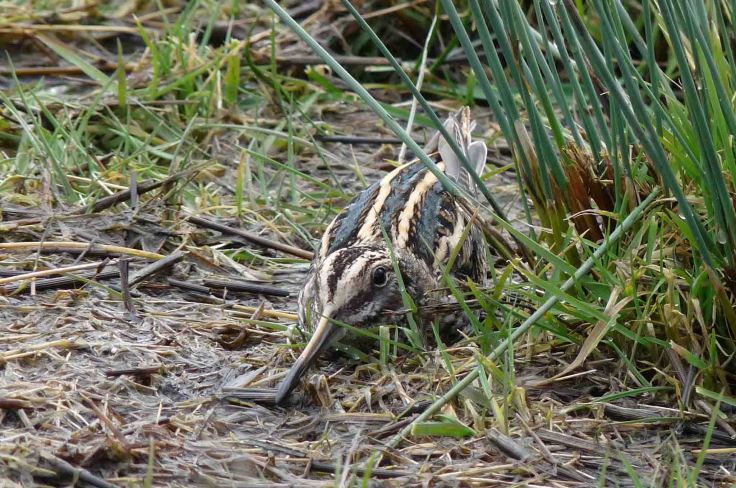
Skulking Shore Lark

Shore Lark, November 14 2009 MJMcGill

More searching for geese did not locate many more Pink-footed Geese ( I later found out they had mostly moved further into the Wash area) . A visit to Titchwell to round the day off was as ever very productive despite it being a bit quieter due to excavation work on the site.

Six Avocet fed among the assembled  wildfowl but water levels were a little too high for waders that did not want to swim. A couple of Marsh Harrier flushed the marsh during their travels. We transferred to the beach for another seawatch. Red-throated and single Great Northern Diver, more Great Crested Grebes and poor views as dusk set in off Guillemot and Red-necked Grebe. The weather also worsened with strong winds and rain so we finished for the day and headed back to the accommodation.
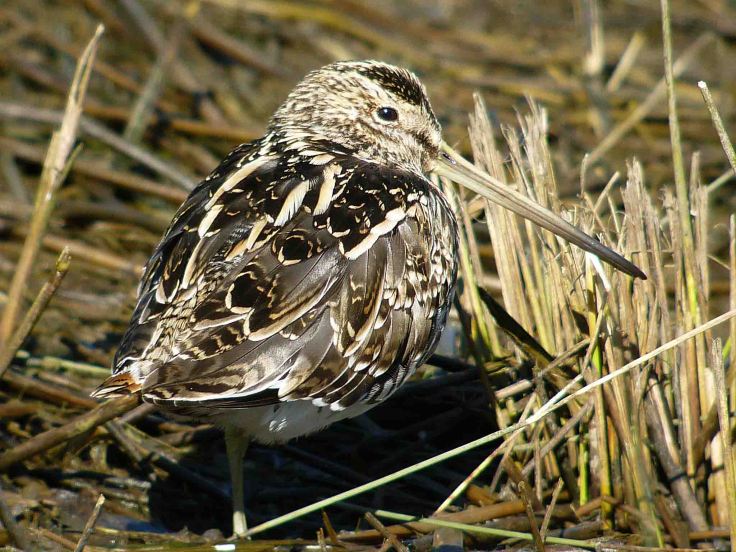
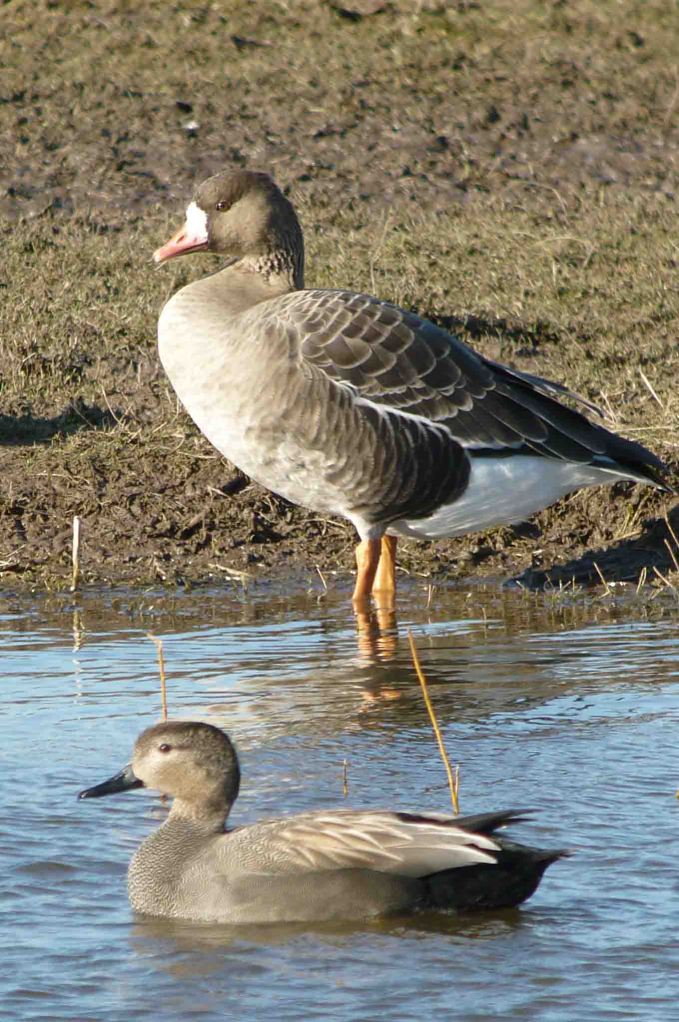
Sunday 15 November
Another early start before breakfast was well worth the effort at Thornham as we managed to see Barn Owl, watch Pink-footed and Brent Geese leaving their roost sites and fly overhead and watch a few more species. What may have been an Otter was seen by many members of the group but I missed it as did they with a flyover Lapland Bunting. Breakfast was taken and then we drove along the coast to Cley then Salthouse. The usual Turnstones fed on the shingle ridge but no buntings could be located. A Stonechat was along the fence. Once again the sea revealed Red-throated Diver, Gannets, Guillemots and other seabirds.

A short drive away took us to the clifftop carpark at West Runton, an adult Mediterranean Gull was very tame and sat atop a post waiting for a snack. The stubble fields hold Lapland Buntings every year and had at least six but they were nowhere to be seen among the 20 or so Skylark. A pair of Stonechat worked the fenceline. We made the desicion to head for Welney to end the day and set off.

Adult winter Mediterranean Gull, West Runton, MJMcGill

Mediterranean Gull, West Runton 15 Nov 2009  MJMcGill

When nearing the visitor centre a group Egyptian Geese were spotted from the car as was a Little Owl. Ruth returned to it after we left WWT Welney and watched it on her own, I am still not sure if she believed me when I said I could see it from the visitor centre. In the fields, Whooper Swans fed on the spuds and were accompanied by the five Lakenheath Common Cranes. It was nice to see that they had reared a chick, even nicer to see them with the swans.  An hour or so was spent birding here where Ruff was seen among the other waders and thousands of birds joined the feed.

Cranes and Whoops, WWT Welney MJM

Cranes November 15 2009 MJMcGill 017

This ended a good trip to Eastern England. Thanks to all that attended.

Martin

1-31 December 2009 Martin’s blog and sightings

27-31 December 2009 Back to work at WWT Slimbridge where the conditions were rather heavily overcast but the thaw allowed many birds to return to the fields.

26 December 2009 At last the apples worked and I have my first male Blackcap of the winter.

25 December 2009 Happy Christmas to everyone. A walk around the field next to my house revealed c35 Skylark (they have been here all winter), 1 Stock Dove, 12 Golden Plover over low S, Fieldfare, Redwings, 3 Yellowhammer and a female Blackcap in the orchard mistletoe.

21-24 December 2009 Shops and little birding but for watching the garden feeders. This however is very rewarding as I have seen my second Great Spotted Woodpecker for the garden, a female.

17-20 December 2009 A snowy trip to Slovenia, a trip report will appear soon on the relevant page.

Green-winged Teal, male far right Tack Piece, WWT Slimbridge
The vertical whitish stripe on fore flank clearly visible.

GWTeal 002 December 2009 MJMcGill

First-winter male Eurasian Teal with vertical leaf!
I have seen this a few times before with feathers/leaves, always check!

Not a  GWTeal December 2009 MJMcGill

6-16 December 2009 A period of large influxes of wildlfowl and waders to the WWT Slimbridge reserve. This time of year allows for very limited birding with such short days and often poor light. I have seen a few things whilst at work but have done absolutlely no birding on my days off.  A few Chiffchaff and Blackcap are wintering but the best birding is widlfowl, wader and Starling watching. A Green-winged Teal added a little Christmas spice to the mix and Bar-tailed Godwits overwintering is unusual for us. Locally Great Northern Divers in the Cotswold Water Park have been a draw for local birders, cold weather movements this week should see the Smew arriving here, perhaps with something else to get the scopes out for.

Barwits, Curlew and assorted wildfowl, Tack Piece.

Bar-tailed Godwits, Tack Piece, WWT, MJMcGill

Starling roost gathering WWT Slimbridge 3 December 2009

Starling roost 1- 7 December 2009 MJMcGill

Starling roost 1- 7 December 2009 MJMcGill 014

Starling roost close up 1- 7 December 2009 MJMcGill 015

1-5 December 2009 A period of favourable winds have brought wildfowl/wader numbers up at WWT, over 200 E.White-fronted Geese and 70 Bewick’s Swans. Other highlights for me have been the Barn Owl through the Rushy whilst doing a floodlit feed on 30 November, the Starling roost at WWT and at least three wintering Chiffchaff and c14 Cetti’s Warblers around the reserve.

At home in Whitminster I have added Merlin (chasing Skylarks) 28 Nov , two male Yellowhammer (Nov and 4th Dec) and a female Brambling (20 and 27th Nov) to the garden list in the last two weeks.

1-30 November 2009, Martins blog and sightings

24-30 November 2009 Still more seabirds to end the month with Great Northern Diver being notable on the estuary off WWT.

Exhausted Great Skua at Saul Warth MJM

Great Skua, Bonxie, Saul Warth 23 November 2009 MJMcGill

23 November 2009 The WeBS count can produce a rarity at WWT but today seabirds were on the menu…. after counting much of the reserve we headed for the 50/100 Acre to carry on, first up we missed a Gannet that headed inland but it was not too long before JSL picked up another adult that made it’s way upriver past us and then lingered on the far shore. A Great Skua was found exhausted by Gloster Birders at Saul Warth as well as a petrel sp. We recovered the skua but it died soon after. The petrel turned out to be a Leach’s and we were soon watching four together, sometimes down to  a few feet. It was excellent watching them patter along the surface. Some of these birds were seen to head inland. I picked up another Great Skua on the estuary sat on a sandbar but were too distracted by the wonderful petrels. Heading back to the landrover I picked up two more Leach’s, we made it a minimum of six for the day. A memorable birding spell.  A selection of images below…

Leach's Petrels, Seven Est, November 2009 MJMcGill 003

Leach's Petrell, Severn Est, 23 November 2009 MJMcGill

Leach's Petrel, 23 November 2009 MJMcGill 002

Leach's Petrel, Severn Est 23 November 2009 MJMcGill

Leach's Petrel, Severn Est 23 November 2009 MJMcGill 125

16- 22 November 2009 An amazing run of birds at WWT Slimbridge due to gales are all very well documented on the trust website. The pick of the lot for me has been the Pomarine Skua (though distant) on 22nd and what appears to be a Pacific Diver on 18th.
13-15 November 2009 Norfolk for the weekend, a trip report coming soon.
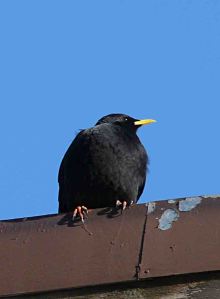
My latest ever Grass Snake, 12 November 2009 MJM

Grass Snake, SFinger, WWT 12 November 2009 MJMcGill 002

Wood Mice (or is the left one a Yellow-necked)
This cheeky pair were having a ball in our Black Sunflower seed bin MJM

Wood Mouse 9 November 2009 MJMcGill 0001

7-9 November 2009 Lots of birds around WWT with 1000’s of Fieldfare and 100’s of Redwing and flocks of Redpoll, Siskin and Meadow Pipit.  The icing on the cake has been the Wilson’s Phalarope on the Top New Piece ( a Gareth Bradbury find).  Today (9th) I saw and heard possible Siberian Chiffchaff that looks and sounds correct.  Two images from the Holden Tower below.

9 November 2009 MJMcGill

Siberian Chiffchaff 9 November 2009 MJMcGill 003

The Wilson’s Phalarope at WWT Slimbridge MJM

Wilson's Phalarope 9 November 2009 MJMcGill 0001 

Wilson's Phalarope 9 November 2009 MJMcGill 000

6 November 2009 A Black Redstart is around the centre buildings at WWT today (per JSL).

The Tundra Bean Geese at WWT MJM

Tundra Bean Geese 9 November 2009 MJMcGill 005

3-5 November 2009 Still the same birds at WWT Slimbridge, am influx of Stonechat and the 34 E.Whitefronted Geese, two Tundra Bean Geese, 2 Cattle Egret and 13 Bewick’s Swans being the best of the birds, a Rock/Water Pipit on 2rd over the 100 Acre would have been more notable if I had a decent view of it.

Bewick’s Swans, WWT Slimbridge

Bewick's Swans, 2 November 2009 MJMcGill 100

2 November 2009 My leave ended today so back to work at WWT. A Whooper Swan dropped in to the Rushy at 1300 but soon departed so I missed it. Whilst commentating on and feeding the Rushy I spotted the two Tundra Bean Geese flying in on the tail of some Bewick’s Swans (9) before heading back out to the river. I also noted two Cattle Egret this morning and one this afternoon at the N end of the reserve today.

I have uploaded some images from a visit to the Forest of Dean on 27 October 2009 on last months post, we timed it perfectly this year for the autumn colours as the gales yesterday may well have changed things. A warm dry autumn has helped to make it such a good display with ‘leaves falling all around’ (time I was on my way) Led Zeppelin 2, Ramble on.

1 November 2009 Fieldfare and Redwing moving over Whitminster today along with a few hundred Woodpigeon.

Blog at WordPress.com.

Up ↑