September 2014 blog

September 2014 delivered a good variety of waders to the Severn and WWT scrapes, unfortunately low numbers of Dunlin and Ringed Plover were generally recorded. The settled weather may well have allowed many migrants to pass through unhindered. Little Stints and Curlew Sandpipers were present in double figures, an easterly airflow helped to deliver higher than average numbers.

Dunlin with a Curlew Sandpiper and Ringed Plover over the Severn

Waders in flight, Dunlin and single Curlew Sandpiper  (5)_edited-1

Great Crested Grebes
Adult and begging juvenile on Gloucester to Sharpness Canal
Some late broods around this year.

Great Crested Grebes, Frampton church, Glos to Sharpness Canal (3)_edited-1

Ruff juvenile

Ruff, juvenile, MJMcGill_edited-1

Golden Plover

Golden Plover, Dumbles, MJMcGill (3)_edited-1

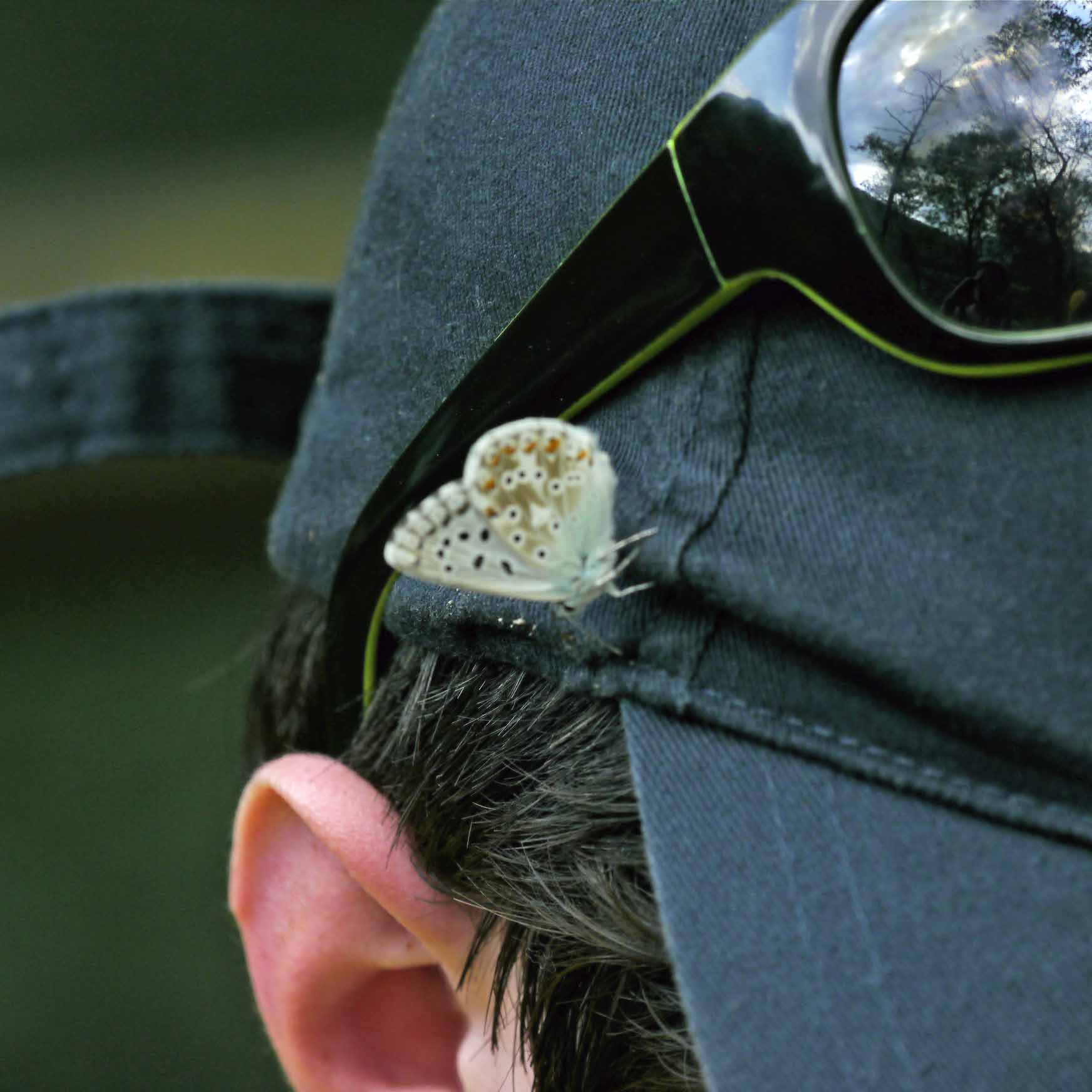
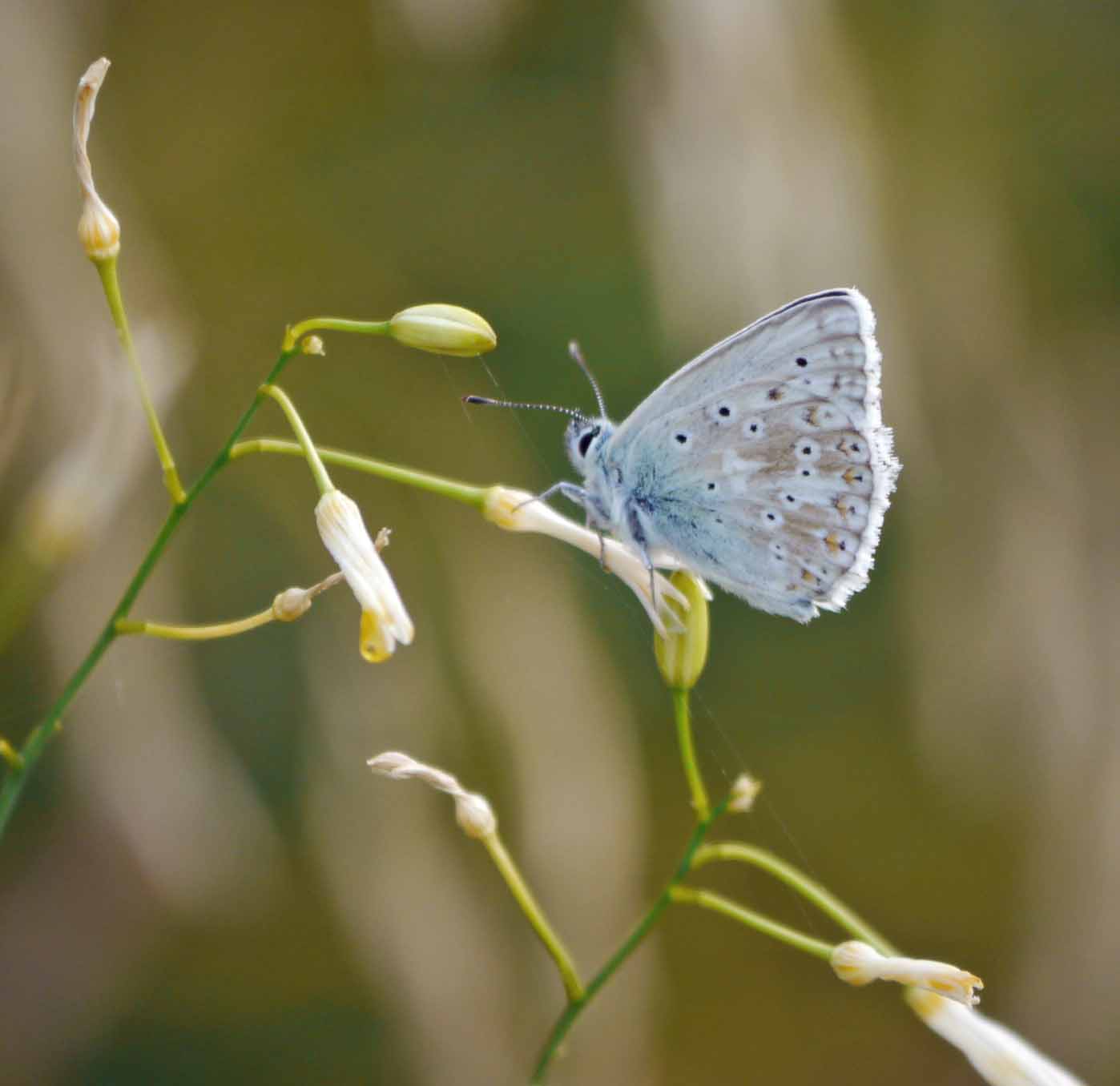
Common Blue Butterfly

Common Blue butterfly, male, MJMcGill (2)_edited-1

Spotted Flycatcher
A few turn up in the Severn Vale on passage, a few more were around than is typical this year thanks to rain storms.

Spotted Flycatcher, Knott Hide (2)_edited-1

Crane and Greylags
One of the Great Crane Project birds at home among geese (and swans) as they are across their range

Crane and Greylags, Top New Piece (1)_edited-1


August 2014 blog- Marsh Sandpiper, a first for Gloucestershire!

All images by M.J.McGill unless stated.

Curlew Sandpiper juvenile
The first Siberian reared-Africa bound youngsters appeared on the Severn at the end of August

Curlew Sandpiper, Dumbles

Yellow Wagtail
Flocks of these busy birds were present locally favouring the cattle herds and the disturbed insects as a food source.

Yellow Wagtail, juvenile 1st winter, 29-08-14,  MJMcGill

Peregrine juvenile
The parents were in attendance around the Upper Severn during July and early August but eventually left the young to get on with. This one managed to bring down a juvenile Tufted Duck on the Severn shore. One species not learning survival as quickly as the other can be fatal.

Peregrine juv

Marsh Sandpiper, a first for Gloucestershire, 28-30 August 2014

Marsh Sandpiper, Splatt Bridge,Frampton on Severn, Glos, 003, 28-08-14, M.J (2)_edited-1

Marsh Sand, MJMcGill

, 007

P1160076_edited-1

The week began with some interesting weather forecasts, easterlies with heavy rain and migration was well underway. By coincidence I was due to benefit from a four days off due to a run of working weekends. A conversation with Nige Warren at In Focus had me speculating on a certain graceful needle billed wader being ‘next in line’, it was a good date and weather system.

I went in to work at WWT Slimbridge on the 26th mentioning to Dave Paynter that it feels rare.  I eagerly checked and balanced water levels and went through the birds on the scrapes, a good selection was present. All pumps and grids sorted so  I went on to spend all day tractor mowing on the Dumbles, just another part of management for the thousands of wildfowl and waders that winter on site. It was clear that a fall of birds had happened, a flock of Ruff were with the Lapwing so stopping for a sandwich late afternoon  I was pleased to see six Greenshank  among the other fall waders on the Severn.  It looked promising, I finished up  late, as we left for home I  mentioned ‘that’ hoped for wader again to Dave.

On Wednesday morning I went searching for migrants for a couple of hours and had a decent haul of passerines. I  wandered along the path north of Splatt Bridge at Frampton on Severn spotting  a small flock of Teal on the shallow flood. This temporary wetland was created by the recent super moon high tide surge. A party of 4 Ruff and 7 Greenshank  with the duck were very notable for this location and added to a very enjoyable prolonged  and above all relaxed birding walk, something which is not really possible whilst working.

The next day  I was keen to go out again so I set off to Hock Ditch, a distant wader flock was forced into mobility to the highest mud due to the incoming tide. A variety of waders were out on the Severn, a juvenile Curlew Sandpiper was the first of the autumn for me, a few Common Terns, Whinchat and Redstart added to the tally. Five Pintail dropped out of sky and into the flooded field, I just had to check it again, I had thoughts of rare waders. I grew up rather obsessed with wildfowl but waders have really hooked me as a result I am into sifting through flocks of these varied birds.

A scan of the flood revealed an increase, more Greenshank and Ruff on every sweep of the scope. When I got to a tenth ‘shank’  it turned out to be a small, delicate and more elegant creature that made the Greenshanks look ungainly. ‘Get in’ , a Marsh Sandpiper was wading around among this mob of waders. This fine visitor was a juvenile, like so many young waders at this time of year nearly every feather was perfect. What a smashing bird, just what I had been hoping for. I spent a bit of time enjoying being in its company taking the time to study the plumage, when preening I noticed it had a slightly bent tip to the bill.

The Frampton Severn bird is only the second of have seen in England, the first being a spring adult I twitched with Rich Hearn at Earl’s Barton GP in Northants many years ago. I have enjoyed watching this species many times abroad including memorable parties of spring breeding plumage adults in Greece and most recently in October 2013 when I was among the small numbers of wintering birds that feed in the high tide creeks and pools in and around the Coto Donana NP.

After taking in all I could on this bird I began ringing friends so they could pass on news then tweeted out details. It was flushed by raptors flying over a couple of times and made forays south over the adjacent reserve. This allowed me to see it in the WWT Slimbridge recording area which was a bonus. The bird flew down to the reserve on a few occasions and it may well have actually roosted there.

From all the messages I have received it is clear that a lot of people enjoyed this bird, especially me and all local/county birders. A first for the county is always nice but this wader was something a little bit special.

27 August 2014

A few days off and a chance to spend time birding properly. Quietly watching and listening to a section of hedgerow can be very rewarding, even relaxing when you not in a rush to get on. Many juvenile birds will come out and have a look at you, a hedge which offers a sun trap for insects and basking for birds with a variety of berries is best. I managed to see and hear ten species in a very short section today which included three Reed and a Cetti’s Warbler, Lesser and Common Whitethroat.

Cetti’s Warbler

Cetti's Warbler, 28-08-14, MJMcGill (1) copy

Reed Warbler

Reed Warbler, 28-08-14, MJMcGill (1) copy

Reed Bunting

Reed Bunting, 28-08-14, MJMcGill copy

Greenshank
This August has been very good for records of this species around the Severn and scrapes.

Greenshank, juvenile, Rushy, 17-08-14, MJMcGill (14) copy

Great Crested and Little Grebe

Great Crested Grebe, 03-08-14, 001, MJMcGill Little Grebe, MJMcGill (3) copy

Garganey
The challenge of sifting through sleeping late summer Teal flocks looking for Garganey is something I relish every year. I managed to record six plus on two dates this August around WWT wetlands.

Garganey, 100 Acre, 16-08-14, MJMcGill (3)_edited-1

Visited Slovenia from 5-12 August, see trip reports page for details.


Western Slovenia- 5-12 August 2014, Wildlife and more trip report

I have visited Slovenia on two previous occasions, it is a fantastic destination. This trip was strictly a family holiday but I usually go out a few times early in the morning or get pass for an afternoon or so. We stayed at four locations and visted many of the famous local attractions such as Postojna caves and Predjama Castle plus the WW1 trenches and historical sites. Walks in the mountains and gorges, Etno music festival, hiring bikes and rowing boats and swimming in the sea and lakes also featured but wildlife is never far away…

My trip report follows.

5 August
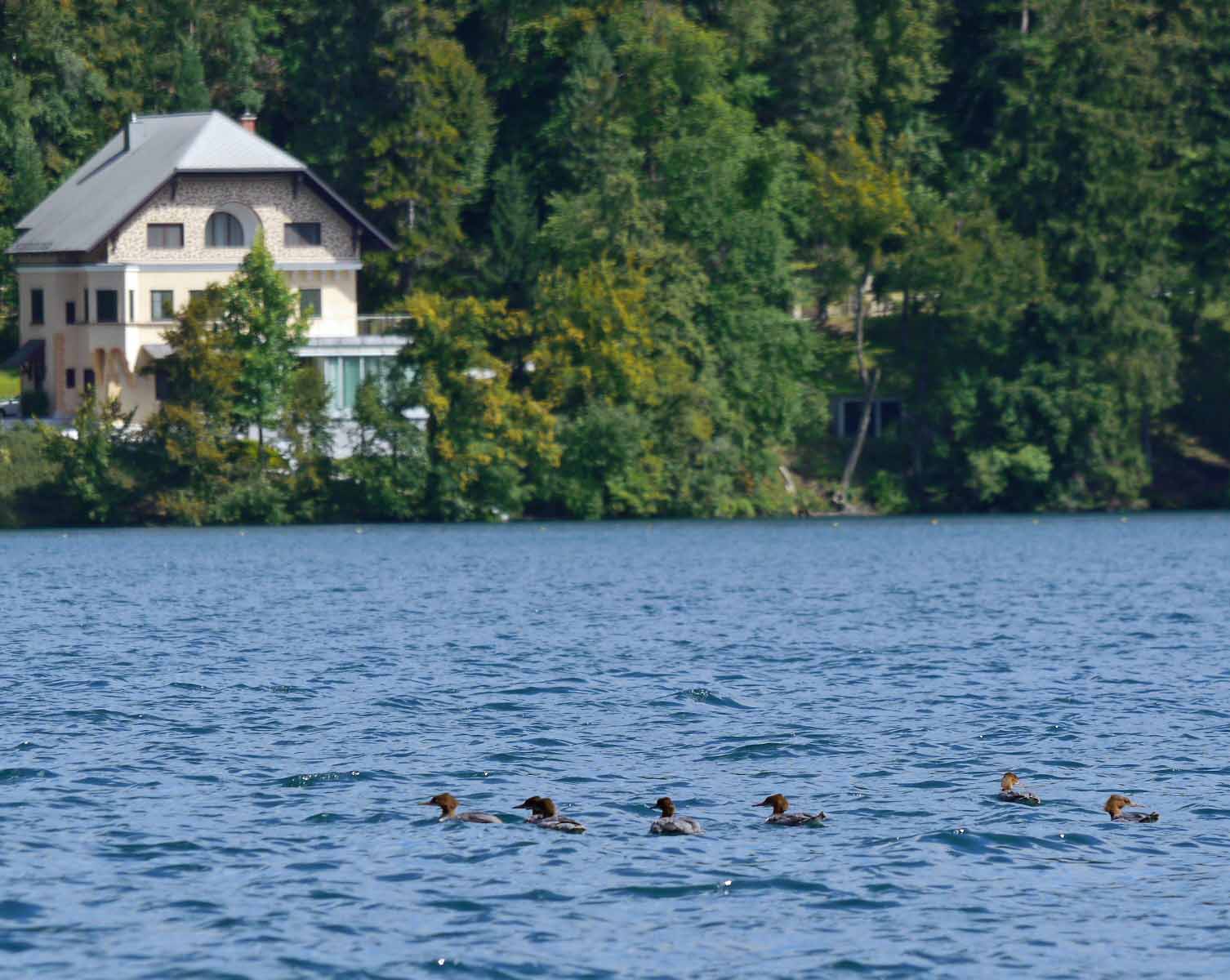
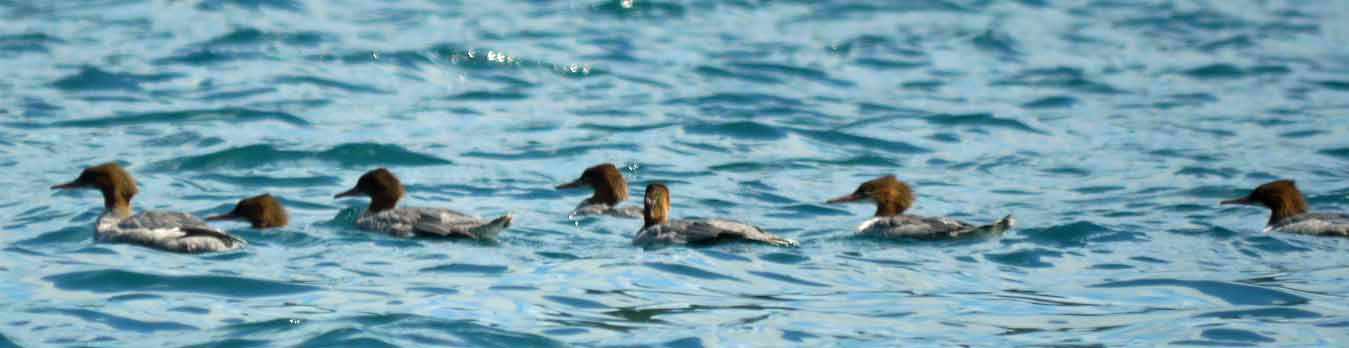
Drove to Stansted Airport and flew with easyjet to Ljubljana, hired a car through Sixt and went on our way. The usual flocks of Hooded Crow and Starling were seen on the way to Bled. We checked into Penzion Bledec where we were to stay for the next three nights. A wander down to the lake we experienced a light rain shower, the only one of the week. A stop at a familiar bar for a beer and soon after we were hiring a rowing boat. Although not actually using the sport rowing lanes I did reach Otok island in quick time passing 7 juvenile Goosander and a flyover Hobby which was scaring Swallows and House Martins. Mooring up I walked around the island which had a very tame Spotted Flycatchers and flocks of Goldfinch and Chaffinch. The interpretive signs displayed wildlife and I was impressed with an underwater shot of Little Grebe from the crystal clear Lake Bled. Short of time due to promising the attendant that I would be on time we rowed back rapidly and was ready for another beer. A Kestrel and Peregrine were seen over the imposing Bled castle.

6 August
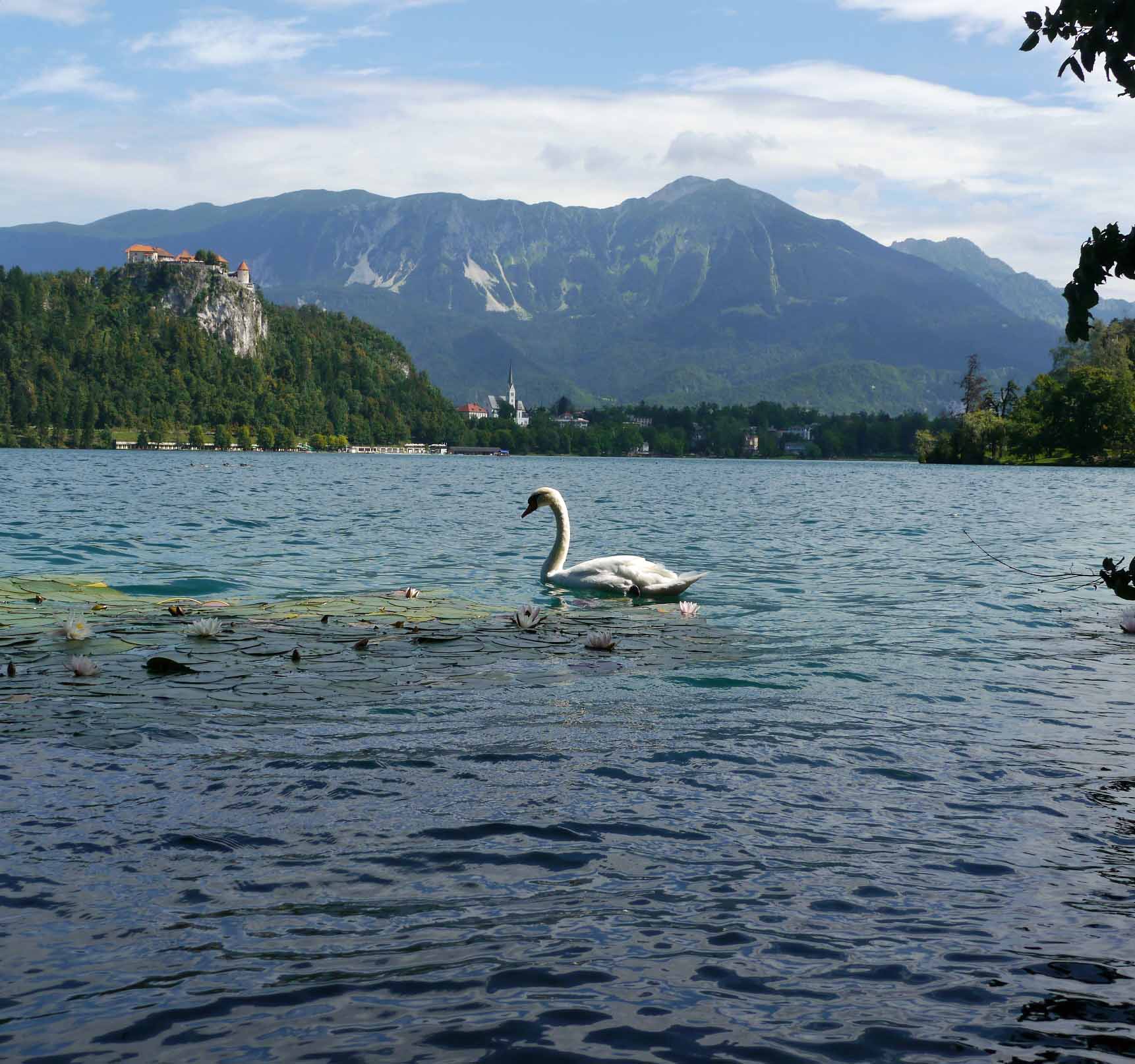
A warm sunny, time to hire bikes and cycle around Lake Bled and back. I saw the 7 Goosander again plus 4 Mute Swan, plenty of Coal Tits and Buzzard and Jay. A Scarce Swallowtail patrolled the sunny banks at the West end.

Goosanders on Lake Bled

Goosander on Lake Bled, Slovenia_edited-1

Goosander on Lake Bled, Slovenia, MJMcGill (1)_edited-1

Mute Swan, Lake Bled and Bled Castle

Mute Swan on Lake Bled, Bled Castle (4)_edited-1


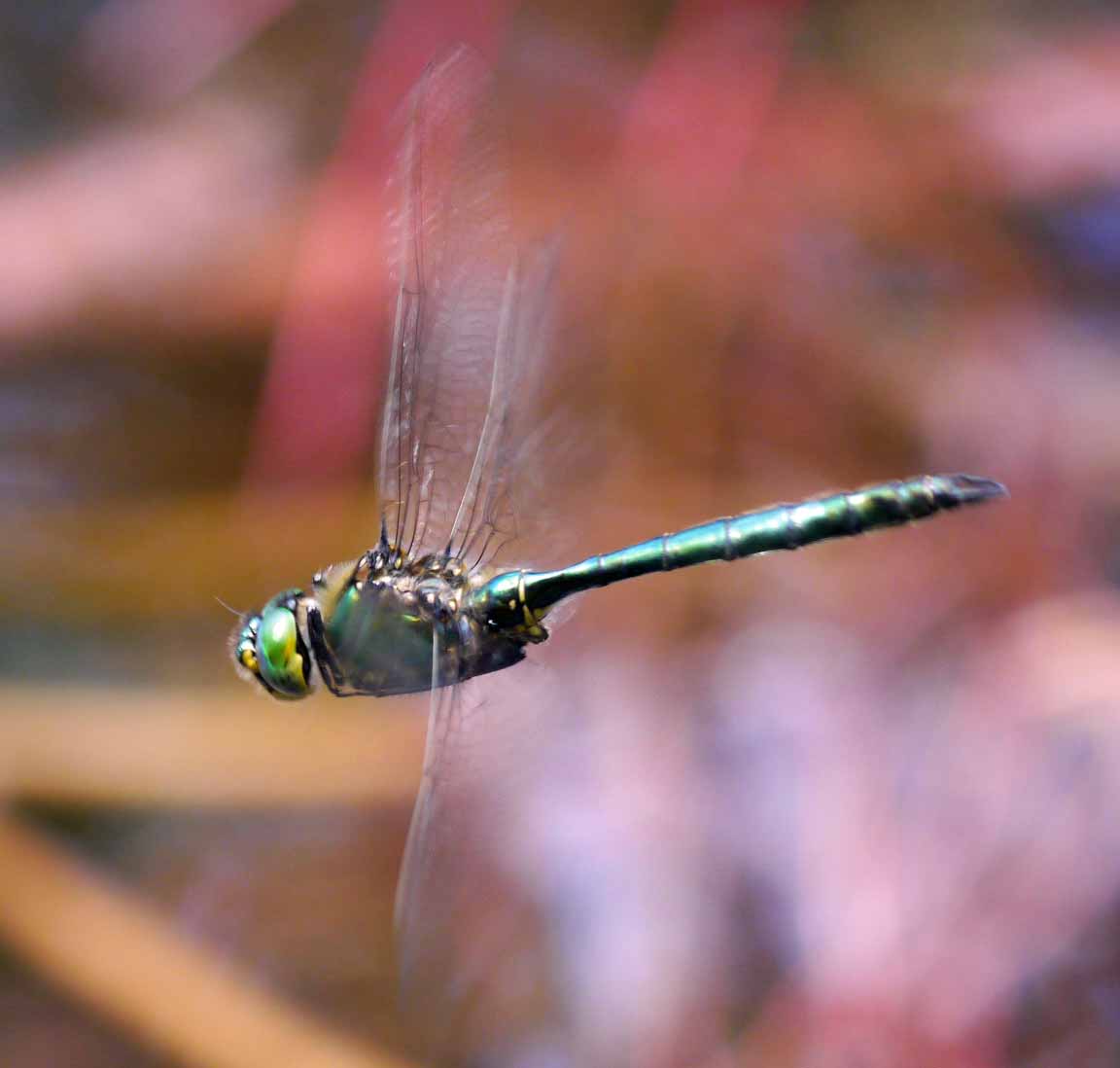
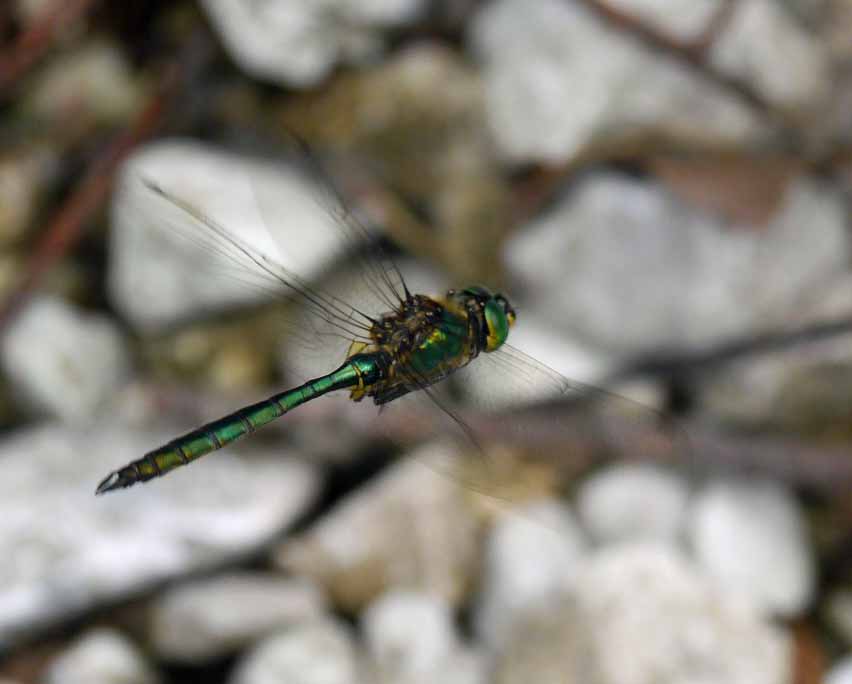
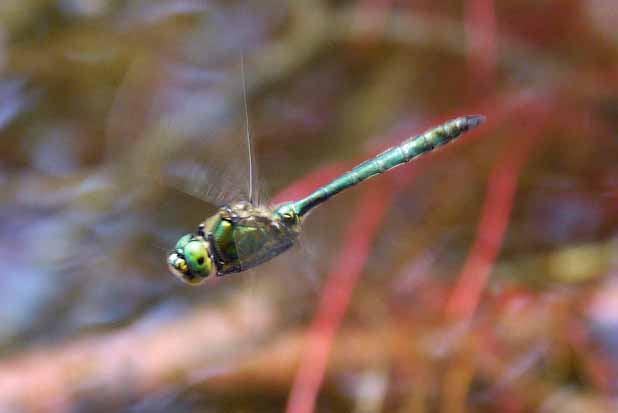
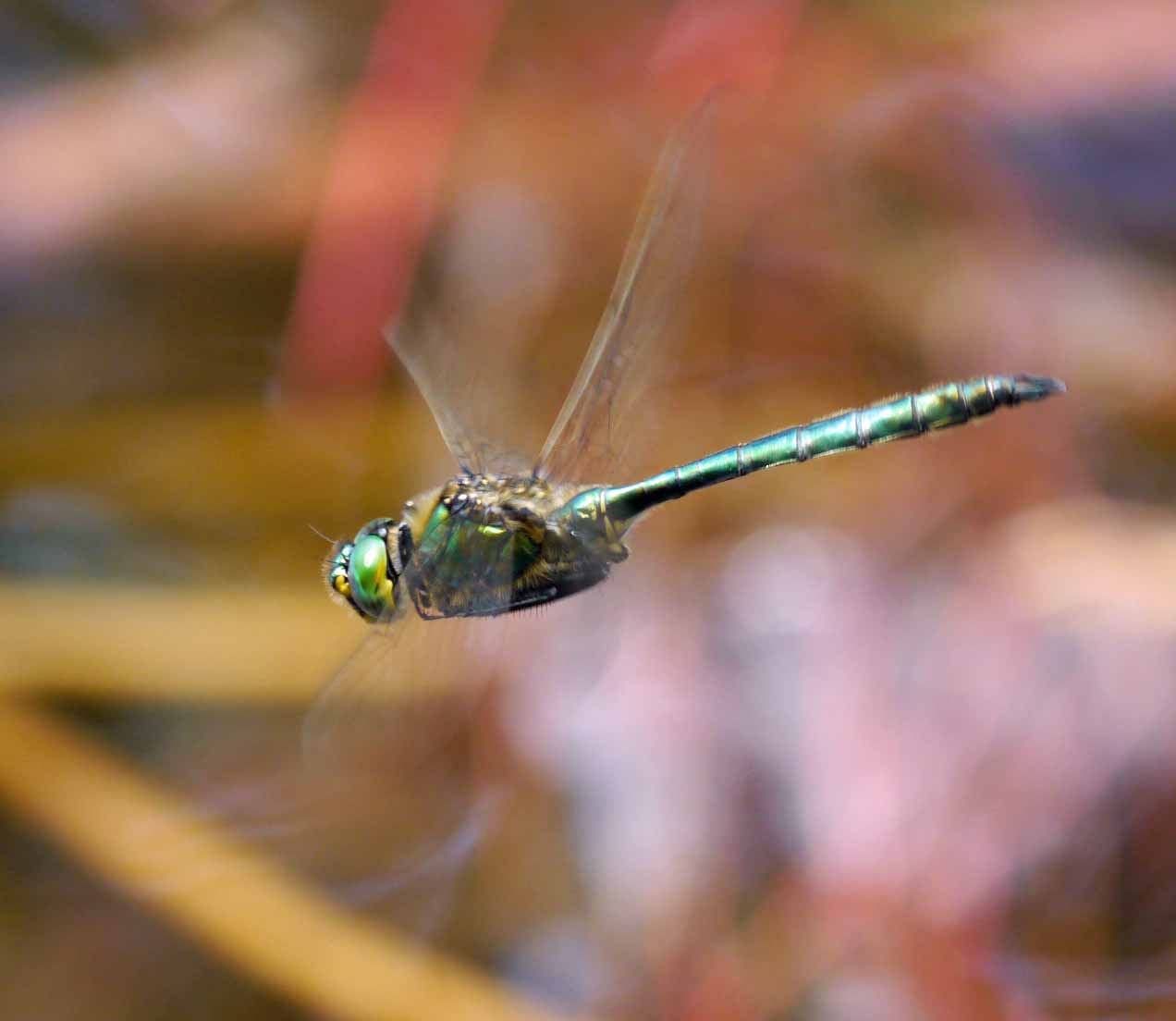
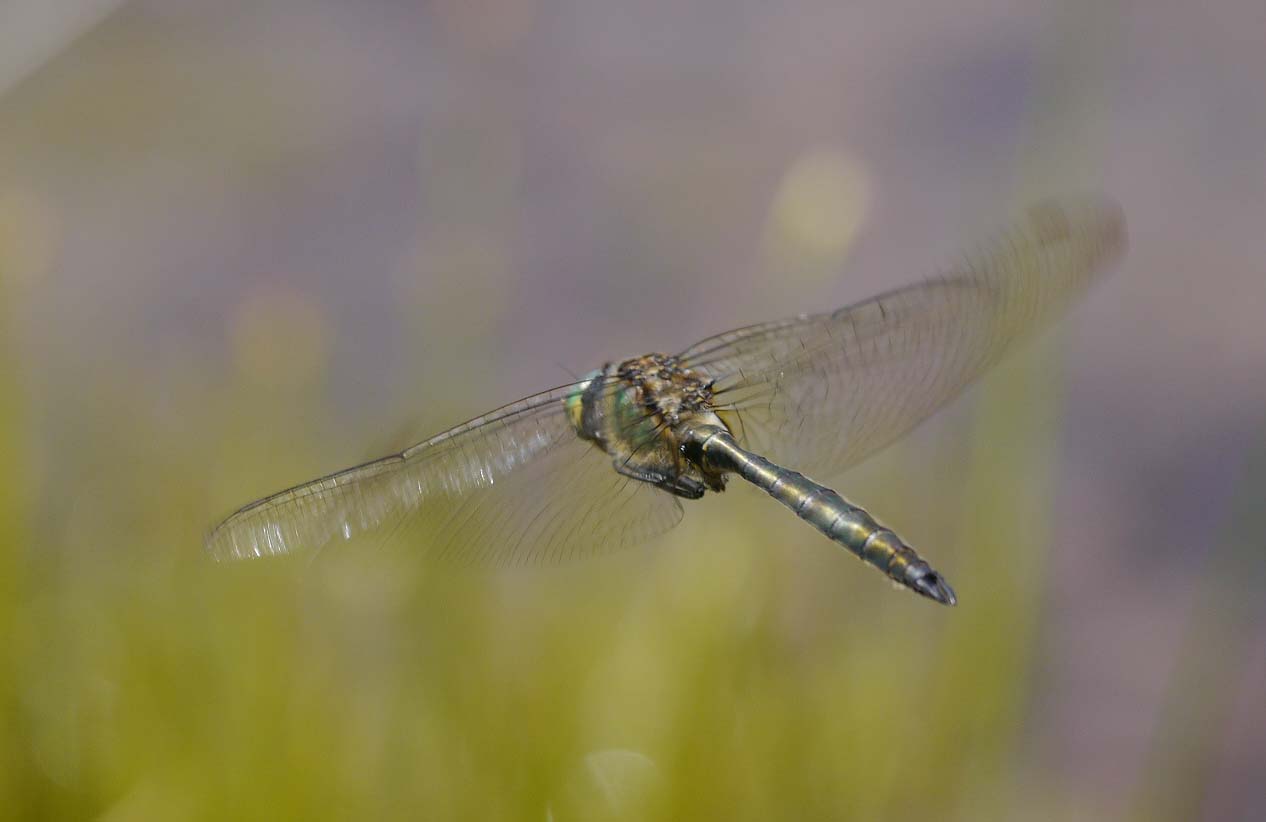
Afternoon was spent at Lake Bohinj where we swan with the fish in the cool, clear water surrounded by forest and mountains. I saw a single Teal, a few Marsh Tits but was distracted by dragonflies. Emerald dragonfly sp were whizzing along the beach. They took some stalking and patience to photograph but I studied them long enough to work out their behaviour. Any fallen tree in sheltered bays seem to attract them and they held territory. I was along the southern shore of Lake Bohinj near the west end. In the village of Bohinj Bistrica I noticed a heronry with unfledged young in pines above the supermarket.

Brilliant Emeralds

Brilliant Emerald Somatochlora metallica, Lake Bohinj, Slovenia, MJMcGill 06-08-14 (8)_edited-1 Brilliant Emerald Somatochlora metallica, Lake Bohinj, Slovenia, MJMcGill 06-08-14 (15)_edited-1 Brilliant Emerald Somatochlora metallica, Lake Bohinj, Slovenia, MJMcGill 06-08-14 (17)_edited-1

Brilliant Emerald Somatochlora metallica, Lake Bohinj, Slovenia, MJMcGill 06-08-14 (3)_edited-1

I was going to make a special visit to Berkshire for this species in July but never had the time. I could not wish for better views of this smart insect.

A return drive to Bled took in the scenic route via the Pokljuka plateau and a coffee stop where a few butterfly species were seen on the hay meadows. A small finch with an unfamiliar call flew over and rested in a pine before heading off again, it may well have been a Citril finch. Back at Lake Bled I had good views of a Hawfinch perched in trees above the casino, it flew off over the shopping centre calling.

7 August
Just outside the Penzion Bledec  I wandered a very short distance up the path to the castle. A ‘Black’ Red Squirrel was on the track, I tried to get my children to see it but it had disappeared so we turned to come back down when my daughter found a Garden Dormouse on the path, a proper little spotter. The woods had Nuthatch, Great Spotted Woodpecker and Coal Tits. Black Redstart sang from the rooftops, in fact every village, town, barn or even woodpile in Sloveina seemed to have Black Redstarts. We travelled to Klagenfurt to spend the morning in Austria’s 5th largest city. The afternoon was spent back in Slovenia, the family swan in Lake Bled, I went back up onto the Pokljuka plateau to investigate some bogs that I had been to before. The sites are known as Veliko Blejsko barje and Barje Sijec. Crossbills were present, I heard Nutcracker, Chiffchaffs were numerous and I was soon distracted by dragonflies. I also saw a Roe Deer run across the road.

Barje Sijec
An upland bog within the forest as viewed from the platform

Barje Sijec, Pokljuka, Slovenia, MJMcGill

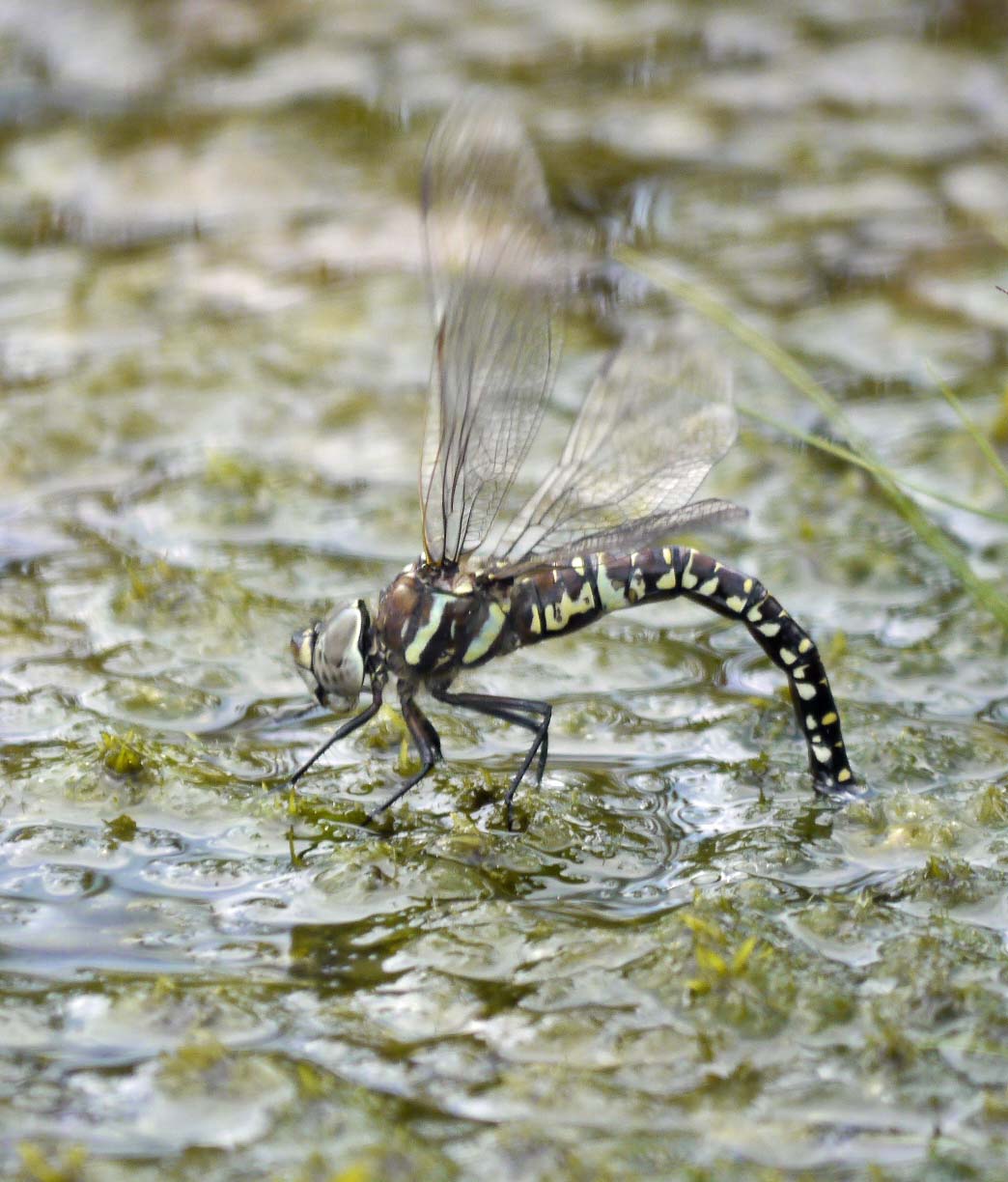
Common or (Moorland) Hawker
Males and female were present.

Common or Moorland Hawker, Blejsko Barje, Pokljuka, Slovenia, MJMcGill

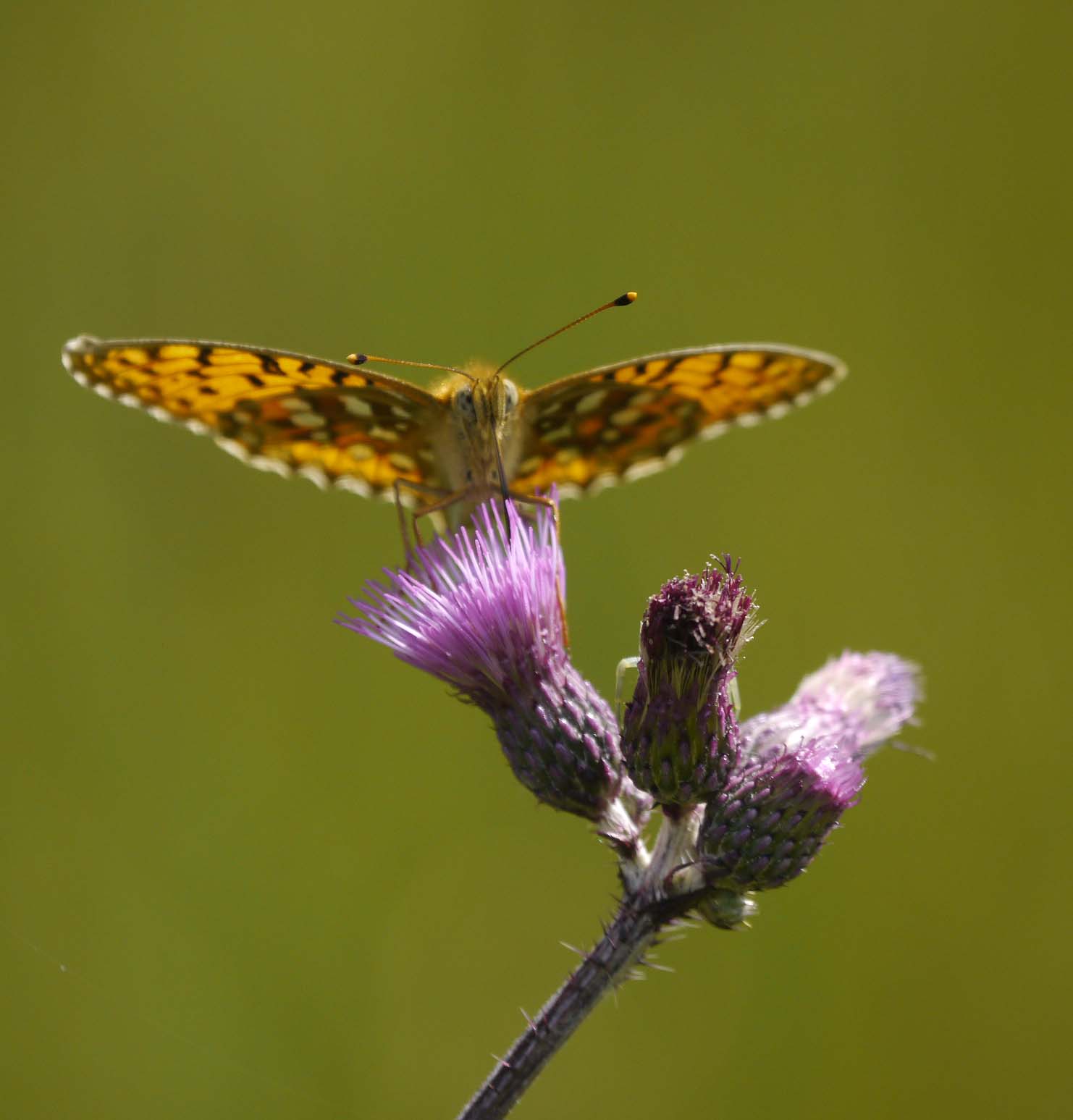
Niobe or Dark Green Fritillary
I still need to have a close look at some pics. My wife has some on her camera which look like Niobe.

Niobe or Dark Green Frtillary, Barje Sijec, Pokljuka, Slovenia, MJMcGill Niobe or Dark Green Fritillary, Veliko Blejsko, Barje, Pokljuka, Solvenia, MJMcGill

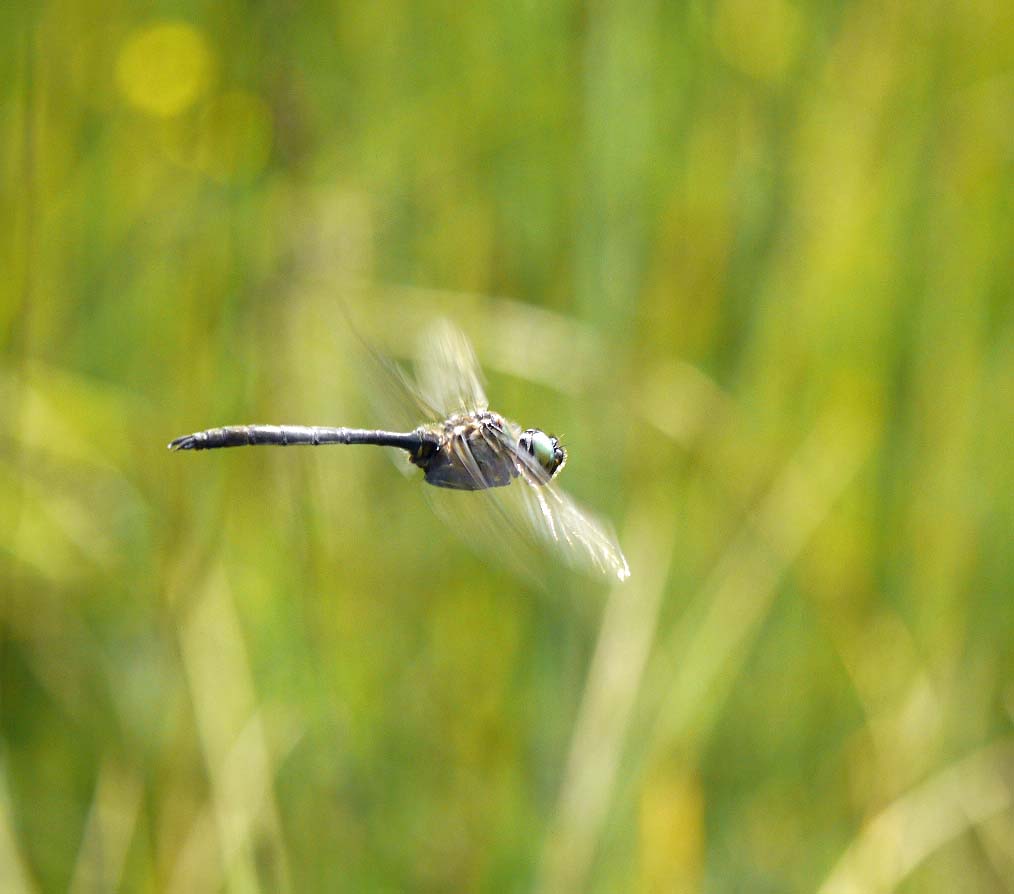
Northern Emerald
These insects did come and hold a hover near if you stayed still, it was still a challenge to try to get a shot.

Northern Emerald, Veliko Blejsko Barje, Pokljuka, Slovenia, MJMcGill 001 Northern Emerald, Veliko Blejsko Barje, Pokljuka, Slovenia, MJMcGill

I made the most of the warmest part of the day and headed back around 5pm to meet up with the family in Bled. I waited for them outside a bar and basked in the sunshine with a beer. That evening we all went for a hike up the dry riverbed of the Pokljuka gorge and subsequently visited a restaurant at Zatrnik. The wooded limestone gorge had Crested Tit, out of the gorge Buzzards were alert atop trees as the hay cutting was in full swing. The meadows in Slovenia are marvellous, low intensity farming, most steeper slopes in the fields are still cut and raked by hand. The whole field is cut in sections not all at once hence Corncrake still breeding in this country. I did not feel good on this walk, I was sweating and actually became dizzy watching a dragonfly that repeatedly circled me in the gorge. I am sure it was a Southern Hawker. Up on the slopes to the plateau opposite the restaurant the meadow opposite was rich in butterlflies but I had been struggling to hold it together. A good meal was forced down but it was clear I was not well, I think my hunger and resultant eating unwashed fruit earlier in the day (that was purchased in Austria) may have given me a bug. The journey back to Bled and all night were pretty awful. Could have done without it.

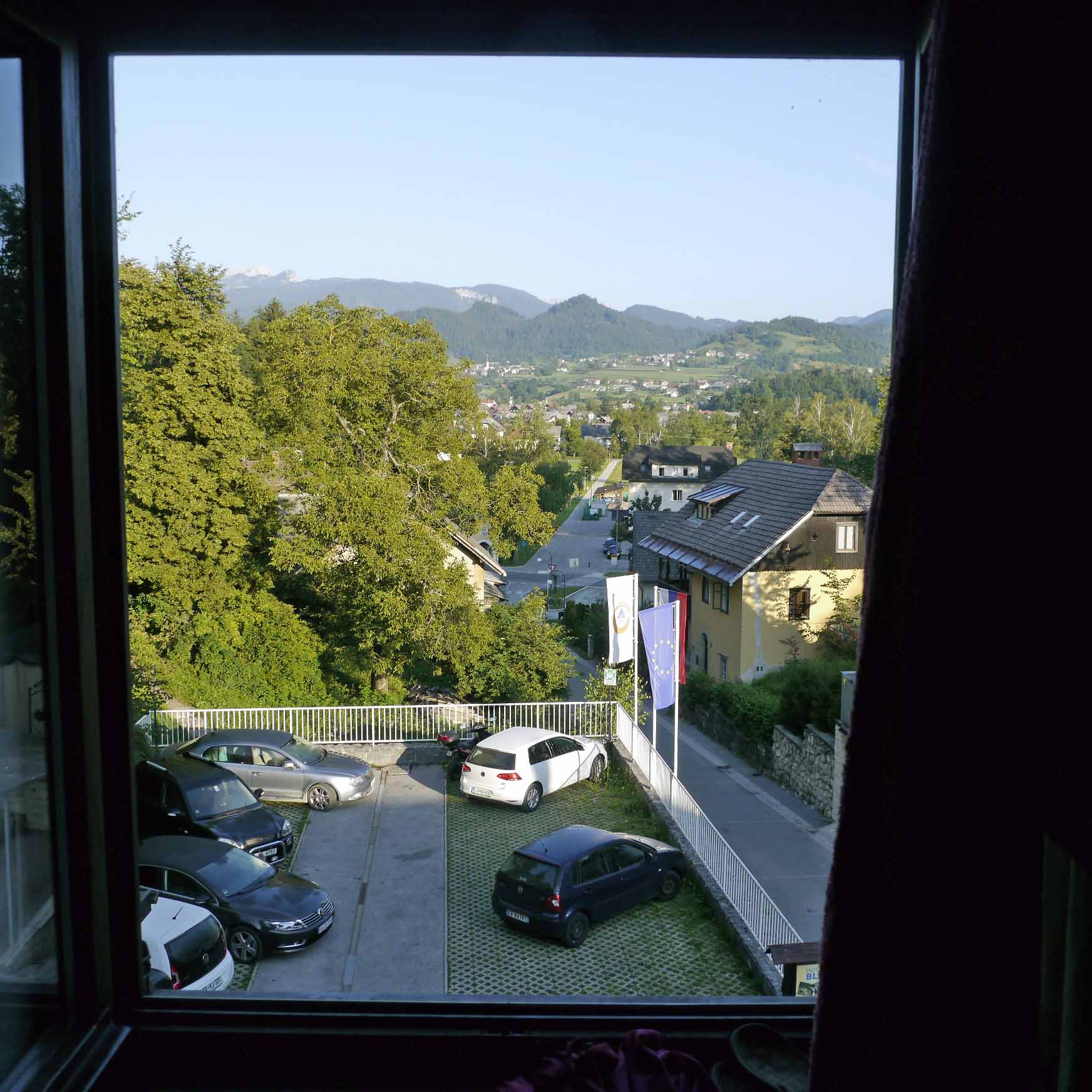
View from Penzion Bledec

View from Penzion room, Bledec, Bled_edited-1

8 August
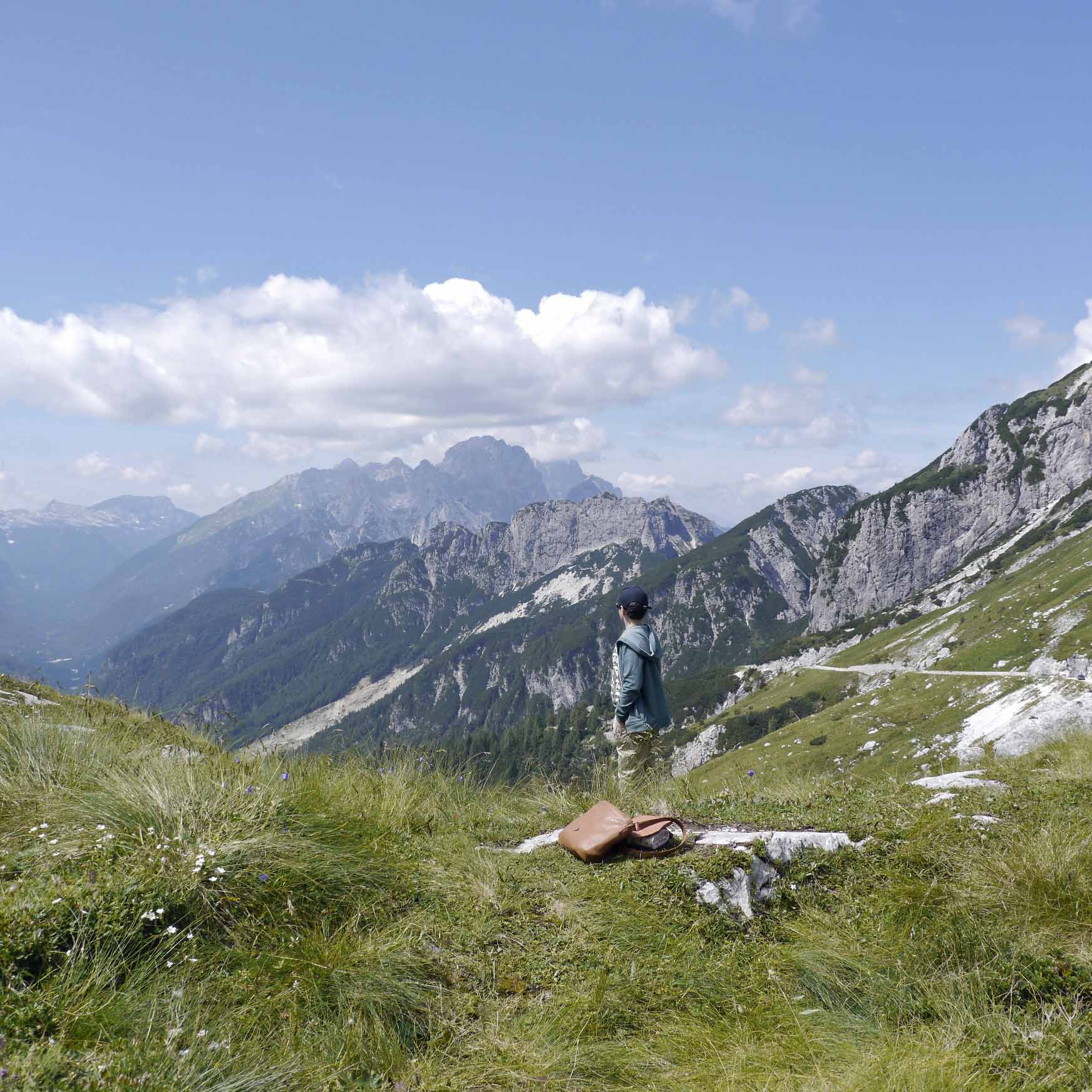
We were to move on to new accommodation and leave Bled for the mountains. I had no energy left, could not drink or eat so stopped in Kranska Gora to get something from the pharmacy. I abandoned my plans to use the Dom na Vitrancu chairlift to explore Ciprnik. We pressed on passing through Italy to reach Mount Mangart where I was called upon to drive the narrow tarmac road to the near the summit. It was stupendous up there, great views and birds too. I gave everything I had to reach a ridge where two Golden Eagle were passing at eye height but just collapsed in a heap half way up. Nothing left in the tank, my family carried on and enjoyed the eagles without me. I did note Water Pipits, Crossbills and Raven as well a Alpine Chough but gave up on Snow Finch.

View from below Mt Mangart summit

Joe, Mount Mangart, Julian Alps, Slovenia (1)_edited-1

Back down in the valley we stopped at the Fort at Log Pod Mangartom but I just slept in the car. Our next stop was at our accommodation (Jelenov breg Pod Matajurem) at Avsa, Livek near Kobarid. A mountain top farm on the Italian border, idyllic for all of us. Farm animals for my daughter to feed, views, peace, quiet and a comfy little house for us to stay in. The food was from the farm, fresh, local and hearty but I was still in a bad way and spent most of the time here asleep. We would go back anytime the family that run it were lovely.

9 August
I was woke by the sound of a Mallard at 0500 and got up to find out it was an alarm clock my daughter had set on her ipod. Naturally it never woke her! I felt more human and stood out on the balcony looking at the views and sunrise over Mount Krn with my wife, Harriet, she went back to bed and I decided to head for the mountain. A long winding drive ensued as I dropped down into the valley and back up the other side. Parking up and setting off I was soon birding. Juvenile Red-backed Shrikes were in the scrub just above the treeline and Water Pipits up on the boulder strewn slopes. I climbed for an hour and was specifically searching for Rock Partridge but never located any. The south facing slopes are perfect for them, a peaceful place, difficult to envisage to horrors of the mountain top front line (Soca or Isonzo front) played out in WW1 where thousands of men died fighting in freezing conditons, it is said the mountain was lowered by the heavy shelling. The mountains still give up sad remains to this day.

I went back for a breakfast and managed to eat something, to have juice and coffee before we set off for another day out and place to stay. We explored the Kobarid area. The museum here is excellent, the town very pleasant. We walked the Soca river route and investigated the WW1 trenches and positions carved out from the limestone karst. The river up stream of the old Napoleon bridge is crystal clear and has a suspended bridge which allows even better views, nearby the Slap Kozjak waterfall was well worth visiting. I noted and attempted to photograph as many butterflies as possible but some are just too quick. A Poplar Admiral was on a buddleia but flew off into the Aspen woods. A full day with little driving was enjoyed followed by a really good pizza in Kobarid on the main street and more exploration to dusk. A sombre look around the WW1 Italian war memorial, over 7000 souls are remembered here, the opening of which was attended by Mussolini. A perfect still, warm evening watching from our balcony finished the night off but I was restless. Another attempt to see my target bird was on the cards early next day, I never slept well thinking of it.

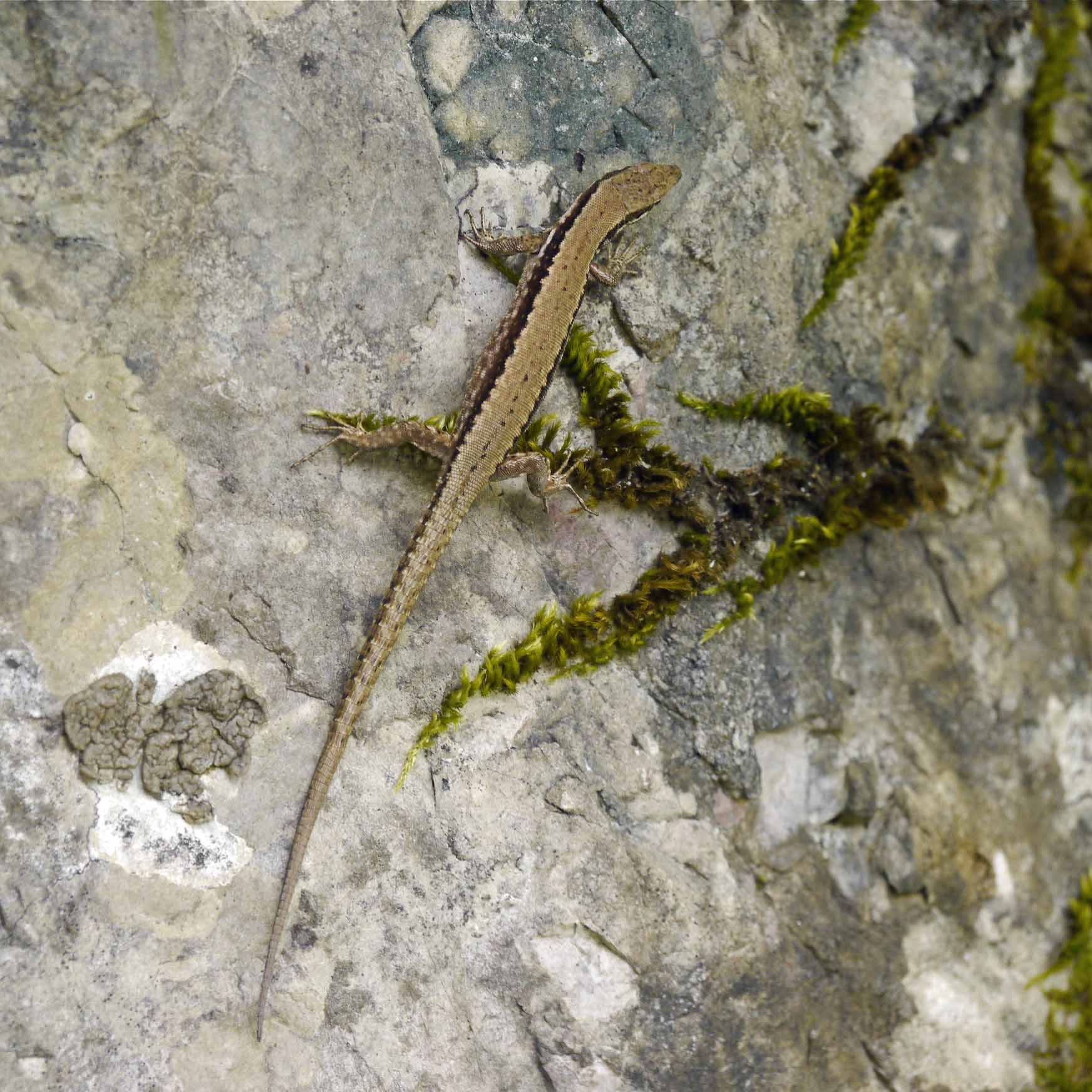
Soca Valley Lizard and blue butterfly enjoying the salt (sweat)

001, Lizard sp, near Kobarid, Slovenia (1) 001, blue butterfly sp, Soca Valley, near Kobarid (1)

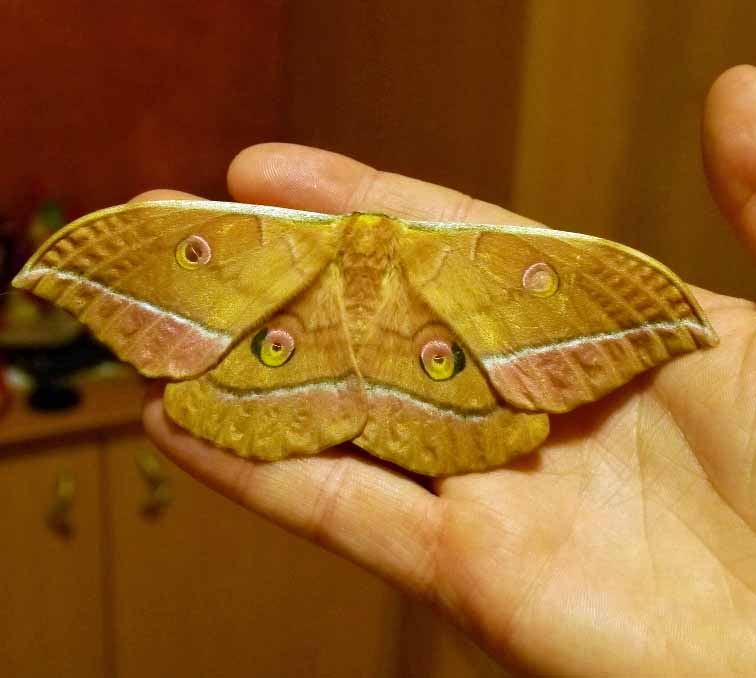
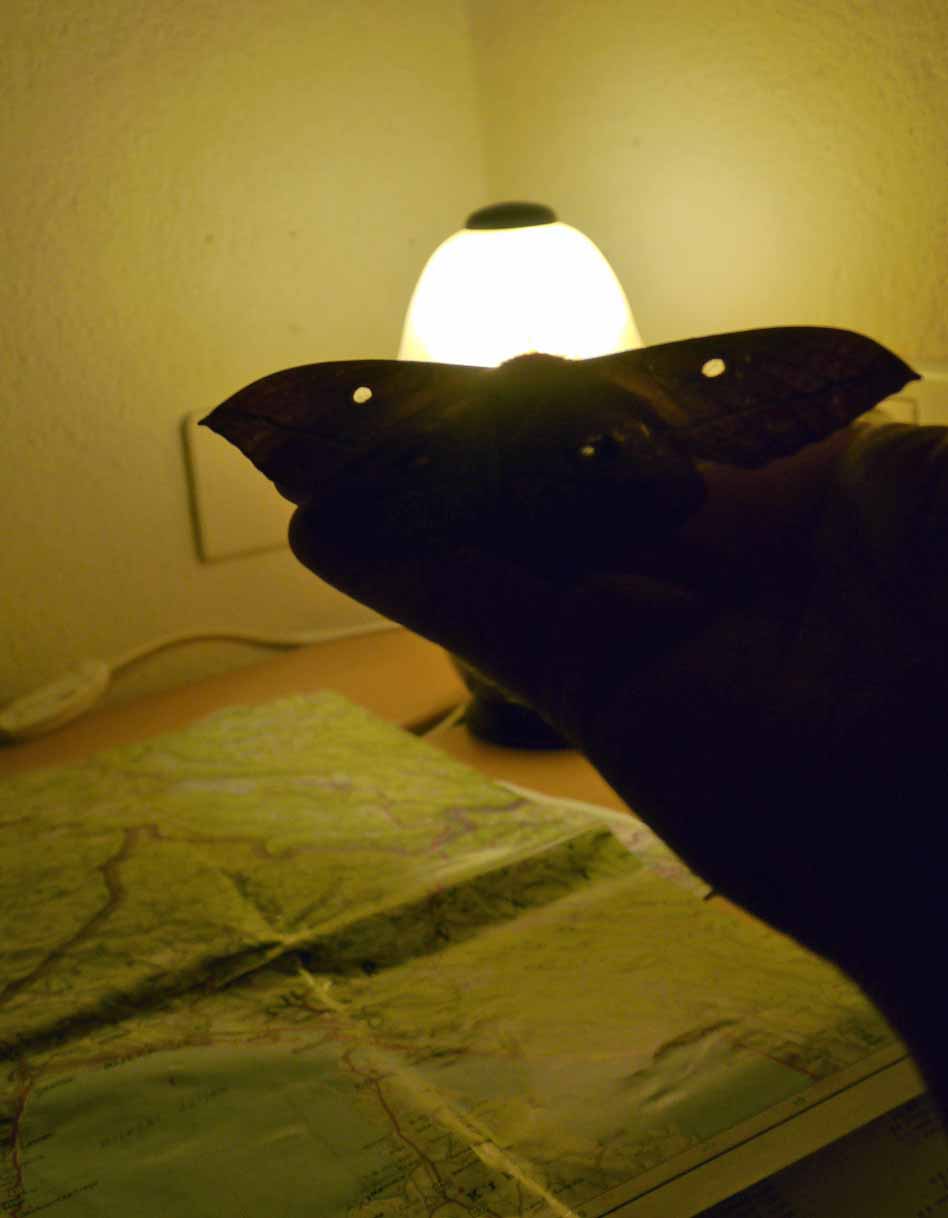
Emperor Moth
This amazing moth came into our apartment at Tourist Farm Kranj at Kosec, my daughter intially called out that a bat had entered the room! The spots on the wings were clear which led me to think it could be used to attract or ward off predators with moonlight filtering through.

Emperor Moth, female, Saturnia pavonia (27)_edited-2  001, Emperor Moth, female, Saturnia pavonia (1)

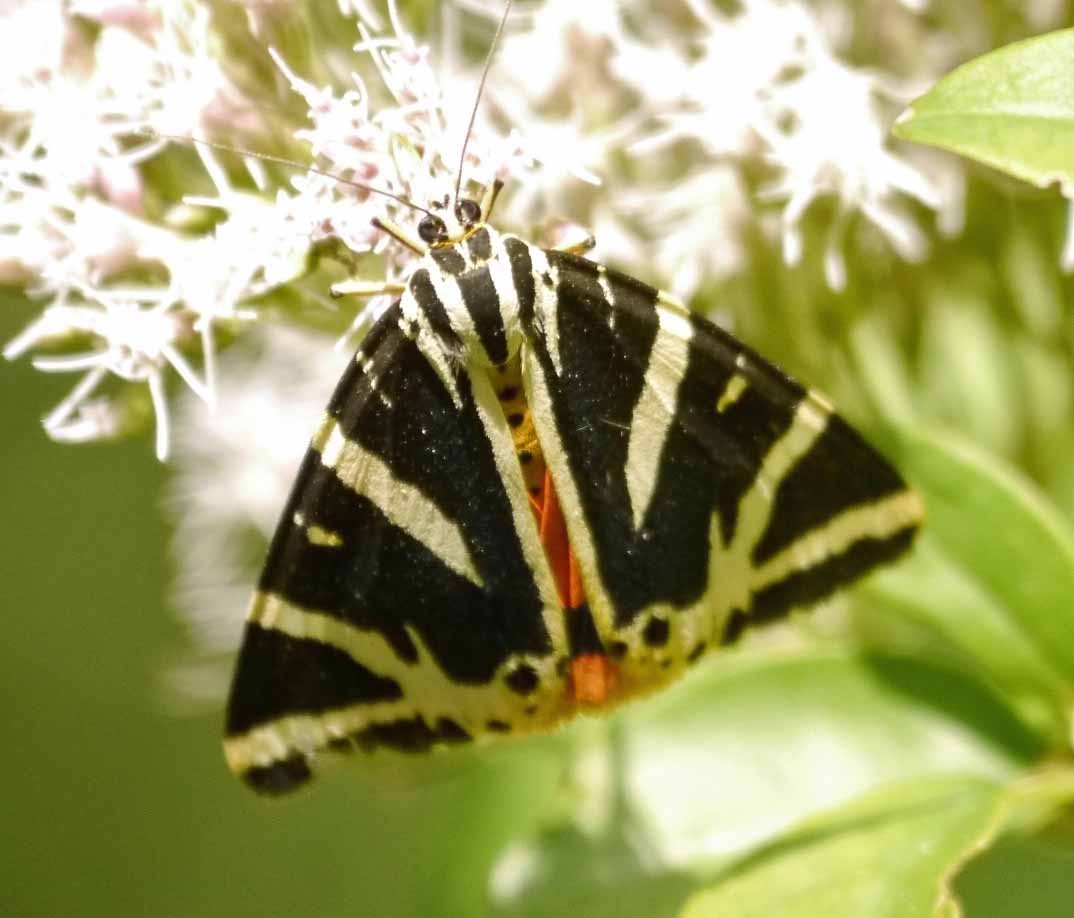
Jersey Tiger moth along the Soca Valley path

Jersey Tiger, near Kobarid, Slovenia (1)_edited-1

10 August
Up and out early to get as high as possible into the mountains. I plumped for a climb up to Breginski Stol as I know it has a population of Rock Partridge. They are threatened across their range and in decline in the Julian Alps too, yet another bird in trouble. This species has given me the slip in the French Alps as well as in Greece and previously in Slovenia. All attempts to see it were in winter or late summer and half-hearted due to so many other birding distractions, it is not a great time to look for them, calling birds in Spring are a better way of connecting. The Rock Partridge is a true mountain species, trying to see them is a bit like the effort and skills needed when looking for Ptarmigan. I was here, it my main focus and I was determined as it would be another year before I could try for them again.

I drove up from the road and parked off the track then setting off on foot. I tried to ignore birds on the way up until I reached above the treeline where the scrub appeared. A Pied Flycatcher and many Spotted Flycatchers caught my eye, flocks of warblers appeared with numerous Great and Blue Tits. Chiffchaff and Blackcap were common but a Wood Warbler was a nice find. Plenty of Red-backed Shrikes were around, mostly juveniles but an adult male as well. A juvenile Cuckoo showed a few times, Jays were below over the woods and c8 Kestrel and 2 Buzzard soared over the steep slopes. During my regular sweeps across the boulders and crags I spotted two Alpine Chamois, a very welcome surprise.

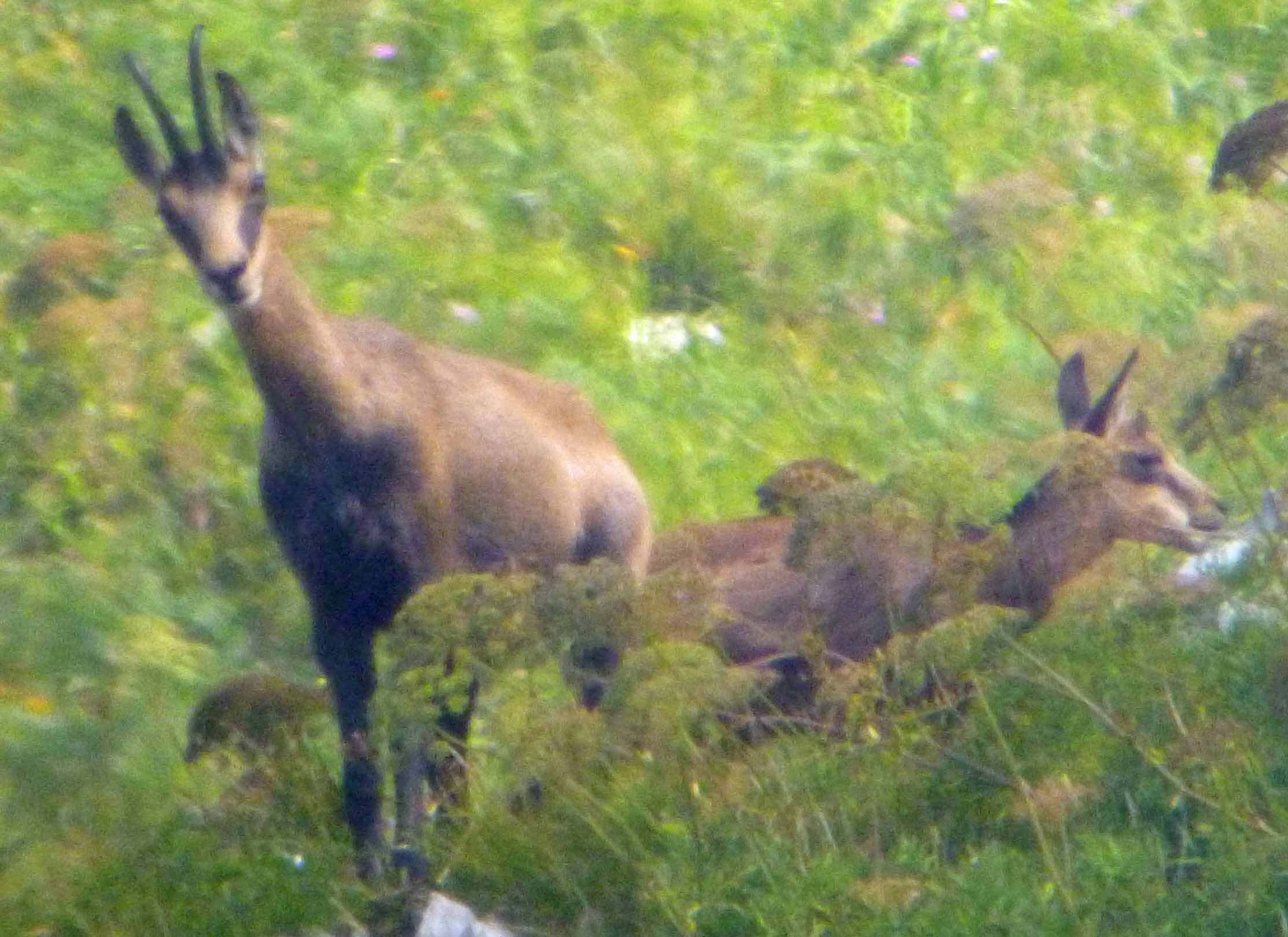
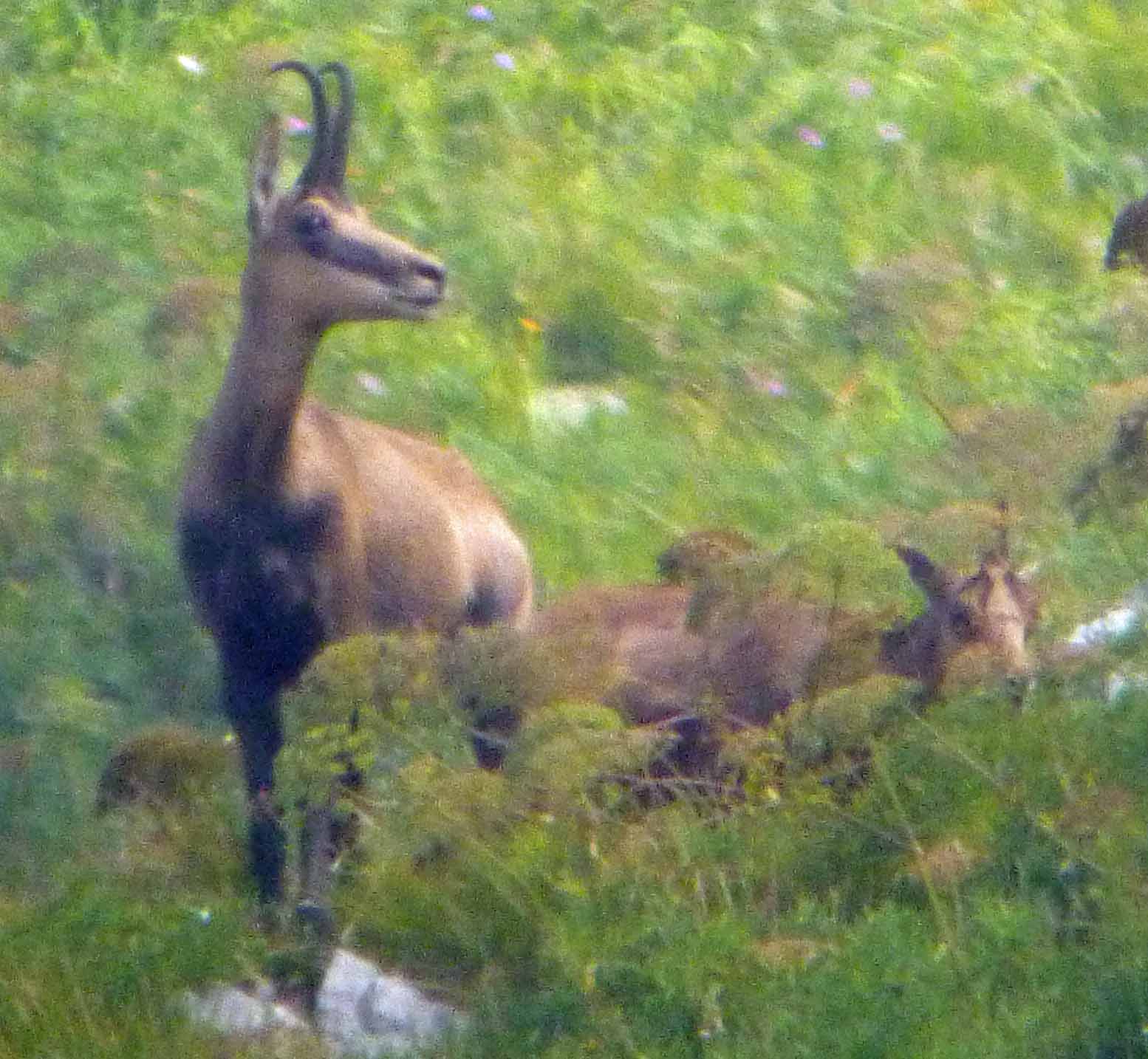
Alpine Chamois

Alpine Chamois, Breginjski Stol, Slovenia, 001, MJMcGill Alpine Chamois, Breginjski Stol, Slovenia, MJMcGill  Chamois, Breginjski Stol, Slovenia, MJMcGill

Resuming my search I saw that on the dry stone walls and boulders were c 6 Rock Thrush, all were juveniles. This was a real purple patch but was being distracted, I then heard the call, I was among Rock Partridges. carefully scanning and stalking it was clear up to three birds were calling above and below me but they went quiet. The long grass, thorny stunted bushes and good camouflage allowed them to see me before I could scope them. I carried on past where one was near the track and got above them. I caught sight of one trundling along the slope, it knew it and took off flying past just below and around the cliff out of sight. At last I had seen the Rock Partridge as cloud rolled in and shrouded the area, absolutely no chance of digiscoping it or them but it was still very good. I waited as the sun got hotter burning off the mist and could now look at the view.

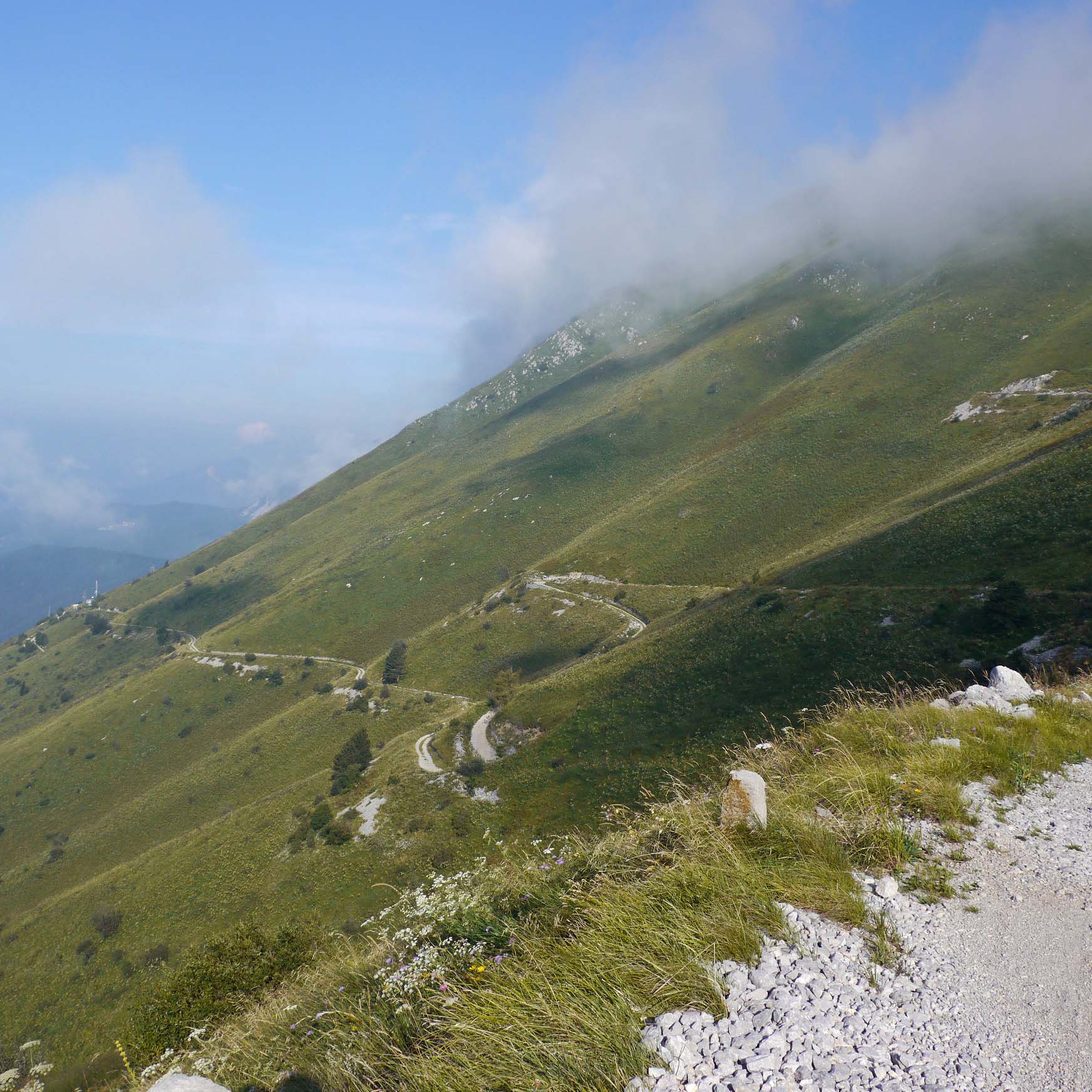
Views from below summit ridge of Berginjski Stol, near Kobarid, Slovenia (2)_edited-1

Coming back down made me realise how far I had climbed, I checked out every creature as I descended.

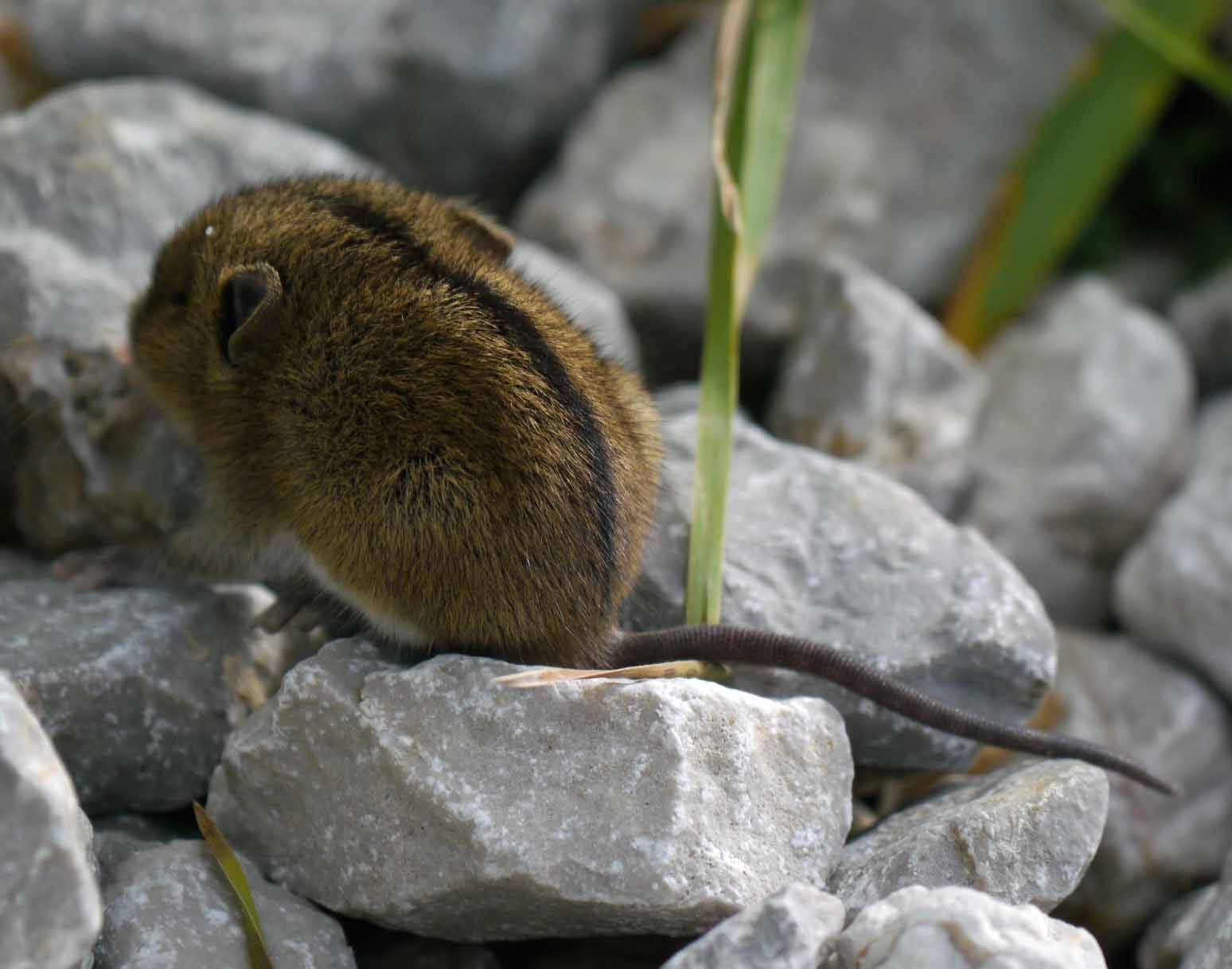
Striped Field Mouse

Striped Field Mouse Apodemus agrarius, Breginjski Stol, Slovenia, MJMcGill (6)_edited-1

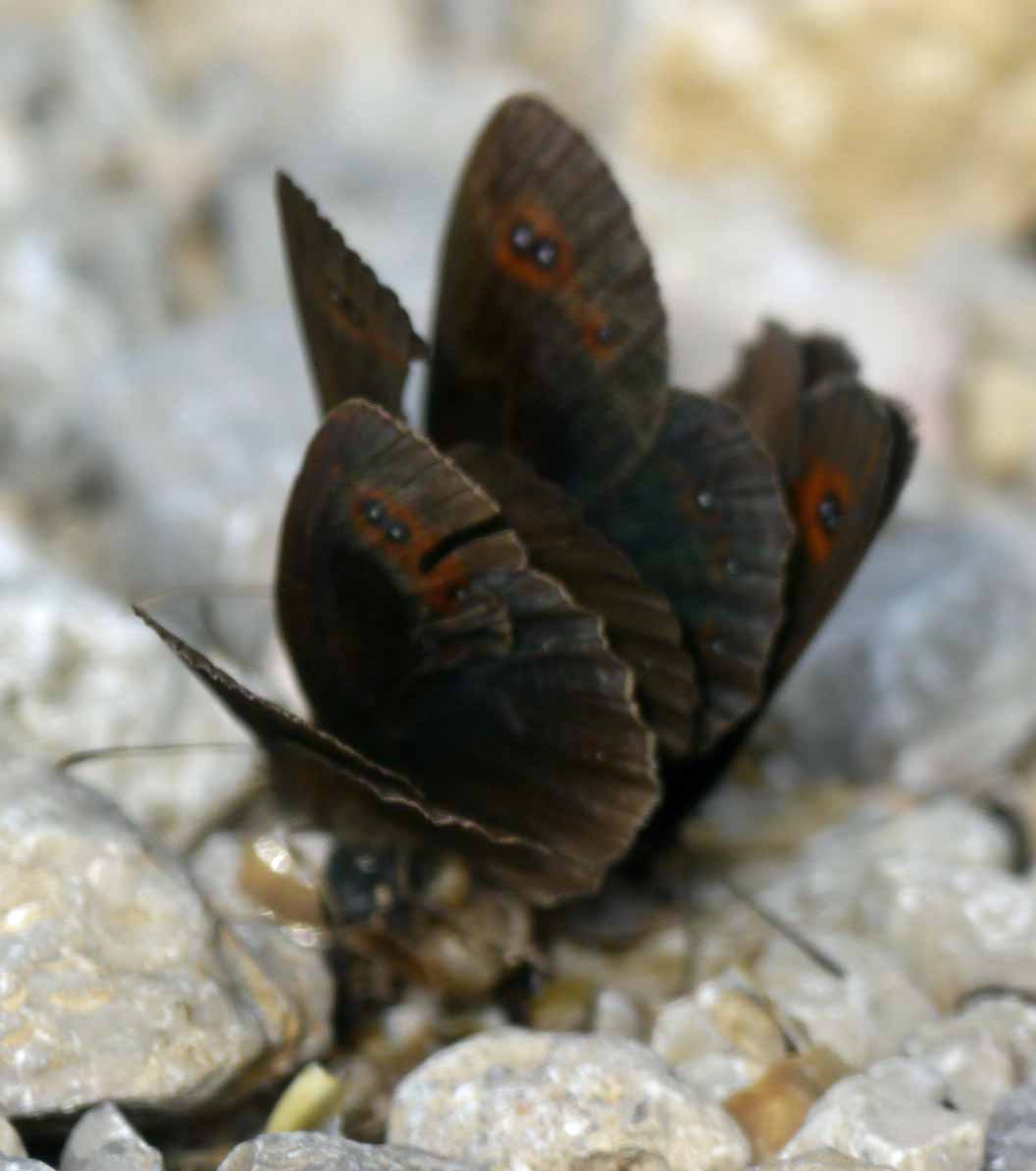
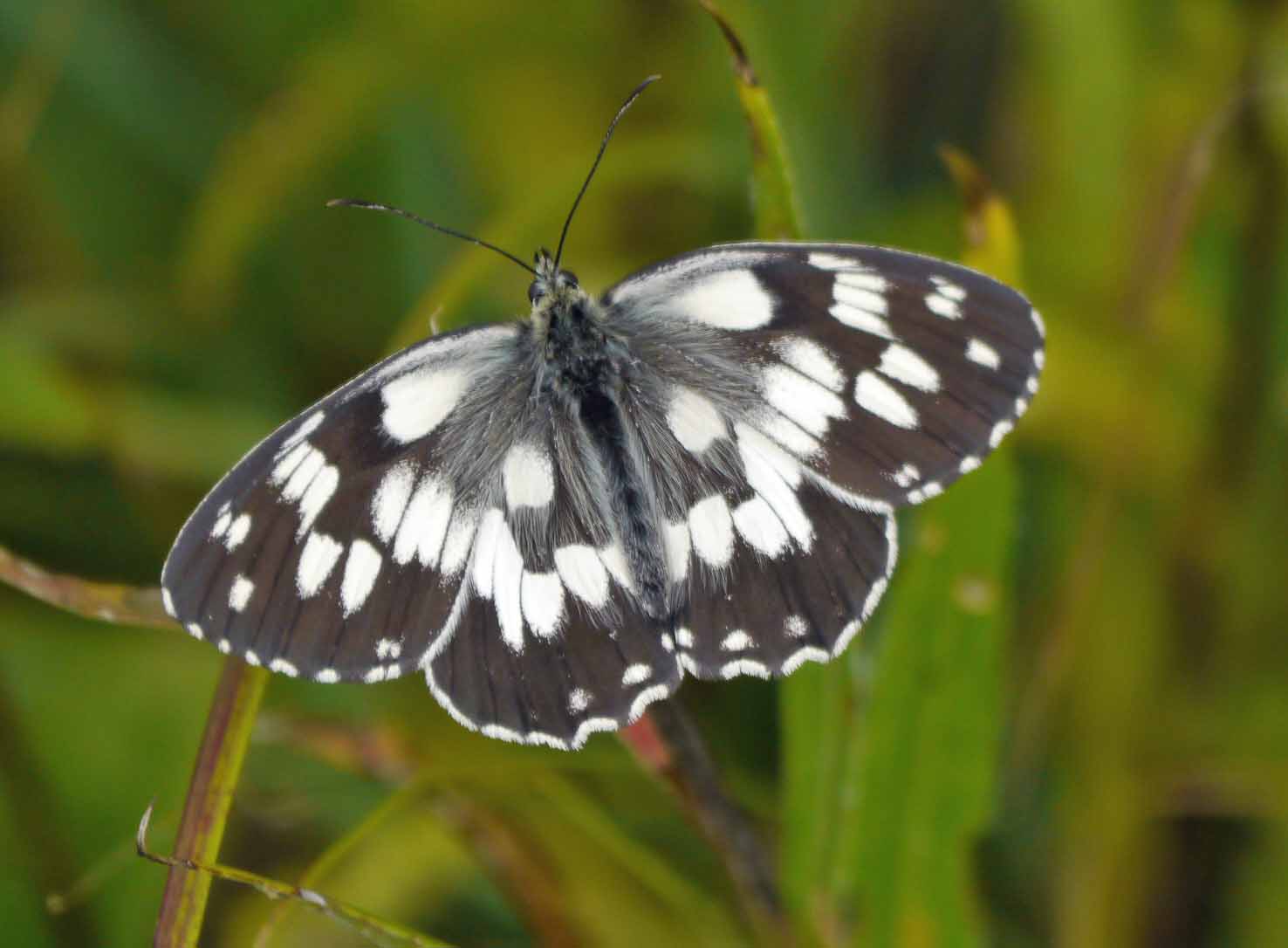
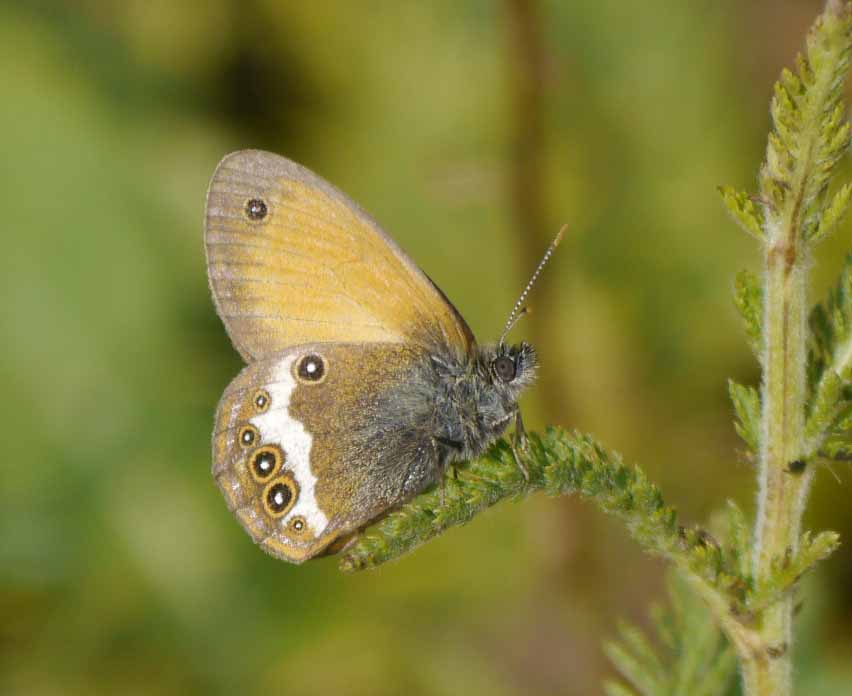
A selection of butterflies

butterflies, Breginski Stol 001, Marbled White procida form, Berginjski Stol, Slovenia (1)_edited-1 Breginski Stol butterfly Breginski stol 001, blue sp, Breginkski Stol, near Kobarid, Slovenia, MJMcGILL

I was so late for breakfast it was an early lunch and we had to move on. This time to travel through the Karst region to Piran and Portoroz on the coast and then back to our last place of stay for the last two nights. We broke up the journey with a stop at Stanjel, it was hot. On the coast we swam in the sea and had a meal on the seafront in the picturesque Venetian style Piran. Mediterranean Shag and Mediterranean Gulls were duly noted including juveniles of the former swimming among the bathers, a good photo opportunity to those in favour of risking their camera. A few wetland sites including saltpans are situated close together but I never had time to explore them. We arrived very late at our last place of stay.

11 August
Waking up at our tourist farm I looked from the balcony, Black Redstart was around the barn and and saw an Emerald sp Dragonfly, I ventured out and had a closer look at the stream, it had a selection of dragonflies and was full of fish. The mystery dragonfly turned out to be a Balkan Emerald, this lowland stream at Hrusevje (Turisticna kmetija Hudicevec) is within the species range. I recorded a few more species before having to get going again.

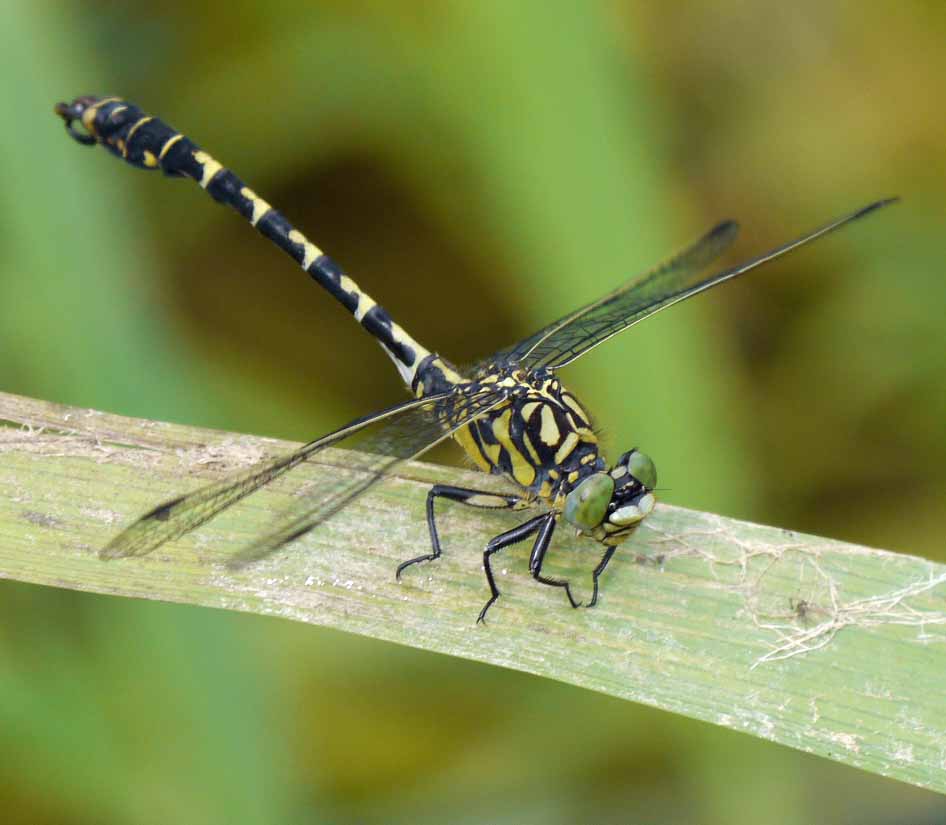
Green eyed Pincertail

Green Pincertail, Slovenia, MJMcGill

It was another full day out so we visited the Predjama Castle, the marvellous Lake Cerknica (which deserves a full day out rather than an hour or so), Postojna caves to see the Olm or Proteus, a salamander that lives in the darkness of the deep caverns. Back on the surface we headed for Mount Nanos, a drive up the slopes and tracks produced a lot of birds. A depression on the plateau was experiencing a fly ant or other insect flight and it was alive with birds flycatching. Wheatear, Chaffinches, Marsh, Great and Blue Tit, Hawfinch and warblers were all at it. A little further up I found a Pied or Collared Flycatcher with other birds but was flushed by a passing 4wd. In the open country I saw a raptor on a rock above, it was a Golden Eagle and eventually joined another on the wing. Tw0 Hobbies were also catching insects. On the way back down the mountain I stopped for a Woodland Grayling on the road.

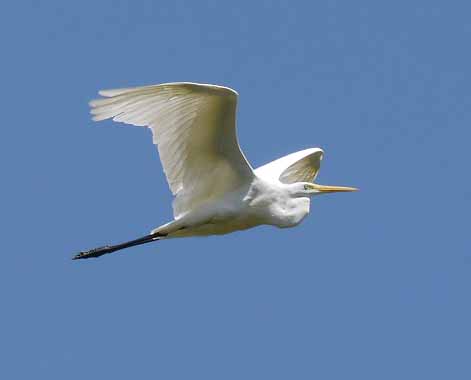
Great White Egret, Lake Cerknica

Great White Egret, Lake, Cerknica, Slovenia, MJMcGill (1)_edited-1

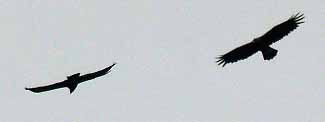
Golden Eagles over Mount Nanos

Golden Eagle, Mount Nanos, Slovenia, 11-08-14 (1)_edited-1

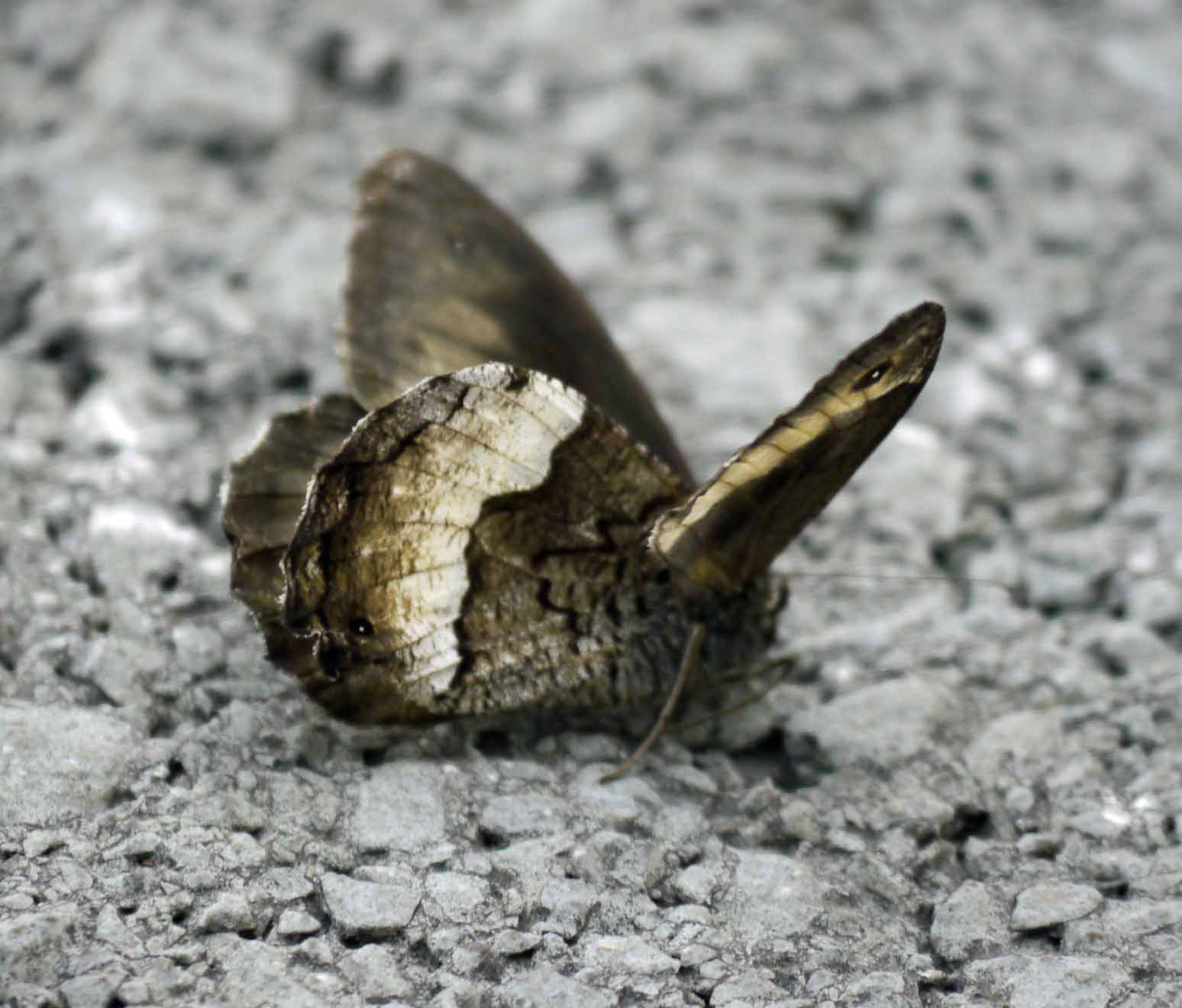
Woodland Grayling

Woodland Grayling, Mount Nanos, 11-08-14, MJMcGill (5)_edited-1

12 August
Had to head out to fuel up and get some cash to pay the farm but stop at the entrance road and walked along the stream looking for dragonflies, a Wryneck was on the grass verge and flew up into the trees. This was the last of my birding as we were off home today. We spent the day in Ljubljana before flying back to Stansted with easyjet.

A selected list of birds

to be completed

Some notes on butterflies

to be completed

Martin J McGill


June and July 2014 blog and sightings

All images taken by M.J. McGill copyrighted.

31 July 2014
Black Darter, Forest of Dean
My only dragonfly session of the summer, been too busy at home in the garden to take full advantage of the heat wave and insects. On my few hours out at a favoured site I managed to see Southern, Common or Moorland and Migrant Hawkers, Emperor, Black-tailed Skimmer, Black and Common Darter, Emerald, Azure, Blue-tailed and Common Blue Damselflies.

Black Darter, Woorgreens, FoD, 31-07-14, MJMcGill (14)_edited-1

22 July 2014

Cattle Egrets at Frampton on Severn, Court Lake
A good summer find for Nick Goatman who seems to find scarce egrets for a pastime.
Remarkable for being in full breeding plumage and mating.

Cattle Egrets, Frampton

Albanistic Meadow Pipit with normal mate
John Budd reported this bird to me earlier in the season, I managed to locate it and find out what it was for sure.

Albanistic Meadow Pipit, Dumbles, 22-07-14, MJMcGill (1)_edited-1

Albanistic Meadow Pipit, Dumbles, 22-07-14, MJMcGill (4)_edited-1

Blue-headed Wagtail female
I first spotted this bird in late June and carefully watched it. It had attracted a male and the pair settled down to nest in a recently topped section of the Tack Piece at WWT Slimbridge. Keeping an eye on timings it hatched and successfully fledged young on the predicted dates. The pair could be located when nest building and feeding young but not at all when incubating. A summer success.

Blue-headed Wagtail, female, Dumbles, 22-07-14 (1)_edited-1

20 July 2014

A July rarity at WWT Slimbridge
Spotted Crake
Somebody reported this bird but we do not know who, a good find for summer hinting they may be breeding locally. It did appear after thunderstorms.

Spotted Crake, Top New Piece, 20-07-14, MJMcGill (1)_edited-1

Redstart
Again appearing this summer with fresh juveniles locally.

Redstart

Another two more obvious July birds

Oystercatcher chick

Oystercatcher and chick, 15-07-14, MJMcGill (1)_edited-1

and…reedbeds full of Reed Warbler activity

Reed Warbler, 15-07-14, MJMcGill_edited-1

Dunlin on the Severn
July sees the return passage of this familiar wader, it also heralds the first sightings of juveniles.
An adult and juvenile (right) compare plumage and bill length.

Dunlin, Severn Estuary, 14-07-14, MJMcGill (16)_edited-1

Close up head study of an adult Dunlin

Dunlin, Severn Estuary, 14-07-14, MJMcGill (42)_edited-1

July saw many second broods of House Sparrow fledging in my garden. They give me great pleasure and I try to help them as much as possible with feed and nesting sites, once again 9-11 pairs nested on my property.

House Sparrows

House Sparrows, fledging at 6 Holbury Crescent, 11-07-14, MJMcGill (1)_edited-1 House Sparrows, fledging at 6 Holbury Crescent, 11-07-14, MJMcGill (18)

29 June 2014
Spoonbill
I was making my back through the WWT Slimbridge grounds when this bird appeared overhead and circled, it looked to land in the African pen but chose to move off NW.

Spoonbill, 23-06-14, WWT Slimbridge, MJMcGill (4) copy Spoonbill, 23-06-14, WWT Slimbridge, MJMcGill (6) copy


22 June 14
Golden Plover on the Severn estuary
An unusual mid-summer record of what appeared to be a female ‘southern race’ apricaria 

Golden Plover, Severn Estuary, 22-06-14, MJMcGill


Meadow Pipit
Another bird who brightens up midsummer with it’s song and display antics

Meadow Pipit, Dumbles, 22-06-14, MJMcGill (1) copy


14 June 2014
Grasshopper Warbler
A male took up territory locally and sang for two weeks.

Grasshopper Warbler, Frampton on Severn, 14-06-14, MJMcGill

13 June 2014
A visit to Strawberry Banks GWT to search for Marsh Fritillary butterflies. It was a hot sunny day albeit late in the season for them but I was fortunate enough to find a few.

Marsh Frtillary, Strawberry Banks GWT, 13-06-14, MJMcGill (10) copy


12 June 14
Glossy Ibis
One of a trio that John Budd had initially discovered on the Dumbles at WWT Slimbridge. Despite feeding conditions looking perfect, they moved on.

Glossy Ibis, Top New Piece, 12-06-14, MJMcGill (6) copy

9 June 2014

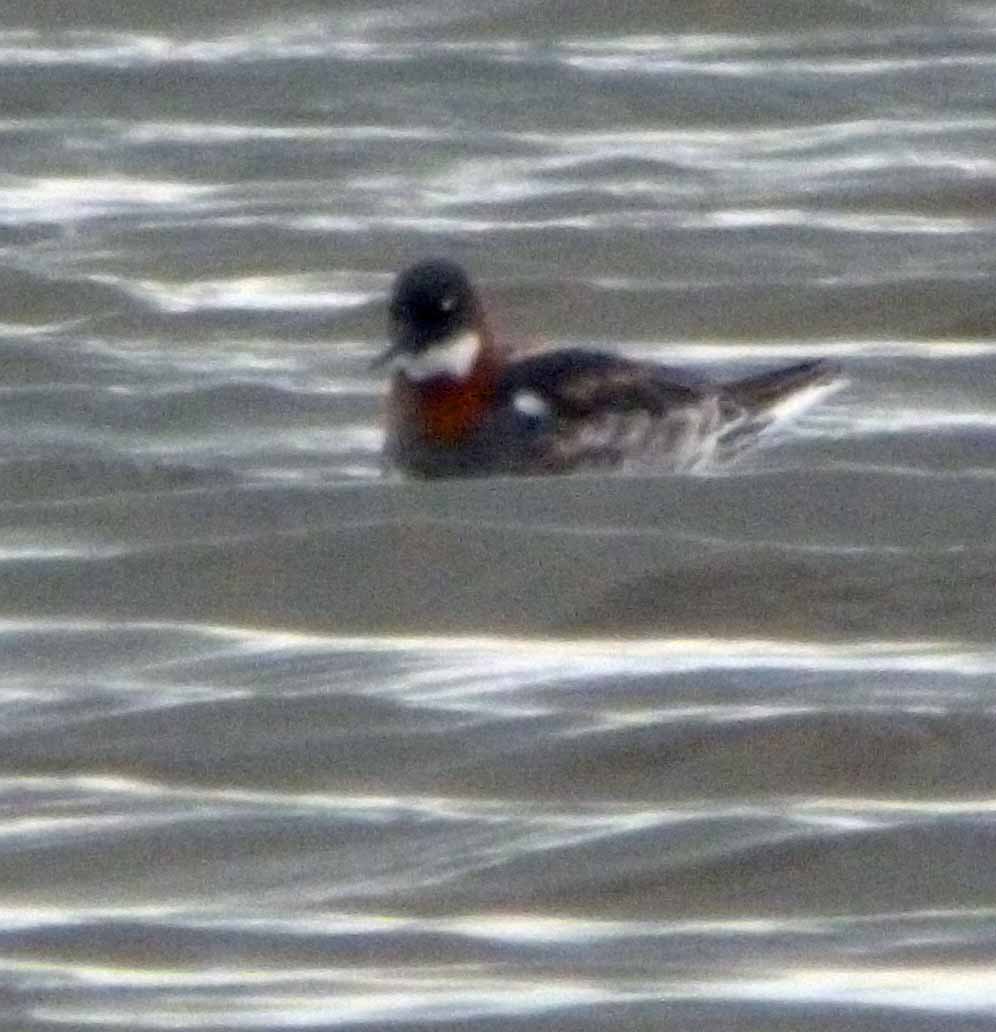
Red-necked Phalarope at WWT Slimbridge
I finally caught up with this ‘here today, gone tommorow’ bird

Red-necked Phalarope, Top New Piece, 09-06-14, MJMcGill (4)_edited-1

8 June 2014

House Martin collecting mud pellets for nest.
This individual is sporting a flat fly parasite.

House Martin with flat fly, MJMcGill

Close up of the flat fly.

Flat fly parasite

Goldfinch coming for a drink on a hot day

Goldfinch, drinking, MJMcGill (4) copy

5 June 2014

Garganey male in the Rushy

Garganey, MJMcGill

Oystercatcher
Looking their best in June.

Oystercatcher head study, 05-06-14, MJMcGill

Hobby
Heatwaves are good for insects, insects are good for this summer visitor

Hobby, in flight, 05-06-14, MJMcGill


2 June 2014

Reed Bunting
June is full of birdsong, the reedy ditches are home to these smart birds

Reed Bunting, male, 02-06-14, MJMcGill


Western Isles, the Highlands and NE England, 23-29 May 2014

Left to right-Me (Mart), Nige and Neil (Smarty)

Applecross Gang, Neil, Nige and Mart

23 May 2014

This trip was something of a last minute job thrown together,  I joined Neil Smart and Nige Warren in booking some time off and we formulated a plan over a brew one Sunday morning. I was up for Morocco again, where sandals and a t-shirt but Nige and Neil were keen on heading North. We all just wanted a little adventure, a break. I needed to test myself back out on the road and experience long days after what has been an extremely difficult year. It was a good call as it worked out less expensive than going abroad as I for one was on a tight budget. I went with the flow and we booked a car for a couple of days time. A late start on the road due to me being chauffeur to my wife and her friends (a birthday promise delivered) and taking my car to the garage.

We picked up what turned out to be a BMW 3 series touring, auto gearbox and very comfortable to drive and loaded the gear at my place. Off we went making up a plan as we went up the M5. The weather looked good for a fall so we all decided to head to the East coast, we stopped at a Travelodge near Hull for our first night on the road.

24 May 2014
Up with the lark we headed to Spurn/Easington and birded the area, it was not leaping but we were seeing Brent Geese and waders on the estuary and Neil had a Grasshopper Warbler. We moved on up the coast hearing later that Red-breasted Flycatcher had been seen and tried to locate a Temminck’s Stint site with no luck. Our next stop was a fry-up in a café after which we stopped at Filey North Cliff CP. Rainy conditions and easterlies were full of promise as we enjoyed Eiders, Scoter, Sandwich Terns and Guillemot and Razorbill below. We were soon watching a very smart male Red-backed Shrike that had been found earlier, it was bee catching below us.

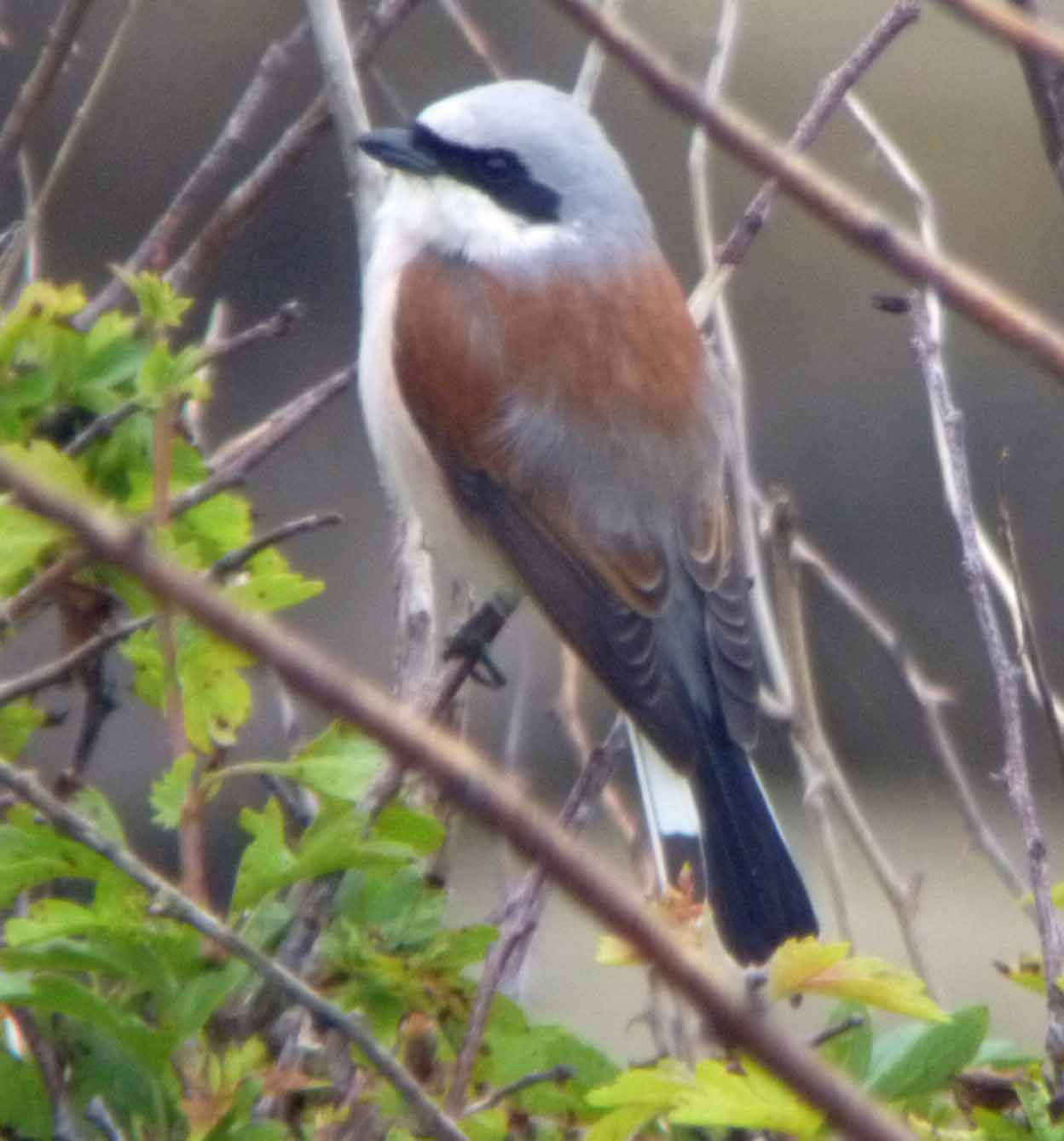
Red-backed Shrike, male

Red-backed Shrike, Filey NCCP, 24-05-14, MJMcGill, 001 Red-backed Shrike, Filey NCCP, 24-05-14, MJMcGill

The rain set in and we climbed back in to head further North via Cleveland. A stop at our latest destination at Hummersea was for an Icterine Warbler but we elected to park in a rain soaked clifftop gateway. The weather made us recline and nap for 30 mins to allow it to let up. The shut eye re-programmed our brains but looking out it was still grim, despite to monsoon the bird was still being reported and there was also a Woodchat Shrike to boot. On with the wet weather gear and out to stumble along a track in a pea-souper. We arrived at the end of the track and immediately hear the Icky singing away. It was belting out a song, ‘singing in the rain’. We all got views of it when it made feeding forays. Nige wandered off down the track to look for the shrike and saw what he thought was a Richard’s/Tawny Pipit but off it went into the murk. It began to clear a little but we wanted to get on the road so did not linger for the shrike which showed not long after we left. A long drive to Aberdeen followed with only a Marsh Harrier over roadside fields somewhere in Cleveland to add to the list. We stayed at Aberdeen airport Travelodge, making plans as we went.

25 May 2014

Another early start in the poor weather with our first stop the Ythan estuary, poor weather but cleared enough to really enjoy the great birding here. The terns, Sanderling flocks and local King Eider were all soaked up along with the rain. Arctic, Common, Little, Sandwich and a couple of Roseate Terns were compared.

Royal King Eider having a kip

KIng Eider, Ythan,

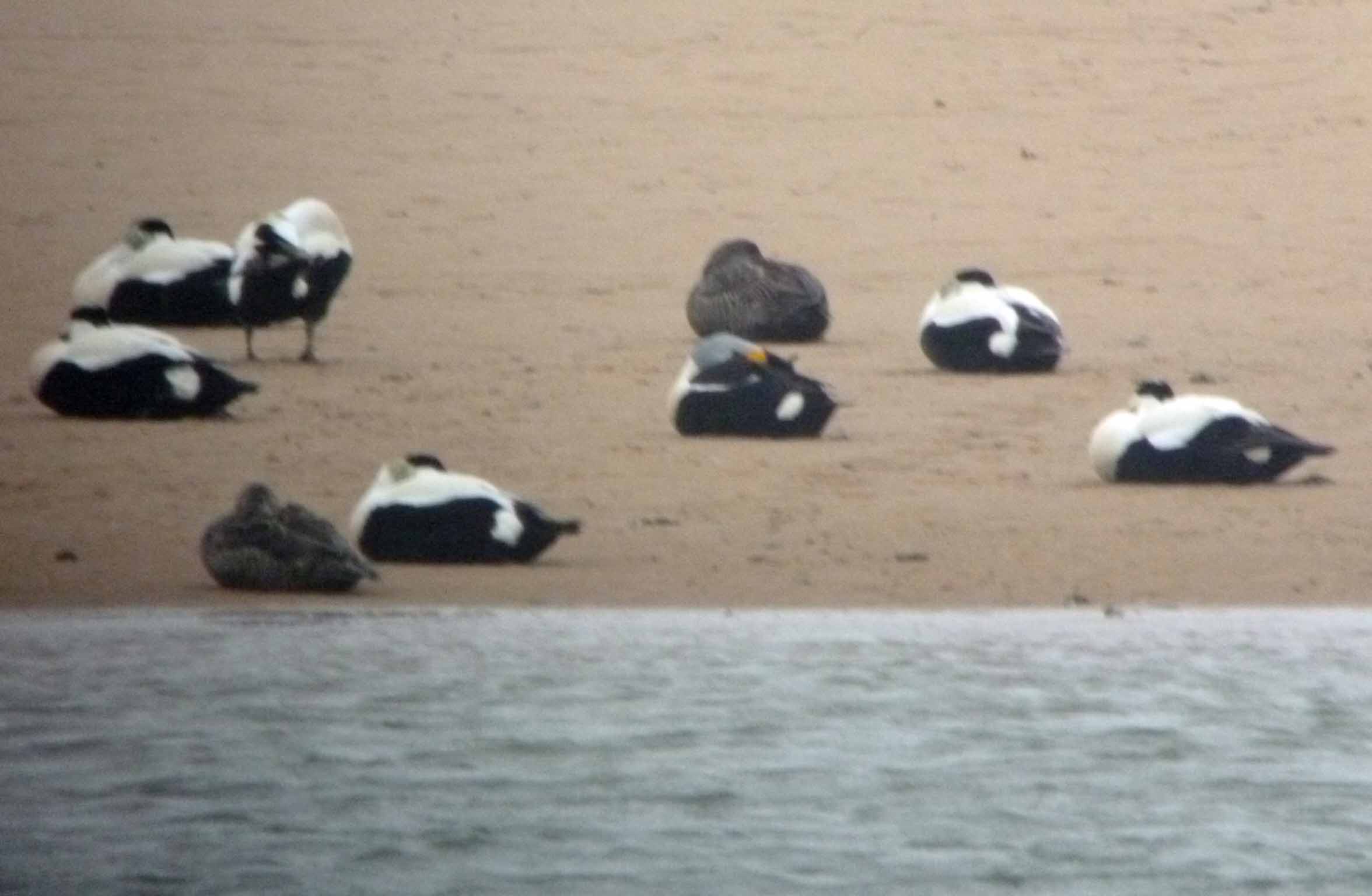
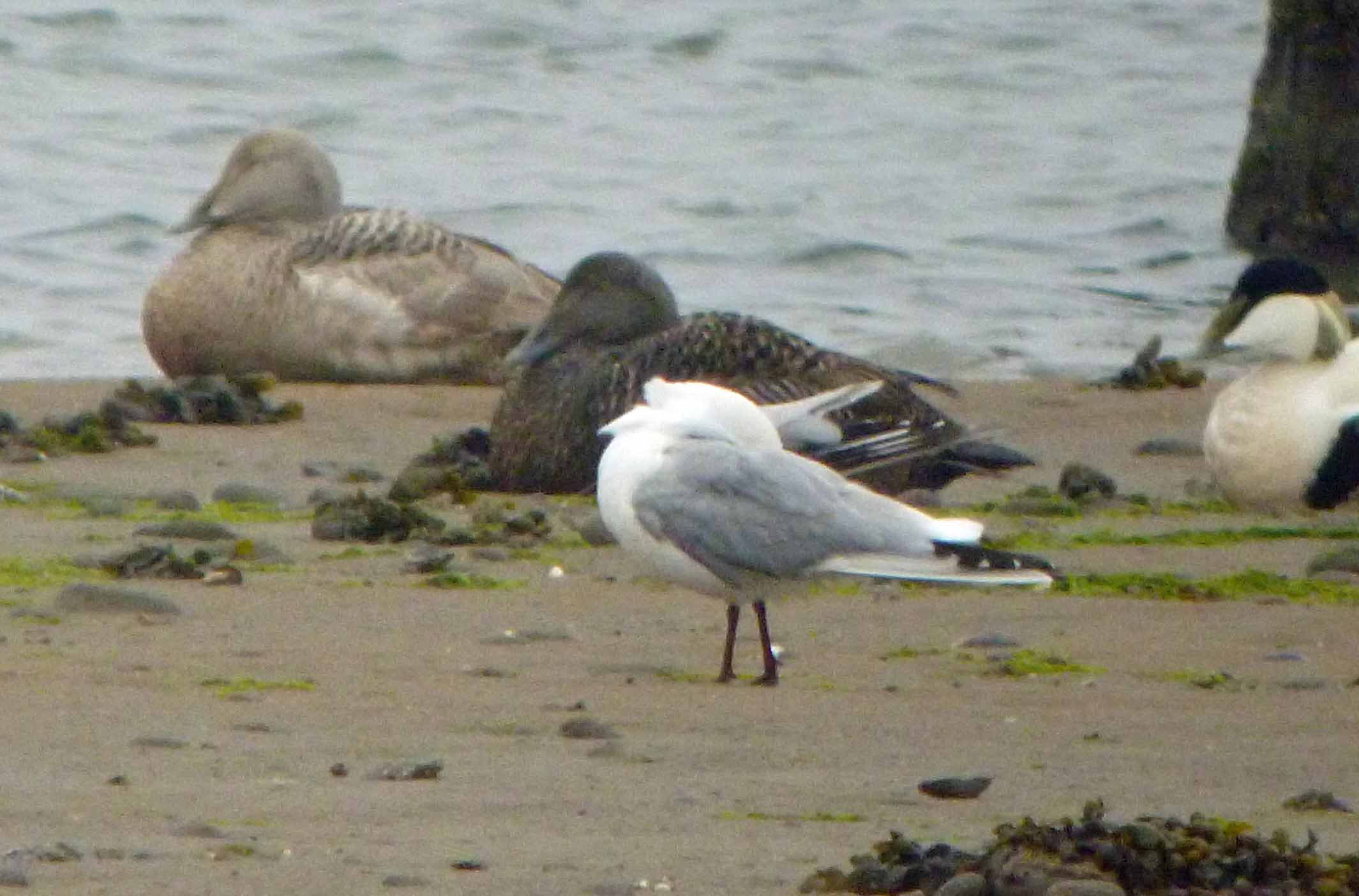
Leucistic or just a pale phase female Common Eider with a more normal specimen

Eider, contrasting females, Ythan, Aberdeenshire

One of two Roseate Terns

Roseate

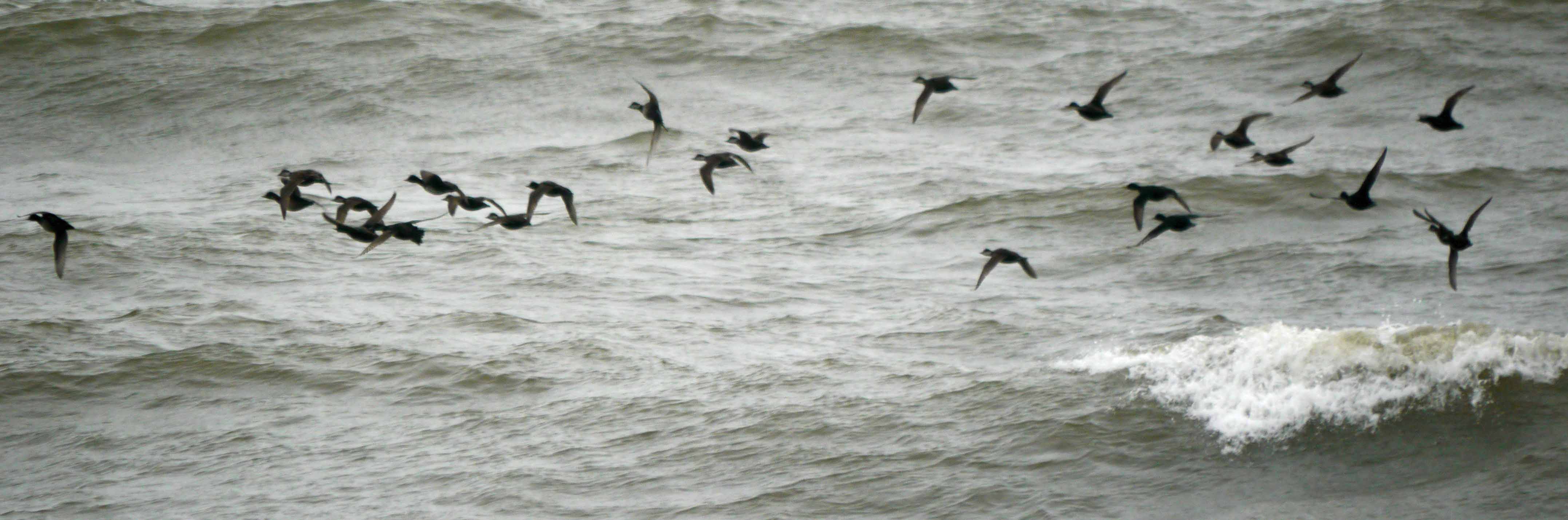
Back down the coast we walked from Blackdog to Murcar watching seabirds flying by and settled to get into a Common Scoter flock, they were all so busy doing everything a Scoter could do in a heavy swell and above a feeding area against a tide, there should be a specific name for a scoter flock, a scooter maybe? Sifting through the throng and ever changing, shape shifting flock we managed to pick out two big-headed male Surf Scoters and 6 very fine Velvet Scoter. A few Red-throated Diver were on the sea or moving through too.

Common Scoter fly-past
They look like they are having fun

Common Scoter flypast, Blackdog

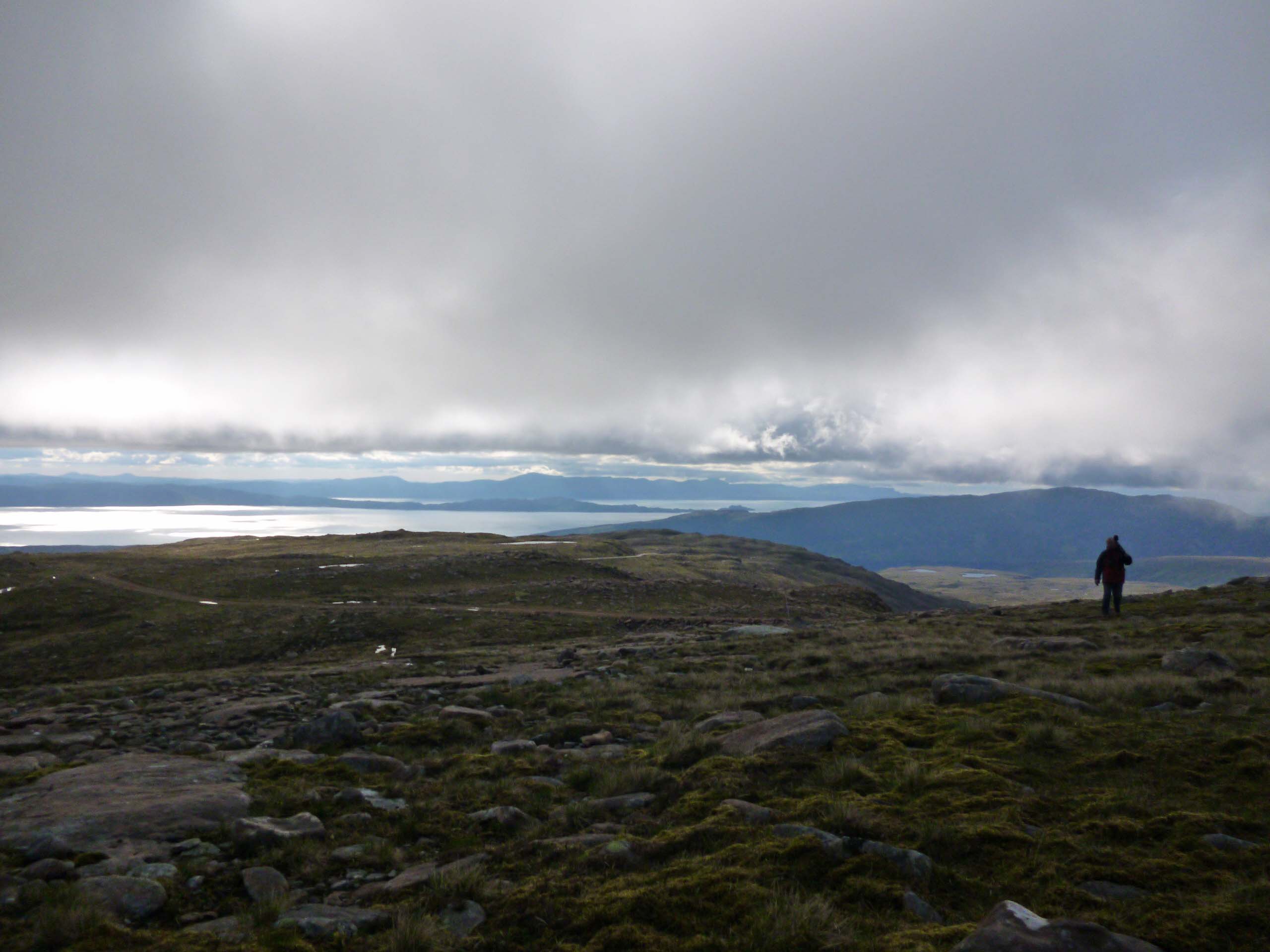
Enough of rain, it was time to take on board soup in a roadside eating house, head to Inverness and then West along the North shore of Loch Ness. The sun came out and the scenic drive was spot on. A few stops for bird sightings, fuel for us and the car and scenic views our next birding destination wasto be  the high pass to Applecross. Before we climbed up the mountain, fortunately in the car, we saw a couple of Pink-footed Geese with the Greylags by the bridge. A roost of Oystercatcher and Curlew were on this small estuary. At the top the views were pretty good, the mist would close in on our target area but clear away again. We walked up the slope toward the radio masts and sat down against the rocks to scan a likely area. Immediately a Ptarmigan appeared in my scope as it scratched about on the steep, rock strewn slope.

Nige closes in on me to scope the Ptarmigan

Nige Warren up in theApplecross mountains

Ptarmigan settles down to rest, it never moved after doing this so we left it be

Ptarmigan, Applecross, MJMcGill

A selfie with my birding mates, looks more like a defensive position or partridge covey! No sneaking up on us.

Scanning for Ptarmigan


We still had a way to go to reach our destination and had to reach the Isle of Skye and Portree to seek out a Bed and Breakfast. We stopped for a chippy tea at Kyle of Lochalsh and were all suffering from indigestion after bolting the grub down. It was a shame we were so hungry and on a budget as Portree had lots to offer in the way of eating. The local hostel was full so we found a bed and breakfast with friendly landlady and then went out for a couple of pints of Guinness. Views around the town and the sunny, still harbour rounded off a long but rewarding day.

26 May 2014

A slightly later start at 0700 to make the most of a monster breakfast and it was straight to the ferry port of Uig, checked-in, loaded up and on the deck for a seawatch on this 2 hour crossing. It was very productive, lots of Puffin as well as commoner auks but the real highlight was Minke Whale. This beast actually breached twice in what was probably a fishing lunge, actually came out of the water before crashing back in, awesome.

Minke Whale breaching– Image captured by Neil Smart

One hell of a flying fish! I know, I know it is a mammal

Minke Whale, Uig-Lochmaddy, Neil Smart

A few Black Guillemot and a pair of Red-throated Diver were in the Lochmaddy harbour as we arrived on North Uist, soon after disembarking we booked into a hostel nearby and secured our bunk beds for two nights. With that all sorted we popped into the  stores for food and then went birding. Our first target area was RSPB Balranald where we had great views of Corncrake singing whilst the farming activity carried on all around. We explored the N part of the island for the rest of the afternoon stopping at many beautiful places and likely spots, too many to name. Calling in at Grenitone we explored a fenced willow/alder area. A few Willow Warbler sang and sallied after insects and we all studied differents spots. I was well pleased when a male Golden Oriole appeared on top of the bush next to me before flying up the slope and perching in full view. I called to the lads but they could not hear me, so I walked back to find them. It took a bit of time but we all saw it well as it zipped about in the low canopy or made flights into the open. We headed out to Benbecula for the early evening and took a coastal track as the tide came in on the N shore, more excellent views of waders ensued be they on passage or local breeders, it is warming to see such healthy numbers. On reaching tarmac once again I pulled away over a bridge and saw what appeared to be the eye stripe of a Garganey out of the corner of my eye. Reversing back down the road to check I was seeing properly and sure enough a smashing pair of these summer ducks were showing very close to the road as they fed in a ditch. The end of the road at Aird was a beach and rocky point with a large gathering of gulls and Sanderling in the seaweed. An 2nd summer Iceland Gull was among them. Following the coast road we stopped at Stinky Bay and looked through the masses of Sanderling and gulls, in the fields/dunes inland at least 5 Corncrake were in full song. As we had already seen them very well today we focussed our efforts on searching for a reported Snowy Owl back on N Uist. The rest of the evening was spent looking for it and seeing Short-eared Owls, Hen Harriers and passerines but it turned out the Snowy Owl was a Shortie! We saw the same chap next day who admitted getting it wrong, I guess to an inexperienced watcher the brilliant light on a fully illuminated Short-eared Owl was pretty mind blowing. A bit more pottering about and it was time for an evening meal at the Lochmaddy Hotel.

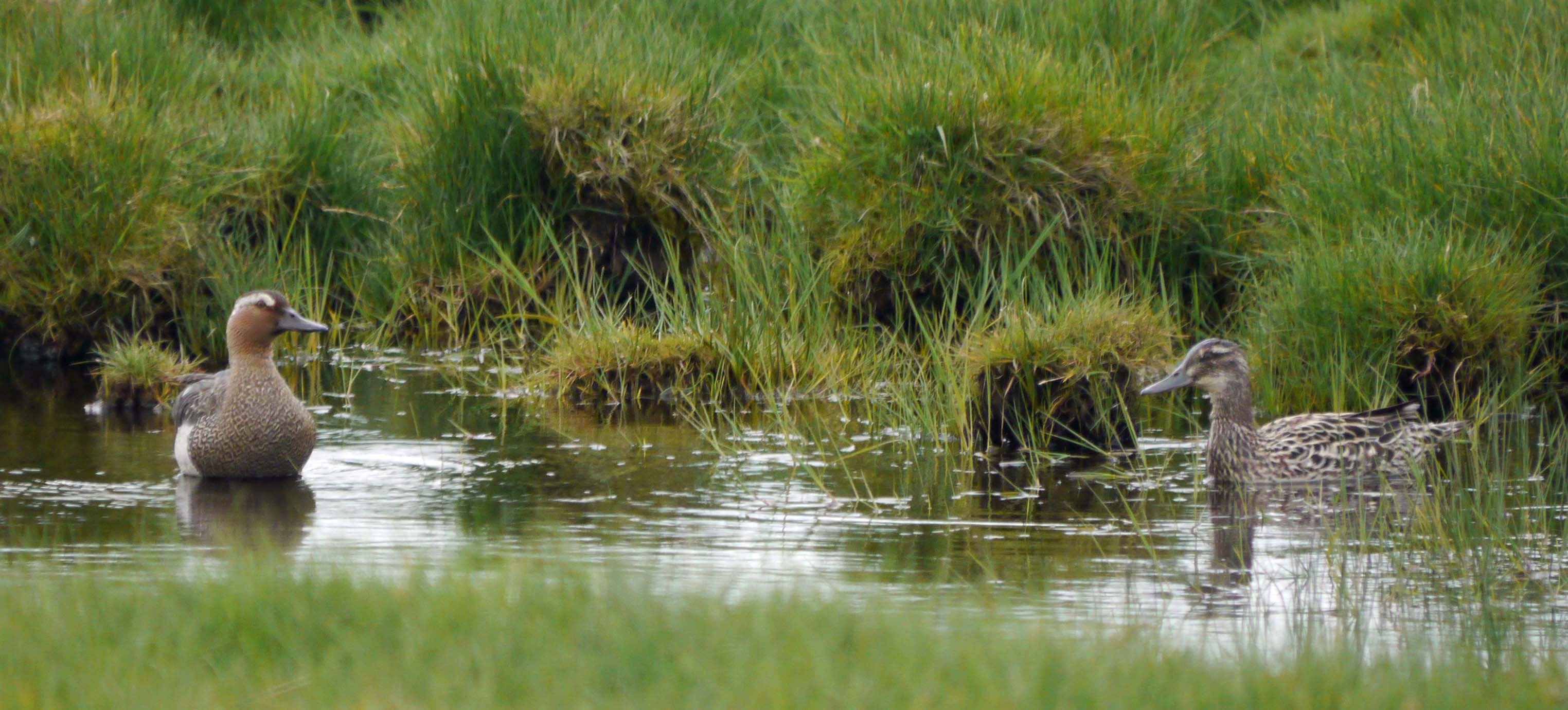
A pair of Garganey

Garganey, Benbecula

Some more images from the day follow.

Corncrake near Balranald

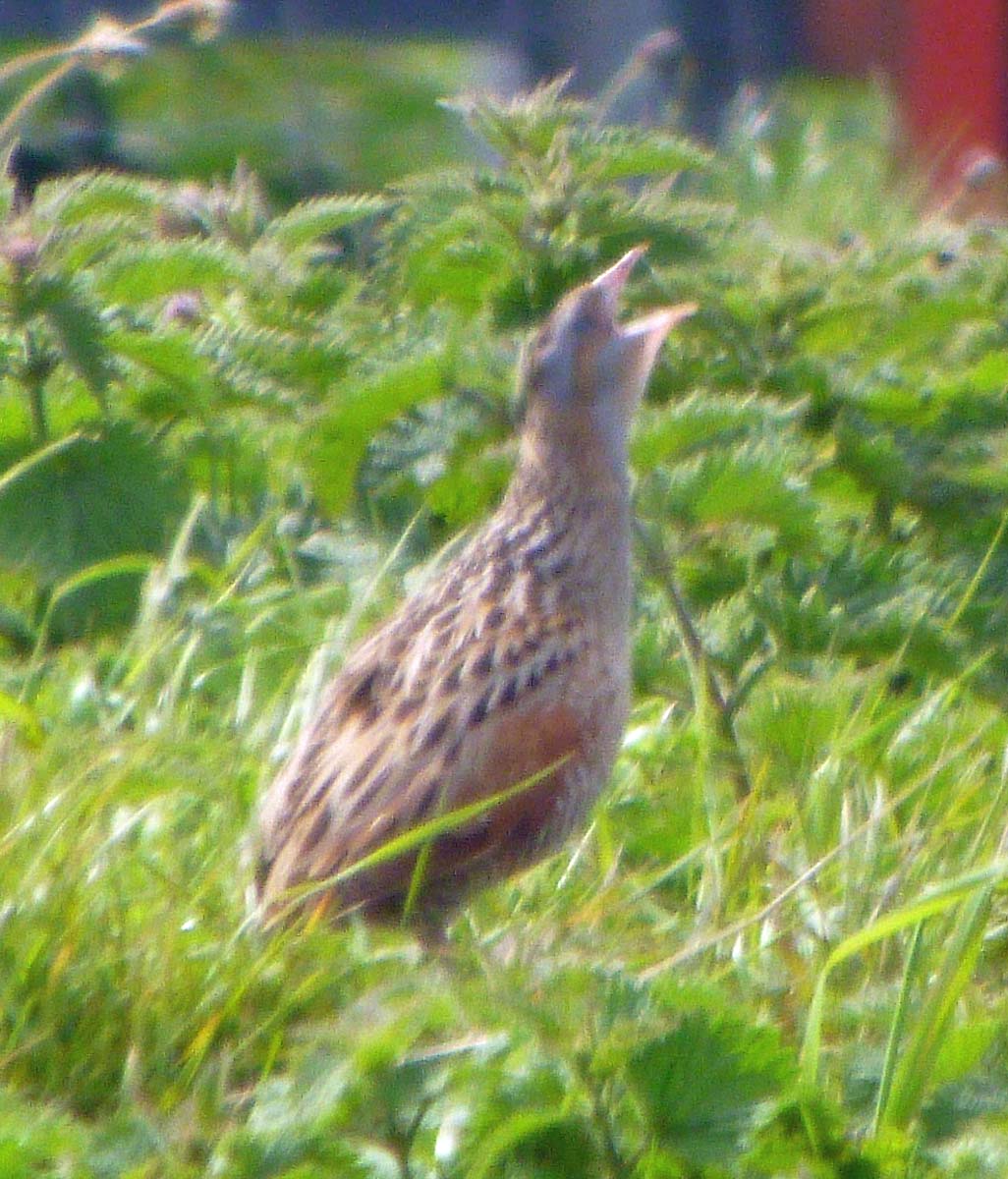
Corncrake

Dunlin singing on saltmarsh, Benbecula
The bay beyond was full of waders

Dunlin on S.Uist saltmarsh, N Bay.

Dunlin singing

Dunlin on S.Uist, singing bird, SUist.

Machair- Ard un Runair
Easy on the eye

Machair, Ard un Runair

Hen Harrier cruising-Sollas, North Uist
We enjoyed many encounters with these stunning raptors.

Hen Harrier, Sollas, N Uist, MJMcGill

27 May 2014

Up for yet another early start, no slacking and we headed along the N coast of N.Uist, a stop to search the dunes around Sollas, the small plantation at Grenitone and the slopes and hills inland produced a hunting Merlin plus great views of hunting Short-eared Owls. We stopped off at a Golden Eagle nest site watch point near Sollas and had distant but OK views of the birds and a chat with the guardian who told us of the Minke Whale washed up nearby. We also saw three Cuckoo chasing around, one being tail-less and rather odd looking. The lure of lekking Ruff and lots of waders at RSPB Balranald drew us back to this bird rich area and we once again heard calling Corncrakes, another look on the nearby beach gave us a 1st summer Glaucous Gull.

Moving on south we drove to Benbecula and spent awhile watching 5+ Red-necked Phalarope on a freshwater loch, nearby a further two were feeding in the surf on the beach at Stinky Bay with Sanderling for company. Our next destination was Pollycharra at the S end of South Uist but we stopped off at any areas with cover on the way to search. From the the point we scoped the sea and the Island of Barra. A Great Northern Diver drifted on the slack water and the views and sunshine were just perfect. A coffee stop later and it was time to continue exploring various stops on the way back north. We scanned the beaches around Staoinebrig which had large creches of Greylag (nice to see them doing so well all over the islands). Numerous Sanderling were running up and down the beaches. One colour ringed individual, as it turned out later, was marked in Mauretania the previous winter. Also in the smelly insect rich seaweed was a Little Stint as well as Dunlin. Nige was on scope duty and located pair of Golden Eagle over the hills inland.

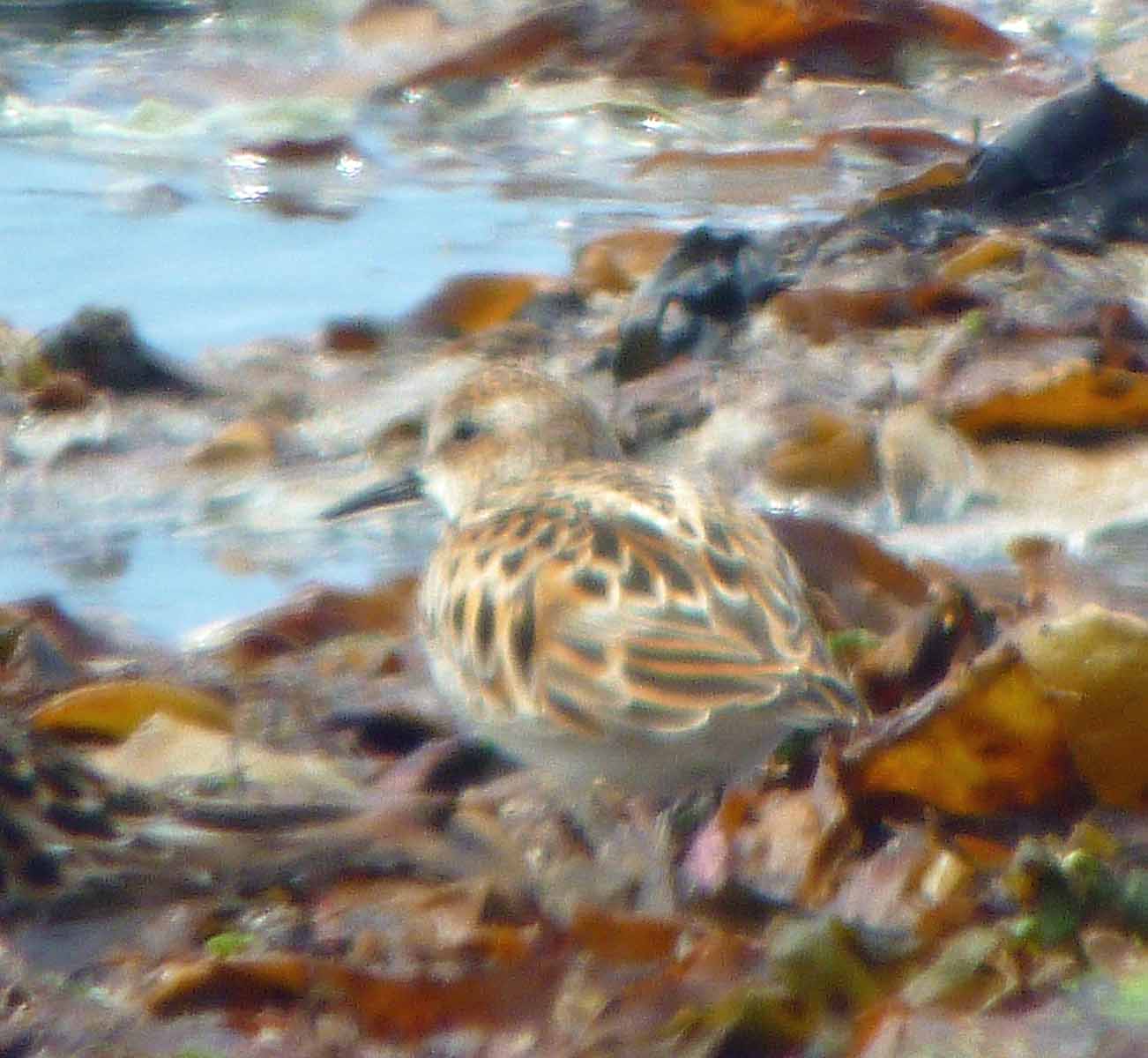
Little Stint

Little Stint, S Uist, MJMcGill Little Stint, S Uist, MJMcGill, 001

Nige and Neil study a breeding plumaged Great Northern Diver with Barra in the distance

Nige and Neil

On Benbecula we called in at Aird again and saw 1st summer Glaucous and second summer Iceland Gull on the sea, the Garganey was lacking the female mate but showing well on a roadside pool. Heading back inland a White-tailed Eagle flew over the car, we followed it, or at least tried to. Whilst stopping to scan we had intimate views of one of the ubiquitous Redshank. The eagle chase took us to yet another new part of the island.

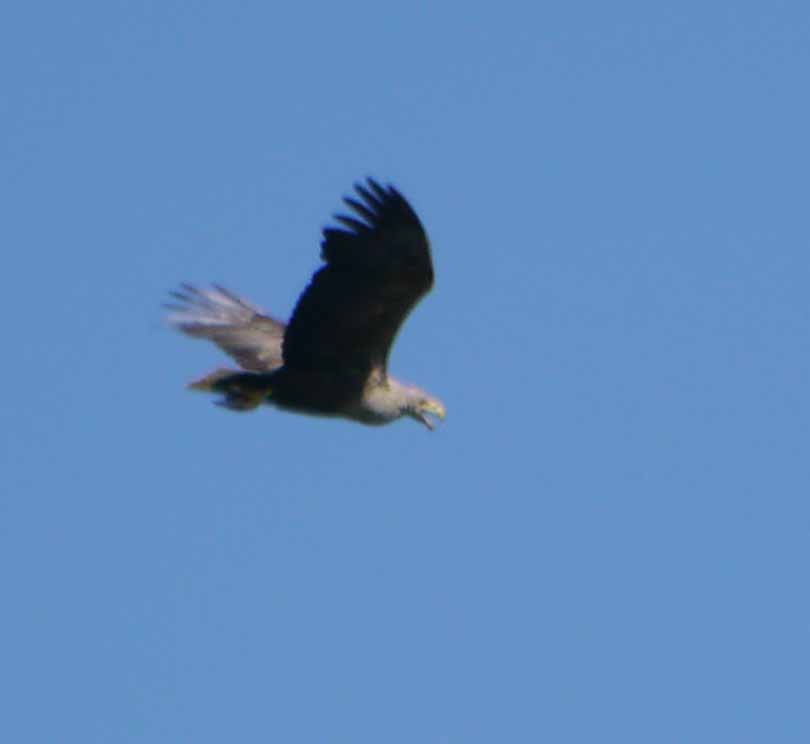
White-tailed Eagle

White-tailed Eagle, S Uist, MJMcGill, 27-05-14

Redshank

Redshank, Benbecula, MJMcGill

Short-eared Owl
We were seeing them everywhere we went!

Short-eared Owl, Grenitone, N Uist, 28-05-14, MJMcGill

Short-eared Owl, Grenitone, N Uist, 28-05-14, MJMcGill, 001

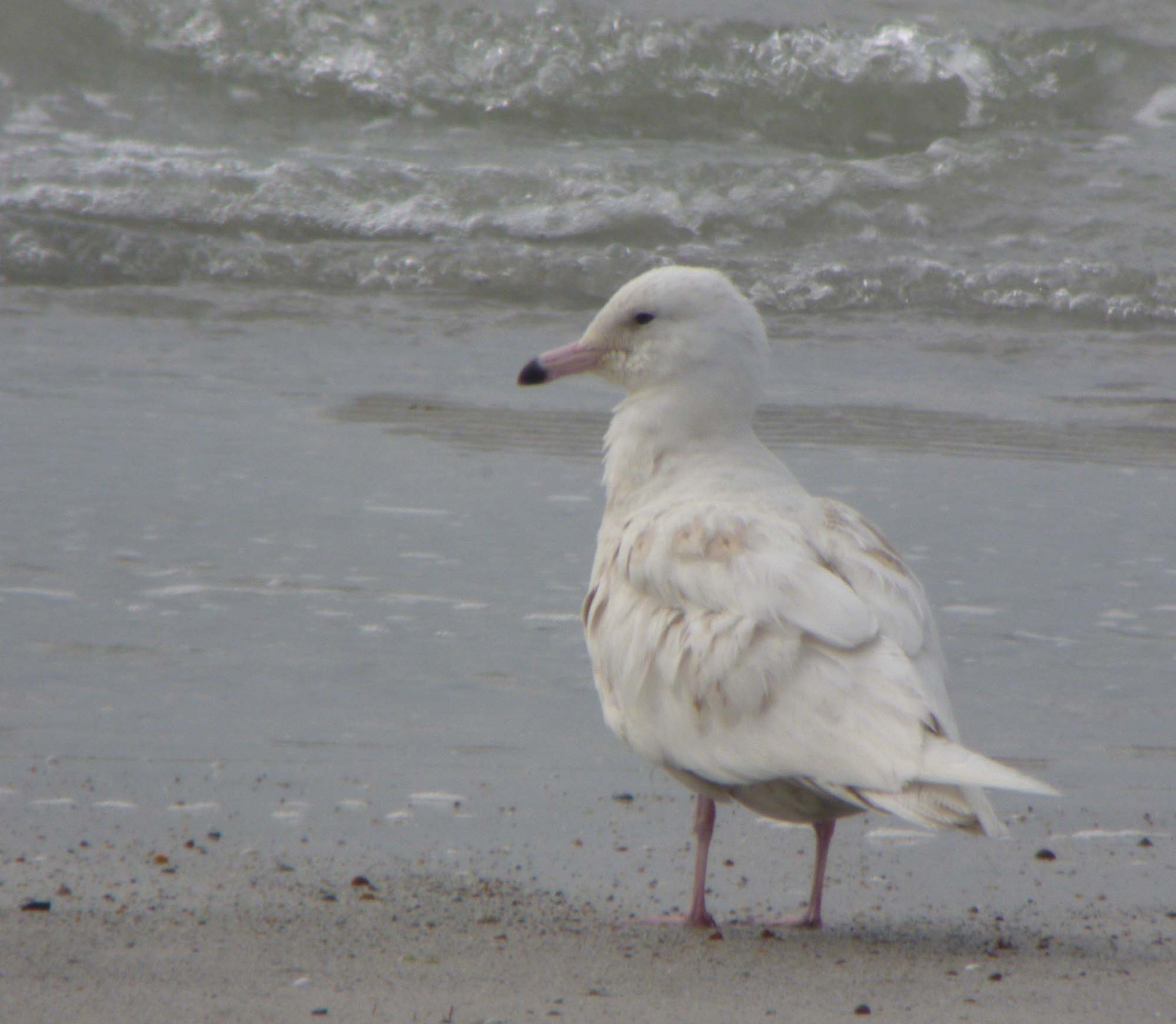
First summer Glaucous Gull, Ard un Runair

Glaucous Gull, first summer, Ard an Runair, N Uist, MJMcGill 27-05-14

Glaucous Gull, first summer, Ard an Runair, N Uist, MJMcGill, 27-05-14, 001

Ard un Runair, the bay

Red-necked Phalarope

Red-necked Phalarope, Western Isles, 27-05-14

Our last stop of the day was still bathed in sunshine, heading back toward Lochmaddy we turned off onto the long winding track out to Lochportain with Wheatears along the way. Getting out to search a likely spot Nige located some very confiding Twite. We scanned a nearby low ridge and had great views of Golden Eagle in the evening sun as well as more Hen Harrier and Short-eared Owl action.

Twite

Twite, N Uist, 27-05-14, MJMcGill

28 May 2014

Another day and another early start, first stop and search the bushes at Grenitone before a brief look for a Blyth’s Reed Warbler that was singing near the Sollas CO-OP, it was also a breakfast stop. No luck with the warbler so back to looking for our own birds. A look around various places on the Berneray road and another Great Northern Diver was seen. Many of the houses on the way had decent cover for migrants, we saw Buzzard and common species of bird only. A search of one roadside plantation produced a Spotted Flycatcher and more Song Thrushes.

We had to be on the 1130 ferry so had a café breakfast and hung around the harbour in readiness, the Red-throated Diver pair were still offshore. A peaceful sea was quieter that our outbound journey a couple of days before but we saw a few seabirds including Great Skua following a trawler and another Minke Whale. Better views of Black Guillemot were had as the ferry entered Uig Harbour.

Black Guillemot

Black Guillemot, Uig, MJMcGill, 28-05-14

A long drive back across Skye and into the Highlands was broken up by a visit to Alt Mhuic near Spean Bridge to look for a special butterfly. As well as seeing the target insect (a lifer for Neil and I) we had stunning views of the area in nice weather. Nige saw a Golden-ringed Dragonfly and Neil and I saw a dragonfly that looked to be a hawker but eluded us. Back in the car and on we went to eat up some more miles.

Chequered Skipper

Chequered Skipper, Allt Mhuic, 28-05-14, MJMcGill, 001

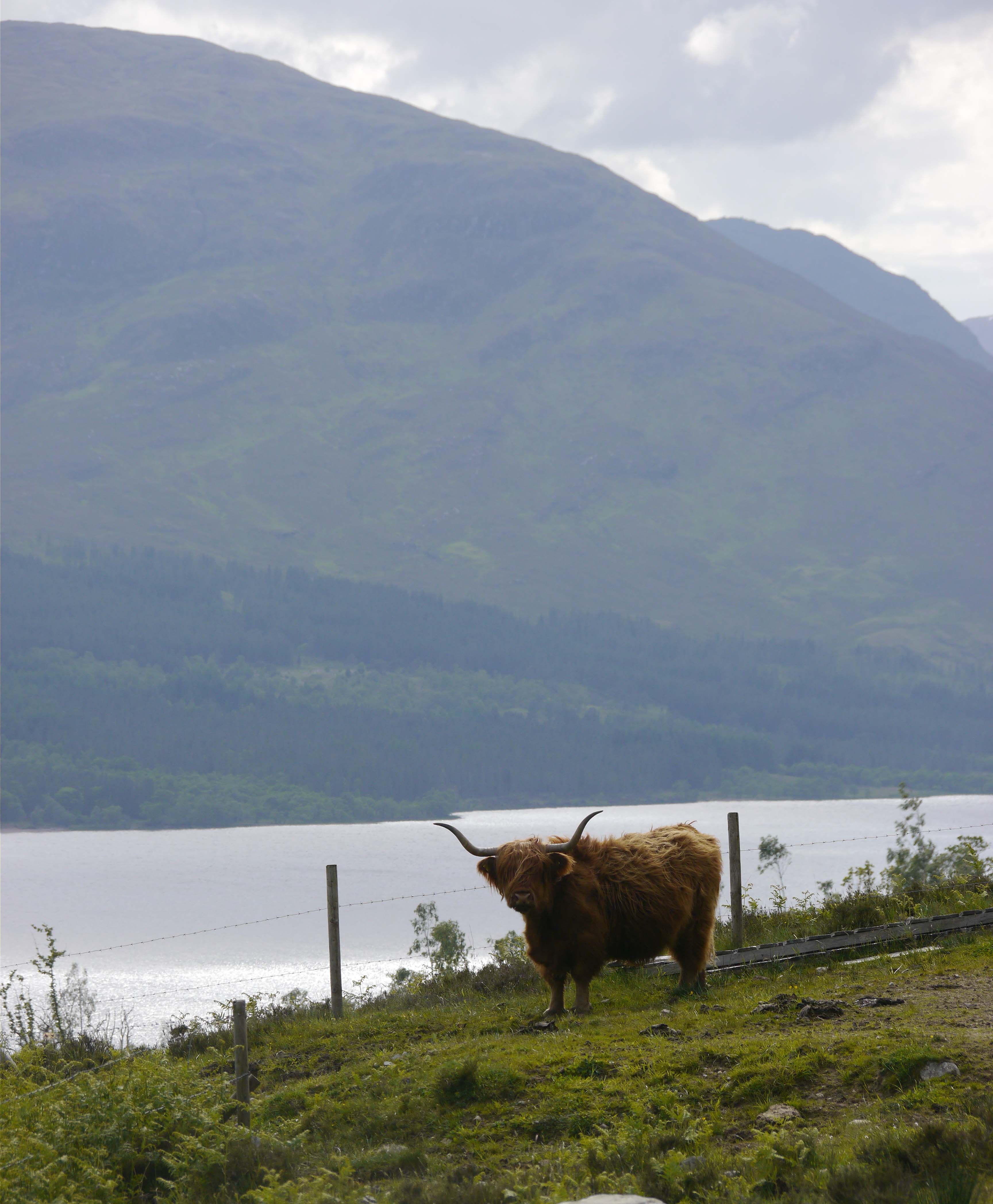
Highland Cow

Highland Cow, Alt Mhuic, MJMcGill

Back on the road we called in at Insh in Speyside logging a Crested Tit family feeding their young. We never had time to do much more and wanted to carry on home, another two hours south and we arrived to spend the night in Milnathort, Perth and Kinross. A few beers in the Village Inn with Jubs (who put us up, but had no food) and a starter, main course and pudding which consisted of a single packet of mini Cheddars was not what we had planned as sustenance, I guess it does not hurt to miss a meal now and again and gives me a chance to moan about it.

29 May 2014
A later start and lazy breakfast the next day only left time for a leisurely drive back to Gloucestershire to conclude our rather busy but excellent trip.

Martin J McGill

*Having wrote this up months later I may have forgotten something, I certainly have not mentioned all the birds we logged and to be fair it was a lot. The Western Isles are rich in birdlife. I will add any updates subject to my birding companions thoughts and comments.


May 2014 blog and sightings

Many of my sightings are from where I work as a Senior Warden-WWT Slimbridge but I do get about the Severn, Gloucestershire and further afield. All images are mine unless stated and are copyrighted.

23-29 May 2014

See trip report section for sightings on a visit to Scotland and the Western Isles.

21 May 2014

Received a call from Jake King to say he had a strange wader which was distant in heat haze on the Top New Piece, I offered to join him to have a look. Conditions were trying, very hot and humid and visibility was difficult. On arriving in the hide, Jake had already started picking out features. Scope views were much better than anything the camera could pick up, a careful check of all features was made. We were both happy with Temminck’s Stint as the conclusion. A nice little find for Mr King on a day when a few were noted about the country.

Temminck’s Stint at WWT Slimbridge

Temminck's Stint, TNP, 21-05-06, MJMcGill Temminck's Stint, TNP, 21-06-14, MJMcGill

Marsh Harrier

A sorry excuse for a Marsh Harrier, plumage missing everywhere including a re-growing tail. This bird has summered around the Slimbridge/Frampton area. That evening I saw it and a second, this time a fresh plumaged female around the 100 Acre/Splatt area

Marsh Harrier, female, 21-05-14, MJMcGill

20 May 2014

Ringed Plover, Dunlin and Sanderling on the Severn

A high tide where the small waders were harassed by a Peregrine and moved to rocks to sit it out.

Dunlin, Ringed Plover and Sanderling on the Severn, MJMcGill 20-05-14

Ringed Plover

Smart chap.

Ringed Plover, Severn, 20-05-14, MJMcGill

Sanderling

Like so many of the other wader species in May, this bird is Arctic bound.

Sanderling, Severn, 20-05-14, MJMcGill

Scarce Chaser

This newly emerged insect was my first of 2014

Scarce Chaser, teneral, Bull Ground, 20-05-14, MJMcGill

19 May 2014

Very pleased with how many Cuckoo are about locally this spring, seeing/hearing them daily is just ace.

Cuckoo

Cuckoo, MJMcGill

Arctic Tern

The last one hanging on locally appeared to be ill or perhaps tired after the gales, it commuted between the Severn estuary and Frampton pools where Nick Goatman was also seeing it most days. A few flocks went through this spring.

Arctic Tern, Severn, 19-05-14, MJMcGill Arctic Tern, circling over 100 Acre, 19-05-14, MJMcGill

Grey Plover on the Severn

Grey Plover, Severn Estuary, 19-05-14, MJMcGill

Grey Plover (probably 1st summer) and Bar-tailed Godwit (1st summer)

Grey Plover and Bar-tailed Godwit, Severn, MJMcGill, 19-05-14

13 May 2014

I went in early a mizzle laden morn to get to grips with Lapwing broods on the ‘bottom pieces’ (names of fields/marshes) and my second peek over spot revealed more chicks of this often unsuccessful local breeder, things were looking good for a change. I scanned an saw a variety of brood ages feeding along where the vegetation meets the muddy shore, all was well. Then I heard it, a crashing bashing, clanking, rock n rolling Great Reed Warbler cranking out full on heavy warbler metal. In my head I said to myself…nice…Great Reed and carried on searching for fluffy wading birds chicks with oversize heads and legs. Another rendition of ckkkrrkk ckkkrrkk, chhiick, chhiick, kraak kraak and the monster in the reeds got the Euro to drop! Great Reed Warbler at WWT Slimbridge, man that is a first for the site/patch. It went one further and climbed higher in the reeds, I did not know if I should brave it and stay or run for it, the reeds were shaking all over the place, I got the camera out and then it appeared. It looked at me and stared me out, I froze, then dropped my bins and took a shot.

It then moved into action, it was in a mood but luckily for me a Reed Warbler that was annoyed nearby took the brunt of the scolding, it chased it’s tiny relative away. I backed off up the bank and saw it a few more times as it patrolled up and down the ditch and into the hawthorn trees, I left it and went over the bank to start calling out news of this long overdue visitor. It is a third for the county of Gloucestershire. Within the hour the bird moved along the ditch to the Holden Tower and performed for plenty that day and the next. I went back to complete my wader work the next day.

Great Reed Warbler and Reed Warbler, Top New Piece, WWT Slimbridge

“What are you looking at titch, can I help you”

Great Reed Warbler and Reed Warbler, Top New Piece, 13-05-14, MJMcGill Great Reed Warbler with Reed Warbler, Top New Piece, 13-05-14, MJMcGill

10 May 2014

Spring gales brought lots of goodies to the Severn but not as far up as my usual patch. No luck with the Pomarine Skuas or breeding plumaged Great Northern Diver that were being scoped a bit further downstream but a few notables. Outrageous views of a Gannet was a real treat, this one nearly landed on the head of Gloucestershire ‘seen the lot’ Neil Smart. I did wonder if he had kipper for breakfast. A Bonxie was also of note.

Gannet

Gannet, head, Severn Estuary, 10-05-14, MJMcGill Gannet, Severn estuary,10-05-14,  MJMcGill

Gannet, taking off from Severn Estuary, 10-05-14, MJMcGill

5 May 2014

A good day for migrants at work begun with a species I had never personally found in Britain before. I have seen a few including the two previous Glos records. Just before 8am whilst scanning the Rushy I clapped my eyes on an adult breeding plumaged Bonaparte’s Gull. It flushed three times before I could get a pic which was a worry but I was glad that it settled down on South Lake for all to see.

Bonaparte’s Gull (left) on the Rushy

Bonaparte's Gull, Slimbridge, 003, 05-05-14, MJMcGill

Bonaparte’s Gull (right) with Black-headed Gull, South Lake- Images MJMcGill


Bonaparte's Gull, Slimbridge, 002, 05-05-14, MJMcGill

Another view of the Bonaparte’s Gull.

Bonaparte's Gull, Slimbridge, 001, 05-0514, MJMcGill

Other good news at work  was that at least two pairs of Avocets had hatched young on the Dumbles.

Other migrants/summer residents noted were 2 Greenshank (saw one just moulting on Rushy/Top New Piece and one in breeding plumage on estuary), Green Sandpiper on Tack Piece (scarce in spring), 3 1st summer Mediterranean Gulls, 1st summer Little Gull, Spoonbill, 3 Common Sandpiper (two S Lake, one Dumbles), Garganey on South Lake/Top New Piece, Swift passage over 100, Little-ringed Plover (saw one flying/calling heading S and one on the scrape on the Dumbles). Out on the estuary-Common Tern, 46 Bar-tailed Godwit, 7 Sanderling, 64 Dunlin, 69 Ringed Plover, 2 Grey Plover and a Whimbrel. A long staying female Wheatear at Middle Point plus single Yellow Wagtail, Hobby and a Cuckoo singing.

4 May 2014

I logged my first 2 Hairy Dragonflies of 2014 (one GHG and the other 100 Acre) NRS saw a Four-spot Chaser and c40 Azure Damselflies were on the wing.

In the afternoon I spent time trying to be helpful in the hides, I heard a drake Garganey call once and searched for it. No sign for a while until I located it tucked under the bank on the South Lake. Eventually it showed.

Garganey, drake on South Lake

Garganey, South Lake, 04-05-14, MJMcGill

Eurasian Spoonbill on South Lake

Eurasian Spoonbill, South Lake, 04-05-14, MJMcGill

3 May 2014
Up and out early on a sunny spring morning to search for my target bird of the day-the tiny Lesser-spotted Woodpecker, I was delighted to see/hear two males drumming and calling. One male really impressed me with great views, I enjoyed every carefully spent minute spent in his company whilst he did what he had to do. On various rambles I logged 20+ Garden Warbler, 12+ Tree Pipit, a pair of Goshawk, single fly-over Crossbill, 3 singing Wood Warbler, three singing Lesser Redpoll, singing Siskins and a variety of commoner forest birds.

Lesser-spotted Woodpecker, Forest of Dean-locality withheld

Lesser-spotted Woodpecker, Forest of Dean, 03-05-14, MJMcGill

Wood Warbler

Wood Warbler, FoD, 03-05-14, MJMcGill

2 May 2014
A walk with my children along the Severn Way at Arlingham produced c20 Swallow actually plucking insects of the umbellifer and a few Sand Martins, perhaps the latter breed in the red sandstone cliffs of Newnham on Severn.


April 2014 blog and sightings

April 28 2014

A female Whinchat and collection of 8 Wheatear included one clearly identifiable male Greenland.

Whinchat, along the Severn fences

Whinchat, female, Severn, 28-04-14, MJMcGill

April 24 2014
Male Ruff-such a smart bird had to show it again. It was crouched in the water on South Lake for a long time, maybe predator related.

Ruff, male, 24-04-14, MJMcGill

Wheatear-male along the foreshore

Wheatear, 17-04-14, MJMcGill

April 17 2014

Bar-tailed Godwit– one of three feeding on the sands, none were in breeding plumage, all were first summers.

Barwit, MJMcGill

April 13 2014
At work I gained my best views yet of the Hooded Crow plus my worst of the Taiga Bean Geese, a notable passage of Swallows was in evidence and 9 Ringed Plover and 45 Dunlin were of note. Bird of the day was the male Ruff on the Rushy. A late call from Nick Goatman alerted me to more Curlew migration, he noted two flocks, one of c100 and a larger one of c200 climbing high and heading inland. I heard a few from my garden plus a few Swallows feeding over the village.

Hooded Crow

Hooded Crow, BNP, 13 Apr 14, MJMcGill

Ruff (attaining breeding plumage)

Ruff, Rushy, 13-04-14, MJMcGill

Pair of Shelduck on Severn ooze

Shelduck pair, Severn Estuary, 13-04-14, MJMcGill

Early morning Meadow Pipit

Meadow Pipit, MJMcGill

April 12 2014
An evening walk to Hoch Ditch with Rich H turned out to be chilly and breezy but 33 Dunlin and 6 Ringed Plover gave close views, a flock of c45 Curlew were also seen. A morning walk to count singing warblers on the reserve gave me 3 Reed, 2 Sedge and 5 singing Cetti’s Warbler.

April 11 2014
A lot of bike exercise today, a few miles early doors and then a trip to the Forest of Dean to do a couple of rides and a couple of walks with my son. A ride around was memorable for bird song. At RSPB Nagshead I caught up with singing male Pied Flycatcher and a pair of Goshawk. New Fancy View surrendered 3 Crossbill which included a close fly-by female plus 30 Siskin. A Tree Pipit at Crabtree Hill.

At home two House Martin were back over Whitminster

April 10 2014
A pre-work stroll produced a male Greenland Wheatear, a sumptuous fly-catching male Redstart and a Yellowhammer flying along the foreshore. There were also a couple of Sanderling on the estuary sandbanks. Nige Warren got me onto a  distant Red Kite, this provided a first of the year for me in the Vale. At home the Orange Tip butterfly was around again.

April 9 2014
A Little-ringed Plover was flying around calling over the Top Hut/Rushy area at work. It appeared to drop down onto the latter site. Harriet had an Orange Tip butterfly in our garden.

April 8 2014
A search of breezy Severn estuary at lunchtime produced a fishing Sandwich Tern, no doubt the same bird Nick Goatman saw over Townfield Lake, Frampton.

Sandwich Tern

Sandwich Tern, The Noose, Severn, MJMcGill 001

Sandwich Tern, The Noose, Severn, MJMcGill

April 7 2014
Back to work at Slimbridge, a smashing start to the day was watching 13 Avocets arguing, pair bonding, nest scraping and chasing and being chased by crows. A local scarcity came in the form of a female Goosander.

Goosander, MJMcGill

April 6 2014
An hour out on my bike along the Glos to Sharpness Canal- 2 Sand Martin and finally Willow Warbler,  at Saul Warth the usual birds but out on the estuary 18 Ringed Plover, 1 Little Stint and 3 Dunlin.

Some thoughts on Partridges- Red-legged v Grey

In Whitminster today I saw a Red-legged Partridge on the road, it was completely soaked looking miserable and bedraggled. It struggled to push through the grass and hedge to get into the field. I started thinking again about this situation. These release birds in behaviour are a million miles from their healthy and beautifully marked wild counterparts that I see on the continent. The hand reared birds are clueless, have no idea how to survive. The Red-legged Partridge shoots I have seen from public roads look pretty dull from a ‘Sport’ point of view. A line of beaters desperately trying to get these birds to fly into the guns but these rotund birds are basically stumbling along in front of them, reluctant to fly, they prefer to walk and hop up and over walls. The doziness of these birds and their close relatives- the release pheasants are a hazard on the roads, I have nearly crashed a few times trying to avoid them. As a non-native bird I don’t think they should be released at all. A link to a thought provoking blog by Dr Mark Avery  http://markavery.info/2014/03/31/letter-mp-response-defra-2/

I have no interest or reason to hunt anything personally, I cannot understand why anyone gets pleasure out of killing things for fun. I can understand and accept it for food, maybe as a tradition but what I see is so far removed from any tradition it is embarrassing. I am saddened by the fact I watched Grey Partridge become extinct locally, the Slimbridge coveys died out (probably a combination of habitat changes, unsympathetic farming and over-hunting) in the late 80’s. I was still seeing them between Frampton and Whitminster and even on Saul Warth to Fretherne in the 90’s. I have seen them around Severn House Farm, Berkeley in the 2000’s. The last reliable birds near to home were in the Dursley, Wotton under Edge/Tetbury/Bath square but I cannot find any these days.

I wanted to do something about it. Many years back Neil Smart and I attended a Game Conservancy meeting on the Cotswolds along with c40 landowners and farmers concerning Grey Partridge, their habitat and needs. It demonstrated that this group of people were interested and appeared to care.

I wish our native Grey Partridge were still so numerous that those that do want to hunt for food did so in a sustainable way, that small efforts are made to re-establish the Grey Partridge in England. A very small amount of sympathetic farming can make the difference for survival, surely landowners, the farming and rural communities and wildlife lovers all want to see the ‘English’ Partridge back among us.

In January I was delighted to see Grey Partridge in the ‘high’ Cotswolds of Gloucestershire after not doing so for a while. I can identify three areas in the county where the landowners/farmers are apparently sympathetic to wildlife whilst still ‘shooting and hunting’. These places are  examples where a greater diversity of birds can be found and often in good numbers, places where declines may be halted, perhaps they are reversing. These examples give great hope and highlight that it can work. It raises the question, why can’t all farmland be this way? We all pay taxes, subsidies are there to make a small allowance for wildlife.

I for one am keen to do something about it, I wanted to a while ago but alas I do not ‘own’  and cannot afford to buy any land. It would be great if local landowners/farmers were keen to support any re-establishment attempt, I and many others for sure can provide help, advice and effort to restore these birds to our fields, surely they have a right to exist locally again. Who wants to do something about Grey Partridges?

Some links

http://www.rspb.org.uk/wildlife/birdguide/name/g/greypartridge/

http://www.gwct.org.uk/research/species/birds/grey-partridge/

http://www.gwct.org.uk/research/species/birds/grey-partridge/

April 5 2014
Good to catch up with NRS ‘Smarty’ and go for a birding stroll together, we were both pleased to see Lapwing and Redshank settling into territories along the Severn foreshore, many could be hassled by the falcon that is hanging around the area. A Swallow flew S and we watched a Common Tern flying/fishing along the canal between Fretherne and Splatt bridges.

Falcon sp- Saker x Gyr? Any suggestions.

Falcon sp, 05-04-14, MJMcGill

Common Tern

Common Tern, Glos to Sharpness Canal, Frampton, 05-04-14, MJMcGill

April 4 2014
Exercise regime through walking today was good and migration watch was excellent. I saw the following on the Severn…

10.15 Goosander female- flew off downstream
10.14 Great Crested Grebe-floating, I reckon the same bird is hanging around out here for last week.
10.30 First winter/summer Little Gull flew high down river, floated up at 10.45

Little Gull with BHG
10.45 33 Dark-bellied Brent Geese-floated up and past Saul Warth to Hock cliff. One small brown first summer and a very well whitish flank-marked bird among them. Still within DBBrent range I felt.

Dark-bellied Brent Geese, Severn, inc bird clean flanks, 4 Apr 14, MJMcGill
11.05 A Sanderling, 8 Ringed Plover and 3 Dunlin flew downriver.

I had a visit to the doctors for 11.40 but returned to Saul Warth to see if I could get closer to Brents. They had moved back out off Saul Warth. A flock of Black-tailed Godwit, 1 Snipe, variety of duck and 7 Little Egrets were flushed by something on the Saul Flashes.

Dark-bellied Brent Geese

Dark-bellied Brent Geese, Severn, in flight, 04-04-14, MJMcGill

Dark-bellied Brent Gees, in flight, 001, Severn, 04-04-14, MJMcGill

Brents with a few Shoveler. Lots of the Saul Warth/flashes duck have been on the estuary over the last few days.

Dark-bellied Brent Geese with Shoveler, Severn, 04-04-14, MJMcGill


12.05pm Located a flock of 27 Kittiwake floating on the river, they called a few times and took off heading high.


Kittiwakes on the Severn, 04-04-14, MJMcGill

Kittiwake, Severn, 1st flock, 04-04-14, MJMcGill
12.15 A picked up a Spoonbill flying high over Splatt/100 Acre, it was flying south, Nige Warren texted to say he had seen it from In Focus too.
12.35 A flock of c 100 Kittiwake flew rapidly low up channel in a tern-like flock and to joined another flock. I made it 131 in total.

Kitiwake, in flight, Severn, 04-04-14, MJMcGill
1255 A second summer Mediterranean Gull with a very feint hood was milling about.
1300 A flock of Curlew flew high from the Dumbles calling and showing pre-migration behaviour.

Had to leave for another doctors appointment at 2.00pm.

3 April 2014

A large, brownish-grey falcon was around the Noose, River Severn. I also saw it last Saturday on driftwood on the sands. Long tailed and winged. I also saw a Red-legged Partridge walking along the foreshore and four Otters (mum and 3 cubs) whilst out. The latter are always a joy to watch. At Townfield Lake, Frampton on Severn I went through a flock of 260 1st summer Black-headed Gulls, it contained a first winter/summer Mediterranean Gull.

Falcon sp, Splatt, 03-4-14, MJMcGill

Falcon sp, Splatt, 03-04-14, MJMcGill

Visibility was pretty bad and by the end of the day I felt pretty awful. The smog pollution and African dust had certainly had an impact on  my health, I wish I hadn’t gone out. Worth bearing in mind that the smog is produced by humans and our usual SW winds blow it all away to somewhere else. Is Britain still the filthy old man of Europe?

April 2 2014

I spent an hour sat watching the Severn tide from 0915-1015 and saw the following…
1 Great Crested Grebe flew N
1 Swallow n
4 Sand Martin N
1 male Yellow Wagtail N
1 Oystercatcher N (plus two territorial birds)
38 LBBGull N
18+8 Linnet N
1 adult Mediterrnean Gull
5 Arctic Terns N (they climbed and went inland)
Common Tern 1 N

The Common and Arctic Terns and Yellow Wagtail are my earliest ever in the county. The weather and conditions are producing some unusual records this year. A Black Tern was seen on the London reservoirs on 4th April!

April 1 2014
A male Goosander flew upriver at 10.01 to Saul Warth and back down at 10.14 heading inland to the canal. Three Sand Martin were the only other migrants.

Goosander
Goosander, 1 Apr 14, MJMcGill


March 2014 Blog and sightings

March 31 2014
I had to drop my son off at his friends due to an inset day so took the chance to look for some downland or what we called farmland birds whilst at Leighterton. A short drive away and I bagged 8 Corn Bunting from the car and 260 Linnet.

Corn Buntings

Corn Bunting, 31 Mar 14, MJMcGill

Corn Bunting, 31 Mar 14, MJMcGill 001

I headed home and rested up for the afternoon when I saw a tweet from Colin B about a Bean Goose on the Dumbles. I had to have a look and fancied a trip out to loosen up my joints. On reaching the Holden Tower I joined Nige Warren and Paul Taylor, the latter was watching the Hooded Crow proving he does study his birds when given free time. I got onto the Bean and saw it was a female Taiga Bean Goose, a quick scan revealed a male, the same pair I saw on Saturday morning!

Great to see this (should be) species as it has been years since my last at Slimbridge.

Male left and female right Taiga Bean Geese, The Dumbles

Taiga Bean Goose, male, Dumbles, 31-03-14, MJMcGill Taiga Bean Goose, female, 31-03-14, Dumbles, MJMcGill

The lovely couple together

Taiga Bean Geese, male and female, Dumbles, 31-03-14, MJMcGill

Late in the evening I cycled to Saul Flashes where a large pale Greylag was roosting, I saw the same bird floating on the estuary on the morning tide.


March 30 2014
14 Fieldfare and a Redwing W over my house. A canal side stroll produced a female Marsh Harrier hunting the foreshore and single Little-ringed Plover and even scarcer here a Yellowhammer N. I went for a drive to bird from the car and saw a 2nd summer Mediterranean Gull with full hood in fields near Arlingham/Overton Lane.

In the afternoon I got a call from DBP  about a possible Hooded Crow from Holden Tower. I was there when he confirmed it was still present, a county lifer. Thanks to the ‘Sunday gang’ for getting news out and going out of their way to do so. I narrowly missed the 91 bird that Pete Alder saw, long time to get that one back.

Hooded Crow

Hooded Crow, Dumbles, 30 Mar 14, MJMcGill

March 29 2014
I was up very early, seems to be the norm lately and noticed that Mike King was actually enjoying life on Cleeve Hill. I formulated a plan which involved taking my bike, there was no way I could reach the Postlip valley on foot. A short roll down to the area of the washpool and I was able to settle under a hawthorn and scan for the two Ring Ouzels. was joined by two other ouzel hunters and had a chat whilst watching a female feeding on earthworms. Nice to see Andy Wiggins in his usual habitat on the hill but sadly unable to go for a stroll with him. After giving detailed instruction on where to find the birds he reported that he saw the male as well confirming MLK’s previous total. I missed the male.

Heading off in the car I detoured to the reported Tundra Bean Geese at Kemerton, Worcestershire, being just over the border it was not far and close to the car. I was soon watching two Taiga Bean Geese, excellent to see them locally. It was a male and female, the gander being a striking almost fully orange billed bird hence an old name being Yellow billed Bean Goose. The female looked like she had laid eggs before, she showed a real ‘saggy ass’.
Later in the day a short walk across the road from home and I could see 30+ Sand Martin.
Taiga Bean Geese, Kemerton, Worcs.

Taiga Bean Geese, pair, Kemerton Lake, Worcs, 29-03-14,MJMcGill Taiga Bean Geese, pair male on right, Kemerton Lake, Worcs, 29-03-14, MJMcGill Taiga Bean Geese, Kemerton Lake, Worcs, 29-03-14, MJMcGill Taiga Bean Geese, Kemrton Lake, Worc, 29-03-14, pair, MJMcGill
Female Ring Ouzel, Cleeve Hill

Ring Ouzel, female, 29 Mar 14, MJMcGill Ring Ouzel, Cleeve Hill, 29-03-14, MJMcGill

March 28 2014
Off crutches and a painful hobble to the foreshore of my so beloved Severn. I saw my first pair of Little ringed Plover and three Ringed Plover of the year. The latter among 9 Dunlin and 2 Little Stint out on the sands off Hock Ditch. Two Grey Plover went through N.

Little ringed Plover, Saul, 28-03-14, MJMcGill

Little ringed Plover, Saul Warth, 28-03-14, MJMcGill

March 20 2014
My first five Sand Martin and four Grey Plover on the estuary.

The threat of Whitminster losing lots of varied habitat due to housing developments looms large. I intend to provide a voice for the birds, a selection of Whitminster residents in late March below.

Sparrowhawk

Sparrowhawk, female, Whitminster, March 14, MJMcGill

Great spotted Woodpecker

Great Spotted Woodpecker,male, Whitminster Mar 14, MJMcGill

Yellowhammer

Yellowhammer, male, Whitminster, 27 Mar 14, MJMcGill

March 10 2014

I underwent my fifth operation on my damaged foot, it was a relief to finally get it out of the way as it has been highly stressful having it hanging over me. It should be for the best in the long run but means a short-term lay up to heal and then a programme of light then increasing exercise to build up strength. As usual it is totally frustrating to be unable to walk again. Being ill the week before did not help things at all but I am so glad the operation was quick and went to plan. N. Bristol NHS at Southmead were brilliant, they removed the metal plate and eight screws and did a very neat sewing job.

March 5 2014

In the company of Terry Grant in the Holden Tower we were enjoying the birds when he spotted a Spoonbill on the Tack Piece. It was very restless and flew around the reserve visiting many spots.

Spoonbill

Spoonbill, Dumbles, 5 Mar 14, MJMcGill Spoonbill, 5 Mar 14, Dumbles, MJMcGill

March 3 2014
A likely candidate for female American Wigeon was on the Dumbles scrape. I watched it for over half and hour and took lots of video but never captured the wing flap. I did see this event through the scope and it had white axillaries. The bird flew off when the tide flooded the Dumbles. It had a very strong mask around the eye and a grey not a all brown head.

Female American Wigeon?

poss American Wigeon, female, Dumbles, 03-03-14, MJMcGill

January to February 2014 blog and sightings

21 February 2014
Another visit to the Cotswold Water Park to see the Smew before they left. I was pleased to see the ‘set’ , four males, two female and a first winter male.

Smew ‘White Nuns’

Smew, CWP, 21-02-14, MJM

February 10 2014

Glaucous Gull

Glaucous Gull, Severn, 9 Feb 14

This bird was initially spotted by John Phillips, it remained around the estuary for many weeks but never gave me close views. This ambitious effort taken from the Holden Tower.  I never got to age it with such poor views, it was a first or second winter. Maybe the CRC will get closer images submitted showing the plumage detail and eye colour.

A Tundra Bean Goose flew in and fed on the Dumbles as did a particularly large, pale Greylag. This made five of these hulking birds on the saltmarsh.


January 25 2014
A few visits to the Cotswolds kept me interested with Red Kites, Hen Harrier, Merlin, albino Dunnock and utter delight at seeing Grey Partridges.

Great Grey Shrike, Barrington Bushes

Great Grey Shrike, Barrington, 25-01-14

Little Stint

Little Stint, Dumbles, 27-01-14, MJMcGill

At least three Little Stint wintered around the Severn with the newly worked over scrape on the Dumbles being the most reliable place to see them.

January 20 2014

Conducted the monthly Wetland Bird Survey at WWT Slimbridge, the high water levels turned up a few good birds including Water Pipit, Short-eared Owl and Greater Scaup. As I predicted it turned up later on the Rushy and stayed for a couple of days.

Greater Scaup, first winter female with Tufted Duck

Greater Scaup, female, 20-01-14, MJMcGill

Short-eared Owl

Short-eared Owl, 20-01-14, MJMcGill

January 10 2014
A visit to the ‘no entry’ capital of Gloucestershire produced a Kumlien’s Gull. See blog post about it.

Kumlien’s Gull

Kumlien's Gull, adult, CWP Pit 57, 10 Jan 2014, MJMcGill, 003 (1)

January 2 2014

The Green-winged Teal that I saw at the end of December may have been the same bird as depicted below however it did not strike me as being the same bird based on the vertical stripe not being so bold. Perhaps this bird was a second individual? This bird was also on the Tack Piece following a day of no sightings of any GWTeals despite searching. With c5000 of these little ducks in our area this winter I would not be surprised if there were more.

Green winged Teal male, Tack Piece 2 Jan 14


Kumlien’s Gull-adult at the Cotwold Water Park, Pit 57 (Somerford Lake) 10 January 2014

On 10 January 2014 I set out in the morning to go birding in the Cotswolds and to visit a bank. After a Shrike-less visit to Cirencester Park I visit the nearby town to pay in the cash from my son’s Christmas laptop saving fund for use of my credit card to purchase it. As I was nearby and had not visited for years I ended up in the Cotswold Water thinking it would be nice to see a drake Smew. I made my first stop at pit 57 to walk Ted (little family dog who gave me the pleading eyes when I was setting out hence getting to tag along) along the Thames. I was, as is usual drawn to the flocks of wildfowl but eventually turned my attention to the gulls.

Trying to scope through gaps in the hedge I saw what looked like an Iceland Gull among the Lesser Black-backed, Black-headed and Common Gulls. It was very difficult to get a decent view, it was breezy, the bird was on the far, sheltered, side of the lake and nearly always facing directly away from me (into the wind). I moved to new spots to get a side view and avoid the albeit weak low winter sun, being directly in line with the bird. I spent a long time with it trying to get some decent pictures, below are the best I could manage as I was also trying to soak up any flank-on views when it presented.

I did not see it flap very well, what I did see it appeared very white wing-tipped. It preened and showed the true extent of the dark chevrons on the primaries which were narrow. The bird spent most of the time asleep day-roosting on the water with the bill tucked away. I never got a flight view or saw the legs. In the end I ran out of time and had to leave but put news out as soon as I got a signal.

Some features that it sported…

rounded ‘inflated, Fulmar-like’ head, ‘friendly’ and soft looking.

even, smallish, non-fierce bill with blunt tip.

feint ghost chevrons on underside of primaries.

very narrow dark (not solid black) chevrons on upper side of primaries- I think dark grey. Right wingtip more well marked than left.

light head streaking with darker masks around eyes.

long winged.

Kumlien's Gull, adult, CWP Pit 57, 10 Jan 2014, MJMcGill (1)

Kumlien's Gull, adult, CWP Pit 57, 10 Jan 2014, MJMcGill, 002

Kumlien's Gull, adult, CWP Pit 57, 10 Jan 2014, MJMcGill 001

Kumlien's Gull, adult, CWP Pit 57, 10 Jan 2014, MJMcGill, 003 (1)

Kumlien's Gull, adult, CWP Pit 57, 10 Jan 2014, MJMcGill, 004 (1)

Kumlien's Gull, adult, CWP Pit 57, 10 Jan 2014, MJMcGill,005 (2)

I was satisfied that I was watching an adult Kumlien’s Gull which I do not see very often. I did catch up with a bird on the Gloucester tip but had poor flight views only. A better experience was with a Kim Milson? found adult that roosted on nearby Pit 16 so many years ago I don’t remember the year.

Martin J McGill

Blog at WordPress.com.

Up ↑