1-30 May 2009 sightings and personal blog

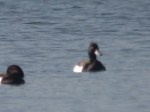
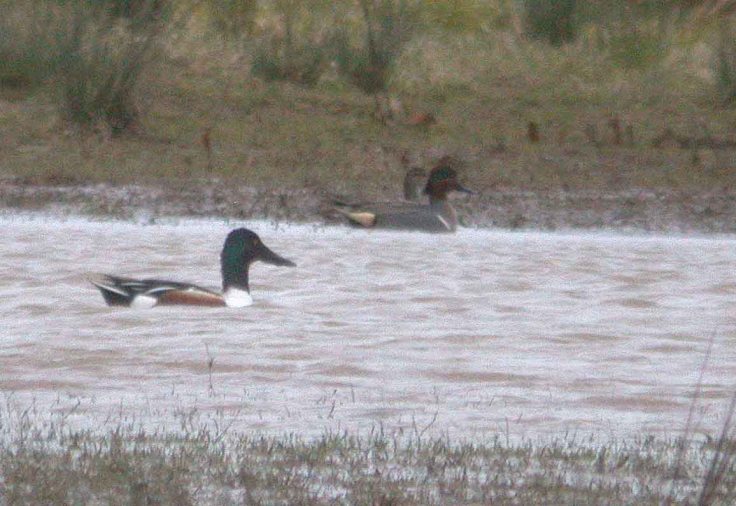
30 May 2009 You cannot beat England on a day like today. An early start out and about checking out a few local sites to home, I was rather surprised to still find Nightingale in full song at Frampton on Severn. An interesting aythya hybrid was also present with the Tufted Duck (30) on Townfield Lake. It was reminiscent of Lesser Scaup but had a look of Ring-necked Duck about it. Closer views would help.

Aythya hybrid

30-may-2009-pied-fly-and-aythya-hybrid-coolpix-mjmcgill-003

30-may-2009-pied-fly-and-aythya-hybrid-coolpix-mjmcgill-011

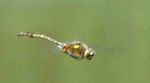
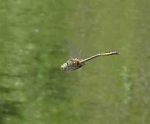
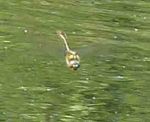
Later in the day I headed for the Forest of Dean with NRS, we had a great morning to 1330 with 50 Four spotted Chaser, 5 Broad-bodied Chaser, male Emperor, Downy Emerald, 500 Large Red, 150 Azure, 10 Common Blue and 5 Blue-tailed Damselfies. Garden Warbler, Tree Pipit, 5 Willow Warbler, Siskin with young and singing Pied Flycatcher were also noted.

‘It’s art innit’  Pied Flycatcher, Cobweb and Ancient Oak 
Forest of Dean
30 May 2009 M.J.McGill

copy-of-30-may-2009-pied-fly-and-aythya-hybrid-coolpix-mjmcgill-0451

Downy Emerald, Forest of Dean, 30 May 2009  MJM

30-may-2009-lumix-mjmcgill-02330-may-2009-lumix-mjmcgill-02630-may-2009-lumix-mjmcgill-022

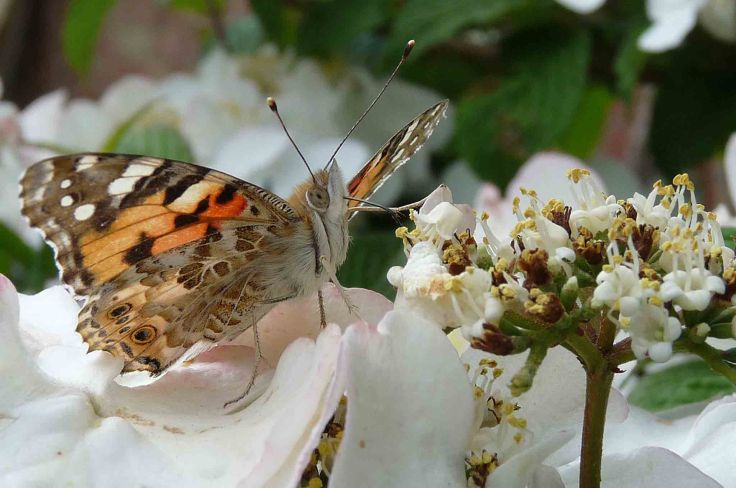
Painted Lady in my garden M.J.McGill

30-may-2009-lumix-mjmcgill-010

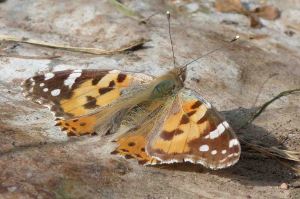
26-29 May 2009  My first Azure Damselfly for the garden plus an unidentified drag sp. The undoubted highlight has been the Painted Lady invasion. Today (28th) I noted over 2000 at WWT. In 15 minutes I watched 0ver 300 pass me in the Big Pen with over 200 seen crossing the A38 on the way home to Whitminster, only a 12 minute journey, spectacular insect migration. I even had one in Tesco this afternoon.

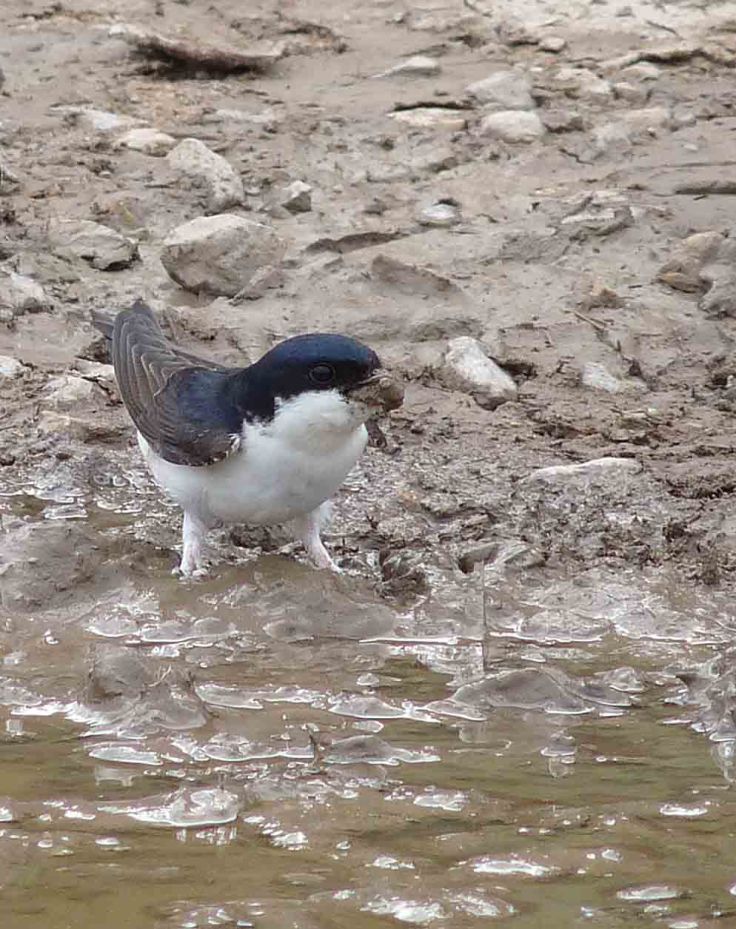
House Martin collecting mud, 25 May 2009 MJMcGill

copy-of-21-27-may-2009-lumix-mjmcgill-023

26 May 2009 Very little in the way of migration but the breeding birds at WWT are as ever very entertaining. Large numbers of Painted Lady butterflies (c300) noted about the reserve today.

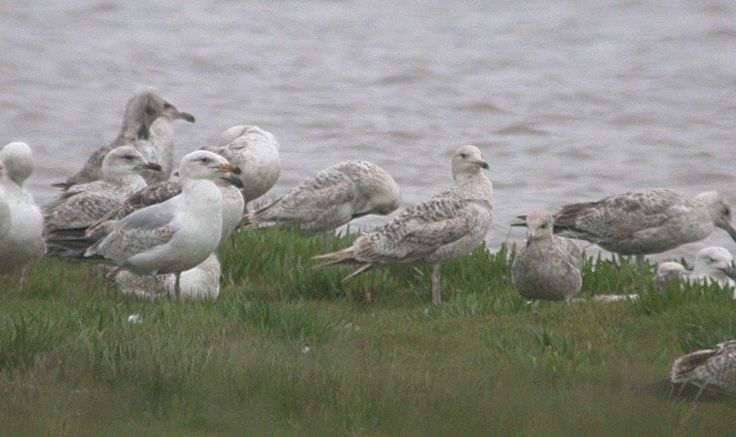
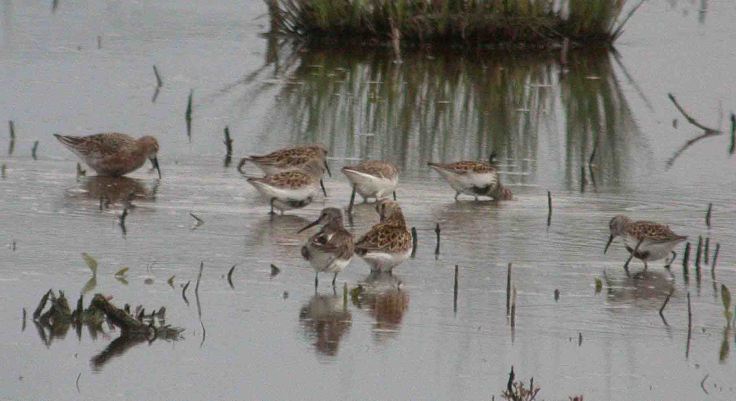
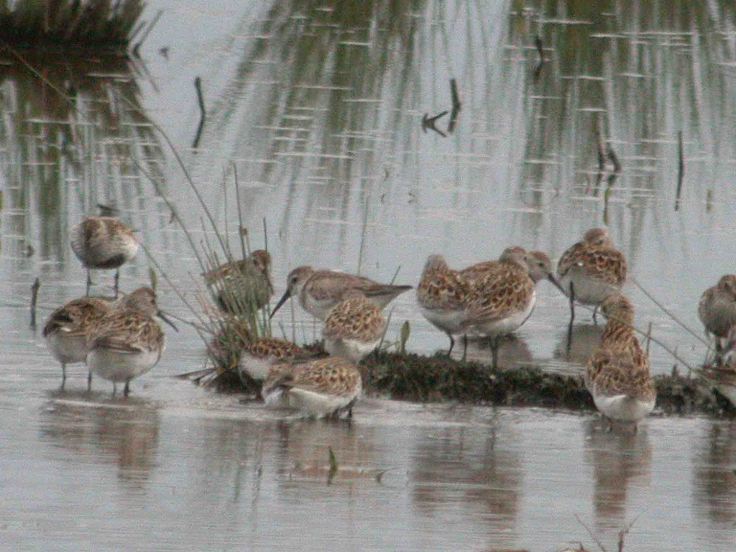
25 May 2009 Some migrants around WWT Slimbridge with 3 Ringed Plover, 2 Whimbrel, c18 Black-tailed Godwit, 27 Dunlin and 3 Sanderling. A second summer Yellow-legged Gull (not pictured)and a first-summer Herring Gull with white wingtips were interesting. I noted c70 Painted Lady butterflies with seven sightings in my garden at dusk.

21-27-may-2009-coolpix-mjmcgill-156

21-27-may-2009-coolpix-mjmcgill-159

22-24 May 2009 Back in Glos tonight after a weekend away on Anser tour to Norfolk, the best Norfolk trip I have ever known with amazing birding. More details and trip report with some amazing observations will follow this week. One interesting migration observation which was apparent yesterday and even more so today was the arrival of thousands of Painted Lady butterflies. I mentioned it to NRS who had also noted it. I reckon that I saw over 600 over the last 24hrs with most today, all seen on my travels around East Anglia. They were all worn and simply flypasts but impressive all the same. On checking tonight reports of 100 an hour in off the sea at Beccles gives some idea how many are involved, Severn Beach had 5 today and more reports are due to follow for sure. Sadly, at least two ended up on my windscreen. Good to see 3 bat sp hawking feet from my home this evening.

18-21 May 2009 Best at WWT fore me was the 53 Black-tailed Godwits, most are 1st summers but at least 7 adults.

17 May 2009 At WWT only the, 1 Barwit, 6 Curlew, 18 Dunlin and 2 Ringed Plover noted off Middle Point with 6 Sanderling and a single Dunlin just to the N of here. The two first summer Mediterranean Gulls on South Lake are displaying with one of them goung through a change in bill colour, now deeper red.

16 May 2009 Only an hour out and not a lot to report. 200 Swift over the small copse at Saul Warth the highlight. Only 15 small waders seen in flight over the estuary, DBP reports that they have all departed.

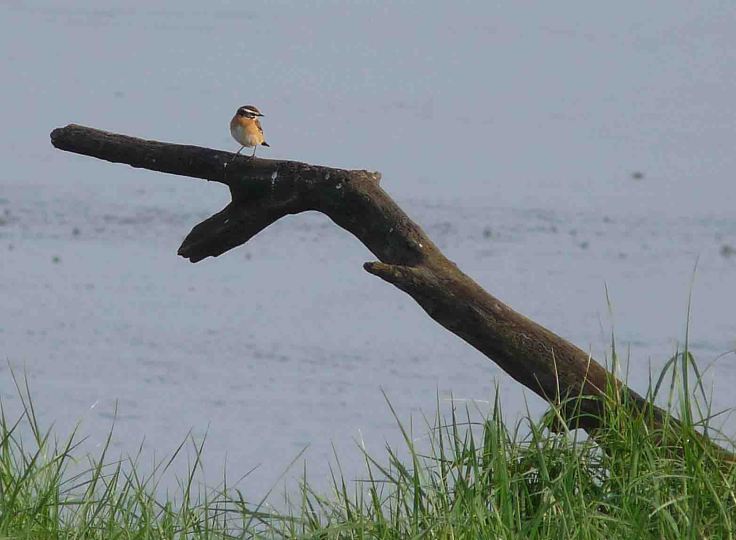
15 May 2009 A couple of hours at Middle Point saw more excellent wader watching, 280 Dunlin, 190 Ringed Plover, 6 Barwit, 5 Knot, 15 Sanderling, 2 Grey Plover and 2 Turnstone. A male Whinchat was also nice as was an adult Kittiwake looking somewhat lost.

14 May 2009 What a spectacular day!

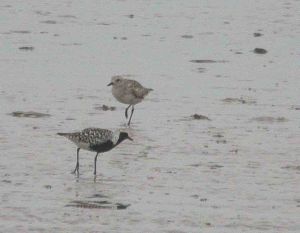
Breeding and non-breeding plumage Grey Plover MJM

14-may-2009-pomarine-skua-coolpix-mjmcgill-0131

At WWT I headed for the 100 Acre first. Lots of birds were singing due to the still, calm start to the day. It was shrouded in a heavy mist but not that cold. One of the first birds of the day was a Great White Egret (undoubtedly the bird John Phillips saw the day before at Lydney) which was fishing in a pool. After a while it flew to another pool nearby which is adjacent to Splatt N reedbed and fished for 20 minutes before returning to the 100 Acre. It was seen a little later heading for Saul Warth.

Great White Egret, WWT 100 Acre /Splatt area 14 May 2009 MJM

copy-of-14-may-2009-lumix-mjmcgill-09614-may-2009-pomarine-skua-coolpix-mjmcgill-00914-may-2009-pomarine-skua-coolpix-mjmcgill-010

A Cuckoo was singing and the still weather allowed me to start a count of the singing warblers on site. My second surprise of the day was a pair of Pochard, very late or lost migrants, unusual for mid-May. By 1330,  I had logged 117 singing Reed Warbler, 23 Sedge Warbler, 10 Chiffchaff, 8 Blackcap, 1 Lesser Whitethroat, 4 Common Whitethroat, or first Willow Warbler for two weeks, and best of all a Garden Warbler (rare here in Spring and I cannot recall hearing a singing bird at WWT before) and a selection of commoner species. It was clear that a large gull (Herring/LBB) passage was still in force, I estimated 25 birds a minute until 2.00pm at least but was not watching continously through the day. At least 250 Swift went through early with 1500 Swallow estimated during the day. Some Sand and House Martin were also involved. A first summer Mediterranean Gull was among the Black-headed Gulls on the Top New Piece and 2 Greenshank and a Reeve added to the interest. As did a Greenshank and 12 Black-tailed Godwit on South Lake as I drove by.

At high tide I headed out to check the estuary as a large number of waders were about, it was not dissapointing. 9 Grey Plover , 9 Bar-tailed Godwit, 15 Sanderling, 4 Knot, 2 Turnstone were among the stock waders of 160 Ringed Plover and 200 Dunlin. Seeing breeding plumaged birds is always one of the highlights of  each Spring. A pair of Whinchat had also arrived at Middle Point. At lunchtime (1345)  I headed out to the estuary where the gull passage was still on, what had gone through whilst I was not watching? A short wait and I soon had a dark phase Arctic Skua making it’s way across the mud and sand. I followed it all the way up the estuary, it stalled over a crow with it’s food but doubled it’s speed when over the water. To my surprise it settled on a sand bar and was joined and dwarfed by a pale phase skua next to it. Could it be, ten years of intense searching for the magic Pom in the Upper Severn in Spring, too far to confirm, I had to get closer so I headed up river to gain a better view, not believing. Checking again, no sign but after 5 minutes I found the pale bird, it was sitting in the water, it showed the right head pattern and I could see what appeared to be tail spoons when zooming up with the Swarovski. It soon took flight, made a few circles before it floated back downriver past me giving glorious views of it’s, as the Severnbeachboys put it,  ‘full set of cutlery’. It was a fully adult Pomarine Skua. I radiode’d and started to ring people but lost the bird whilst doing this, my phone died and along with NRS and DBP who had arrived could not relocate it, the weather had closed in again. I went back to the digger with a big smile and finished the project I was working on. At the end of the day at 1700 I went back to the office, after updating the WWT website I headed out with DBP and NRS to search for the birds again but visibility, weather and low tide had beaten us. We sifted through and counted the marvellous waders on show. I had seen a male and female Wheatear to add to the day tally. I left for home at 1840.

Adult pale phase Pomarine Skua WWT Slimbridge M.J.McGill
14 May 2009

copy-of-14-may-2009-pomarine-skua-coolpix-mjmcgill-051

copy-of-14-may-2009-pomarine-skua-coolpix-mjmcgill-053

copy-of-14-may-2009-pomarine-skua-coolpix-mjmcgill-045

Sedgies in the Sunny and during overcast conditions MJM
Great birds whatever the weather. See following two images

copy-of-14-may-2009-lumix-mjmcgill-093

copy-of-14-may-2009-lumix-mjmcgill-095

13 May 2009 I will update with images later in the week but some migration was in evidence today at WWT/The Severn. I noted a Reeve, 4 Greenshank, 4 Red Knot, 2 Bar-tailed Godwit, 28 Black-tailed Godwit, 70 Dunlin, 45 Ringed Plover and large numbers of hirundines.

10-12 May 2009 A busy period at work with safari’s, dawnchorus and a photo safari but some nice results.

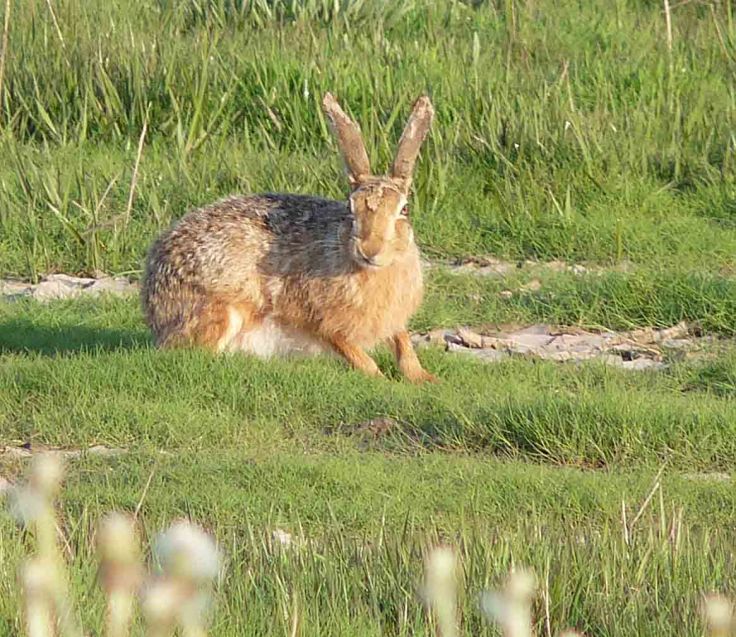
Smirking Brown Hare MJM

copy-of-14-may-2009-lumix-mjmcgill-036

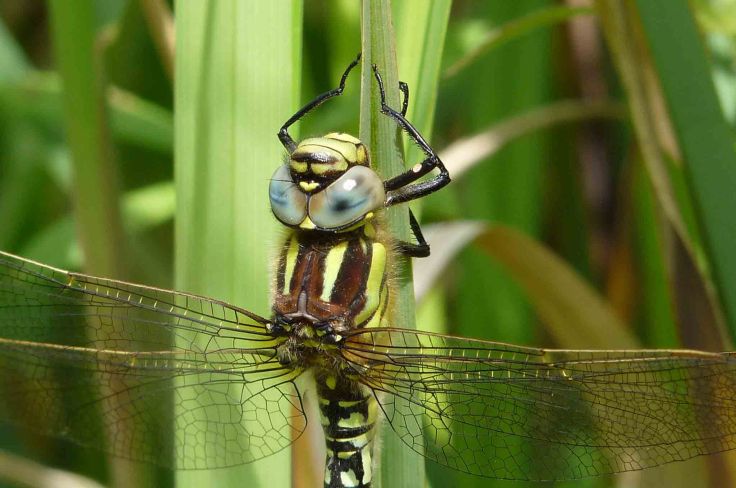
Male Hairy Dragonfly MJM 10 May 2009

copy-of-14-may-2009-lumix-mjmcgill-084

Little Egret MJM

14-may-2009-lumix-mjmcgill-070

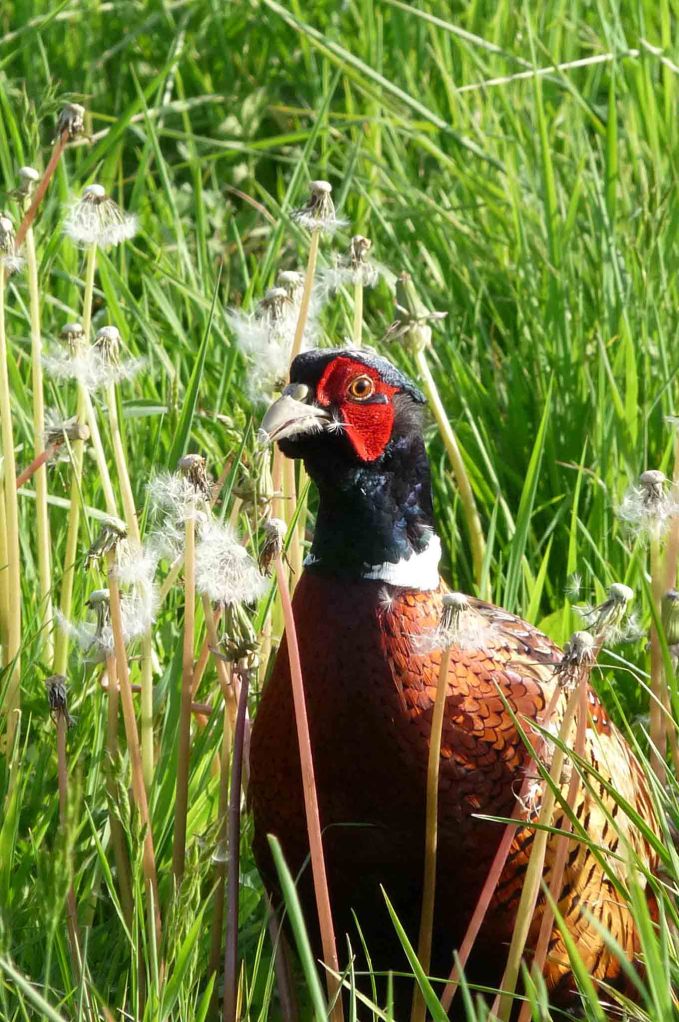
Dandelion eating Pheasant MJM

copy-of-14-may-2009-lumix-mjmcgill-056

Sibling or road kill eating Fox cub MJM
Still cannabilism…

14-may-2009-lumix-mjmcgill-066

9 May 2009 No birding today.

8 May 2009 Out at 0530-0800 and 1115-1210 where a pair of Whinchat, 70 Dunlin, 5 Ringed Plover, 11 Sanderling, a Whimbrel and 2 Little Terns were the best birds today on the Severn. Two Common Sandpipers at Splatt Bridge were nervous but gavegood scope views as they were flushed by walkers every few minutes but were succesfully harvesting insects on the towpath. A Common Tern on Townfield Lake was eclipsed by a group of 9 Dunlin (scarce here). My hoped for skua/tern passage did not happen in the Upper Severn but Severn beach birder Paul Bowerman yet again watched an Arctic and Pomarine Skua head over the Second crossing into Gloucestershire this morning. An evening watch for three hours produced 3 and 13 Whimbrel N.

7 May 2009 My first Azure Damselfly of the year, 50 Blue-tailed Damslefly, 20 Common Blue, 30 Large Red and 3 Red-eyed Damselflies too. The latter was seen on the 4th. 61 Dunlin and 4 Ringed Plover in the WWT Top New Piece was encouraging.

6 May 2009 A breeding plumaged Golden Plover in the WWT 100 Acre was the highlight.

5 May 2009 Another dead day on the River Severn (except for 300 lovely Shelduck) and very few migrant passerines, a new Wheatear, another pair of Yellow Wagtails and a male showing territorial behaviour at a new site. I watched two or possibly three males fighting in mid-air yesterday with at least 3 possibly 4 birds present.  It would be nice to see this species doing well locally after the declines of recent times. They go so well with Cattle and marshes. Sedge and Reed Warbler and Common and Lesser Whitethroat seem to be taking territories in all sutiable habitat. A Cuckoo was singing at the South Finger. I also noted a Fox with a Shelduck in it’s mouth this afternoon.

Male Northern Wheatear at WWT MJMcGill
A poor Spring for this species for me, much less than I normally see with less than 20 individuals noted locally so far.

5-may-lumix-2009-mjmcgill-015

4 May 2009 Some new birds and passage around the Severn. I logged 3 Whimbrel, a Wood Sandpiper, Curlew Sandpiper, Spotted Redshank and Greenshank joining the Dunlin, Redshank and Lapwing on the Top New Piece, WWT. A total of 70 small waders were about the estuary but all were Dunlin or Ringed Plover.

3 May 2009 Some new insects for the year today with Common Blue Damselfly, lots of Blue-tailed and Large Red Damseflies and good views of female Hairy Dragonfly at WWT.  New birds included another Curlew Sandpiper on the Top New Piece at WWT and the Garganey was still present.

Female Hairy Dragonfly seen on WWT safari M.J.McGill.

1-may-lumix-2009-mjmcgill-036

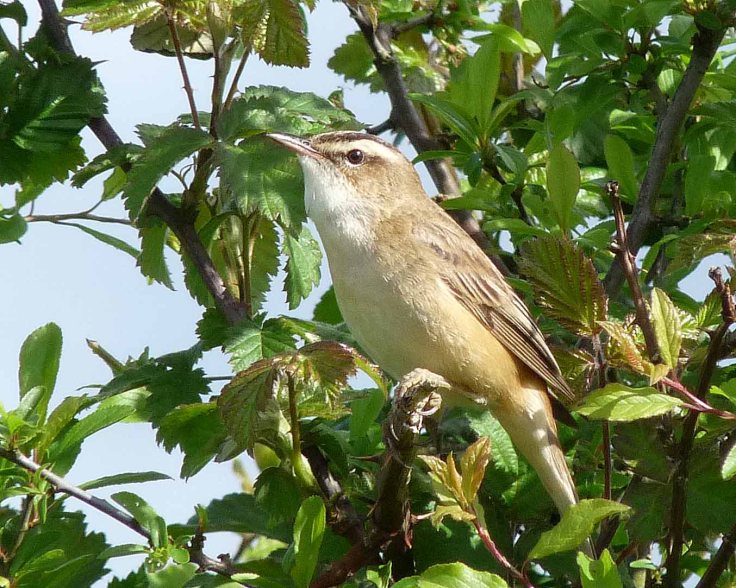
Sedge Warbler WWT. Larger numbers on territory this year in response to habitat tweaking M.J.McGill

1-may-lumix-2009-mjmcgill-029

2 May 2009 Only gardening so far today, wish I was scoping a Collared Fly! Lots of Glos birders have been to see it so far but not me.

1 May 2009 A look at Frampton Pools and a single Common Sandpiper and 2 Common Terns were notable, an obvious emergence of Large Red (30) and Blue-tailed Damselflies (10) was in evidence.

Anser Birding Almeria/Granada Provinces report 11-14 April 2009

I had a few days between the Anser Extremadura and Andalucia trips so I used some of the time exploring new areas and revisiting some sites I have not been to for a while. One new site produced some good birding but the Cabo de Gata area although improved by hides and protection was rather depressing due to the never ending vista of encroaching plastic greenhouses and development. There are still many great birds and areas to explore but travelling around between sites takes the edge off the birds. Our demand for out of season fruits and veg drives this industry.

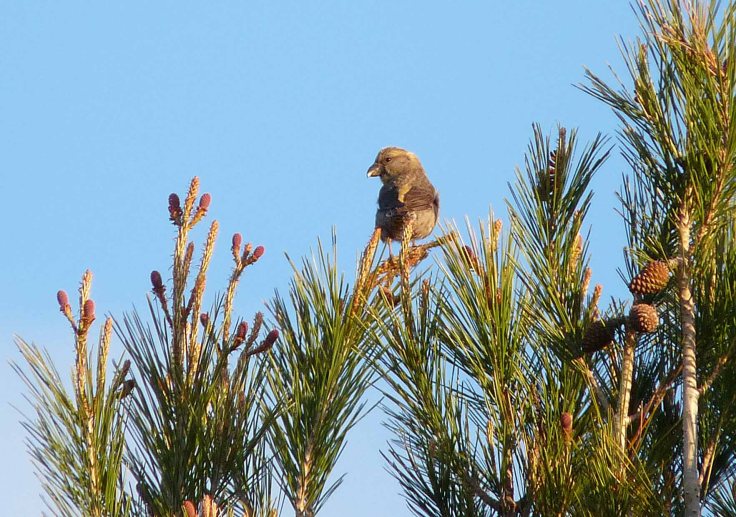
An hour at dawn in the Sierra Espuna on 11 April and I noted 7 Crossbills, Bonelli’s Eagle, Serin, Woodlarks, Crested Tits, Sardinian Warblers and a few other common species in the mountains around but found no Dupont’s Larks at dawn.

Crossbill, Sierra Espuna MJM

spain-6-19-april-2009-lumix-mjmcgill-044

I had a day off on 12 April but on the 13 April a morning at the highest point of the Sierra Nevada above Granada was very interesting, best birds were Alpine Accentor, Crag Martin, Golden Eagle and Black Redstarts. I reached c2750m by car and walked a bit higher in lovely sunshine. The views were excellent. A small herd of Spanish Ibex were of interest.

spain-6-19-april-2009-lumix-mjmcgill-065

spain-6-19-april-2009-lumix-mjmcgill-060

Gecko sp, Motril

spain-6-19-april-2009-lumix-mjmcgill-222

spain-6-19-april-2009-lumix-mjmcgill-053

Turtle Doves and Red-legged Partridge were fairly common along the Mediterranean Coast around Motril, I also saw a couple of Audouin’s Gulls at Salobrena/Nerja and a Little ringed Plover around the new motorway development. I had to be at Malaga airport to start another tour on 14th and another trip report follows.

Martin J McGill

Anser Birding Extremadura April 6-11 April 2009 trip report

Anser Birding Extremadura 6-11 April 2009 trip report


spain-6-19-april-2009-coolpix-lumix-mjmcgill-035

Black Wheatear, Cabanas del Castillo MJM


The following trip report was solely written by Chris Birdge who is one of the youngest and keenest birders to ever attend an Anser trip. He has captured the trip well in his write up and many thanks go to him for his great effort. I hope to add to the gallery so check back again. Graham and I enjoyed spending time with such an enthusiastic group of birders and hope to see everyone again in future. Enjoy reading Chris’s report as I have, I will never forget Grahams NW accent when referring to ‘young bridgey thurr’.

Martin McGill


Guides: Martin McGill and Graham Clarkson


Images by Martin J McGill, Steve Sweetnam and Chris Bridge


spain-6-19-april-2009-coolpix-lumix-mjmcgill-007Group

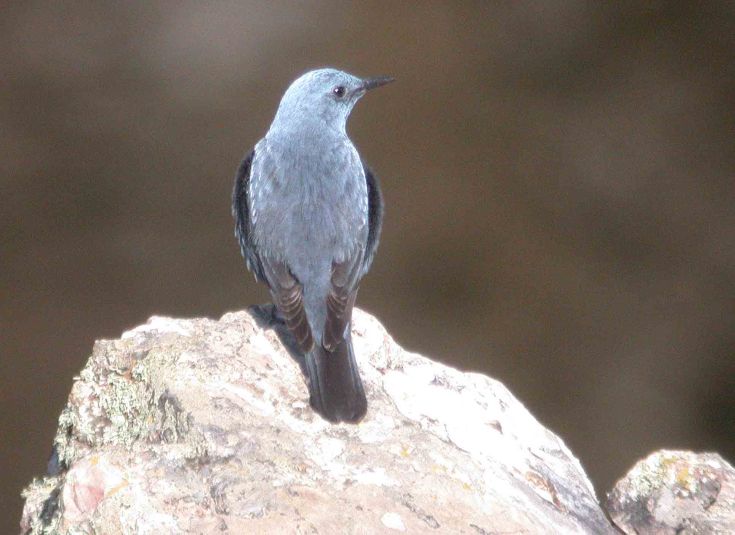
Blue Rock Thrush at Salto de Gitano MJM

Members: Christopher Bridge, Martin Bridge , Laurie Bridge, Bettie Sloane, Chris Oldershaw, Mick Brummage, Steve Sweetnam.


Monday 6th April


After everyone had met up at Bristol Airport outside Terminal one at around 3pm and we had all introduced ourselves to everyone within the group, we checked in our bags and caught an early evening flight to Madrid. After a stress-free flight, we found our 9-seater minibus and headed off to our hotel in Jaraicejo called Hotel Rural Montefragoso. Raul runs the hotel. Our room keys were then given to us and we all retired to our rooms after a hard days travelling. We agreed on a time for breakfast and everyone could not wait to get out birding the next morning. 


Tuesday 7th April


An early 7am breakfast was decided so to make the most of the coming day. Breakfast consisted of ‘coffee con leche’ or ‘coffee sin leche’ small slices of toast and a variety of sweet tasting buns and cakes. We then headed off into the bird- rich extramaduran landscape.


The first major bird we saw was a Roller spotted by Martin McGill on a distant fence line on the way to Zorita and we all enjoyed lovely views of this bird even though a heat-haze was present. I took a few photos of the Roller but they were too blurry to put on the report. Around us, Calandra and Crested Larks sang from every available perch.  Before we reached Campo Lugar, we stopped off along the way on a dirt track and found a small flock of Red Avadavats, a singing Nightingale and a Short-Toed Eagle flew over.
 

spain-6-19-april-2009-lumix-mjmcgill-002

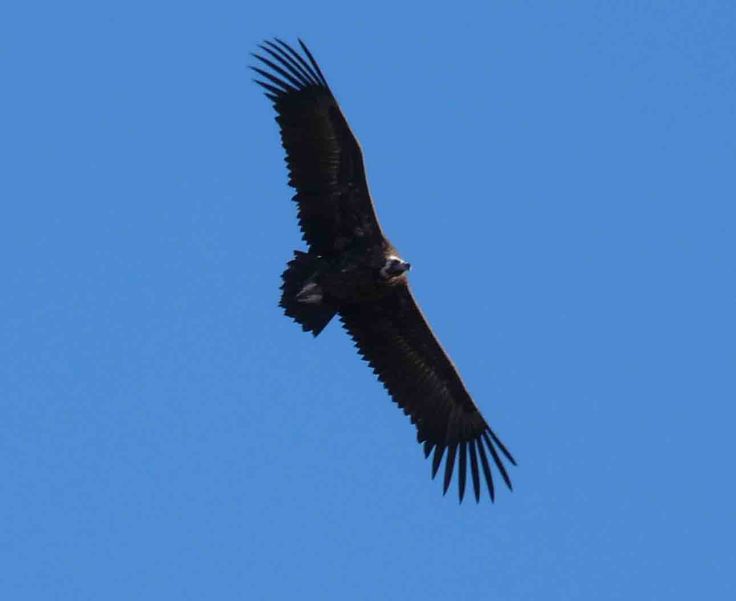
Black Vuture, Campo Lugar MJM


Our first stop was to Campo Lugar and as soon as we pulled off the road into the first available lay-by Martin McGill spotted a group of eight Great Bustards feeding on the edge on a fence line only 300 metres or so away from us. A flock of about 15 Black-bellied Sandgrouse then flew over with their bubbling calls being heard. 


These birds were the first of the trip and were enjoyed by all and a few members of the group did a bit of digi-scoping on the bustards. A pair of Red-Rumped Swallows sat on a fence behind us. A few minutes later, a superb Griffon Vulture floated straight over our heads followed shortly after by a Black Vulture. Over the far fields across the road, Graham spotted a male Montagu’s Harrier, which elegantly floated over and disappeared over the next line of fields. On the fence lines around us; Corn Bunting, Woodchat Shrikes and Crested Larks sang and flew up and down enjoying themselves in the morning’s sunshine. Shortly after Graham picked out two Stone Curlews that were lying down under the nearby Cork oaks and as if this couldn’t get any better, a couple of Azure-winged magpies hopped around on the floor behind them. A dozen Bee-eaters flew through over our heads and everyone enjoyed these spectacular birds. A Zitting Cisticola took flight from a stretch of reeds right next to us and flew off further down. A couple of Southern Grey Shrikes were also seen throughout the day as well as some Woodchat Shrikes. 


After a superb start, we then moved onto our next site, which was to be Madrigalejo in search of one of the prized extramaduran birds, the Black-Shouldered Kite. As soon as we arrived at the site Graham Clarkson spotted a Black-shouldered Kite and we all enjoyed a couple of minutes with this bird as it hovered effortlessly just like a kestrel with sharp wings and beautiful markings on its face, it then flew over to other fields and disappeared over the horizon.


Our next stop was to Embalse de Sierra Brava, which is a large reservoir. At this site, four Red- crested Pochard, Great-crested Grebe, Little Grebe, Cormorant, a Shoveler and quite a few Yellow-Legged Gulls and Lesser-Black Backed gulls were seen. A few Lesser Kestrels hovered over the hillside and I found two flocks of Spoonbills; a flock of six and four which were clearly on their migration flying extremely high over. It was now early afternoon so we headed off back on the road to Campo Lugar and then through the town of Trujillo, which has a large population of Lesser Kestrels breeding and on to Embalse de Caceres. At the site we had; 360 Cattle Egrets, 4 individual Great-Spotted Cuckoo, Booted eagle, our first Red Kite, Black kites were everywhere, Sand and Crag Martins, Swallows and a few Common Swifts.
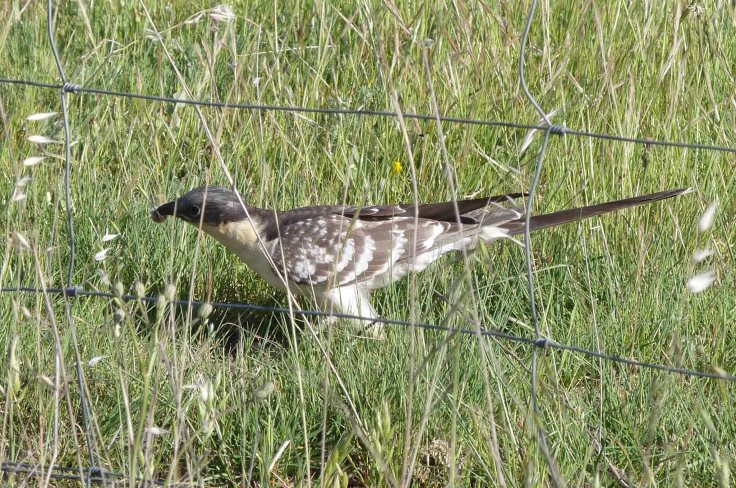
spain-6-19-april-2009-lumix-mjmcgill-021

Great Spotted Cuckoo, Embalse de Guadiloba Steve Sweetnam


It was now around 6pm, so we headed back to Jaraicejo driving towards Talavan where we had a dead Genet on the side of the road and a superb Stag Red Deer near to Monfrague. On the drive home, four individual Rollers were seen, two different pairs. Our meal in the evening was very nice and afterwards a few us enjoyed a couple of with ‘una cervecas’.


Wednesday 8th April


Breakfast was the same time this morning at 7am and we were out of the hotel before 8:15. The targeted destination for today was the Monfrague Nacional Parque. Along the way, Spotless Starlings and Woodchat Shrikes were seen on several fence lines. Our first stop was Sanctuario de Monfrague where we had some fantastic birding. A pair of Cirl Buntings sang from nearby telegraph wires, Serins sang in the surrounding trees with their characteristic song resembling the jangling of keys and a couple of Hawfinch flew over, a Short-toed Treecreeper sang from a tree and a male Rock Bunting sang and hopped around below us, not more than 5ft away. Graham Clarkson then spotted two Otters that were running along the shoreline below us and everyone enjoyed views of these animals even though they were albeit distant. A few Griffon Vultures glided effortlessly over us. I spotted a pair of Black Wheatear but they were too distant for anyone else to get on to.


serin


red-rumped-swallow

Serin and Red-rumped Swallow, Salto de Gitano, Chris Bridge


Our next stop was to Penafalcon or otherwise called Gypsy’s Leap. Here there were loads of Griffon Vultures soaring around the cliffs accompanied by the odd Egyptian and Black Vulture. A couple of Peregrine Falcons glided around the edge of the cliff faces calling to one another and numerous Black kites floated through the valley. The rare breeding Black Stork was apparent with one nest that was spotted by a member of the group. 
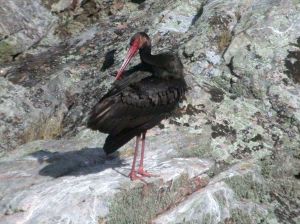
 

spain-6-19-april-2009-coolpix-lumix-mjmcgill-010

Black Stork at Salto de Gitano MJM


Crag Martins flew around the cliffs and us, whilst a few Bee-eaters flew over. Then all of a sudden Graham Clarkson spotted a Spanish Imperial Eagle, which flew over one of the ridges, everyone was able to get on to the bird and good views were obtained. Throughout the day Spanish Imperial eagles were seen and we had about 6 individuals with one bird during the day that was spotted by myself which gave us a bark, presumed calling to its mate somewhere on a nearby nest site and brilliant views were obtained of this bird.
spain-6-19-april-2009-lumix-mjmcgill-046


spain-6-19-april-2009-coolpix-lumix-mjmcgill-0191

Imperial Eagle in Monfrague MJM

We then moved onto the bridge over the Rio Tajo where we had two Green Sandpipers calling and bobbing around on the rocks below us. Graham spotted a Golden Eagle and this bird looked to be an immature. The bird showed for a few minutes and disappeared over a nearby ridge. As we looked up to the skies, a flock of 15 or so Alpine Swifts called and flew around us whilst Crag Martins, Swallows and Red-Rumped Swallows zoomed around the neighbouring bridge and over the river. House martins were aplenty.


After a superb mornings birding, we headed off to Villarreal de San Carlos for a lunch stop. A few of the group had Jamon and Queso bocadillos, {Ham and cheese sandwich}, a few people went and had their lunch sat in the nearby orchard. Whilst enjoying our lunch a few Griffon Vultures drifted over and a Short-toed Eagle flew through. A pair of probable Bonelli’s eagles were spotted by Graham but were very distant; ‘we would have to pray for better views than that’. In the tree outside the café, a pair of Goldfinch had built a nest and the female was now sat on the nest incubating the eggs. After about an hour’s lunch stop, we then headed off around the corner to a site where Martin McGill had seen Black-eared Wheatears on previous trips. Driving further on still in the parque, we came to the designated site and sure enough as soon as we stepped out of the minibus, there was a male Black-eared Wheatear sat on top of a tree guard singing its little heart out. We watched this bird for a good fifteen minutes before it disappeared over into the surrounding dehesa. A couple of Crested Larks sang and Martin McGill picked out the song of Woodlark and Short-toed Lark, good views were had of both species.


spain-6-19-april-2009-lumix-mjmcgill-049

Griffon Vuture, Penafalcon MJM


We slowly moved on to the dam where we hoped to see Rock Sparrow but we could not find any. We did have fantastic views of Black Kite and a very close light-phase Booted Eagle flew over. A Green Sandpiper pottered around on the rocks below us. After not seeing much here, we moved on to Tietar Cliffs where we had some more memorable birding experiences. A male Subalpine Warbler flitted among the bushes below us and gave brief views. Serins, Red-Rumped Swallows, Crag Martins, Blue Rock thrushes and a couple of Blue Tits flitted around the cliffs below and behind us. In addition, at Tietar Cliffs a pair of Spanish Imperial Eagles floated over the ridge and gave fantastic views of their white flashes on their shoulders.


Amazingly, Martin Mcgill had found an Eagle Owl nest and called us over one by one so not to attract the attention of the other birders and to decrease the risk of nest disturbance. This nest was extremely hard to find because a tree was obscuring it. Sat on the nest was a fluffy youngster and a short, but clear movement just to the right signalled that the adult was sat just to the right of the nest but she was also obscured.


Griffon, Egyptian and Black Vultures were aplenty on the cliffs and Black Kite flew through in small numbers. On the way back to Gypsy’s leap a pair of Red-legged Partridge were seen by the side of the road. Other birds seen throughout the day included: two Chough, calling Common Cuckoo, plenty of Black Redstarts, a few Ravens, the odd Meadow Pipit and lots of White Storks.


Back at the hotel, we enjoyed a lovely meal with ‘una cervecas’ and another great days birding in extramadura!


Thursday 9th April


Today, we were going to target the steppe species of Extramadura. We had our breakfast at the usual time, got all our stuff ready and met everyone outside the hotel and piled into the minibus with the excitement of seeing some fantastic steppe species. We followed the road to Santiago del Campo and the first bird that was spotted was a superb male Little Bustard. We watched this bird for a couple of minutes before it took off into the surrounding steppe fields and never to be seen again, but before it took off it displayed for a couple of minutes and was showing us its characteristic ‘farting’ display noise. Throughout the day there were more Little Bustards seen and by the end of the day we had seen about five.


little-bustard

Little Bustard, Cuartro Lugares Chris Bridge


As well as little bustards, we also saw good numbers of Great Bustards throughout the day and some birds were really quite close to the minibus.
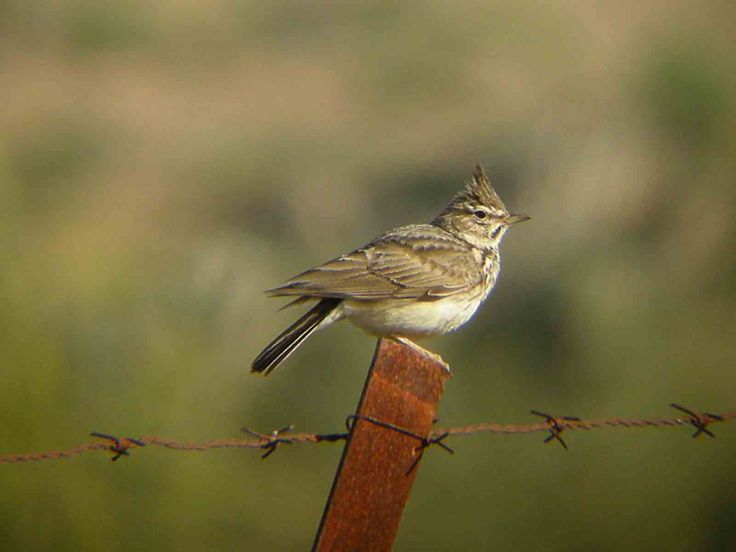
thekla

Thekla Lark, Cuartro Lugares Chris Bridge

Throughout the area, there were numerous lark calls and we were able to pick out all species, except Woodlark. Crested, Thekla, Calandra and Short-toed larks were abundant. A couple of Montagu’s Harrier floated over the fields with the odd Griffon Vulture moving through. The odd Black and Egyptian Vulture were also seen.
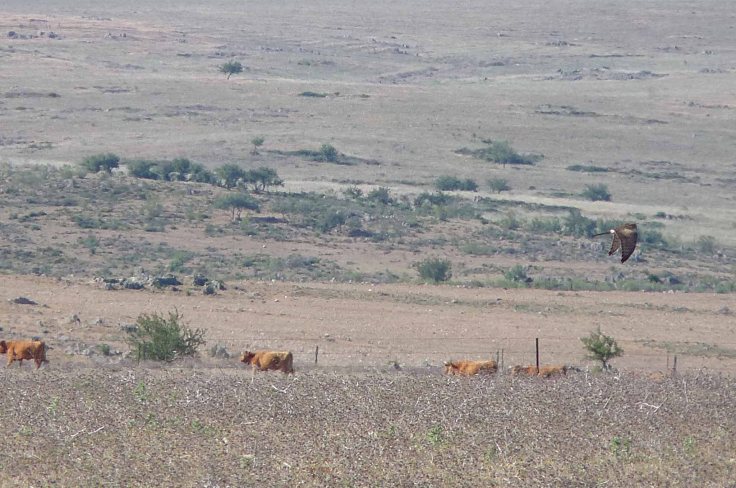
 

spain-6-19-april-2009-lumix-mjmcgill-029

Female Montagu’s Harrier MJM

As for the sand grouse, well……………. We were lucky enough to find a pool that the sheep were using as their drinking pool and coincidently so were the sand grouse but unfortunately, they were just out of view for us. At this watering hole, as it were we saw small numbers of Black-bellied Sandgrouse, with their bubbling calls giving them away when they took flight. Throughout the day, we kept on seeing the Black-bellied Sandgrouse but no Pin-tailed Sandgrouse. Not until later on that is when we all went for a walk along the road and Martin McGill was able to pick out the call and 4 Pin-tiled Sandgrouse flew over calling, unfortunately that was the only sighting of that bird throughout the whole day! 15 Cormorants were also spotted by Martin Bridge in the far distance, presumed on their migration because they were flying considerably high.


Short-toed Eagles and Booted Eagles were in the skies as well as quite a few Common Kestrels and Black Kites. White storks flew over regularly and Southern Grey Shrikes and Woodchat Shrikes were apparent on the surrounding fences and small bushes.
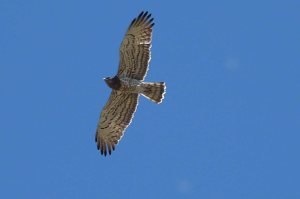
spain-6-19-april-2009-lumix-mjmcgill-041

Short toed Eagle, Monfrague NP MJM

spain-6-19-april-2009-lumix-mjmcgill-011

Pale phase Booted Eagle, Embalse de Guadiloba MJM


We then moved off onto another site and carried on along the road towards Hinojal and Talavan and then on towards Embalse de Talavan. At this site, we had our first two Black-winged Stilts of the trip and a couple of pairs of Great-crested Grebes plus the odd Little Grebe. A couple of Grey Herons were sat around the edge of the lake and Mallard and Gadwall were aplenty. Graham Clarkson then spotted two Teal, {only birds of the trip}. Two Little-ringed Plovers were also on the mud next to the small reed bed on our left, which are always nice to see. Coot and Moorhen were also abundant here.


A large party of Spanish Sparrows were present on the surrounding fields and Eucalyptus trees. A Few Spotless Starlings were about and White Storks sat on their nests, a member of the group Chris Oldershaw was photographing the storks on their nests and got some good, close-up shots.


Before getting to our next site, we stopped off on the road to have a scan for Bonelli’s eagle and sure enough, Graham Clarkson spotted two birds on the far side cruising along the ridge. They slowly climbed higher and higher into the sky, they then dropped slightly and slowly made their way over to our side from where we were watching them and soon disappeared over the ridge and never to be seen again. All members of the group saw the birds and we were all happy with seeing good views of a now critically endangered species. 


We then grabbed some lunch and drove past Jaraicejo to Retamosa and on to Cabanas del Castillo. This site was to prove very productive.

Blue rock Thrushes, Serins, Black Redstarts and all manner of hirundines were aplenty. Blue tit, Great tit, Chaffinch, Goldfinch, Greenfinch, Blackbird and a few Long-tailed Tits were about with the odd Wheatear and Black-eared Wheatear. A single Mistle thrush was seen in a field below us.


However, the other good part of this location was the two Black wheatears that we found hiding out in a stony sheep field below one of the crags. We had found a pair and enjoyed watching them for a good fifteen minutes before they disappeared over the wall. Some of the group tried to digiscope them including myself, but the light was all wrong so we moved on. A Buzzard and a Sparrowhawk were then spotted from the minibus.


Throughout the day, about 30 Bee-eaters were seen and about eight Hoopoes. Two Choughs were also seen up on the crags.


We then headed back to our hotel in Jaraicejo and on the way we saw a Mongoose run across the road and as we approached the site where it had crossed we saw it again right by the side of the minibus where it ran back into the bushes.

We all had a lovely meal in the evening which consisted of pork and chips, a reminder of the food we could look forward to when we get back home and of course a few of the group stayed at the bar and had a few ‘cervecas’. At about 8pm, the regular procession took place in the square, which involved the birth of Christ because it was Easter and some members of the group gathered outside to watch it, camera in one hand and a pint in the other. What an end to another superb day!


Friday 10th April


Today was our last day in extramadura so we had our breakfast at the usual time and met downstairs quite quickly. We said our goodbyes and thankyou’s to Raul who looked after us for the whole 5 days; so many thanks go to him. We then piled into the minibus and headed off back towards Hinojal and Talavan in search of more Pin-tailed Sandgrouse and the chance of seeing them but to no avail. However, we did see about 15 Black-bellied Sandgrouse, which were very nice being abit closer in flight than the other birds we had observed during the week. We also saw about 8 Little Bustards which were all males and a few more Great Bustards, these birds were thoroughly enjoyed by all the group and the last birds we saw being the best yet because there were only a couple of hundred metres from us.


As we had another scan around, I found two Collard Pratincoles zooming over a nearby field. They soon came lower and lower and headed towards us and came right in front of the vehicle, soon after we had witnessed abit of migration as about 30 or so birds were now sat on this field to our left feeding on the insects and having a long awaited rest.


Corn Buntings sang from every available perch with the odd Linnet flying over, a couple of Ravens flew over and a few Southern Grey and Woodchat Shrikes were perched on the fences. A Little Owl was perched on the side of a building, which was spotted by Mick so very well done to you.

We then headed off and drove through Monfrague and saw Mistle Thrush, Black Redstarts, Stonechats, Wheatears, White wagtails, Hoopoe’s, Bee-eaters, 3 Stock Dove, 1 Turtle Dove, Red-legged Partridge, Kestrels and a few Griffons.


Scanning around for Bonelli’s Eagles again, I just happened to look up and immediately shouted ‘Bonelli’s Eagle up there, 2 of them’ and sure enough I was not wrong and we watched these birds for about ten minutes whilst they glided over our heads and headed over to the other side of the valley. These birds were clearly identified by myself stating the long tails and long wings and the diagnostic white patch on the back as well as the white on the under belly. There you have it two Bonelli’s Eagles, a critically endangered species these days due to the disturbance of rock climbers at or near their nest sites right over our heads. Mega!!!


After having a great mornings birding we headed off for the exciting aspect of what we would see at Embalse de Arrocampo Almaraz. As we arrived a Zitting Cisticola took flight out of the reed bed and numerous Corn Buntings and Stonechats made their presence clear. On the lake, Little and Great crested Grebes could be seen, Little egrets and a beautiful Great White egret on the Far side. Purple Herons were obvious with several seen first thing and after half an hours birding, we had seen about five of these beautiful herons. This site is very good for these herons and every bird we saw was taking full advantage of the reed beds searching for small fish within them. Two Spoonbills, numerous Gadwall, Shoveler, Mallard and four Black-winged stilts were also nice to see.


Savi’s warblers soon started to sing with their buzzing sound instead of reeling and we must have had about five altogether singing in different places. Mick spotted a Great Reed Warbler on top of a reed but it soon disappeared back into the reeds due to the strong wind that had blown up over night and was causing the birding to become more difficult. Cettis’s Warblers burst out as if to scare you from the bushes with their loud and penetrating song. Three or so Spanish Wagtail’s were a nice find feeding with several White wagtails on a dirt track on the far side of Almaraz. A male Marsh Harrier floated over the back of one of the reed beds and 6 pure white marsh terns were spotted by Graham in the distance but there was no way of getting to them for a better look. {Presumed Gull-billed Terns}


Graham also spotted two Purple Swamphens on the far side but they were not very good views so we tried back round the other side and there, walking along the side of one of the ditches was Purple Swamphen spotted by Martin Bridge and it slowly disappeared into the thick, green reeds. Brief, but well worth the wait!


The time was now getting on for 3pm so we started to drive towards Madrid airport and on the way I spotted another Black-Shouldered Kite hovering in the centre of a field, then it was gone. We then stopped off at a café on the way, got something to eat or drink, and finally got to Madrid airport. We said thank you to Martin McGill for such a lovely holiday and hope to see him soon and made our way to Terminal 1. Just what we did not want a 24-hour delay, instead of flying on Friday night at 6pm, our flight was now re-scheduled for Saturday night at 6pm, so we were all abit miffed. This was due to planes air pressure system not working. We then had to find out from the easy jet desk where we were going to be staying that night and how to get there so thankfully easy jet had booked us into the largest hotel in Europe; The Hotel Auditorium! We caught taxis to the hotel and enjoyed a free meal in the evening and fantastic rooms all for free. 


A free breakfast and lunch as well, fantastic. As we all had the day to occupy ourselves, some members of the group went into Madrid to explore and see some of the sites, however myself, Martin and Laurie Bridge did abit of birding round the local area and reaped the rewards that were waiting outside for us.


Birds seen on a short walk around the surrounding area were:

White Stork, Black Kite, Red-legged Partridge, 3 Green Woodpeckers of the {sharpie race}, Crested Lark, Woodchat Shrike, a pair of Blackcaps, a Whitethroat, Willow Warbler, Chiffchaff, several Coal tits. The best bird that was found was by my dad which was a splendid male Penduline Tit. We came across this bird in a patch of wasteground, sat at the top of a small tree; it then sang its little heart out for about fifteen minutes. Luckily, this was long enough for myself to get a picture; {remember I just had my scope and my dads shoulder to take the picture with} it then flew to a neighbouring poplar tree where we presumed it had a nest!


A fantastic Extramaduran trip with many thanks to Martin McGill and Graham Clarkson for all their hard work and especially all the driving that was done.


One hundred and forty species of birds were recorded and for some people like myself got 21 Lifers out of it. A lovely and friendly group made it an extremely rewarding trip so thank you everyone and I hope to see you all on future trips.

1-30 April 2009 blog and sightings

29-30 April 2009 The month finished on the same note with a few waders appearing on the Severn on 30th. Four Grey Plover (two stunning breeding plumage birds), 4 Bar-tailed Godwit, 42 Dunlin, 20 Ringed Plover swelled the ranks. A drake Garganey was my first WWT bird of the year.
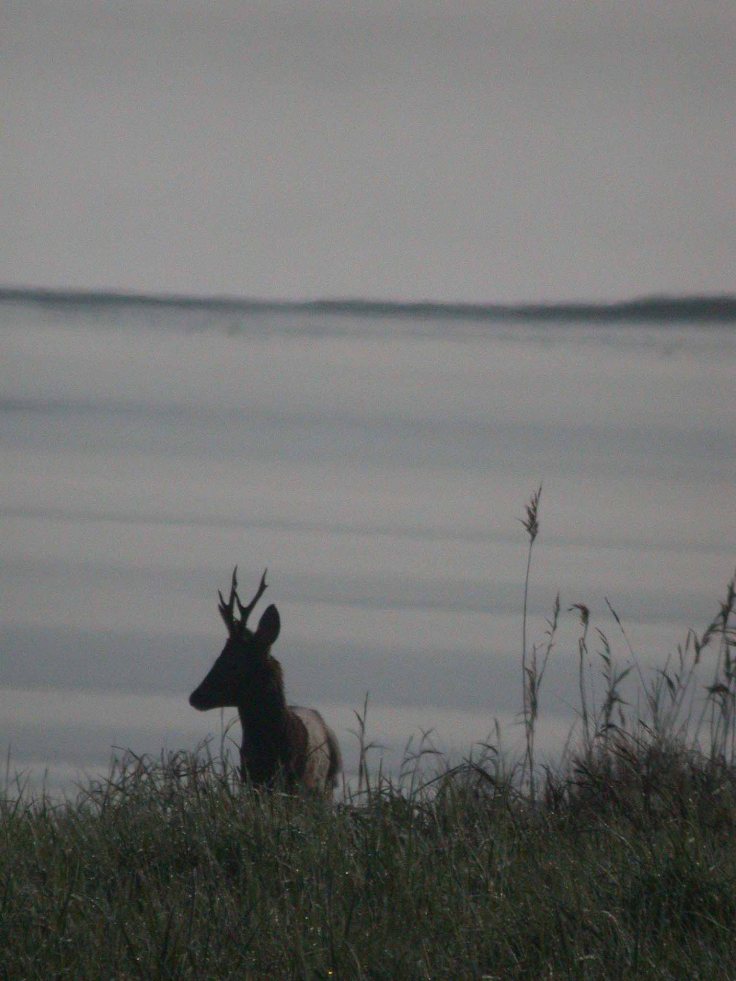
28 April 2009 A very cold morning, ice all over my car at 0600. It led to a nice sea-fog moving up the estuary later in the morning and a good backdrop for the Roe Deer at Middle Point. Very few migrants around but a nice surprise came in the form of a singing Wood Warbler at WWT. Only my fourth on the reserve. I feel it probably arrived a day or two ago rather than overnight. Many birds had again departed, I saw only 3 Greenshank and Little-ringed Plovers around the Bottom New Piece but another of the latter in the 100 Acre this afternoon in the company of a stunning White Wagtail were what were likely to be the only non-large gull or hirundine migrants around. The calmer weather did make it easier to hear all the Lesser and Common Whitethroats today but again no Willow Warbler noted, the wave has passed, will we see any more locally in the Vale this Spring?

Wood Warbler, WWT MJM

27-april-coolpix-2009-mjmcgill-004

Severn sea-fog

27-april-coolpix-2009-mjmcgill-001

Roebuck at Middle Point

27-april-coolpix-2-2009-mjmcgill-002

27 April 2009 My sightings for the day included 5 Brown Hares seen today at WWT. Some birds from the past few days still showing up like the breeding plumaged Bar-tailed Godwit in the WWT 100 Acre which was joined by 5 Ringed Plover and 4 Dunlin. Very little seen on the estuary and apparent that a clearout had happened overnight. I saw a single Large Red Damselfly seen in the 100 Acre. as well as Hobby fattening up. A pair of Little ringed Plover and two Snipe are notable for the Bottom New Piece. Again at lunchtime the Mediterranean Gulls were on South Lake, for the second year we have displaying birds in the B.H.Gull colony and it has been a target for our breeding birds addtion list on the WWT reserve. All the hard work on the reconstruction of this island in Nov 2007 is really paying off, I wait to see what happens…

Late in the afternoon large numbers of hirundines built up over the reserve.

26 April 2009 On the rounds the resplendent Curlew Sandpiper was joined by 20 Dunlin, two of which were in non-breeding plumage and were of the larger and longer legged and billed race. They may have been responsible for numerous accounts of three Curlew Sandpipers, see images.
The two long billed/legged Dunlin and Curlew Sandpiper on the WWT TNP.

26-april-coolpix-2009-mjmcgill-0321

26-april-coolpix-2009-mjmcgill-0431

Three Greenshank were also present here, a good number for Spring these days. A pair of Little-ringed Plover seem to be on territory on the Bottom New Piece marsh. Lots of migrants around at WWT and only my second Roe Deer on the reserve, a good safari produced this and a number of migrants including 4 Whimbrel, male Whinchat and 2 active Hobbies feeding on insects. Sadly many deer drown in the canal as they cannot get out after crossing making them scarce, they have been seen crossing the estuary.

A lunchtime look at WWT South Lake and no less than three Mediterranean Gulls were noted with 2 Common Sandpiper, a third on the Rushy. All three can be seen here, two first summers and a second summer (like and adult but with black chevrons in the wingtips or black mirrows).

1st summer #1

26-april-coolpix-2009-mjmcgill-0041

1st summer #2 with Common Gull

26-april-coolpix-2009-mjmcgill-008

Second summer washing but showing black in wing.

26-april-coolpix-2009-mjmcgill-023

As I walked into the Peng Obs to collect a special visitor I noted a calling LRP over and my first Swifts. It was the conclusion of Paul Walkdens book launch, Geese of the New Grounds (details will appear on the news page soon). I was delighted to spend the afternoon with DIM Ian Wallace and look around some of his old birding grounds in the late 1960’s. It was fascinating to hear the accounts of  Gloucestershire rarities and the habitats of the great Severn bowl but I was somewhat relieved that he was only in the county for a few years. At least this left some rarities for the rest of us to find for the future. An inspiring man and very sharp birder with an amazing memory for everything to do with birds. We noted some good birds with a flock of 50 Swift descending above us whilst out.

25 April 2009 A spectacular dawn chorus in the Forest of Dean (0430-0540 when the rain started) was followed at midday by a look at a Whiskered Tern at Frampton.

whiskered-tern-25-april-lumix-2009-mjmcgill-026

24 April 2009 I noted my first Blue-tailed Damselflies of the year locally (two teneral and one mature) and 15 Large Red Damselfies. Lots of Speckled Woods and two Common Sandpiper as well.

20-23 April 2009 Back in Glos and a good week of migrants, insects and weather. On Monday 20 April I was back at work for a couple of hours when I spotted a harrier heading up the reserve, JSL and I managed to get a scope on it when it perched on a post and it turned out to be a female Montagu’s Harrier, a Buzzard attacked it after which it dissapeared. I relocated it over Saul Warth ten minutes later as it thermalled and then headed off over my house in Whitminster. My first Large Red Damselflies of the year were noted (2).

Also whilst I was at work this week…on 21 April my first Whinchat, Grasshopper Warbler and Cuckoo of the year plus a brief Pectoral Sandpiper in the WWT 100 Acre. A male Ruff in breeding plumage was also good to see. The latter two singing and displaying. On 22 April it was a breeding plumaged Curlew Sandpiper that stole the show whilst I was on the rounds but also a Common Sandpiper was a first of the year locally. I also saw a first summer Mediterreanean Gull was on WWT South Lake and an adult summer was on the WWT 100 Acre later in the day.

The 23 April continued in good form with a lovely full breeding plumaged Bar-tailed Godwit flying around the 100 Acre early in the morning another Common Sandpiper, 3 Whimbrel, a Garganey, Wheatear, 2-3 Ruff in breeding plumage (a black male that was at WWT the other day), 11 Black-tailed Godwits 14 Redshank, a Greenshank and the first Lapwing chicks of the year. A first summer Mediterranean Gull was in the WWT 100 Acre. The Grashopper Warbler was still reeling in the WWT 100 Acre and I saw it displaying to a female. A male Whinchat was on the fence in the afternoon.

My first Whinchat of the year and for Glos? 22 April 2009 MJM

2324april-2009-lumix-mjmcgill-002

Painted Lady seen 22 and 24 April with my first Large Red Damelflies on 21 April and first Hairy Dragonfly on 23 April were all on the WWT Slimbridge reserve.

2324april-2009-lumix-mjmcgill-006

spain-6-19-april-2009-lumix-mjmcgill-264

My first Grasshopper Warbler of the year MJM

2324april-2009-lumix-mjmcgill-008

Kingfisher MJM

2324april-2009-lumix-mjmcgill-010

6-19 April 2009 I was in Spain for two weeks in Andalucia and Extremadura, a lot of birds and wildlife seen. The Extremadura trip report is now on the trip reports section.

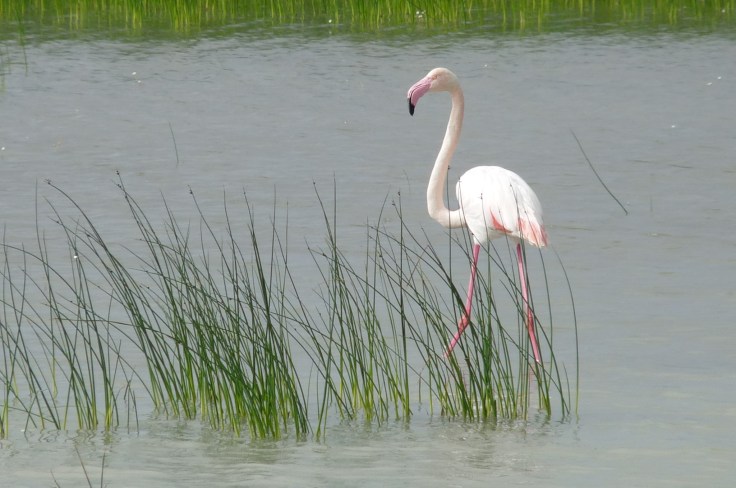
Greater Flamingo, Donana MJM

spain-6-19-april-2009-lumix-mjmcgill-256

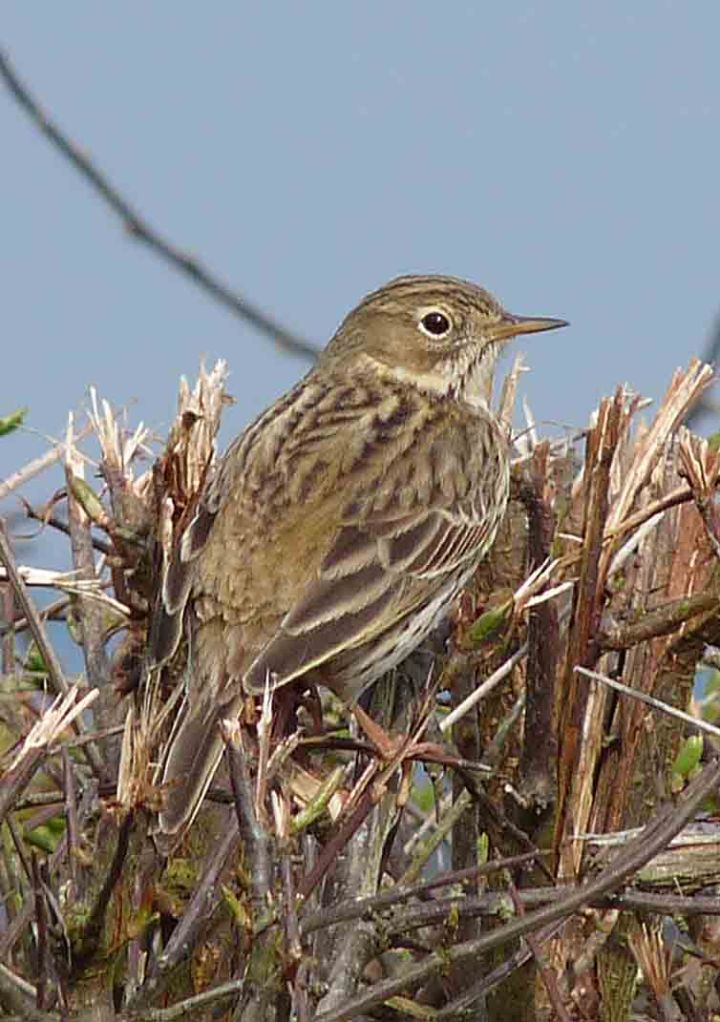
5 April 2009 A White Wagtail, Little ringed Plover and 2 Short-eared Owls were highlights at WWT today. A party of 40 Meadow Pipit were also noted.

Meadow Pipit MJM

orange-tip-april-5th-lumix-2009-mjmcgill-024

Shortie and Severn Shelducks MJM

orange-tip-april-5th-lumix-2009-mjmcgill-0051

4 April 2009 No birding but last night on return from a victorious skittles match at the pub where Harriet won the game for us I got a shot of what is only my second of the year so far. Her scream resulted in me seeing a Hedgehog not a Rat in my garden, I have left access points under my new fence to allow them in and out.

orange-tip-april-5th-lumix-2009-mjmcgill-002

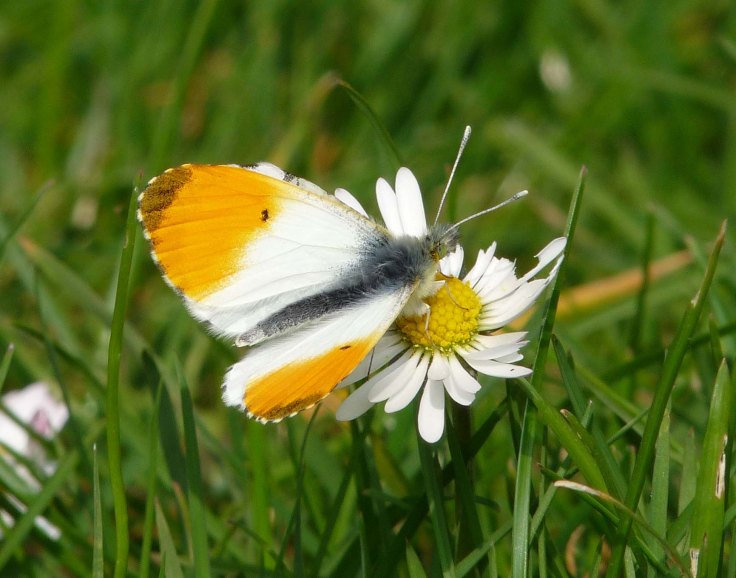
3 April 2009 Out and about at Frampton on Severn where I saw my first Garganey of the year, a lone male which is no doubt waiting for the females to arrive. c20 Swallow, 10 Sand Martin and a 4 Black-tailed Godwit were also seen but the mist made it hard to see too far. In my garden was the first Orange Tip butterfly of the year!

Orange Tip male Whitminster, Panasonic Lumix DMC FZ28 M.J.McGill

orange-tip-april-3rd-lumix-2009-mjmcgill-002

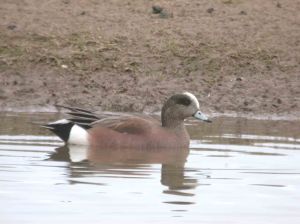
2 April 2009 A decent large gull passage through N at WWT all day. 6 Swallow N and the American Wigeon were also of note.

1 April 2009 A great start to the month with some fine views of an Otter at WWT Slimbridge. A single Sand Martin and a  flock of 200+ Black-headed Gull around the 100 Acre/Frampton was of interest. A Little-ringed Plover flew around the tractor where I was topping on the Bottom New Piece and a Red Kite made it’s way N in the afternoon.

march-lumix-2009-mjmcgill-095

1-31 March 2009 sightings and blog

Another great opportunity came my way on Tuesady with a corporate hospitality box at Bristol Rovers FC. The match was against our bogey team, Huddersfield, we have not beaten them for ten years and ended in a 1-2 defeat for the Pirates. A good game and as ever a wonderful experience. It has to be said that the visitors first goal was unstoppable and a fine effort to watch.

Teamwork at the (Mem)Memorial Stadium MJM

march-lumix-2009-mjmcgill-045

From left to right facing us, man of the match Craig Disley (Dis), Jo Kuffour (the scorer) and League One’s top scorer with 25 goals the perfect striker, Rickie Lambert.

march-lumix-2009-mjmcgill-038

28 -31 March 2009 A good end to the month. My first Wheatear, White Wagtail and singing Willow Warbler of the year were all at WWT Slimbridge on 29th. Four Wheatear were at the trust on 30th.

27 March 2009 In my Whitminster garden a male Blackbird is busy collecting worms to take back to young nearby. No chemicals on my lawn! A spell at Frampton Pools this afternoon gave me my first House Martin (1), Swallows (3) of the year and c6 Sand Martin. A few Redpoll and a Siskin, 30 Fieldfare  plus 2 greyer female Pied Wagtail not White were among the flock of 12. c65 Tufted Duck were noted too.

26 March 2009 A quieter day around WWT, the American Wigeon, Brent and Cattle Egret showed but more birds appeared to have departed.  A Great Crested Grebe was on the estuary over high tide, I always like to see them out on the Severn as it reminds me of coastal birding/seawatching.

25 March 2009 At WWT a rather rushed rounds meant I never had the time to watch at one place too long. I went through the c30 or so Wigeon around the Holden Tower and 157 on the Top New Piece without seeing the American Wigeon. It was reported from the Zeiss Hide later. The Dark-bellied Brent was on the Tack Piece/Long Ground. As we had not checked the South Lake JSL had a look from the Hogarth Hide where the Cattle Egret was sheltering from the wind. The heavy jowel and dagger bill can be seen clearly in this image, compare with the slimmer, longer billed Little Egret head shape.

Cattle Egret, WWT Slimbridge, South Lake MJMwwt-march-23-coolpix-mjmcgill-0032

I also had the pleasure of showing two Brazilian girls, Carlina and Alessandra around the N end of the reserve and Decoy. They are in Britain for a month on a fact finding mission and both work in Conservation in Brazil. The first bird I scoped to show them was a male American Green-winged Teal in the 100 Acre marsh but to foreign visitors the array of birds on show was very impressive, easy to forget when we see them daily.

Green-winged Teal male or pair? and Shoveler MJM

wwt-march-23-coolpix-mjmcgill-010

24 March 2009 On the rounds at WWT Slimbridge this morning I noted the American Wigeon, a first winter Iceland Gull was on the estuary and the Dark-bellied Brent.

wwt-march-23-coolpix-mjmcgill-007


22 and 23 March 2009 Back at WWT the American Wigeon continued to brighten up March, no sign of DBP’s Cattle Egret but we have no cattle, sheep or horses on the fields locally. It is worth checking any field with stock as it is likely to be in the area. Two Blackcap are singing around the reserve and at least 8 Chiffchaff. The return of cloud and showers saw us recording Sand Martins again. I had 12 and JSL had one today. At least 9 Black-tailed Godwit were on the South Lake this afternoon and a miserly 6 Dunlin in the 100 Acre.

21 March 2009 Out and about in the Forest fo Dean for family reasons but shoehorned in a visit to Boy’s Grave and New Fancy View for ten minutes birding at each site. The Northern Grey Shrike was showing but as ever my attempts to get an image of this bird were poor. The Cirencester bird is more prepared to come closer if you use a bit of fieldcraft or stay in the car.

wwt-march-23-coolpix-mjmcgill-002

I also noted a Crossbill here and the Siskins and 3 Brambling (one of the males is nearly in full breeding plumage) at New Fancy were nice to see. Plenty of Mandarin were at Cannop Ponds as were a pair of Grey Wagtail. In addition singing Grey Wagtail was at Blakeney.

20 March 2009 Most notable bird today was the Kingfisher that flashed past me across the dual carriageway on Eastern Avenue Gloucester. It passed PC World and McDonald’s and on inspection I found  a stream hidden in the Industrial Estate. A pair of Shelduck on a puddle at Hempsted Recycling/Refuse Tip  whilst I was recycling stuff was another reminder of the importance of any wetland.

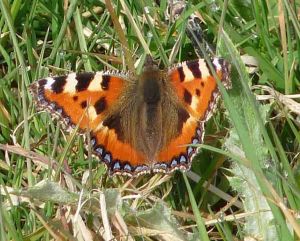
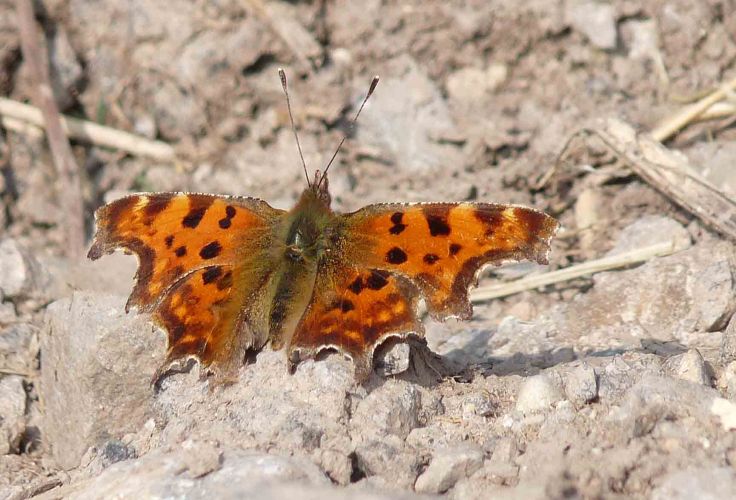
19 March 2009 What a great spell of weather, despite another foggy and misty start to the day hence no birding I saw three species of butterfly today on the WWT reserve. In order from top to bottom..Small Tortoiseshell, Peacock and Comma MJM.

wwt-march-17-coolpix-mjmcgill-012

wwt-march-17-coolpix-mjmcgill-014

wwt-march-17-coolpix-mjmcgill-017

18 March 2009 Misty and foggy so no birding.

Little Grebe at the WWT Slimbridge, Robbie Garnett Hide MJM.

wwt-march-17-coolpix-mjmcgill-0041

17 March 2009 On the way in to work this morning and on the way home via the 100 Acre I had my and Glos’s first Greenshank of the year. 2 Golden Plover, a Little Stint, five Dunlin and the same duck as yesterday were all still showing. The first-winter Glaucous Gull was out on the sands and the male American Wigeon was still on the Top New Piece. Some flocks of Buzzard were stacking up over the reserve with six together and birds on the wing all day in the sunshine. One of the Blackcap at Splatt Bridge was still singing as was a Chiffcaff. Three Chiffchaff were in song around the trust.

16 March 2009 Due to the canal bridge not being there (bridge being replaced and WWT closed for 2 days) I walked to work from Frampton on Severn early this morning. Two male Blackcap were in sub-song between Splatt Bridge and the first gate to the S. These are more likely to be wintering birds rather than the true Spring migrants that are obvious from the second week of April, they were both deep in the Ivy. A commotion in the 100 Acre led me to think that either an Otter was hunting or someone was where they shouldn’t be as the gulls were mobbing whatever it was. I was delighted when I got my bins onto a large Otter as it fished among the reeds. The 100 Acre marsh was still fairly busy with waders and wildfowl, the same when I went home. Snipe, Spotted Redshank, Redshank, Black-tailed Godwit and Lapwing, Teal, Wigeon, Shoveler, 5 Pintail  and Gadwall. No large numbers but a good variety. The next highlight was walking into a grounded male Goshawk, just 30 feet in front of me, it took flight looking over it’s shoulder and headed across the river to Awre. Next good bird was a male Merlin, this the first I have seen since October!

wwt-march-16-coolpix-mjmcgill-043

Out on the estuary the 1w Glaucous Gull was roosting with the other larids. This was as usual viewable distantly from the Holden Tower and Zeiss Hide. From the Holden Tower I picked out the male American Wigeon on the Top New Piece. Better views from the Zeiss Hide were had later.

wwt-march-16-coolpix-mjmcgill-044

At least two Chiffchaff sang about the reserve today, I heard three Toads calling from the 100 Acre and other ditches.

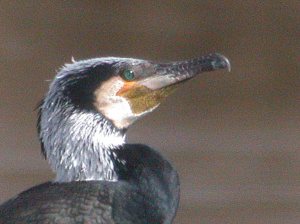
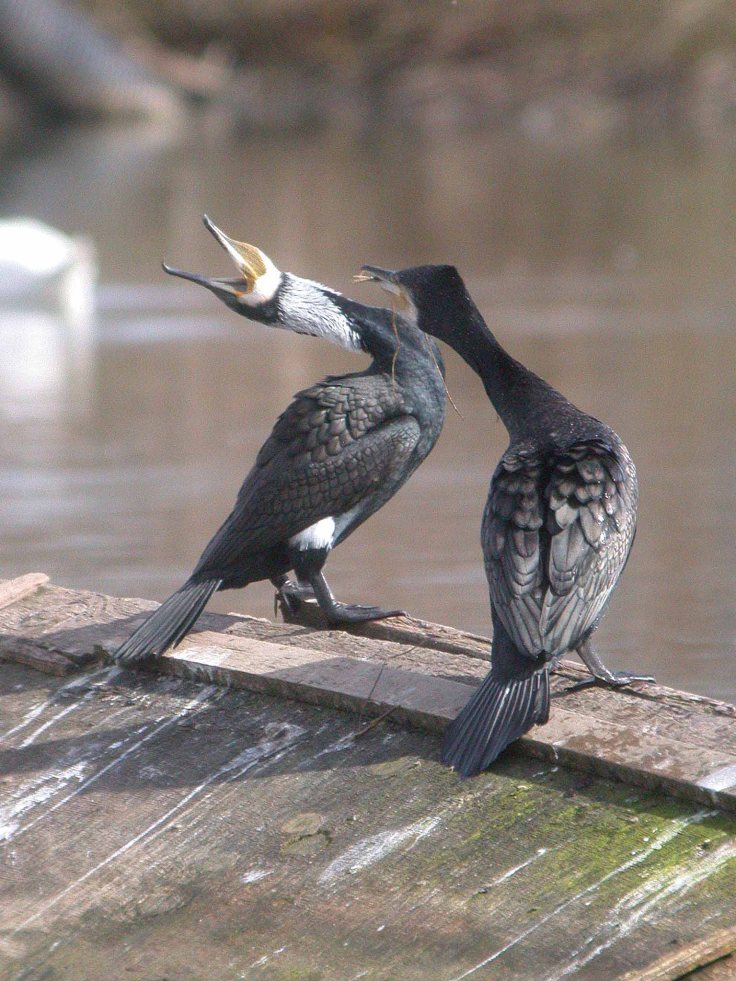
15 March 2009 The larger gular patch and white head seen clearly in this image. A WeBS survey day and birdwatch morning at WWT Slimbridge. All of our sightings are on the WWT website. Some wonderful display was witnessed by JSL and I from the South Lake Obs. A sinensis Cormorant pair were engaged in ritual display, offering of weed and head throwing, bill lunging with guttural calls all noted.

wwt-march-16-coolpix-mjmcgill-029

wwt-march-16-coolpix-mjmcgill-0361

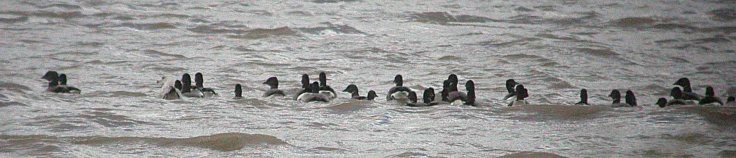
14 March 2009 A call from Mike King kicked started a bit of local birding, he had discovered what is probably the second largest flock of Brent Geese recorded in Glos, the chance to see and hear them was a real draw and quite a highlight for me. I managed a few shots and there were at least 58, Mike counted 55 but they were on the water and bobbing up and down. One had a very clear neck slash and was quite black but it was very hard to watch individuals as they were out of view longer than in view. I also saw my first three Sand Martin of the year. The wintering female Blackcap was drinking in my garden.

A selection of Dark-bellied Brents shots from 14 March 2009 MJM

march-13-lumix-mjmcgill-002

march-13-coolpix-mjmcgill-021

march-13-coolpix-mjmcgill-023

march-13-coolpix-mjmcgill-015

brents-march-13-coolpix-mjmcgill-0131

13 March 2009 Only a 15 min look about Townfield Lake at Frampton this afternoon where 10 G C Grebe and a Little Grebe were the most notable birds.

march-13-coolpix-mjmcgill-006

First winter Iceland Gull from the WWT, Holden Tower MJM

12 March 2009 Another decent day about WWT Slimbridge especially during the rounds. An adult breeding Mediterranean Gull and first winter Iceland Gull were on the edge of the Dumbles over high tide. The last 24 E White-fronted Geese appeared to depart this morning leaving a single and four wild Greylags. In the evening at least 2 Curlew flew over my house heading N calling plus other mystery calling birds that were heard by Nick Goatman at Frampton who tipped me off and I heard them over me. It was also nice to see the American Wigeon again.

march-13-coolpix-mjmcgill-007

Eurasian and American Wigeons WWT, Top New Piece MJM

11 March 2009 At high tide this morning I picked up the first Avocet of the year on the Dumbles, it was among the Shelduck before flying off the saltmarsh where it fed for a while. The gulls pushed it around a bit and I last saw it drop behing the shelf. On South Lake an adult breeding Mediterranean Gull was present, this one had a large notch in the right wing and more white in the face than the bird on the 9th. Later in afternoon I saw the first summer bird again here from the tractor, DBP saw it in fields W of Slimbridge village on spread fields. Whilst leaving work I went through a flock of Common Gulls on the road fields and an immaculate adult breeding Mediterranean Gull was with them, they dropped onto South Lake. This makes 4 in three days! A Black-tailed Godwit beginning it’s moult was on the Top New Piece, this is new in. At the 100 Acre 4 Spotted Redshank, 35 Redshank, 10 Snipe, 15 Golden Plover, 50 Lapwing, 5 Little Grebe and 40 Curlew were present. At least 60 E.White-fronted Geese remained on the Dumbles with the DB Brent.

Highight of the day was at 1705 at home, whilst unloading logs from my car I heard White-fronts, looking up c 50 were flying low over my house and heading for WWT. They were probably on another pre-migration flight, brilliant garden tick!

10 March 2009 Again I will upload images of my highlights recently rather than a full blog of the period. The E White-fronted Geese made a mock attempt to migrate this morning from WWT. They flew high over the reserve and out over toward Whitminster, turning to Longney and returning after 40 minutes. A clear night tonight should see the rest of the flock leave and looking out the window the moon is shining bright. I had a report of two Swallows from Whitminster today but they are probably the Sand Martins from Frampton. A look at the WWT 100 Acre this morning revealed c200 duck which were mostly Teal and Wigeon but 4 Spotted Redshank, 1 Little Stint, 1 Golden Plover and a first summer Mediterranean Gull were also present, the Med was relocated on the South Lake later. Yesterday whilst JSL and I were shovelling gravel at the back of South Lake he noticed an adult summer Med in with the B.H. Gulls.

march-10-2009-lumix-mjmcgill-013

Yawning first summer Mediterranean Gull, WWT South Lake MJM

march-9-2009-coolpix-mjmcgill-010

Adult summer Mediterranean Gull WWT South Lake MJM

march-1-5-2009-lumix-mjmcgill-031

The end of winter! MJM.

march-1-5-2009-coolpix-mjmcgill-002

Another nice Nick Goatman find at Frampton on Severn, one of the 22 Waxwings near the Court Lake MJM.

march-1-5-2009-coolpix-mjmcgill-014

I often see Shoveler diving to feed on the Tack Piece scrape during the early Spring. They work a patch over systematically, I never see this behaviour regularly anywhere else. MJM.

march-1-5-2009-coolpix-mjmcgill-025

The Iceland Gull is about the estuary most days and often at the same time as the Glaucous Gull. Never very close though!

1-27 February 2009 sightings and blog

27 February 2009 A female Blackbird was collecting nest material in my garden this morning.

26 February 2009 I did the rounds at WWT this morning with Mike Cox, I left him on his last day with us volunteering on Wigeon search duty and he located the male American Wigeon on the Tack Piece. He will be moving on to a new job next week. I counted the other birds and 483 E White-fronted Geese, the Dark-bellied Brent, 2 wild Greylags and the female Goldeneye. I saw four Spotted Redshank on the South Lake also. During the day 2 Ruff were noted in the road fields, three Redpoll over and as we left the track repair job at the end of the day, Mike and I spotted  a Spoonbill from the tractor as it fed in front of the Hogarth Hide on the South Lake.

25 February 2009 No birding as such at WWT but a scan around the 100 Acre whilst measuring up a job gave me a Little Stint, 100 Dunlin, 90 Golden Plover and the Egyptian Goose.  The female Goldeneye was still on the Rushy. A party of 3 Lesser Redpoll, 2 Reed Bunting and 4 Linnet were in the hedges.

24 February 2009 After being off work yesterday I eventually made my way to the Zeiss Hide on the morning rounds at WWT and got some close views of the American Wigeon. At least two of the wild Greylag were on the Dumbles plus the D.B.Brent, 3 Spotted Redshank and 430 E White-fronted Geese on the Tack Piece.

february-24-2009-coolpix-mjmcgill-011

18-23 February 2009 Much the same at WWT but large departures noted within the duck flocks. Graham Clarkson was in the county with photographer Andy Bate and both stayed at my place on the Friday night. They had a good weekend birding in the county with Red Kite at Symond’s Yat plus the Peregrines and a heart stopping Gyr falcon type which they thought to be a hybrid. Hawfinches, Mandarin, displaying Goshawks and lots of other forest birds were noted by them. At WWT, the six Tundra Bean Geese and D.B. Brent were added too plus the Long-eared Owl near Splatt Bridge. I saw the Tundra Bean Geese on Sunday also and the female Goldeneye was still on the Rushy. I saw the first winter Glaucous Gull on the estuary at dusk.

february-24-2009-coolpix-mjmcgill-003

Where is the Glauc?

february-24-2009-coolpix-mjmcgill-008

16-17 February 2009 Bruce Pendlebury phoned me with news of a Mealy Redpoll in the Green Lane near to the WWT reserve, it was with four Lesser Redpoll. Today was much of the same, a Little Stint and good variety of other waders were about the WWT reserve. The six Tundra Bean and single Dark-bellied Brent were on the Dumbles late afternoon. Yesterday was notable for a pair of calling, talon grappling Peregrine Falcons over where we logged up fallen Oaks. The bird song continues to increase locally particularly in the mornings.

15 February 2009 13,000 wetland birds counted at WWT today with a first winter Glaucous Gull, the six Tundra Bean Geese and Dark-bellied Brent being pick of the bunch. Three Great-crested Grebe returned and were vocal and displaying, the same could be seen with the Oystercatchers.

Female Kingfisher at the South Lake Observatory MJMcGill Nikon Coolpix 995, Swarovski 20-60 x zoom x 65mm and DCA adapter

february-6-122009-coolpix-mjmcgill-004

13 February 2009 A short walk along the towpath at Frampton with my children was made pleasant by so many singing birds, very spring like indeed. We had a look at the roosting Long-eared Owl and then a Short-eared Owl which was perched up nearby. A Little Owl called from near the church.

Spotted Redshank from the Holden Tower, WWT Slimbridge, MJM.

february-6-122009-lumix-mjmcgill-002

7-12 February 2009 The snow has melted off and the high water levels have attracted thousands of birds back in front of WWT hides. The six Tundra Bean Geese, Dark-bellied Brent, Little Stints and at least four Spotted Redshank have been showing well.

1-6 February 2009 Snow has dominated the month so far, here are a few images from WWT Slimbridge and from home of what I have seen this week. Hundreds of Fieldfare have invaded the gardens of Whitminster, I still have a good variety of passerines including two Blackcap but no Brambling as yet.

Fieldfare in the garden

february-1-6-2009-coolpix-mjmcgill-0082

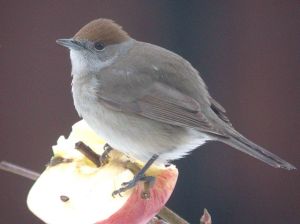
Female Blackcap in the garden.

february-1-6-2009-coolpix-mjmcgill-0061

Lesser Redpoll at WWT Slimbridge

february-1-6-2009-panasonic-mjmcgill-011

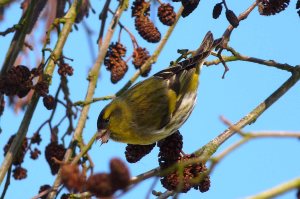
Siskin at WWT Slimbridge

february-1-6-2009-panasonic-mjmcgill-028

First-winter Glaucous Gull at WWT Slimbridge

february-1-6-2009-panasonic-mjmcgill-025

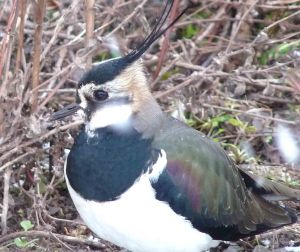
Lapwing in the snow, WWT Slimbridge

february-1-6-2009-panasonic-mjmcgill-019

Anser Birding Gloucestershire day trip 31 January 2009

We set off from Whitminster at 0800 and were in the Forest of Dean at New Fancy View by 0845. I had planned to take in Frampton Pools at the end of the day but we did not leave the Forest until late in the day.

We began with a Green Woodpecker, Nuthatches, Coal, Blue and Great Tits feeding happily around the car park. A bright male Brambling was joined by a female and then another male as they fed among 30 Chaffinch. Best of all was a very bright male Hawfinch perhed in the birches. From the rather cold viewpoint we added a few more birds but the Easterly wind made it uncomfortable for searching out birds so we left early.

A search of a couple of clearings for shrike was unsuccesful so we had a walk around Nagshead RSPB. A Marsh Tit, Treecreeper and a few other common birds were seen in this quality Oak woodland. A stop at Beechenhurst for comfort, cake and coffee was made, Nuthatch and Coal Tit fed on the flapjack put out for them. We returned to Cannop Ponds and saw two Great spotted Woodpeckers, 2 Grey Wagtail, 40 Mandarin, 3 Little Grebe, a pair of Goosander, a flock of Siskin and a pair of Goshawk. Many other common birds were seen. A brief stop at Speech House gaves us  thrushes, Mistle, Song, Blackbird and Redwing all fed on the turf.

At Brierley we had a longer walk which porved to be very quiet apart from a flock of Redpoll flying over, Goldcrests and a few tits. We drove to the east end of Woorgreens and went for another long walk finding a showy Willow Tit among the commoner species and a pair of Goosander.

Sadly the Forest was quieter than usual, no Crossbill or Dipper were seen but I will try again next month.

Anser Northern Tour 16-23 January 2009

For more images of the trip go to the link to the gallery. All images by M.J.McGill

http://www.anserbirding.com/photos/svmanager/g17/

Whooper Swans at Caerlaverock

january-2009-panasonic-mjmcgill-002

Barnacle Geese at Caerlaverock

january-2009-panasonic-mjmcgill-007

Bottle-nosed Dolphin and Jura

january-2009-panasonic-mjmcgill-019

Barnacle Geese on Islay

january-2009-panasonic-mjmcgill-022

Greenland White-fronted Geese on Islay

january-2009-panasonic-mjmcgill-035

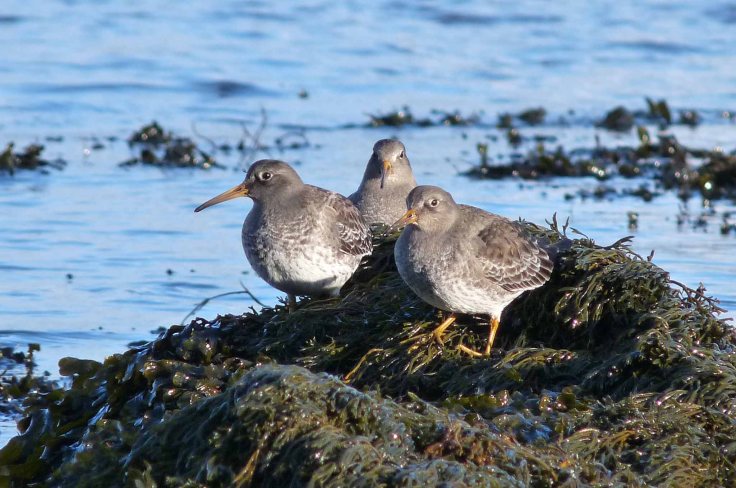
Purple Sandpipers at Bruichladdich, Islay

january-2009-panasonic-mjmcgill-052

Bruichladdich Distillery and Anser birders

january-2009-panasonic-mjmcgill-040

Loch Indaal

january-2009-panasonic-mjmcgill-058

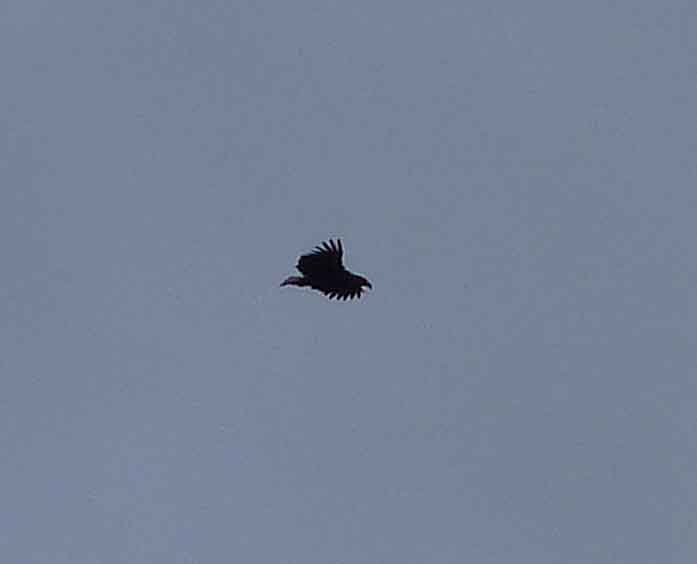
White-tailed Eagle over Mull

january-2009-panasonic-mjmcgill-078

White-tailed Eagles on Mull

White-tailed Eagles, Mull, Argyll, January 2009 M.J.McGill

Second winter Iceland Gull, Mull

january-2009-mjmcgill-0371

Second winter Iceland Gull, Mull

Second winter Iceland Gull, Mull, Argyll, January 2009 M.J.McGill

Second winter King Eider, Kincraig Point, Fife

Second winter male King Eider, Kincraig Point, Fife, January 2009 MJMcGill

Second winter King Eider, Kincraig Point, Fife

january-2009-mjmcgill-0921

Surf and Velvet Scoters, Ruddon’s Point, Fife

january-2009-mjmcgill-119

Waxwings at Longforgan

january-2009-panasonic-mjmcgill-121

Seven of us met at WWT Slimbridge at 0800 hrs on Friday 16th January for what was to be an amazing 8 day tour encompassing some unforgettable birding and wildlife experiences travelling some 1737 miles.


WWT Slimbridge as always, turned out to be a great starting point with European White-fronted Geese, Greylag, Dark-bellied Brent and Tundra Bean Geese, along with naturalized Canada Geese. We also counted 180 Bewick’s Swans in and around the Swan Lake. Duck numbers were good, with 400 Pintail, 2000 Wigeon, 2000 Teal, 220 Shelduck. Shoveler were also in good numbers as were Gadwall. A Ruddy .Duck on Swan Lake was also found. Waders were also showing well and we clocked: Little Stint, Spotted Redshank, Ruff, Black-tail Godwit and Dunlin. Other notable birds here were Peregrine Falcon and Cetti’s Warbler.


From WWT Slimbridge we headed north to WWT Martin Mere with a view to witness the Pinkfeet arriving to roost at the centre. We noted 500 Pinkfeet feeding on stubble and later 75 flying over the M57. We arrived at the centre at 1610 hrs and just had time to make our way to the hide to witness one of the great wildlife spectacles in the UK: 10000 Pinkfooted Geese arriving at the centre to roost. The atmosphere at such times is just magic, geese in such numbers, so close and with the cacophony of their calls are just amazing. We were also overlooking 1500 Whooper Swans and 4500 duck. We left in a euphoric state and headed to our first overnight stay at the Prince of Wales Hotel in Southport.


Saturday

In the morning we had an early start,  heading to the east end of the RSPB Marshside reserve and gathered as morning broke. Firstly we had to use our other senses as we could hear the wingbeats and the whistles of  large numbers of  Wigeon flying overhead. As the dawn gave more light we had an amazing morning flight of the birds flying from the Ribble estuary at our front into the reserve just over the road. We estimated some 3000 Wigeon had moved from the estuary into the marsh. On the estuary we found: Bar-tail Godwit, Sanderling, Redshank, Knott and Curlew. Overhead a Little Gull flew over. With Stonechat, Linnet and Reed Bunting our list was climbing. Also here we had more Pinkfeet on the estuary. We left here at 1030 hrs northbound for WWT Caerlaverock. We entered Scotland at 1245 hrs and had a flock of 1000 Pinkfeet flyover near Carlisle. Here we collected Bob, who had been working in the area. As we drove down to the WWT centre we had around 3000 Barnacle Geese in the fields with 350 Oystercatchers and good numbers of Curlew and Lapwing. Here we also had 12 Yellowhammer. We arrived at 1345 hrs and enjoyed this lovely centre. Here our luck held and we found the Cackling Canada Goose with the Barnacles. The hide was completely surrounded with 8000 Barnacle Geese looking just superb with the sun shining. We also added American Wigeon, Greater Scaup and Goosander to our duck list. The north was calling so we left at 1615 hrs and headed north to our destination, the Argyl Hotel in Inveraray overlooking Loch Fyne, arriving 1945 hrs.


Sunday

In the morning we stepped out of our hotel on the shores of Loch Fyne, an amazing view. We birded down the loch and watched Hooded Crows on the shore and found Eider, Red-breasted Merganser and Goldeneye on the Loch.  Here we also had our first Black Guillemot. From here we went searching Greylag Goose flocks on our way to Kennacraig where we were to embark for Islay. We were unsuccessful in finding the Snow Goose which is wintering in the area with the Greylag, however we did find a flock of 92 Greylag by a stone circle; it was a beautiful setting. We sailed at 1300 hrs and had some good viewing from the Isle of Arran Ferry; Guillemot, Razorbill, a count of 15 Black Guillemot, 5 Great Northern Diver, a very brief view of Grey Phalarope, Kittiwake and Fulmar. We were also fortunate in being graced with at least 2 Bottlenose Dolphins which gave a great performance coming close toward the boat. As we sailed between the Isles we had magnificent views of the Papps of Jura snow-capped and with rainbows, a truly wonderful sight. Also seen were Red Deer grazing on Jura. We docked at 1500 hrs at Port Askaig and were immediately impressed with the flocks of Greenland White-fronted Geese feeding everywhere. Also here were smaller flocks of wild Greylag and Barnacle Geese. Here we also had views of a male Hen Harrier quartering an area of rough ground. We moved to Bridgend Merse at Loch Indaal. It was raining lightly so we gathered in the shelter of an old farmstead. On the loch we found a flock of  200 Greater Scaup, 30 Light-bellied Brent Geese, a Long-tailed Duck was seen flying down the loch. Waders seen were Oystercatcher, Curlew, Redshank and Knot. Wigeon were grazing on the loch side. As we were watching Knott, geese were landing behind a knoll on the hill so we decided to go and find them. What a sight – some 4000 Greenland Barnacle Geese and 600 Greenland White-fronted Geese. When checked we went back to the loch-side, however the weather had not improved and the geese did not come in to roost, preferring to stay in their sheltered feeding areas. So at 1700 hrs we retreated to the Lochside Hotel at Bowmore.


Monday

Islay is truly a magical place and the birding fantastic. We first went to the quay at Bowmore and found Goldeneye and Red-breasted Merganser, Scaup, Long-tailed Duck, Shelduck and Common Scoter. Further out was Slavonian Grebe and Great Northern Diver. Here we also had fantastic views of a male Hen Harrier. Waders showing were Turnstone and Bar-tailed Godwit.  Lots of geese were about again including Light-bellied Brent. Rock Pipit also showed well. We left the loch at 1030 hrs and headed for Loch Gruinart where we counted 5250 Barnacles and 3250 Greenland Whitefronts with a few Greylag. Duck were plentiful and we had Pintail, Shoveler, Teal, Wigeon and Mallard. We then moved on to Ardnave Loch where 5 Whooper Swans were on the water with a Long-tailed Duck and 8 Goldeneye. Here we took a walk along the shore and found a nice flock of 48 Ringed Plover and Curlew, 2 Golden Plover flew over. From here we travelled on to Loch Gorm and on our way to Bruichladdich whilst scanning goose flocks, Martin found one of the great rarities of the trip: a European White-fronted Goose with its Greenland cousins. Paul also found a Golden Eagle sitting majestically atop rocks giving a great profile. Here we also had a Merlin and a flock of 200 Twite meant a short move to a derelict church and some high ground, which gave us good views of the Twite and then a Chough gave magnificent views as it flew low toward us. Lunch was had at Bruichladdich and on the beach Rock Pipit meandered about the flotsam and jetsam as did 3 beautiful Purple Sandpiper. Out on Loch Indaal meanwhile we had Light-bellied Brent Geese, Eider Duck, Common Scoter and Great Northern Diver. With time in hand we returned to Loch Gruinart and had views of Peregrine and another male Hen Harrier. So back to Port Ellen for 1615 hrs, where we had Red-throated Diver, Eider and Goldeneye and so aboard ‘MV Hebridean Isles’ back to the mainland with a drive to Oban. Whilst we were on Islay we had glorious weather, however, we had heard of snow on the mainland and sure enough it got worse as we approached Oban. On the steepest climb we were brought to a halt by a lorry that was slipping. Once it had stopped and we determined it was safe to go on five of us got out and helped the mini bus up the hill. Once moving the mini bus ably driven by Martin made the summit. We then pushed a young lady’s car up which had been stuck for some time. We were pleased to arrive at The Royal Hotel in Oban. Islay had given us some superb views and birding experiences. We tallied 25000 Barnacles, 8000 Greenland Whitefronts and 700 Duck.


Tuesday

Up early as we had an 0800 hr sailing to Mull aboard ‘MV Isle of Mull’. Only 46 minute crossing but we were able to clock: Kittiwake and Shag along with a Rock Pipit that flew aboard. Mull is a lovely island and as we headed on north following the coast road we checked the waters and soon found a dog Otter which we were able to get very close to. It had caught a fish and was out of the water eating it. We also had good views of Red Deer. On higher ground we watched a male Hen Harrier quartering open ground for some time. As he went out of sight a Golden Eagle was spotted on the opposite side. This bird was carrying some food item and was being mobbed by a Raven. However whenever it landed we were able to put scopes onto it and had some very good views. As we continued round the top end of Mull we had views of Red-breasted Merganser, Slavonian Grebe and Great Northern Diver. Another Otter was then spotted porpoising in the water giving more opportunity to view this beautiful animal.  Later we found Dipper on a stream just prior to stopping for lunch. We parked up in a village and out on a sand bar 4 Common Seal had hauled out and were resting. During the morning we found 3 Greylag flocks feeding which were checked. Following lunch we carried on and stopped overlooking an area of water that had fir trees rising away, when Martin quickly picked up 2 White-tailed Eagles, an adult and a sub adult perched in the trees but showing well. After some time the sub adult flew out over the water and spiralled up to a great height, but we were able to see the white tail clearly. Heading back toward the ferry we had a lovely flock of 55 Goldeneye, 58 Teal, 60 Mallard and a second winter Iceland Gull, Kittiwake and Common Gull. On to the ferry for 1500 hr sailing back to Oban. On the return we had 6 Great Northern Diver, a Red-throated Diver, 3 Guillemot, a Razorbill, Shag and Kittiwake. As we were arriving at Oban another Otter was showing well in the water. We drove straight to ‘Ravens Craig Guest house in Aviemore for our overnight stop arriving at 1845 hrs.  Jeremy Squire (Jubs) joined us this evening to help with birding in the Highlands.


Wednesday

After a leisurely breakfast at 0800 hrs we made our way to Lloc an Eilean, a small feeding station in a woodland setting. We very quickly picked up Crested Tit which entertained us for some time, also Red Squirrel. Other birds here were: Great spotted Woodpecker, Coal, Blue and Great Tit, Redpoll, Woodpigeon and Pheasant. We then made our way to Cairngorm; the ski centre was busy but we had the birding to ourselves. Jubs scattered some seed in a quiet spot and almost immediately Snow Bunting arrived. What a delight these were, I counted 12 in the end. We then decided it was time to start climbing up the snowy Cairngorm mountain in search for more birds. We climbed some way in search for Ptarmigan, but they were not to be found, however we found 6 Red Grouse, Dipper was also found on the stream. On our return to the station we fuelled up and were then on our way to Abernethy in search of more game birds. In the area we had Siskin, Reed Bunting, Goldcrest, Crossbill, Greenfinch, Bullfinch and Wren and finally had a male Black Grouse in flight. We went in search of this bird but were unable to re-find it. Time was slipping by so Martin went on ahead and briefly saw a Capercaillie. We went in search but again these game birds are some of the most difficult birds to locate at this time of the year. We then headed for our overnight stop at ‘The Ban-Car Hotel’ at Fraserburgh, Aberdeenshire arriving at 1825 hrs.


Thursday

Another early start to see the morning flight of Pink-footed Geese leaving their overnight roosting site. We arrived at 0805 hrs at the RSPB Loch of Strathbeg. As we were getting out of the mini bus the Pinks started leaving; the noise was amazing as they left in great V formations scanning out in their thousands. We then proceeded to the hide and Martin soon had the Snow Goose located, distant but with the scopes we had good views. There were 24,000 Pinks roosting on the reserve. We also recorded Barnacle and Greylag Geese, Teal, Gadwall, Goosander and Wigeon. Also here they had a bird feeding station with Tree Sparrows which entertained us for some time. We then moved to Fraserburgh to check gulls; Iceland was the only white-winged gull. Onward, our next stop was to St Fergus Cemetery where a White-tailed Eagle had been seen. It was not here, however, the number of Buzzard was impressive, at least 25, 180 Lapwing, 200 Linnet, Pheasant and a magnificent view of Merlin. Next we moved to Peterhead continuing to check the gulls. In the harbour here were a number of Grey Seal very close giving photographic opportunities. 60 Eider Duck were also here and gulls recorded were: Common, GBB, Herring, Kittiwake and a first-winter Little Gull also being of note. Moving round overlooking the sea we had Red-throated Diver, Guillemot, Gannet, Cormorant and Fulmar. On the beach were Purple Sandpiper, Redshank and Turnstone. We then moved onto the Ugie Estuary where we also added Long-tailed Duck and Mandarin Duck with more Purple Sandpiper and Ringed Plover. Moving on now to Aberdeen and a stop under the fog horn which thankfully was not required! Here we counted 21 Purple Sandpiper, 300 Eider Duck, had Guillemot, Turnstone and Red-throated Diver. A run then to Montrose Basin for dusk, here we had Black-tailed Godwit with colour rings on, Curlew, Redshank, Oystercatcher and Dunlin. Ducks were also of interest with 33 Pochard, 8 Red-breasted Merganser, Shelduck, Teal, Eider, Mallard, Wigeon and Goldeneye.


Friday

Starting with hunt for local Waxwings, we found them at Longforgan, 26 in number that we were able to watch for some time. Moving round we got them very close feeding with the sun shining on them, truly remarkable colours. 24 Pinkfooted Geese flew over giving an unusual scope view of Waxwing and Pinkfeet. From here we moved to Dundee sea-front in the hope of a Ring-billed Gull, however it had moved on. So to Elie overlooking the Firth of Forth, where we walked out onto the cliffs and had views of a second winter male King Eider. Moving on to Ruddon’s Point we had views of Velvet, Surf and Common Scoter, Long-tailed Duck, Goldeneye also Slavonian and Great Crested Grebe, Red-throated Diver, Sanderling, Curlew, Razorbill and Stonechat.  We then moved to Kinneil Lagoon as our final stop and found 13 Scaup, Teal, great numbers of Shelduck, Wigeon with Bar-tailed and Black-tailed Godwit, Greenshank, Redshank and Little Grebe. From here we headed south and home.


Summary

An amazing 8 days covering a lot of miles and in search of many birds. The majority were found showing well. Some species, mainly the game birds, are notoriously difficult to find at this time of year and they certainly did not give themselves up easily.


Wildfowl was another matter. We found most of what we were looking for and had some marvellous viewing. We estimate that we saw 2,100 swans, 86,500 geese and 26,000 duck. 142 species were recorded.


We were lucky with some stunning Otter views especially the first dog Otter which was very tolerant of us. The Bottlenose Dolphin was also a special moment for many; they certainly gave some spectacular views, sometimes being completely clear of the sea. We found and watched Common and Grey Seal; also close views of Red and Roe Deer.


Special Wildfowl moments were numerous; Pinkfoot flights at WWT Martin Mere coming into roost and at Strathbeg leaving their roost were spectacular. Also at the latter we had the Snow Goose. The Spitsbergen Barnacle Geese at WWT Caerlaverock were amazing especially finding the Cackling Canada Goose.  The Greenland White-fronted Geese and the Barnacle Geese also from Greenland on Islay were special, what amazingly close views we had. Whooper Swans in numbers are always special and we were not disappointed, both at WWT Martin Mere and WWT Caerlaverock. We were not disappointed with Sea Duck, Surf, Velvet and Common Scoter, Long-tailed Duck and Greater Scaup, Eider in good numbers and the special King Eider.


Raptors were outstanding with White-tailed and Golden Eagle seen and watched over a good period of time. Outstanding views of Merlin from the Cemetery, Hen Harriers seen on a number of days with good light.


Other birds of special note were the 200 Twite, the Chough, the Waxwing, the Snow Bunting, where to stop!


It was a great tour, overall we were lucky with the weather and had some spectacular sunshine, some great hotels and very good food. I would like to thank you all for your excellent company and good humour. We gelled as a group, a very important factor on any tour.

Paul Walkden with editing by Bettie Sloane

Anser day trip to Cornwall, 10 January 2009

 Snowy Owl near Zennor, Corwall MJM

10-january-2009-mjmcgill-0081

We set off from Glos at a leisurely 0700 and arrived at Zennor at 1045 after a stop near Okehampton. On arriving we walked up the hill and onto the moor and the Snowy Owl was soon in the scope. It had been flushed by a casual walker and was now along the footpath. We got closer to the area where everyone was watching it and had some great views in the scope, it was then flushed by a dogwalker and dropped onto a wall/low hedge where it sat for about half an hour before flying off to another wall on the hill being mobbed by Ravens.

After walking back to the car we headed for Marazion where Stonechat and Snipe were seen and a strong S wind was blowing in, this and kite surfers made it unsuitable for birding so we transfeered to Penzance and had a look at c30 Purple Sandpiper at the Jubilee Pool.

A short drive away was the first-winter Ring-billed Gull at Helston Boating Lake, this gave great views especially if you had a bag of bread.

Once again back in the car for a 30 minute drive and we arrived at Stithian’s Reservoir, we found a vantage point and Jon located the Northern Grey Shrike on a distant hillside, it was getting late in the day and we had a long way to go home so we left arriving back at 1900. Thanks to everyone who came along for the day it was a great bird to see in the South West.

1-31 January 2009 sightings and blog

26-31 January 2009 Much the same quality birding at WWT and a great day in the Forest of Dean on 30th, see trip reports for what we saw.

25 January 2009 Back at WWT the Snow Bunting was of note, see WWT website for details.

january-2009-mjmcgill-141

24 January 2009 Day off from birding.

16-23 January 2009 On the Anser Northern Tour, see trip report page for full details/images in due course.

13-15 January 2009 Not much too report here but a male and female Blackcap continue to winter in the garden and the juvenile Glaucous Gull was on South Lake on 15th.

Glaucous Gull, South Lake WWT Slimbridge, MJM

january-2009-mjmcgill-001

12 January 2009 The strong winds and high tide produced a a couple of good birds when I did the rounds at WWT. A juvenile/first winter Glaucous Gull and adult Yellow-legged Gull were on the Dumbles, see the WWT website for an image and other news. I added the DB Brent Goose to our office list today, the others were also there so got it as well so no chance of creeping ahead of them. Nice to see 13 Ruff back on the reserve too.

11 January 2009 The 6 Tundra Bean Geese were back in the Tack Piece at WWT, this was the highlight of the day.

10 January 2009 A day trip to Cornwall for the Snowy Owl and other birds, a trip report will be on the trip report page.

9 January 2009 A male and female Blackcap feeding on apples in my garden plus a Goldcrest this morning. Mike Cox reports 6 Bean Geese on the Tack Piece at WWT, no more details.

8 January 2009 Nothing much note today, a white Lesser Black-backed Gull was on the estuary this afternoon.

7 January 2009 I saw the DB Brent Goose fly over where we were working near the canal with the E White-fronts, a juvenile/first winter Glaucous Gull was spotted briefly (JSL) on the ice floes on the Severn from the Holden Tower at 1630 but we watched it fly to Purton where it dissapeared in the 50,000 gulls there. Some snow flurries and rain this evening showed the temp has raised a bit.

6 January 2009 At WWT Siberian Chiffchaff flew around calling continously outside the Duck hut and went into the bushes next to the restaurant to roost at dusk. It showed to 8ft next to the Caribbean Flamingo house and did a circuit before going silent. I had a Shelduck in my hand and ringing pliers but DBP and Mike Cox got their bins on it. The centre was closed today for canal bridge work. I also saw 2 Rock Pipit, 1 Water or other type Pipit, 2 Short-eared Owls (hunting over the 100 Acre from 1400). Bob Radford reported 3 Avocet heading upriver past Berkeley in the morning and Mike Cox had a Barn Owl at WWT after droppping me off up the reserve to walk home due to bridge closure

5 January 2009 Still lots of passerines visiting my garden, the first male Blackcap of the winter, a Fieldfare, 7 Long-tailed Tits and perhaps 20 Chaffinch, 10 Greenfinch, 12 Starling, 2 Dunnock, 2 Pied Wagtail, Blue and Great Tits, 4 Goldfinch, 2 Collared Dove, 5 Woodpigeon, 4 Robin, 4 Blackbird, Song Thrush and 30 House Sparrow. 2 Raven flew low past the garden and 23 Lapwing flew out of the ploughed field next door.

 4 January 2009 Twenty minutes at the Court Lake, Frampton and 2 male Goldeneye a Scaup, 2 Little Grebe and 2 Egyptian Geese were noted.

1-3 January 2009 The WWT website has all the sightings from myself except for seeing a Little Stint and male Blackcap on mistletoe. The juvenile Brent Goose and the wildfowl flying low (inc E White-fronted Geese) around the centre in the sun was highlight for this period. I had my best ever year in Gloucestershire and at WWT with over 220 birds seen in the county and 200 at the trust.

Male Gadwall is not just a grey duck with a black tail…
One for duck lover Steve Dark, Happy New Year Steve.

Dunlin and Little Stint MJM  When it thaws we will see the waders at WWT again.

Some images from the end of 2008 and the start of 2009.

Waxwings at Littledean, Glos MJM A flock of 14 took advantage of this ornamental rowan.

Goldcrest at WWT Slimbridge MJM The small birds are suffering in this cold weather.

50/50 Bewick’s Swans over the Peng Obs, WWT MJM

E. White-fronted Geese and Bewick’s Swans cross flight paths

Blog at WordPress.com.

Up ↑